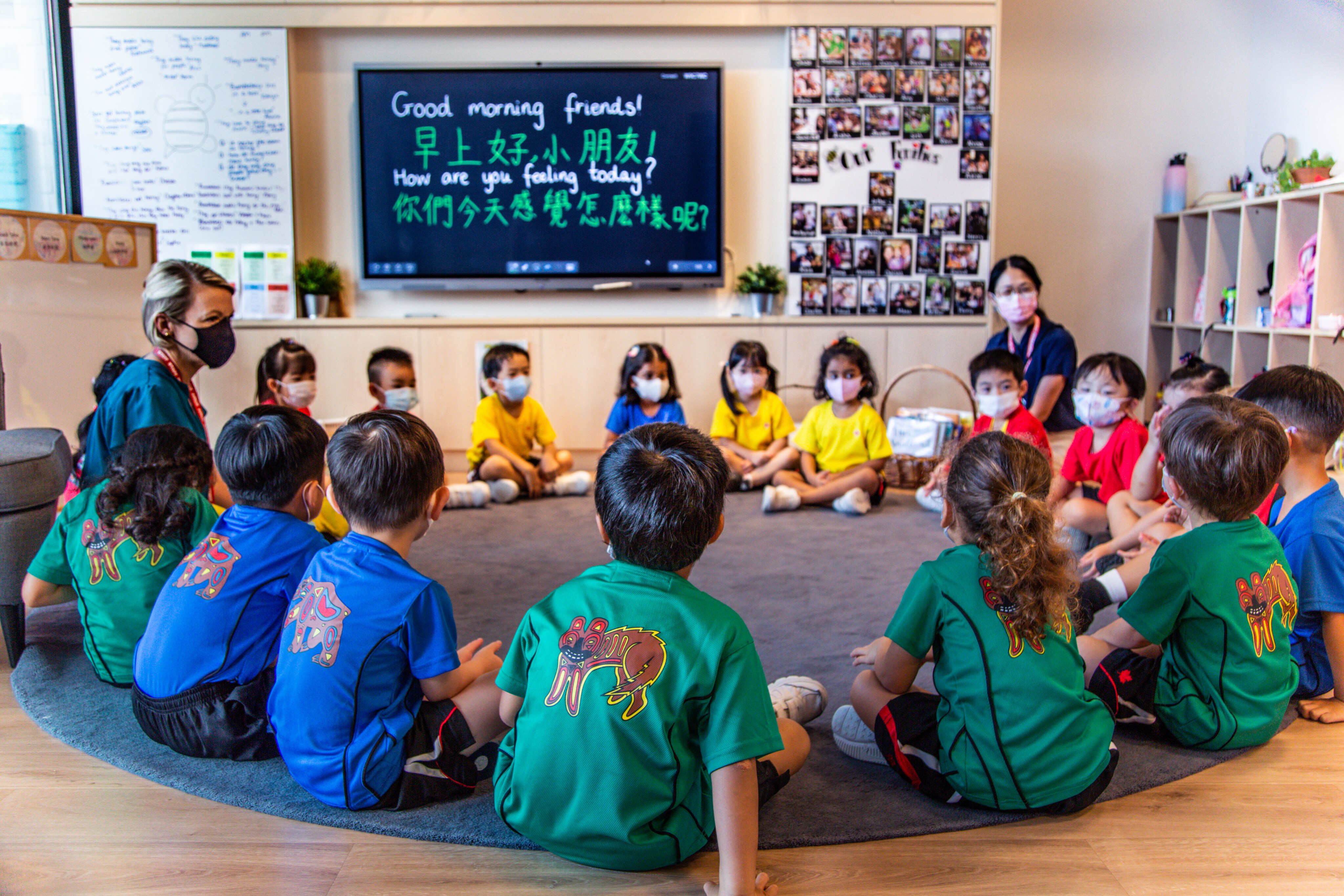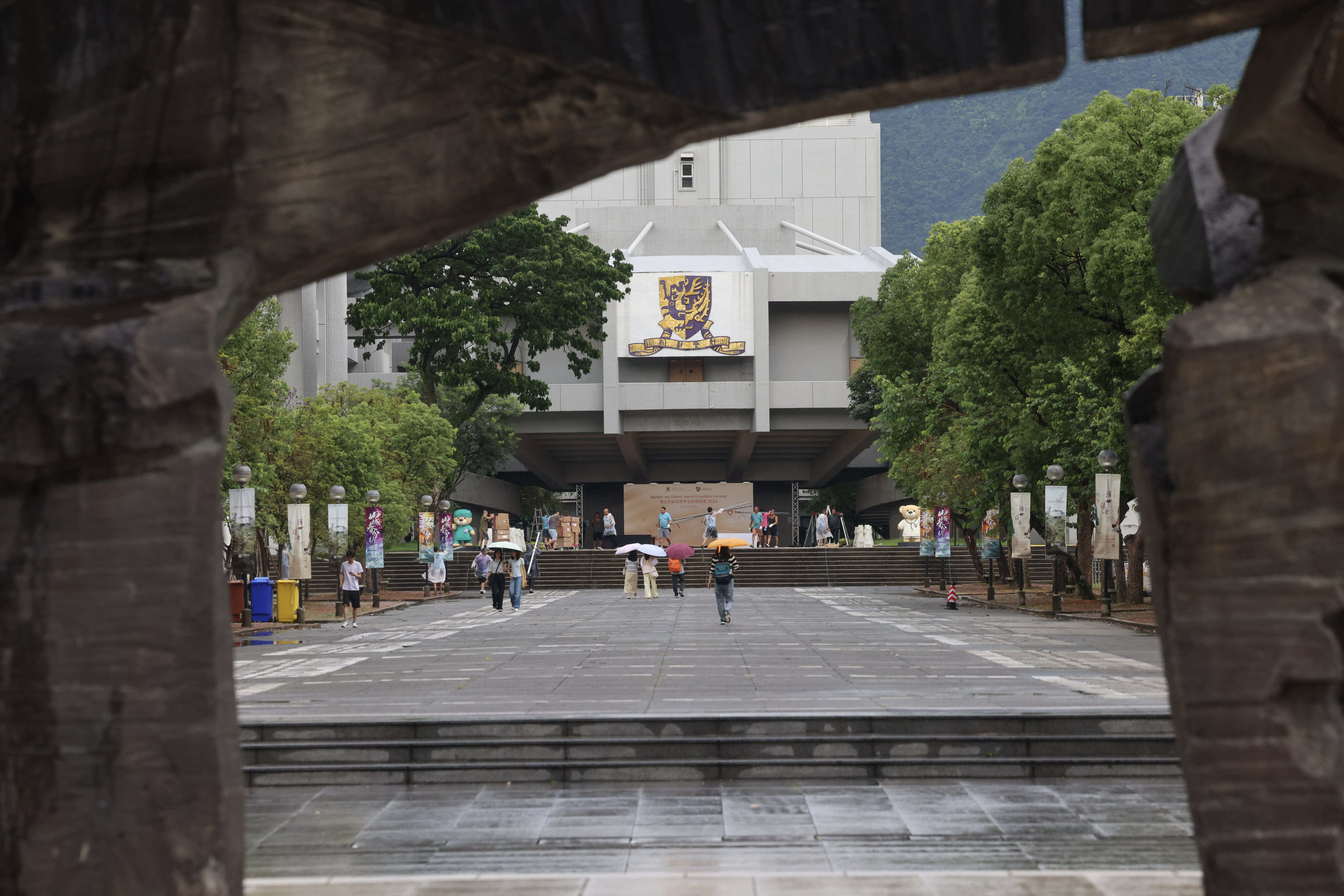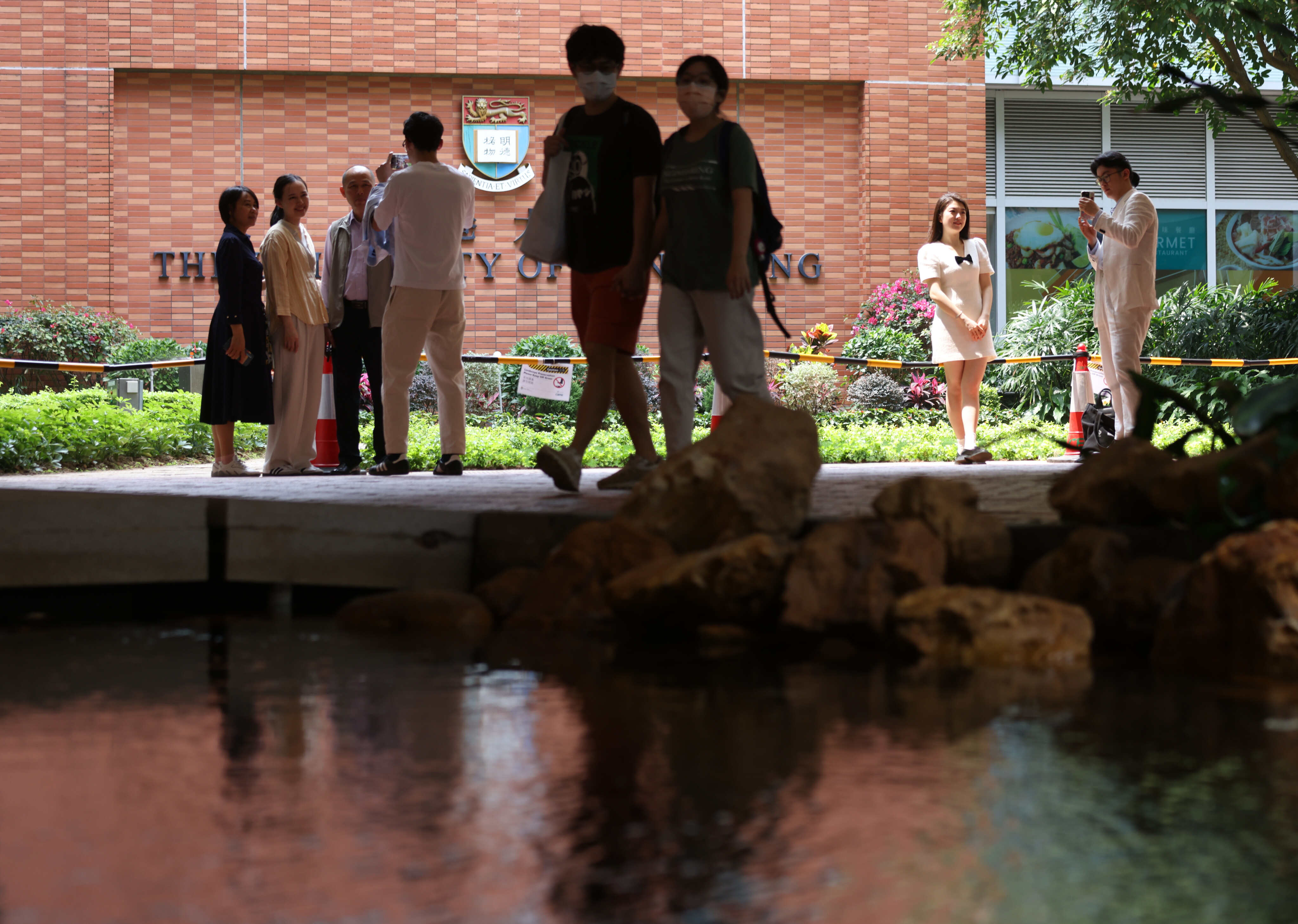
Hong Kong mother May Lam had planned to buy her 11-year-old son a new set of school uniforms and pay for his basketball training fees. However, the government’s decision to cut the HK$2,500 study grant she relied on has forced her to scale back on her son’s extracurricular classes just as he begins Primary Six.
“Right before the school year starts, even a pair of short school uniform pants costs nearly HK$100,” she said. “That HK$2,500 subsidy really felt like a start-of-school allowance for students, and it made a difference.”
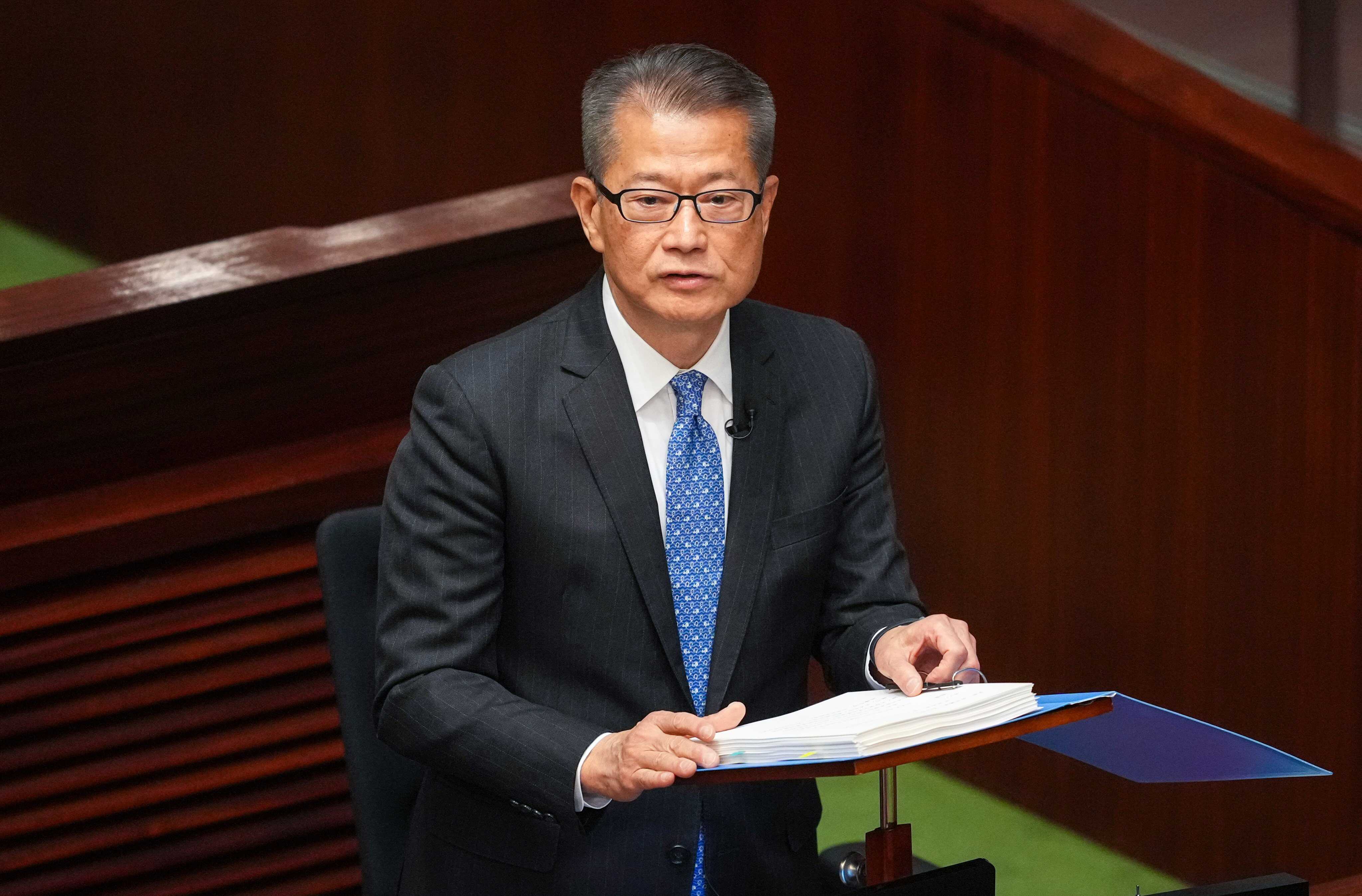
Financial Secretary Paul Chan Mo-po announced in February’s annual budget speech that the grant would be eliminated starting this September. This decision will save the government HK$2 billion annually but will impact nearly 800,000 students this year. The decision was made without public consultation, resulting in backlash from the community.
Another mother, Macy Chan, said she dreaded it when her eight-year-old daughter asked her about extracurricular activities. She knew her child would be disappointed again.
“Once there’s a fee, it adds to my financial burden,” said the 33-year-old mother of three. “But when I don’t sign her up, I feel bad.”
Chan noted that the situation has worsened because of the subsidy cut, which had previously helped pay for her daughter’s dance and painting classes. Now, she worries that she is not doing enough for her child. “Sometimes we feel like ... we can’t even meet her most basic needs. Even the simplest parent-child activities, we can’t be there to join her,” Chan said.
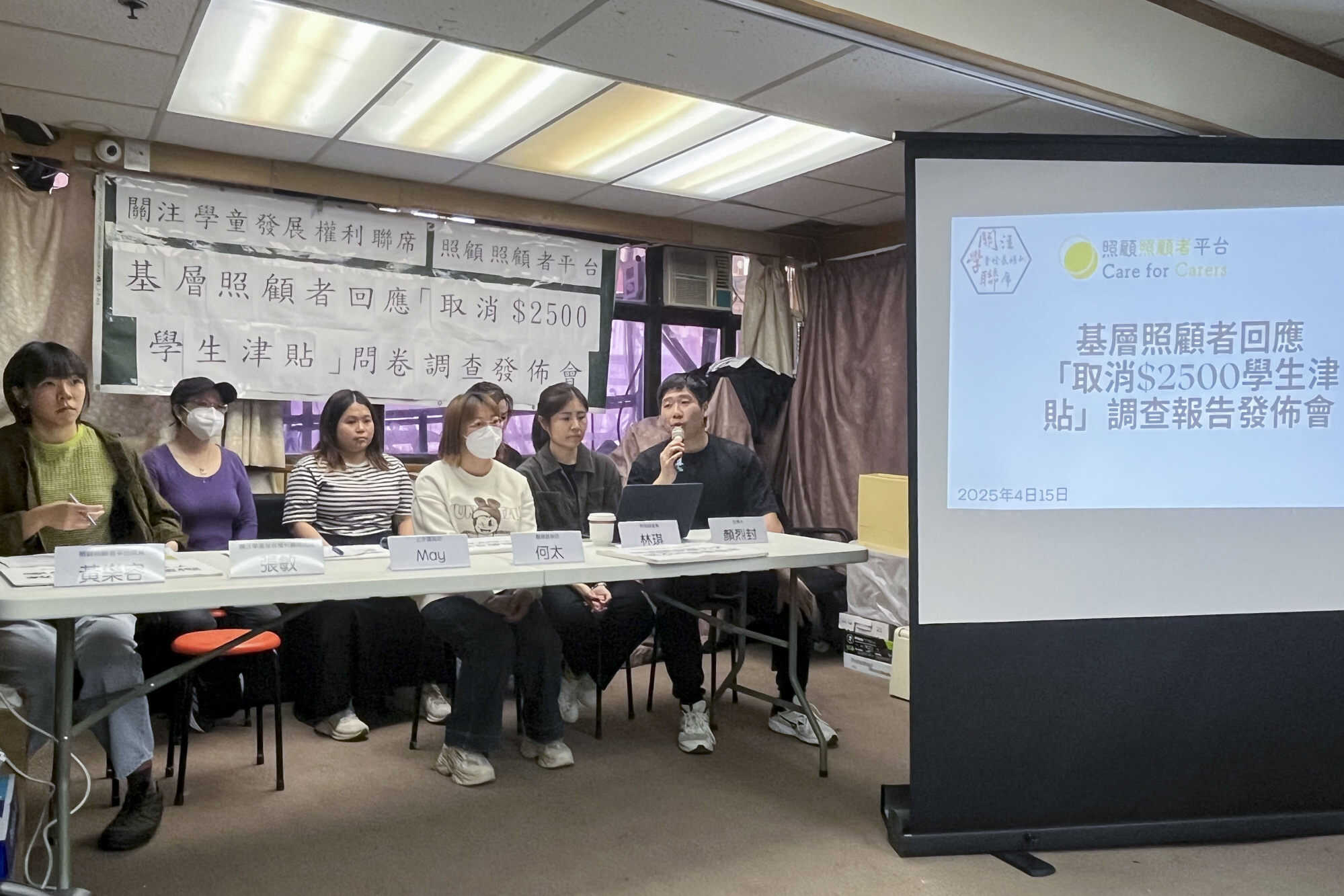
Chan and Lam are among a group of Hong Kong mothers urging the government to reinstate the HK$2,500 study grant. A survey published in April by Care for Carers and the Alliance for Children Development Rights revealed that the removal of the HK$2,500 study grant would force up to 60 per cent of underprivileged parents to cut back on their children’s extracurricular activities and tutoring.
The survey collected 1,282 responses from low-income families. Both groups have called on authorities to reinstate the scheme to alleviate the burden on struggling households.
Both Chan and Lam pointed out that existing allowances were insufficient to meet the demands of a new academic year. For example, although Chan’s daughter receives around HK$4,000 from the School Textbook Assistance scheme, she said the amount barely made a dent in her expenses.
“Just [her] textbooks for the new school year already cost around HK$6,000,” she said. “I don’t even think about choices anymore because there aren’t any. I’ve already cut back everything I can just to cover basic living costs.”
Lam’s family currently receives support through the Comprehensive Social Security Assistance (CSSA) scheme, but she finds it challenging to cover the costs of her son’s education and activities. He will prepare for the secondary school placement exam this year, adding to the family’s financial burden.
“I want to sign him up for tutoring, but since that HK$2,500 grant was cut this year, the pressure has been quite heavy,” Lam explained, adding that she would have struggled even if the subsidy scheme had not been cut.
“Just the textbooks and miscellaneous school fees already come to more than HK$4,000, and that’s not even counting meal costs.”
The NGOs explained that cutting the grant would deprive children of opportunities for development, leaving parents anxious about potentially limiting their children’s future prospects. In Hong Kong’s competitive educational environment, six in 10 families of those surveyed reported using the subsidy for tutoring.
In addition to tutoring expenses, parents also face financial burdens from extracurricular activities. Over 40 per cent of survey respondents said schools required participation in arts or sports activities.
The survey also revealed that 20 per cent of low-income families with children with special educational needs could be forced to pause therapy and training.
Chan Lok-man, a member of the Alliance for Children Development Rights, noted that some SEN children see a therapist at school only once every two months, prompting parents to seek extra training.
However, he added that with some private sessions costing over HK$1,000, families would have to cut back on these crucial interventions.