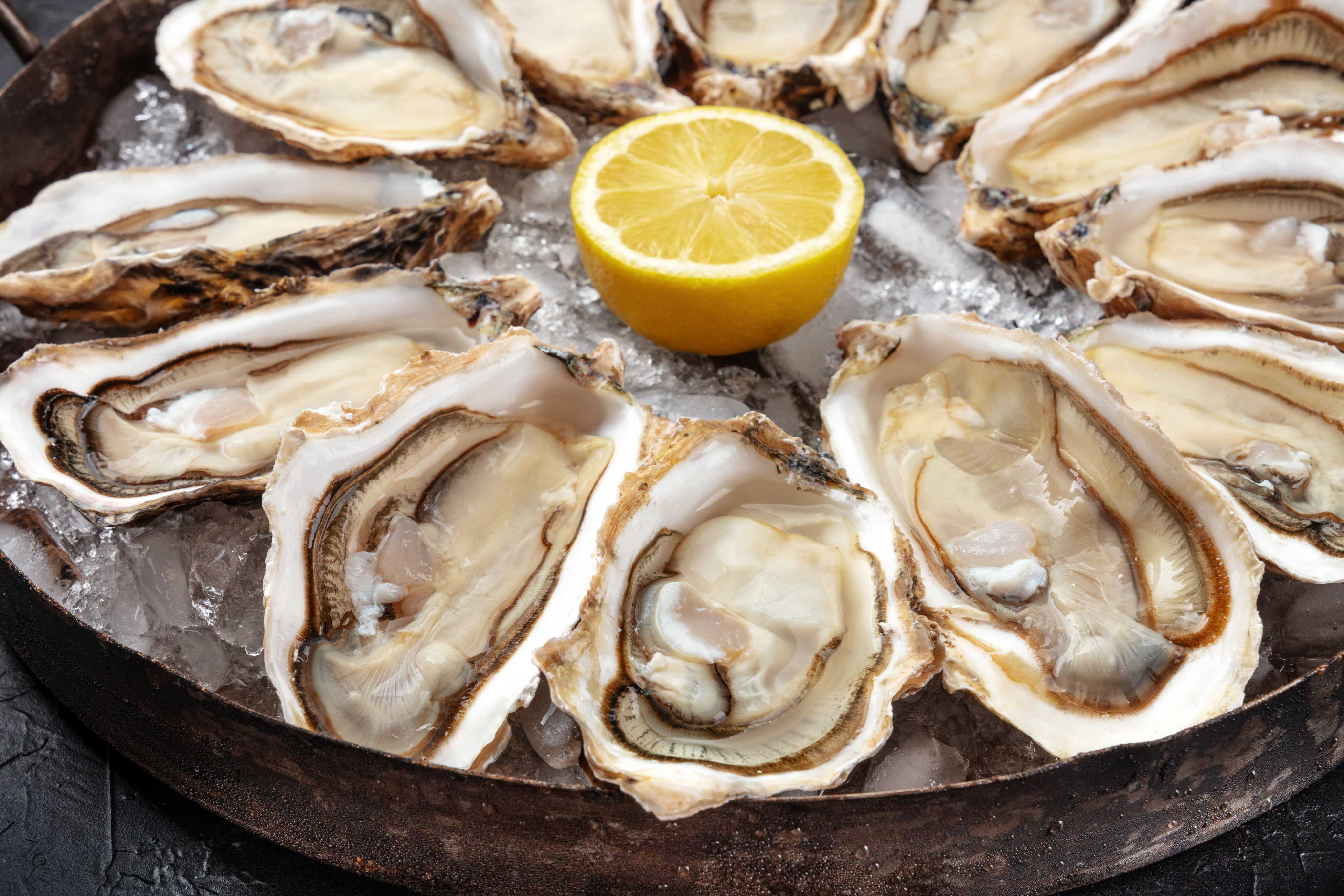
Norovirus has become a concern in Hong Kong following a series of food poisoning cases linked to raw oysters in restaurants since January.
The most recent incident occurred at the five-star Mandarin Oriental hotel. From January 18 to Monday, the Centre for Health Protection recorded 37 cases of food poisoning affecting 115 people. Among these, 33 cases involving 101 individuals were linked to norovirus.
Epidemiological findings showed that all those affected by norovirus had eaten raw oysters during the incubation period. The centre has advised the public to avoid eating raw seafood.
Authorities also ordered that the supply of raw oysters from two local companies and a South Korean one be suspended after the seafood was linked to 22 cases of suspected food poisoning.
The South China Morning Post looks into the virus, debunks myths related to consuming oysters and asks experts how best to protect oneself against it.
1. What is norovirus, and should I be worried about it?
Norovirus is contagious and can be spread via contaminated water, food and hand-to-mouth transmission, said Lam Wing-wo, a family doctor based in Hong Kong. Sewage leakage or drainage problems could be factors that contaminate water sources.
It was quite a “common” virus with a higher survival rate in winter and died easily in hot temperatures, noted Terence Lau Lok-ting, chairman of the Food Safety Consortium and interim chief innovation officer at Baptist University.
Symptoms include nausea, vomiting, diarrhoea, abdominal pain, low-grade fever and malaise. They are usually self-limiting, and most people recover within one to three days, according to the Centre for Health Protection of the Department of Health.
2. Why are raw oysters more prone to being contaminated?
Oysters are a type of bivalve that are filter feeders. They primarily take in water containing plankton and microorganisms and feed on them through filtration, so any viruses present get trapped inside the oyster when water is absorbed, according to Lau.
This was also the case with other bivalve molluscs or shellfish, such as clams or mussels, but since both were typically cooked before serving, the process effectively killed any potential viruses, he said.
The misconception that oysters are particularly prone to contamination with norovirus was simply because we consumed them raw, Lau said.
Once the water source was contaminated, affected raw oysters could not be “scrubbed clean” of the virus, even when a restaurant maintained top-notch hygiene standards, so it was “not a matter of whether the hotel has one star or five stars”, he noted.
The key is whether suppliers perform quality assurance and control to maintain high-quality oyster farms and minimise risks, as food safety involves the entire supply chain and system.

3. What about other seafood?
Other types of seafood do not feed as bivalves do, so they were not as prone to contamination, according to Lau. Fish, for instance, do not suck in large amounts of water and filter it like bivalve molluscs do.
Lau said it was important to find reliable restaurants with proper quality assurance to minimise risks while balancing food safety with enjoyment.
4. How can oysters be eaten safely?
Eating fully cooked oysters was the safest way to enjoy the seafood as it minimised the risk of contracting norovirus, Lam said.
The best way to completely kill the virus in oysters was to cook them in boiling water at 100 degrees Celsius (212 Fahrenheit) for at least one minute or at 75 degrees Celsius for at least five minutes to ensure safety, he said.
Lam cautioned against deep-fried or charcoal-grilled oysters, which may be cooked at 100 degrees Celsius on the exterior while their core gut matter remains undercooked.
Unlike beef, which changes colour when fully cooked, oysters have a thick texture, making it difficult to ensure heat penetrates evenly to the centre.
Even if the outer layer appeared golden and crispy, the interior could still remain undercooked, with norovirus intact and they therefore would be unsafe to consume, Lam said.
5. What myths are associated with eating oysters?
Many believe that the fresher the oyster, the less likely it is to be contaminated.
However, there were no visual indicators that revealed whether an oyster was contaminated, Lam said. It depended on whether the source or oyster farm had been compromised.
He added that another myth was that the virus could be killed by pairing oysters with alcoholic drinks, squeezed lemon juice or wasabi.
He also said that, unlike Covid-19 or the flu, norovirus is resistant to hand sanitiser containing 75 per cent alcohol. Therefore, drinks with an alcohol content of 10 to 20 per cent would not kill the virus, making fully cooked oysters the safest option.