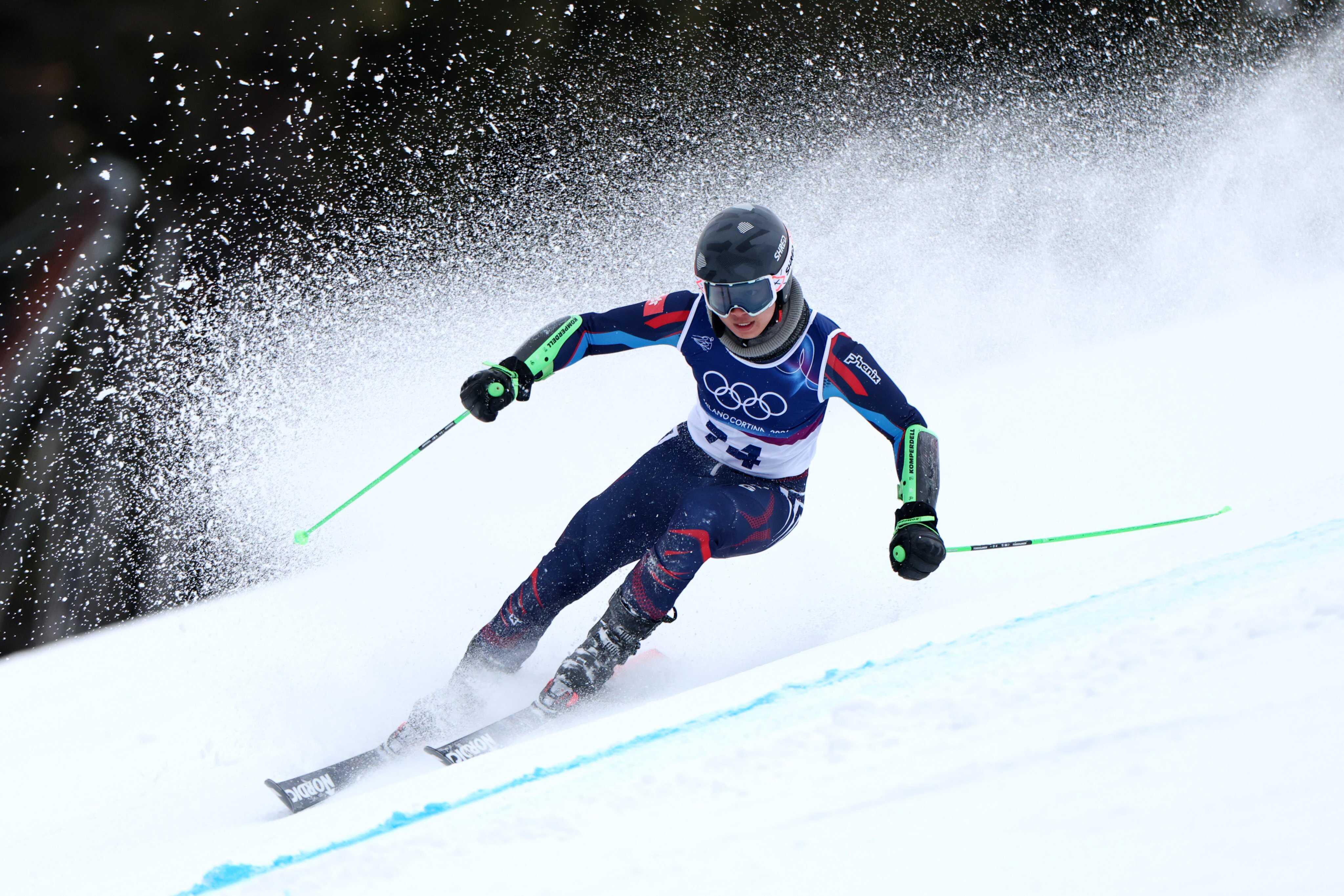
Standing at the starting line of a race at the Milano Cortina 2026 Winter Games, Hong Kong alpine skier Adrian Yung Hau-tsuen believed he might never return to compete as an Olympian again.
“Just soak it all in,” he thought to himself. “Soak in … the vibes and enjoy it.”
The 21-year-old, who was Hong Kong’s first male skier to compete at an Olympic Games, described his sport as “brutal and unforgiving”.
During the previous Olympics in Beijing, Yung did not finish his races, which made last month’s Games all the more memorable.
This year, he successfully completed the giant slalom race – the technical event often considered the toughest in alpine skiing. More than half of Yung’s competitors did not finish the first run.
The giant slalom and slalom skiing categories both comprise two rounds. The winner is determined by the fastest combined time.
“If you DNF [Did Not Finish] or get disqualified on your first run … that’s you out for the whole entire race,” Yung explained. “You really do need two perfect runs.”
At this year’s Winter Games, Yung finished in 68th place for the giant slalom category.
In the slalom skiing category, however, he made a mistake during the first run and failed to qualify for the second round.
As the youngest two-time Winter Olympian from a city far from snowy slopes, Yung said he did not think much of the title before the latest Games. He said he was focused on the job at hand: completing his events.
After the Milano Cortina Games, Yung spoke with Young Post Club, reflecting on the honour’s significance.
“It definitely means a lot to me. It’s evidence of my own hard work, tenacity and grit,” he said.
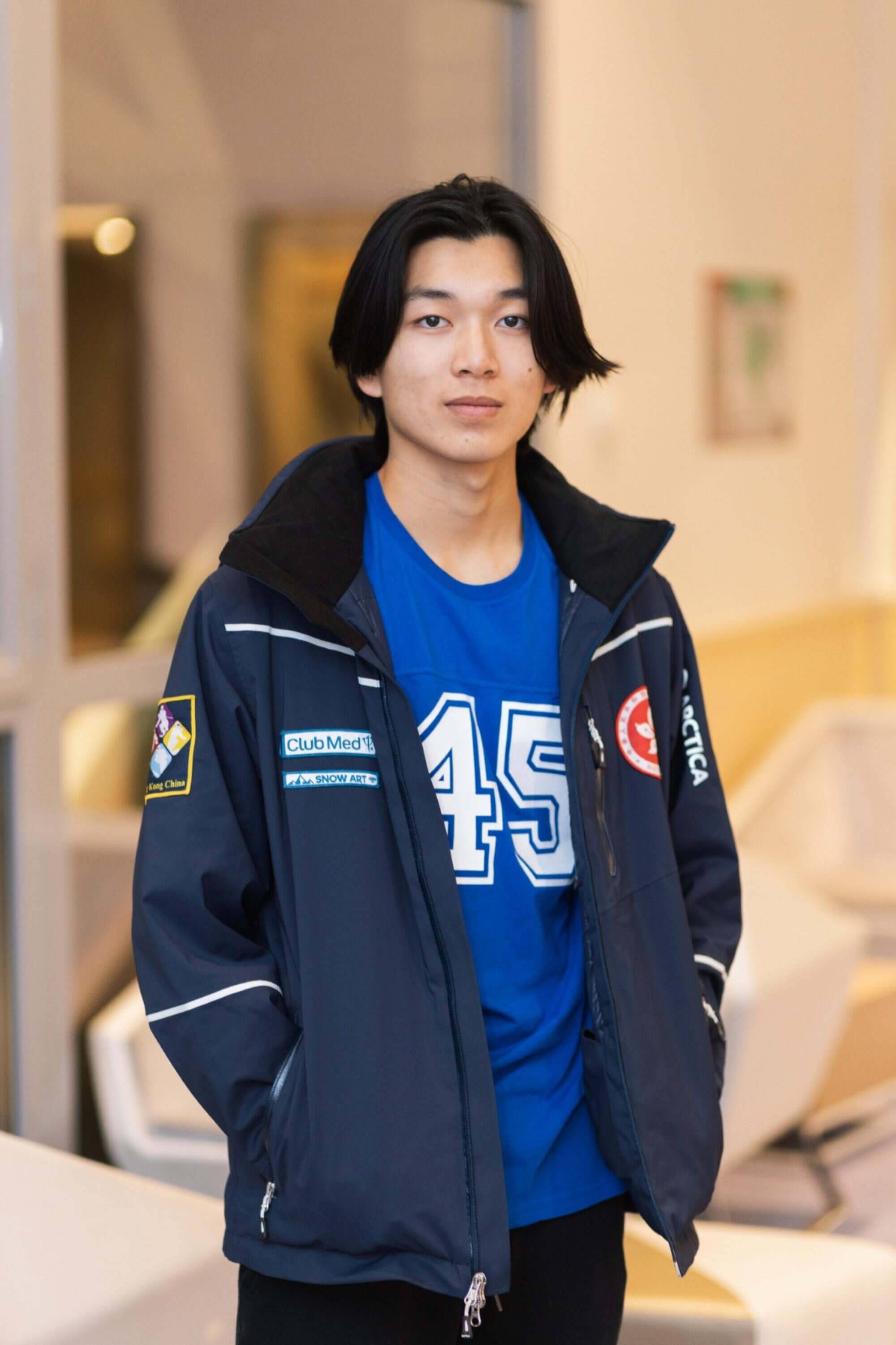
A long and lonely walk
After failing to finish his race in Beijing, Yung described walking back to the room where competitors prepare for their events.
“Not only is it a long walk but also a very lonely one,” he said. “You have so many thoughts rushing through your head. Time just moves super slow in that moment.”
He used the time to reflect on his performance, replaying the event in his head.
“At the end of the day, you’re the only one to blame for the DNF. One of the beautiful but also simultaneously painful things about sports is that results don’t lie,” he said. “When you put your everything into one thing, just for it to fall short … it does feel like your heart gets torn out.”
After this upset, Yung said he took a step back to acknowledge his mistakes. But he refused to let it consume him and dived back into training.
He said this drive is natural for many athletes. “When you lose that fighting spirit, you retire,” he said.
Yung, who is studying environmental science and food and nutrition at the University of Hong Kong, has managed to compete in two Olympics before he has even completed his bachelor’s degree.
His best approach is to “focus on your own skiing, and then … let other people have unforced errors”.
He explained: “Your other competitors will make a mistake, and they will go out.”
His views on success have not changed since his difficult debut.
“Give your absolute best and fight until the end,” he said. “Making small improvements in your daily life so that you wake up the next day better than yesterday’s self is a win.”
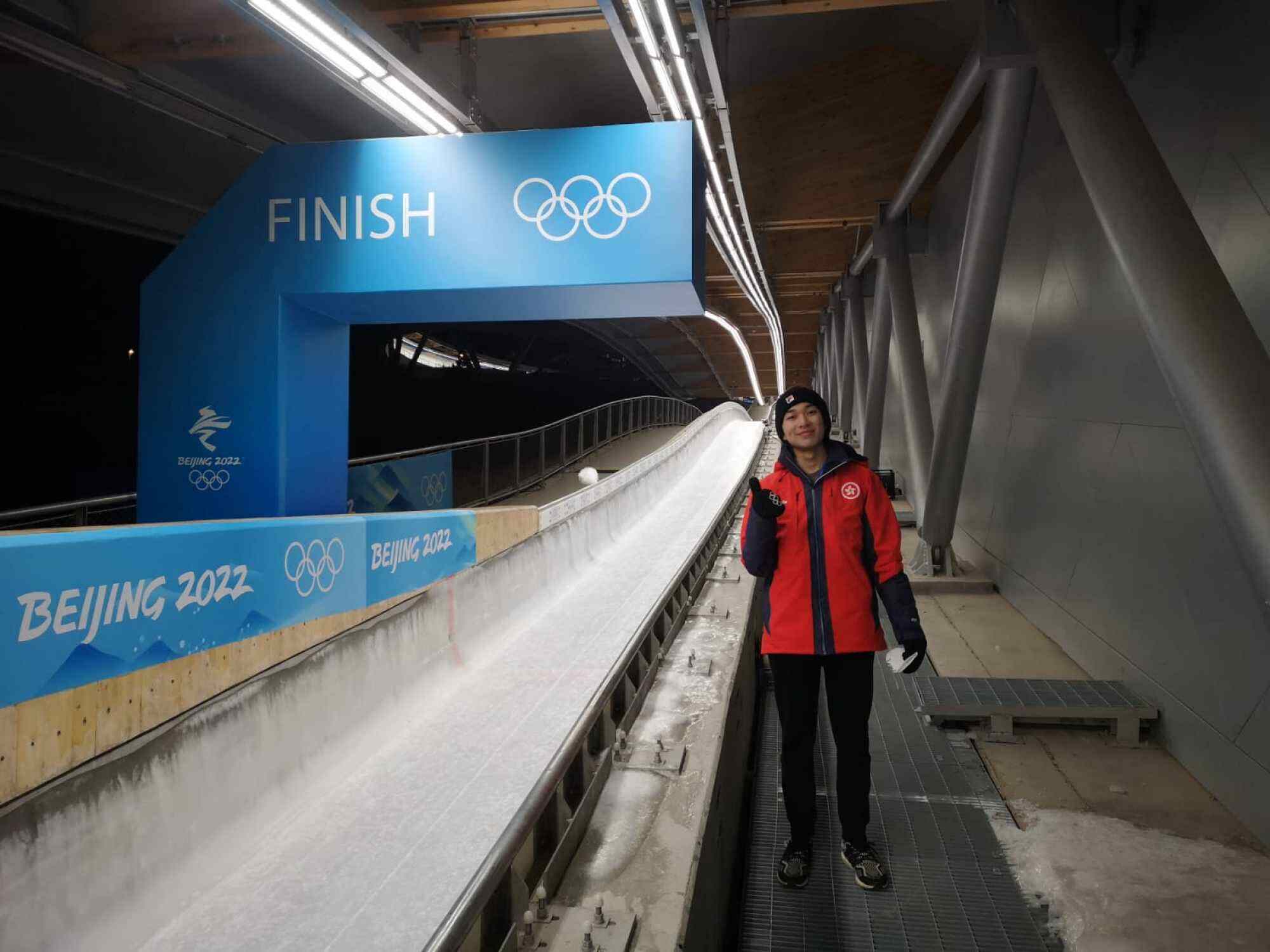
From first snow to the Olympics
Yung was born in Malaysia. He lived in Hong Kong for a few years before moving to England with his family in 2010. Every school holiday, his family would drive to the snowy mountains in parts of Europe.
Skiing was a hobby at first, but when Yung was eight years old, he told his parents that he wanted to enter the world of racing.
“I enjoyed the speed and adrenaline,” he said.
At 15, with various medals in the British competition circuit under his belt, Yung decided to join the Hong Kong team and began ramping up his training to compete internationally.
When he was 16, the Olympic hopeful scored the required points in the adult races operated by the International Ski and Snowboard Federation (FIS) to qualify for his first Games.
“I didn’t really think I could qualify so fast,” he said.
But after two DNF finishes at the Beijing 2022 Winter Olympics, Yung realised he had skipped the usual ladder most skiers climb – he had headed straight to the adult league without time competing in world junior championships.
“That was a big jump in competition level. And that just rattled me quite a bit,” Yung said.
Competing so close to home also brought enormous media attention. “I think that got to me a little bit without me really knowing,” he said. “It was super nerve-racking looking at all the cameras facing me.”
If he could go back and sit down with himself at his first Olympics, what advice would he give himself? “Do it for yourself.”
He added, “Don’t worry about what everyone else expects or wants from you because it doesn’t matter what they’re thinking. Chances are, you have the highest expectations of yourself.”
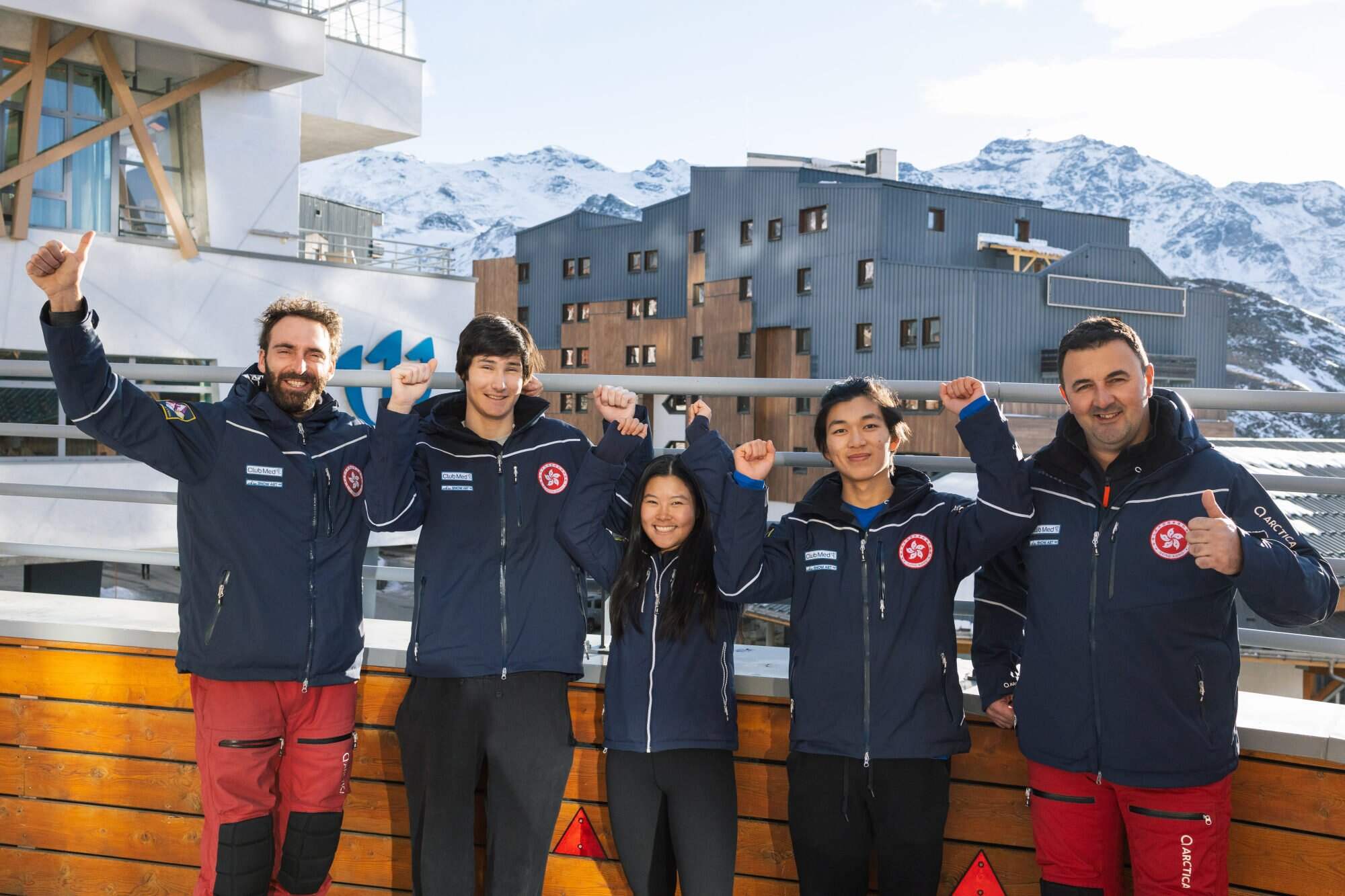
A team effort
Alpine skiing may look like a solitary sport, but Yung insists he does not feel alone. The young skier said it’s a team effort, as he is always accompanied by his coaches and teammates until he reaches the starting gate.
His biggest motivation is his family: “They’ve been with me since the start. They’ve seen the good, bad and ugly.”
To manage being an athlete, a student and a son, Yung said he carefully structures his time to balance his priorities: sports in the morning, school and tasks in the afternoon and family in the evening.
To prevent a single-minded pursuit of training, Yung said he sometimes even uses his studies as a “mental escape”.
His favourite hobby is hiking with a camera. “Spending time with friends in nature and making memories without the distractions of a phone is freeing,” he said.
Still, despite these efforts, the athlete experienced burnout and felt “a bit worthless” near the end of last season. He took a break in the summer and refused to even think about training, instead picking up old hobbies that he enjoyed.
“Eventually, I started being a more positive person again, and then I found that drive … [to] start skiing again,” he said.
To other young people facing similar challenges, Yung offered some simple advice: “Just take a moment of pause.”
It is important for them to “step back and remember what they’ve achieved [and] why they’re working hard,” he said. “Go out for some fresh air – maybe on a walk or a hike – and just stop and admire the little things in life, the world around you.”
After competing at the Milano Cortina Games, what’s next for the Hong Kong skier?
“Spending quality time with family and friends. A short break just to recharge and reset,” he said.
Additional reporting by Brian Cheng from SCMP’s Video desk