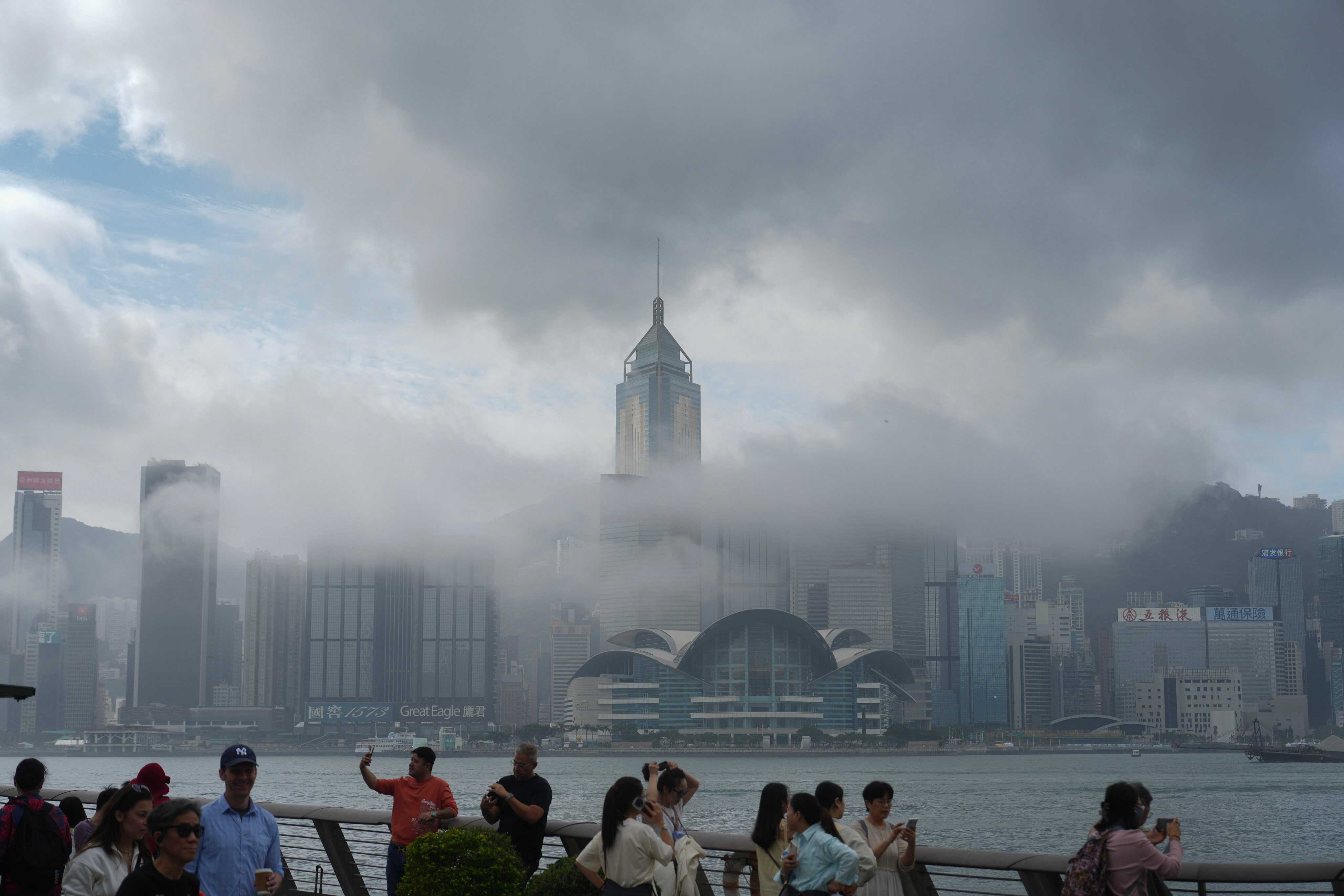
Hongkongers with chronic illnesses and elderly people should protect themselves from health problems arising from high humidity by using dehumidifiers and removing mould, a doctor and a community advocate have said, as damp conditions are expected to persist until the end of the week.
They said the public should be better informed about the health risks posed by the damp weather, cautioning that high moisture encouraged mould that could cause breathing difficulties in asthmatics, while humid and hot conditions could also trigger skin conditions and fungal infections.
As winter gives way to spring, the Observatory said a humid airstream would affect the eastern coast of mainland China’s Guangdong province over the coming days, making the weather more humid in the morning and late at night.
In the week from Thursday onwards, relative humidity will range between 65 per cent and 95 per cent, according to the forecaster.
Some parts of Hong Kong saw relative humidity levels hit 100 per cent in the early hours on Wednesday, including at Kau Sai Chau off the coast of Sai Kung.
More urban parts of the city, including Kowloon City and Wong Chuk Hang, also saw relative humidity levels creep up to 98 per cent in the early hours on Wednesday.
Humidity in Hong Kong begins to climb in March and April before peaking over the summer months alongside higher temperatures.
According to the Centre for Health Protection, exposure to extreme heat and humidity without relief or enough fluid intake can lead to various heat-related illnesses such as heatstroke, while also worsening chronic conditions such as respiratory and cardiovascular diseases.
Dr Sunny Luk Wai-leung, president of the Hong Kong Doctors Union, explained that people over the age of 70, especially those with chronic conditions such as asthma, were particularly at risk.
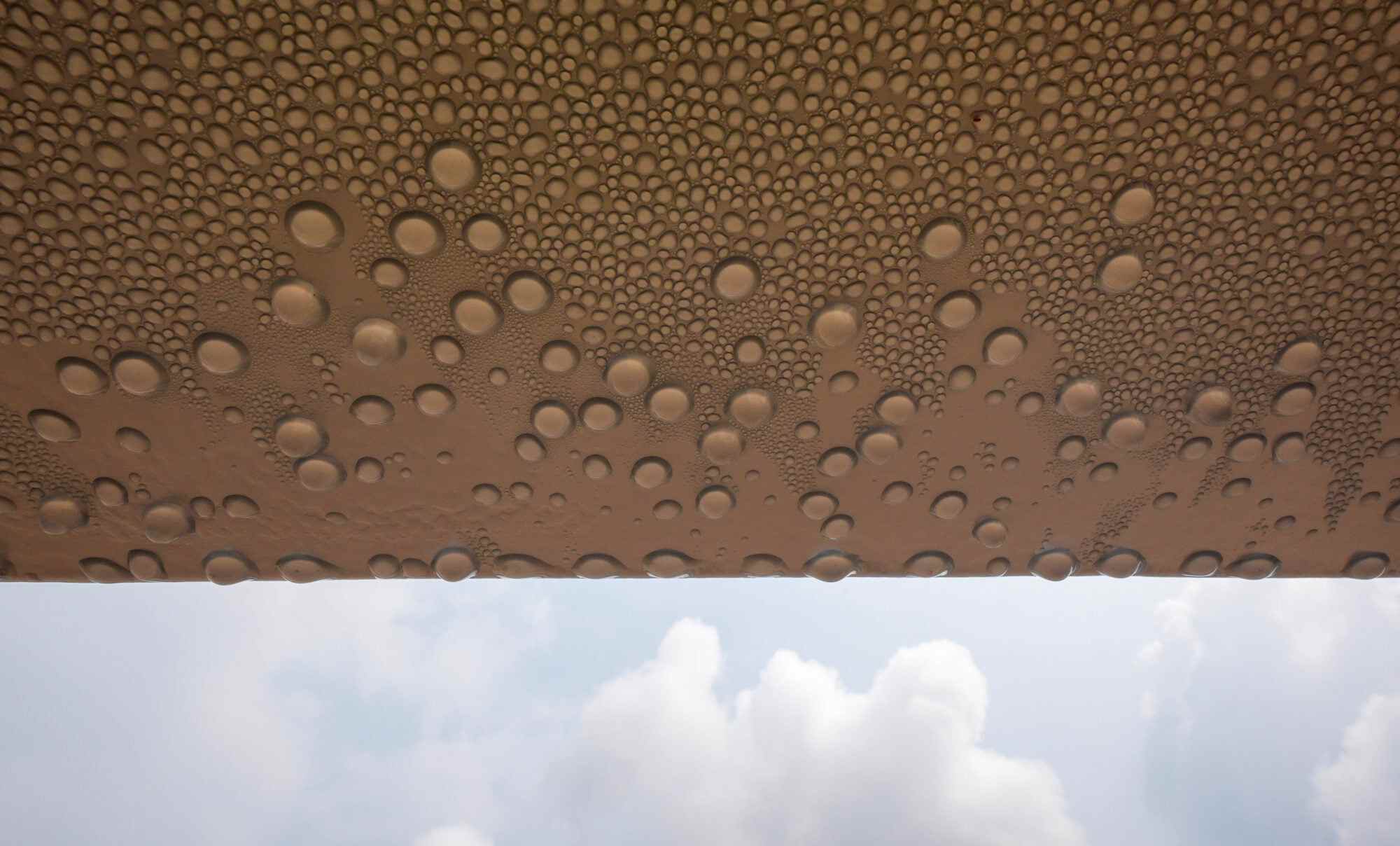
Aside from higher temperatures, which could lead to heatstroke, humidity could also promote mould growth, Luk said. He warned that the spores could trigger breathing problems for people with asthma.
The moist, hot weather could also trigger skin conditions and fungal infections, he added.
Luk advised people to use a dehumidifier at home and keep their air conditioners running to maintain an ambient temperature of about 23 degrees Celsius (73.4 Fahrenheit).
“For the elderly, that [temperature] would be more comfortable,” he said.
For low-income residents who could not afford air conditioning, he suggested they use at least a fan to lower temperatures. They should also make use of government shelters when the heat increased, he said.
At-risk residents needed to drink plenty of water and avoid going outside during peak heat hours, such as between 11am and 1pm, he said.
Overall, Luk said he did not think doctors or the government had provided enough advice on how at-risk residents should protect themselves from humidity, and he hoped more could be done at places such as care centres for the elderly.
Sze Lai-shan, the deputy director of the Society for Community Organisation, echoed the concerns, saying people living in low-income housing did not know enough about how humidity could affect their health.
Humidity could cause mould build-up in walls and ceilings, particularly in older buildings with subdivided flats, which could lead to respiratory and other health problems, she said.
She added that many low-income residents did not know how to negotiate with their landlord to properly address the matter either.
“Actually, we see some of these people, their health is deteriorating because their living conditions are very poor,” she said.
As many people living in subdivided flats could not afford to use air conditioners, she urged the public to donate fans or dehumidifiers.
Sze also called on the government to speed up the development of transitional and light public housing, which would not have the same problems as older buildings.