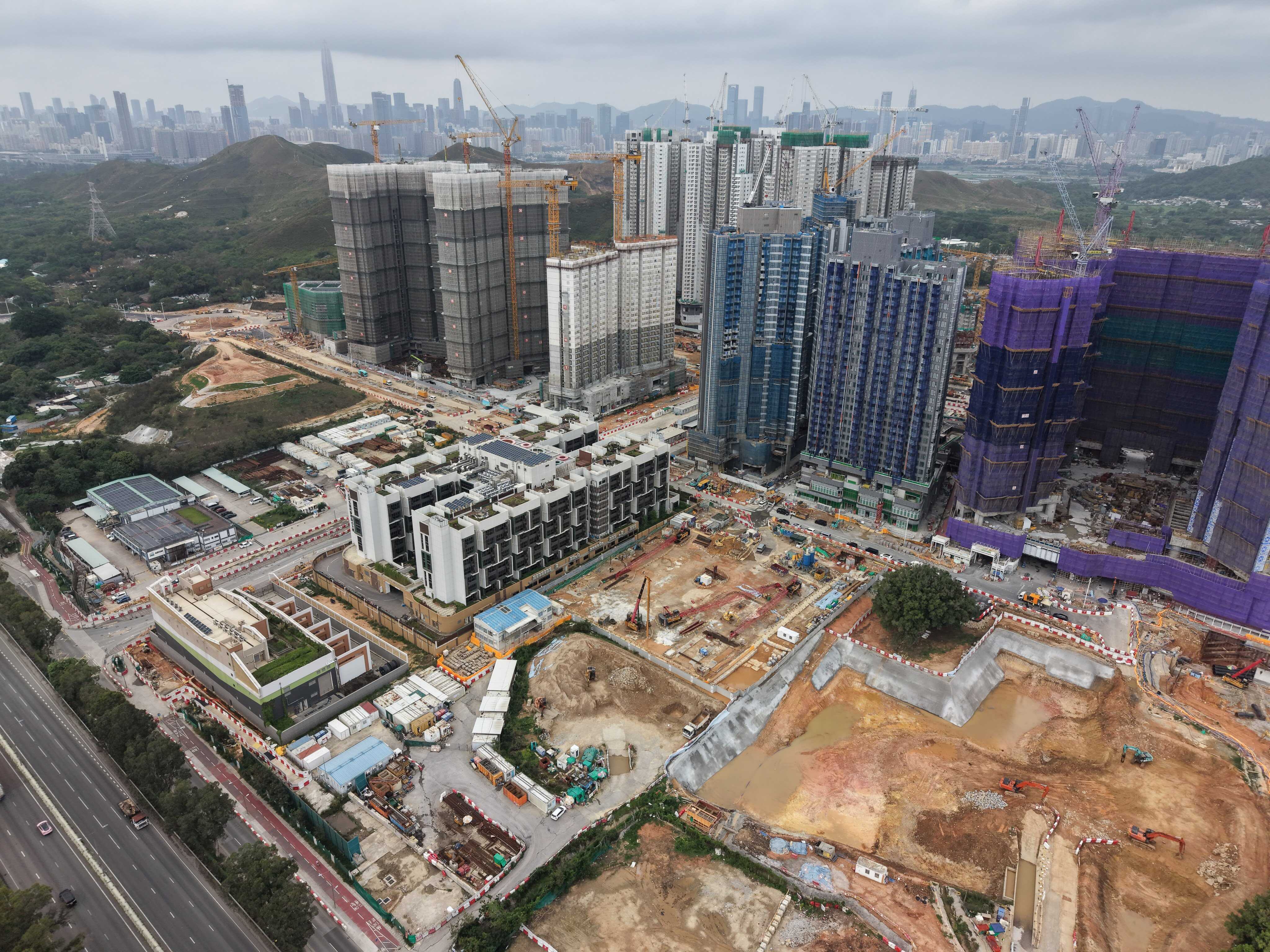
Hong Kong is set to build a world-class fencing hall and a stand-alone swimming pool complex as part of its Northern Metropolis megaproject. This decision aims to address the significant shortage of professional training venues in the region.
According to a report by the Leisure and Cultural Services Department to the North District Council, the government has revised its plans for Kwu Tung North.
The previous proposal for a multipurpose sports hall will be replaced by a large-scale venue specifically designed for fencing. This new facility will be suitable for hosting major international competitions and will serve as a professional training base. The swimming pool will also be built as a stand-alone facility to meet international specifications.
The site is a 10-minute walk from the future Kwu Tung MTR station, which is expected to open in 2027. The pool will have an estimated capacity of 7,000 to 8,000 seats. Both facilities are slated for completion in 2030 or 2031.
Wong Tsan, principal of the Hong Kong Fencing School, said developing a permanent training venue is a crucial first step.
“The training classes held by the Fencing Association [of Hong Kong, China] in public sports halls are restricted to only a few districts, and they operate on a ‘morning install, evening dismantle’ basis,” Wong told a radio programme.
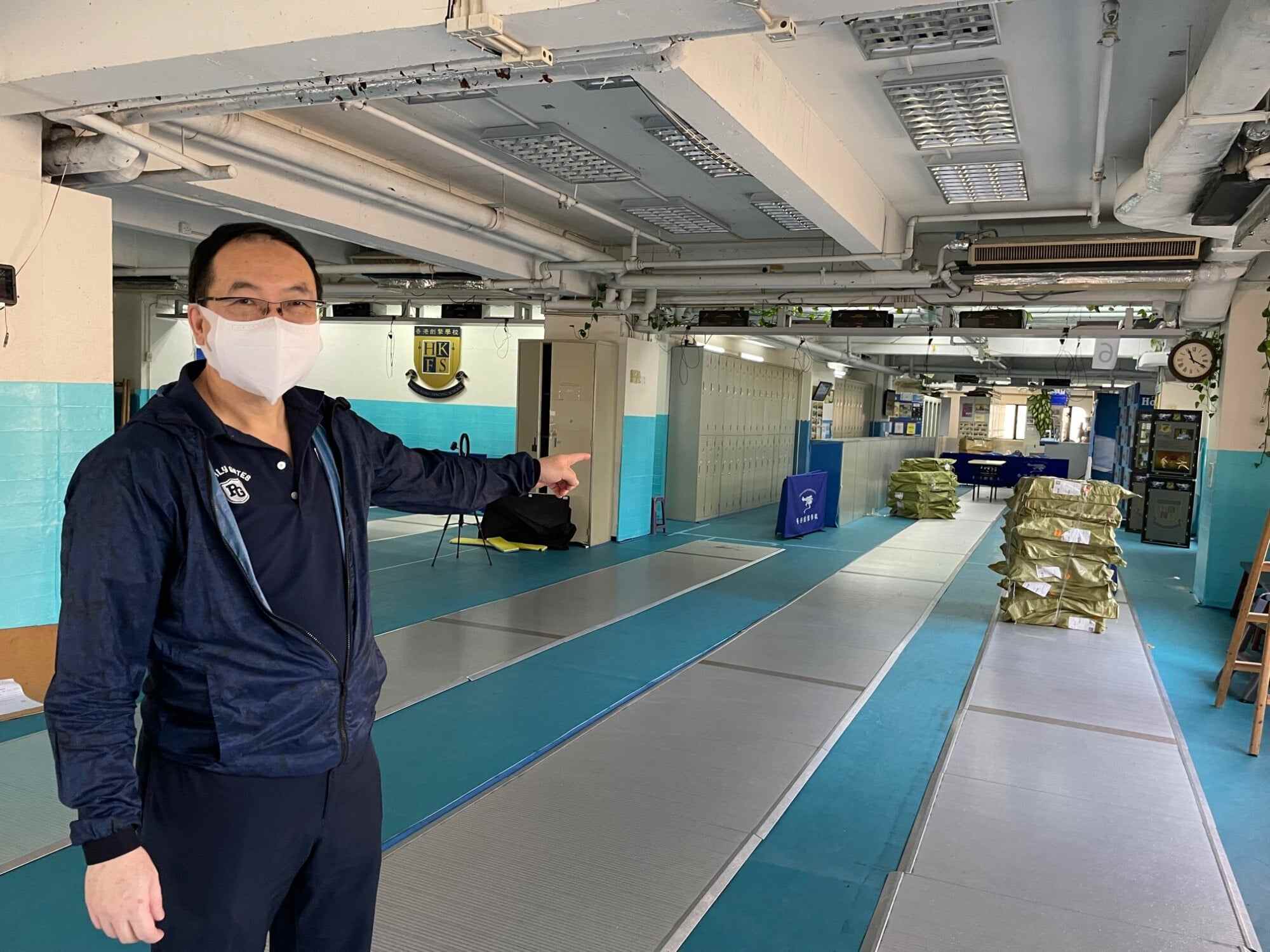
“Many of our current training sites also heavily rely on privately run clubs. If we truly want to promote fencing to the wider public, relying solely on them is not enough,” he said.
Wong emphasised the need for integrated support. “If the government intends for the site to [also] function as a citywide training centre for youth or second-tier athletes, providing on-site accommodation and support services is essential,” he said.
“In addition, elite athletes require four to five days of training a week, so there must be facilities that help cut their travelling and allow them to focus more on their training instead.”
Professor Patrick Lau Wing-chung, head of Baptist University’s department of sport, physical education and health, echoed these concerns, urging the government to establish a “one-stop” training and recovery centre.
“We should exploit the space for good urban design in the Northern Metropolis and gradually shift the focus of sports science as a whole towards that area,” Lau said, stressing the benefits of integrated design rather than “’plug-in’ venues scattered here and there”.
He noted that Hong Kong ranks 50th among global sports cities: “Hosting large-scale sports competitions is necessary to attract more athletes and drive local sports science and economic benefits. For a venue to attract international-standard events, it must meet specific technical requirements,” he said. He added that warm-up areas and injury treatment facilities should be included in the building’s design.
Former financial secretary John Tsang Chun-wah, now a secondary school fencing coach, noted that tight venue availability had stretched inter-school tournaments from a few hours to as long as four days in recent years.
“Having a place is certainly better than not having one, but fencing does not necessarily require an entire building. What is more important is whether it is convenient,” Tsang said.
Lawmaker Yiu Ming said the facilities could become a new landmark, which was important for putting Kwu Tung North on the map, “whether for business exchange or for tourists visiting Hong Kong”.