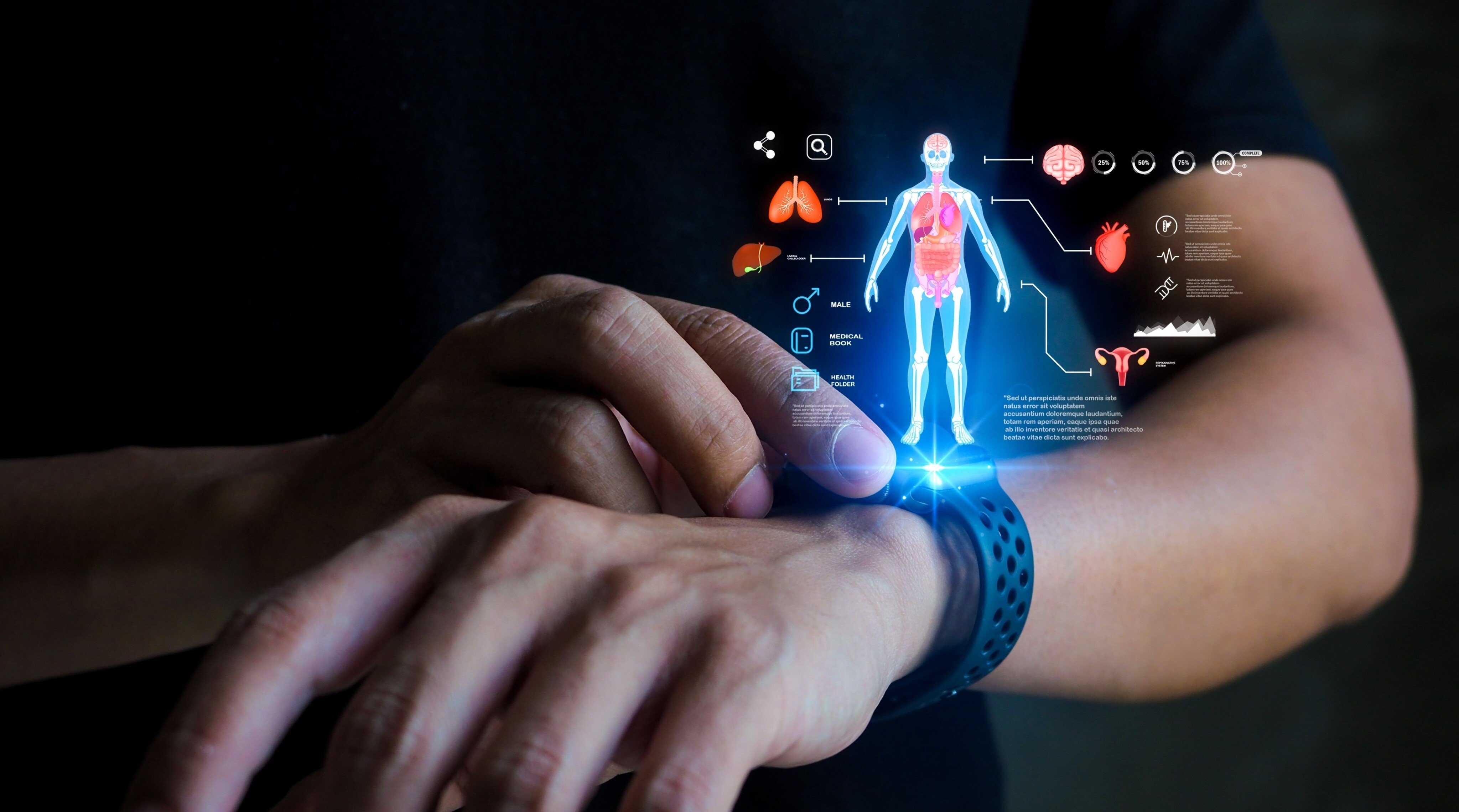
Imagine if your shoes could tell you how to run faster and safer or if patches on your skin could warn you before you overheat. That is the kind of innovative wearable technology athletes are using to enhance their performance.
Wearable technology turns an athlete’s body into a source of live data. These devices can track hidden body signals and transform them into useful information. The instant feedback allows athletes to adjust their training routine, prevent overheating and reduce the risk of injury. Coaches can also have a clearer picture of an athlete’s condition and modify training strategies accordingly.
How do wearable devices work?
These devices function by picking up signals directly from the body and transmitting them for analysis.
For example, a heart rate strap can be worn around the chest to monitor heart rate fluctuations and determine if a person is exercising at the most effective intensity.
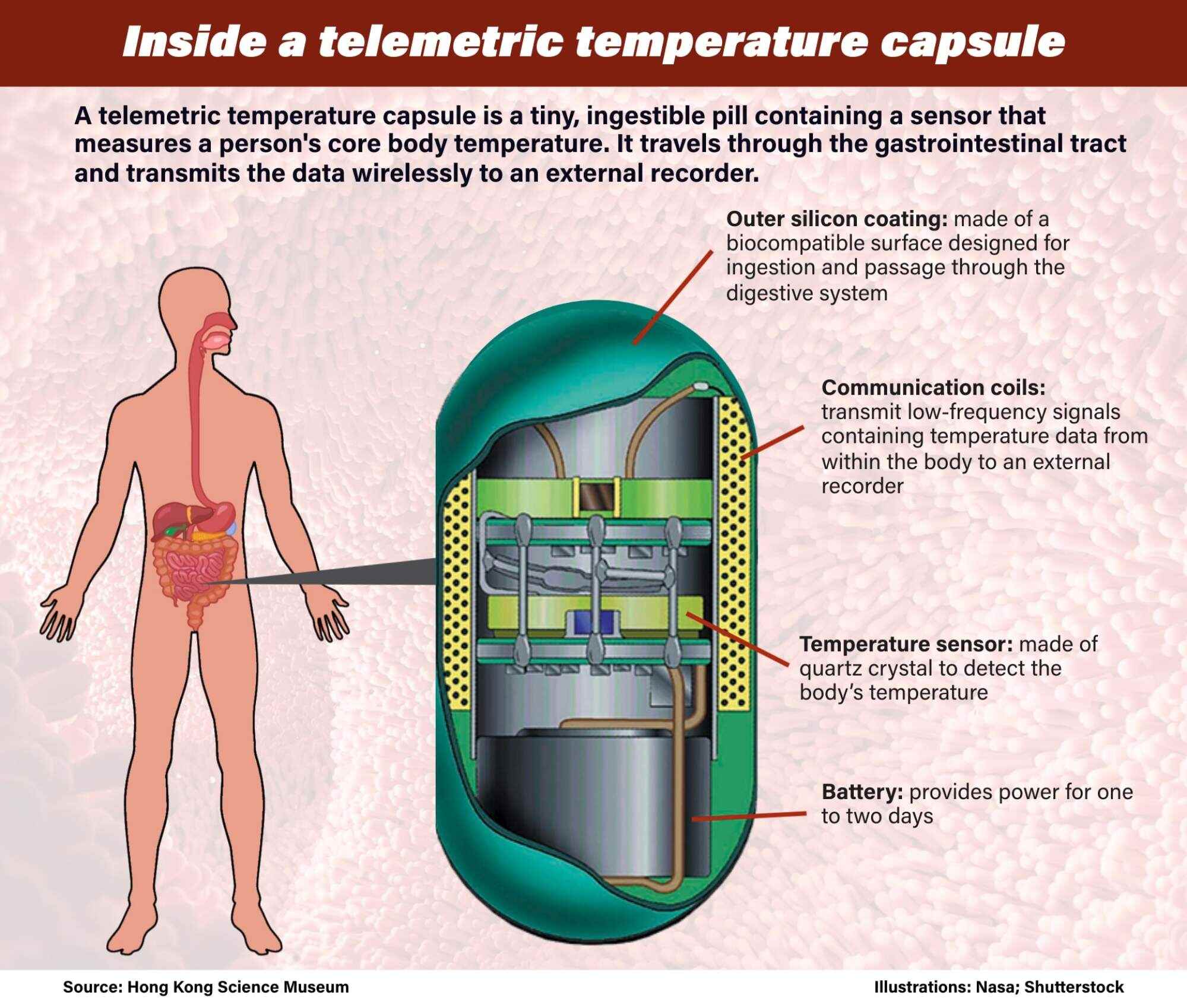
To track changes in skin temperature, patches can be applied to various parts of the body. For data on core body temperature, an athlete can ingest a telemetric temperature capsule before exercise (see graphic).
For runners, a biomechanical sensor embedded in footwear can record metrics such as the force of impact, stride length, step frequency and angle at which the feet strike the ground. The data can be transmitted to a wearable recorder, which seamlessly syncs with a smartwatch for real-time analysis of the user’s running efficiency and technique.
For many of these functions, the smartwatch can act as a central hub, receiving and processing all sensor data to instantly display athletes’ physiological and biomechanical information. This can then be presented on a dashboard system with live updates, giving coaches immediate information about how to best guide athletes – such as when to push harder, slow down or refine their technique.
Future of technology for athletes
Looking ahead, wearable devices will continue to evolve. In the future, we can expect to see intelligent apparel with sensors that are even more compact, integrate seamlessly with devices and use AI to prevent injuries based on movement patterns.
Non-invasive methods for estimating core temperature and sport-specific wearables for swimming or contact sports are also emerging to meet unique performance demands and enhance athlete safety. Sports teams could soon have new ways to use live analytics of wearable devices to guide their in-game tactics.
For those who want to know more about sports technology, check out the Hong Kong Science Museum’s exhibition “Bank of China (Hong Kong) Presents: National Development and Achievements Series – Approaching Perfection: The Intersection of Sports and Science”.
You can find out more about how innovation can unlock human potential and push athletes beyond their limits. The exhibition ends on February 25.
Content provided by