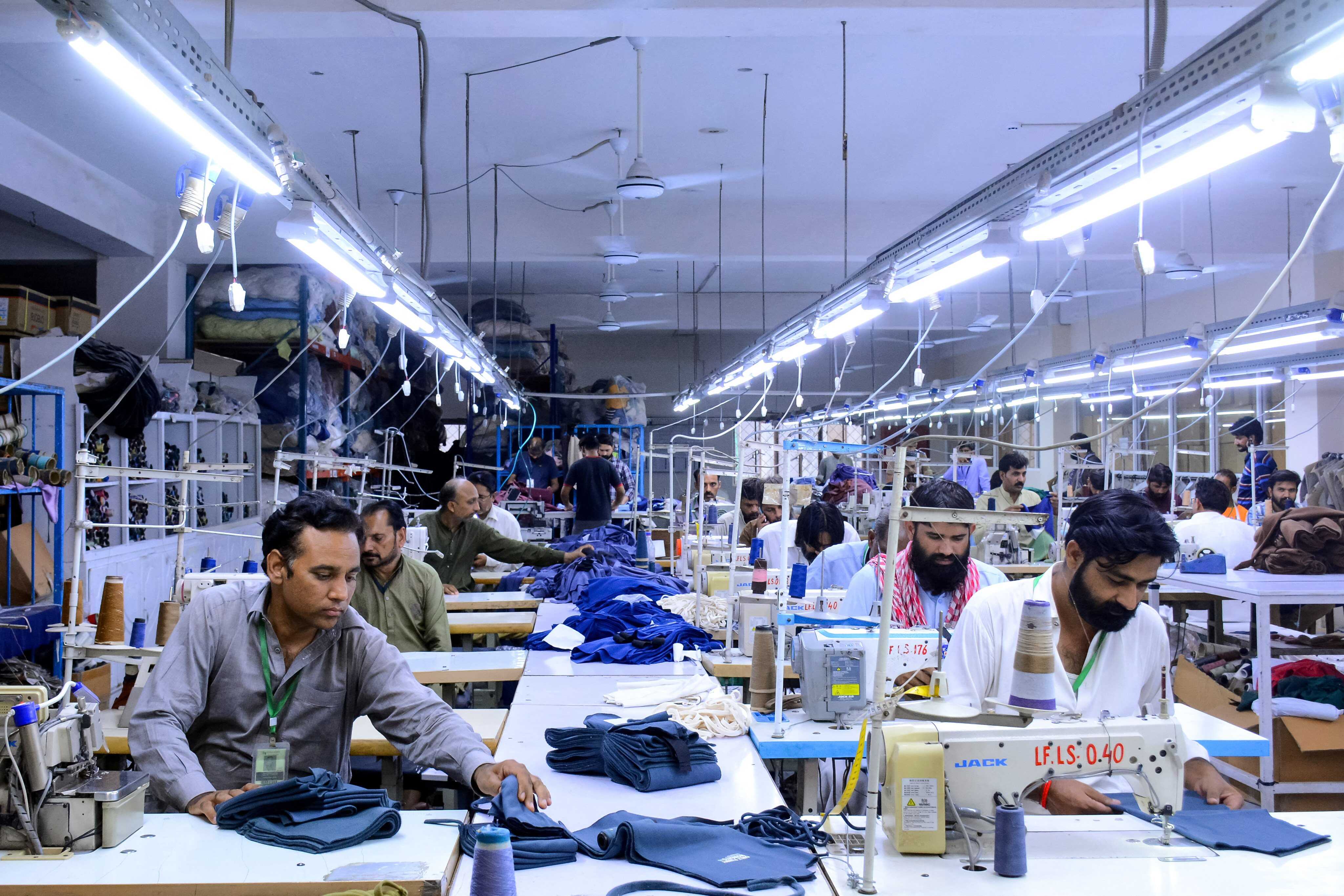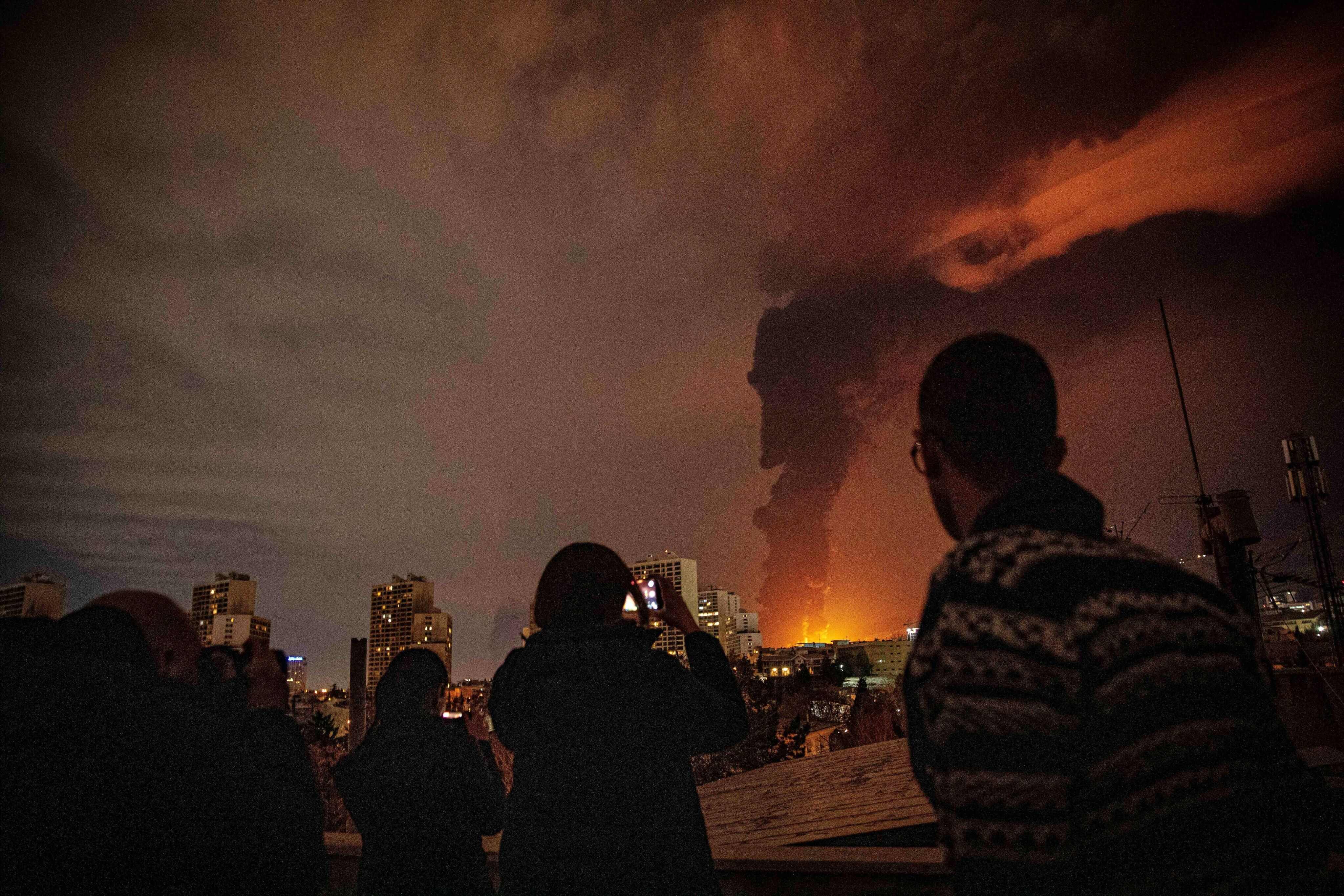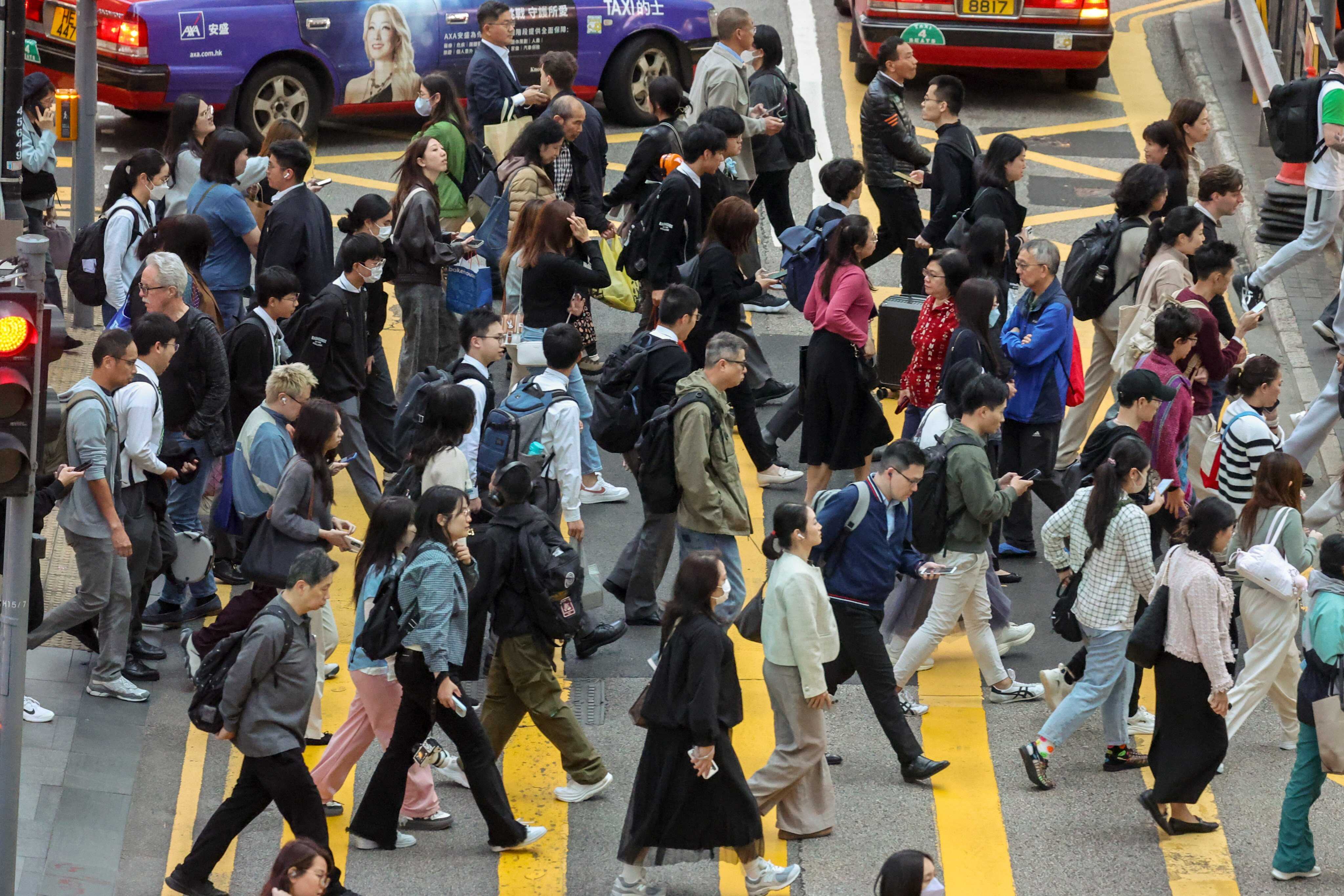
Several industries in Hong Kong are facing significant challenges due to the world’s highest petrol and diesel prices. Economists and business leaders warn that the oil crisis resulting from the conflict in the Middle East is likely to cause a wave of imported inflation. This surge in costs is expected to impact a wide range of items, including toilet paper, laundry services and asphalt.
Analysts have warned that the adverse impact on inflation will be more immediate than the effect on economic growth, with some saying the repercussions will emerge in the third and fourth quarters.
The spectre of soaring inflation could even haunt the Northern Metropolis megaproject while pushing more Hongkongers to spend across the border in mainland China, they said.
The government said last week that the impact of the situation in the Middle East on Hong Kong’s overall economy largely depended on whether the conflict continued, expanded or escalated.
Retail and wholesale lawmaker Peter Shiu Ka-fai warned that the crisis would soon trickle down to everyday consumer goods, particularly bulky items like toilet paper that were highly sensitive to transport costs, and petroleum by-products such as waterproof materials, membranes and asphalt.
“Both large and small companies have to face the increase in costs, but of course, large companies have much stronger capital and many different ways to manoeuvre, so they might not suffer as much,” Shiu said.
“Whereas for small companies, their chance to adapt is actually limited, and the likelihood of them having to just absorb the costs is a bit higher.”

In his budget released just days before the Middle East crisis unfolded in February, Financial Secretary Paul Chan Mo-po said that with the local economy continuing to expand, inflation this year was expected to be moderately higher than in 2025.
The government forecast the underlying inflation rate and the headline inflation rate this year to be 1.7 per cent and 1.8 per cent, respectively. Chan also forecast that gross domestic product (GDP) would grow by 2.5 to 3.5 per cent year on year.
Adrienne Lui, an economist at Citigroup Global Markets Asia, however, warned that continuing uncertainty would intensify inflationary pressures.
“Even with overall weak pricing power, energy-driven inflation pass-through to consumer products and services will still become more noticeable as the energy uncertainty drags on,” Lui said.
“Surcharges by logistic companies are an example, while requests for public transport fare increases can be anticipated.
Joseph Chan, associate director of the Centre for Innovation and Entrepreneurship at the University of Hong Kong, warned that higher costs would push more residents to find cheaper alternatives across the border.
Chan warned that this shift would pour “further icy water” on the city’s retail and food and drink sectors, as locals increasingly travelled to Shenzhen for dining and shopping or to Japan to capitalise on favourable exchange rates.
Despite being highly import-reliant, experts said Hong Kong was relatively shielded from the physical shortages plaguing other nations.
Both Lui and Chan noted that the city benefited from a stable supply of consumer goods, oil and natural gas from the mainland.
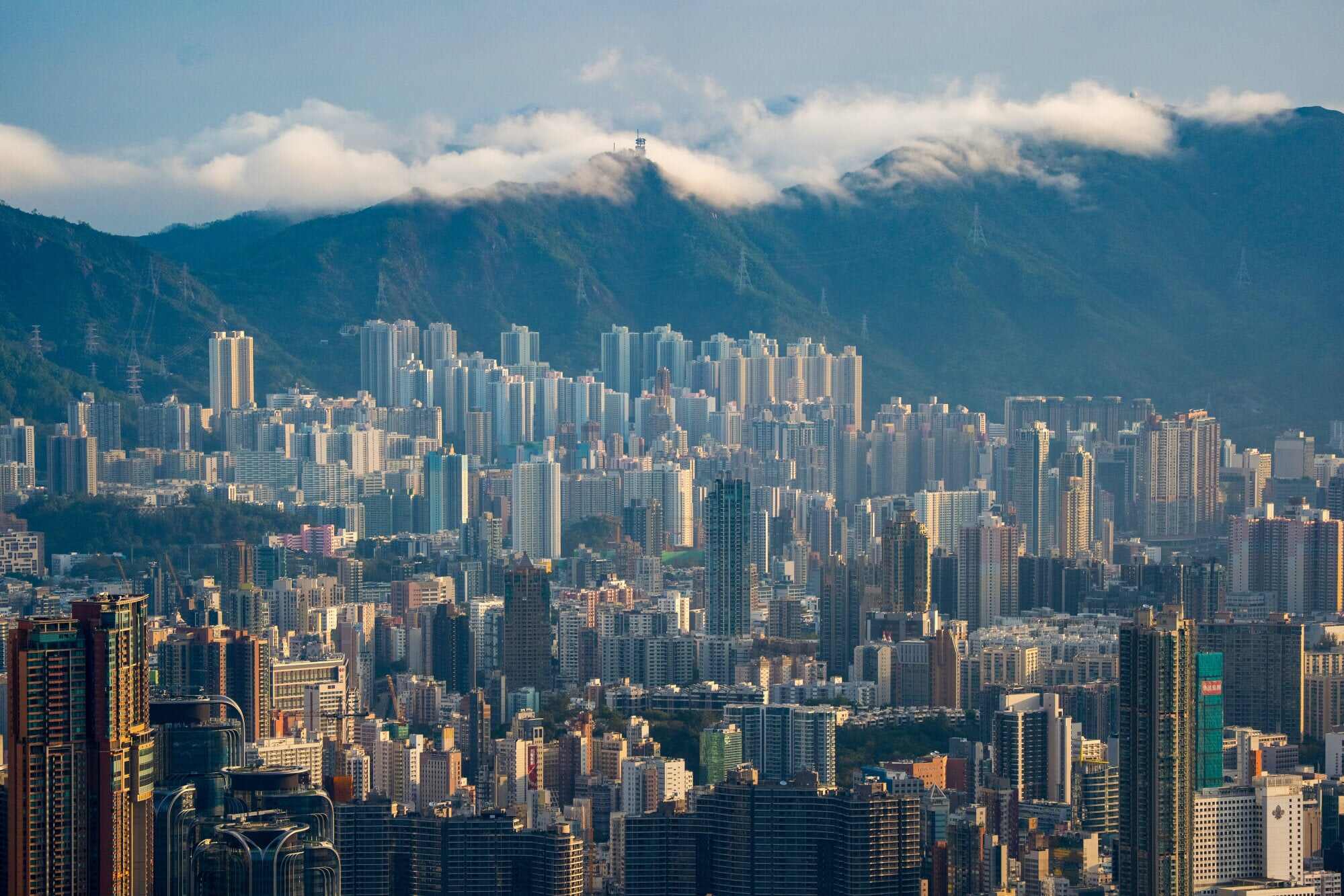
While Lui said she believed that the megaproject and the five-year plan for the Greater Bay Area were unlikely to be derailed, the crisis highlighted the need for coordinated strategic backup plans within the region.
Conversely, Chan warned that if the crisis continued, government spending would be further cut, potentially affecting the Northern Metropolis due to higher costs.
Chan suggested the massive development could instead be accelerated to capitalise on the green innovation and overseas investment boom.
The unprecedented fuel shock has served as a wake-up call for Hong Kong’s green transition.
Lui noted that, with imported liquefied natural gas used to generate 50 to 60 per cent of the city’s electricity, authorities should comprehensively review their 2035 goals for renewables to reach 7.5 to 10 per cent of the fuel mix to improve energy independence.
Chan called for a proactive local energy strategy aligned with the national framework, pushing for electric vehicle applications and sustainable aviation fuel.