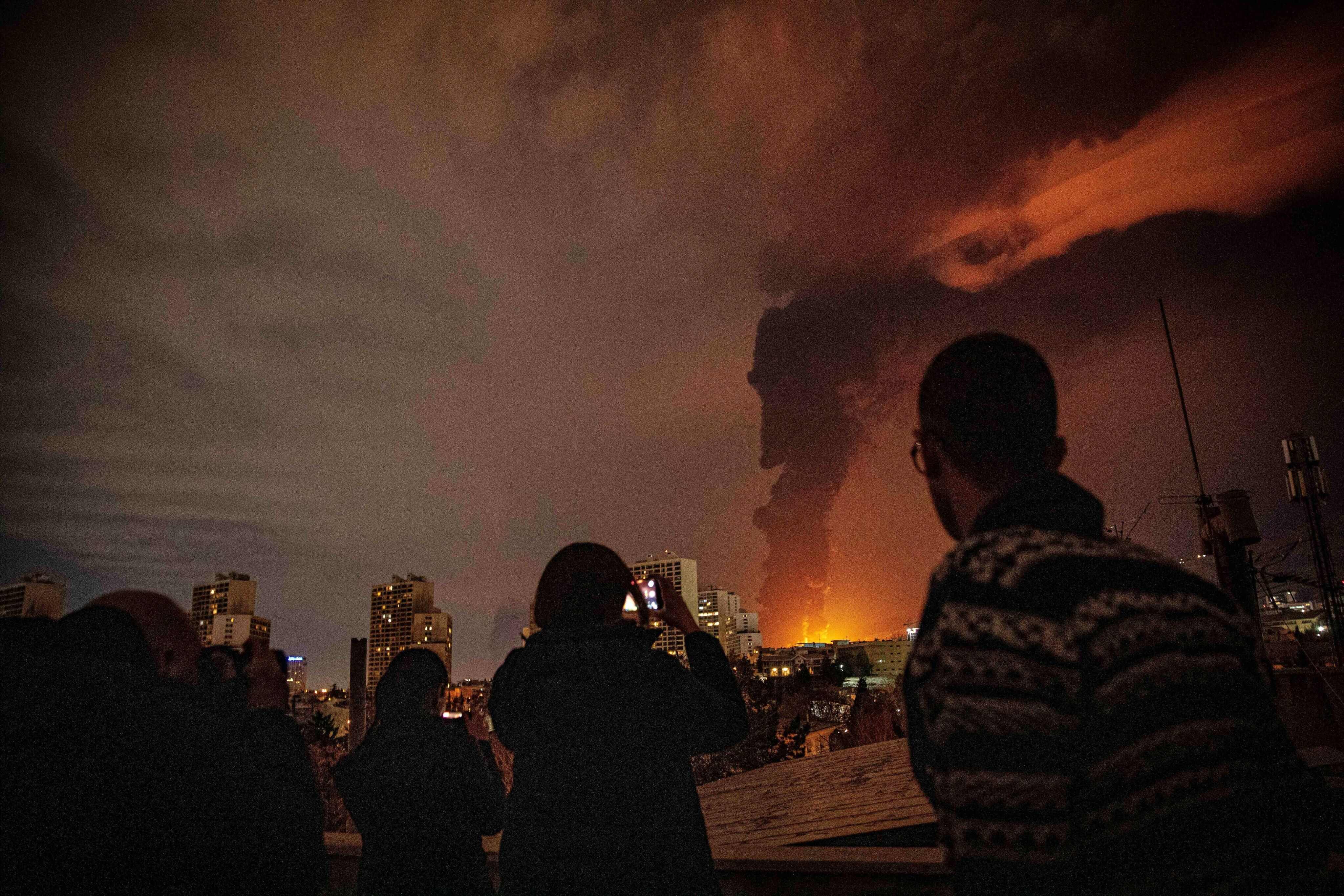
Planning to update your closet this summer? Industry insiders would advise you do it soon. By the time autumn collections hit stores, the aftershocks of the US and Israeli war on Iran may have quietly picked your pocket.
Clothing manufacturers and industry analysts are warning consumers to budget for price increases of 10 to 15 per cent as South Asia’s US$50 billion garment export industry reels from a cascade of war-driven shocks.
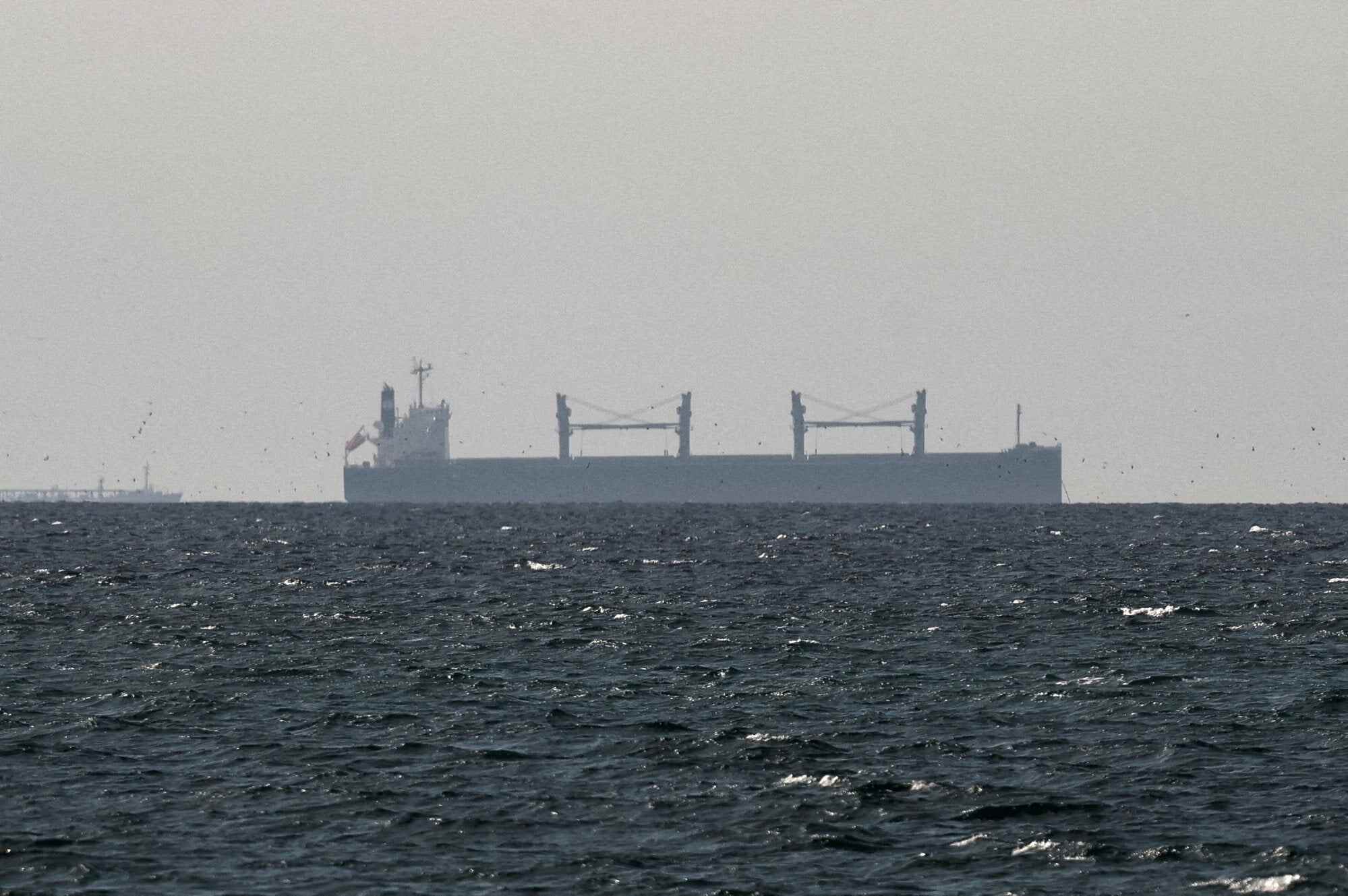
Iran’s blockade of the Strait of Hormuz – a waterway between the Persian Gulf and the Gulf of Oman that is the world’s most vital oil transit point – has choked natural gas supplies to the Indian subcontinent, sending power bills rocketing for the factories that stitch together much of what the world wears.
Meanwhile, Iranian drone and missile attacks targeting Gulf airports, Dubai’s in particular, have pushed air freight rates for fast-fashion orders up by as much as 70 per cent.
The full effect has not reached shoppers – yet.
Orders placed months ago at fixed prices mean South Asian manufacturers are currently absorbing much of the higher energy and logistics costs themselves. But that buffer is finite, and once current inventories are depleted, price rises will follow.
Before the war, Gulf petrochemical plants were South Asia’s primary source of the raw materials used to make synthetic fibres – polyester, nylon and acrylic – that nearly two-thirds of clothing manufactured worldwide contains.
Yet the subcontinent’s garment factories can no longer easily obtain the petrochemical feedstocks derived from fossil fuels like crude oil and natural gas that go into creating these man-made materials.
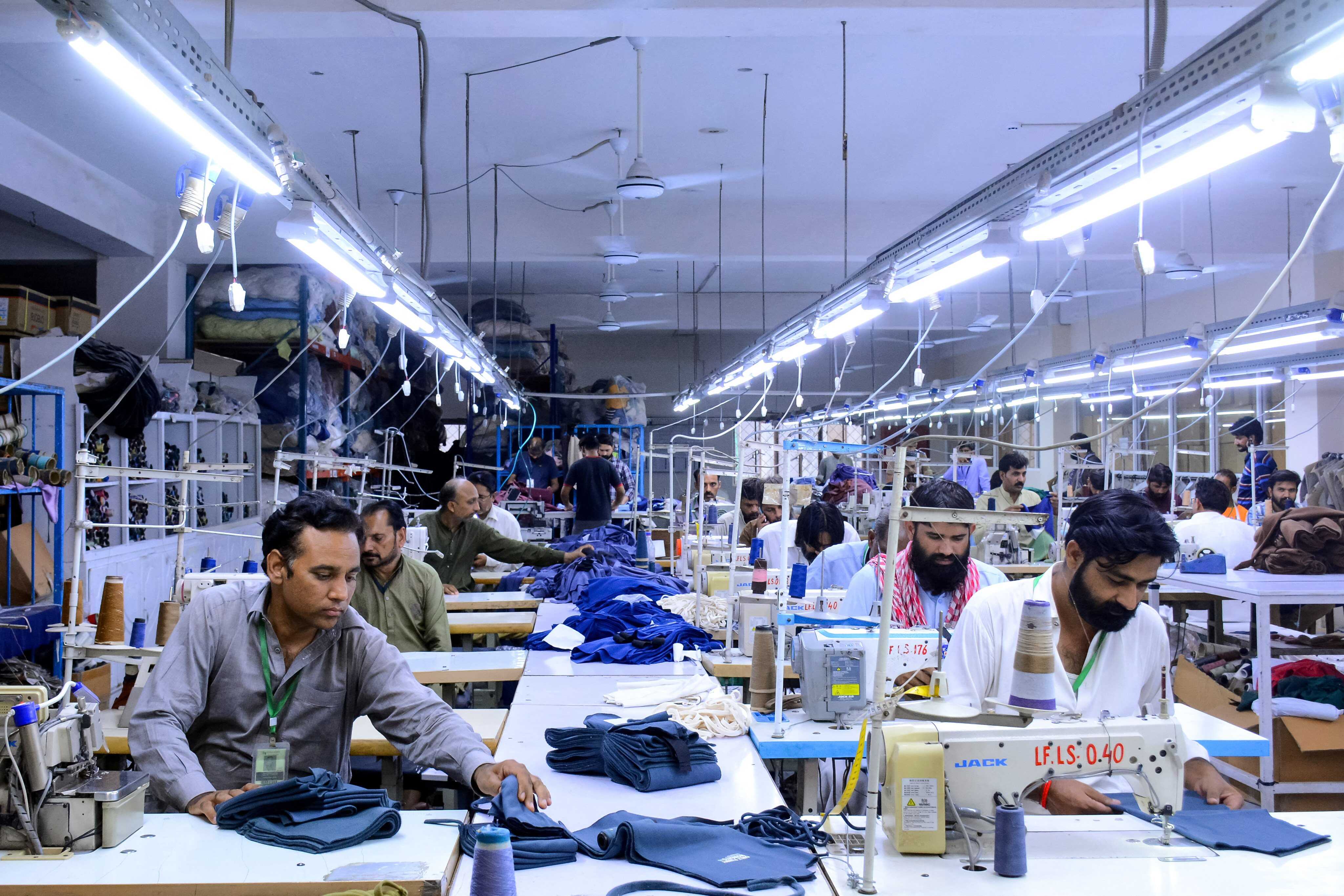
Lahore-based manufacturer Cotton Web, which produces some 1.2 million garments a year for Western brands, has protections against swings in yarn and fabric costs. But rising utility and transport bills are a different matter entirely.
“Not only do we fear loss of [profit] margin on the already placed orders for autumn-winter, [but] this will put us in a difficult position as compared [with] other regional peers with more stable logistics for next season,” said company CEO Waseem Akhtar Khan, a former chairman of the Pakistan Readymade Garments Manufacturers and Exporters Association.
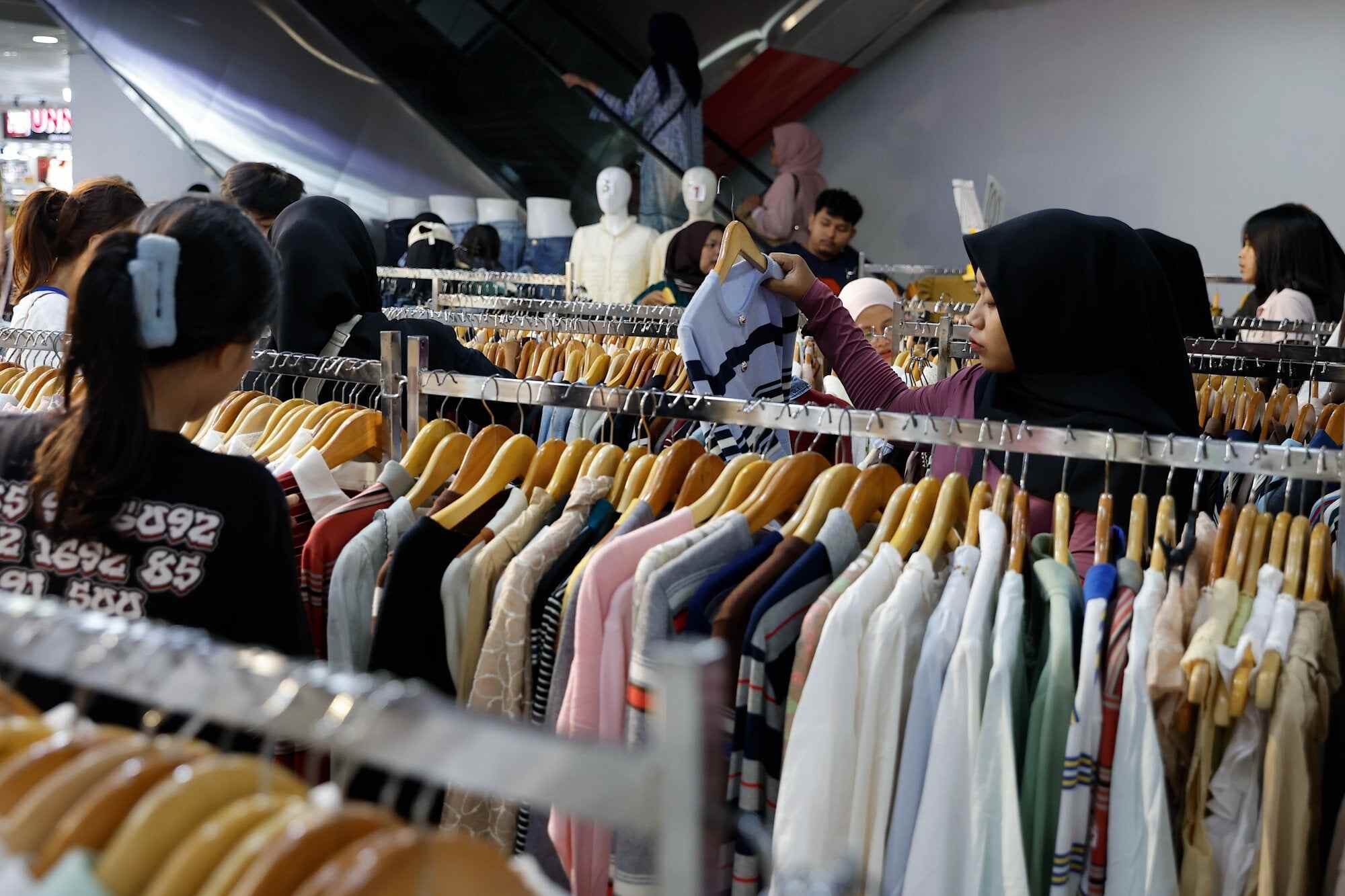
How much of the increased costs are passed on to customers, and how quickly, depends largely on where a brand sits in the market.
Budget and mid-price labels tended to hold the line until inventories run out, then reprice. Premium brands were more likely to absorb “some portion” of the increase to protect customer loyalty, Khan said.
Either way, he agrees with analysts’ forecasts: expect clothing prices to be as much as 15 per cent higher by the end of the summer if the conflict persists.
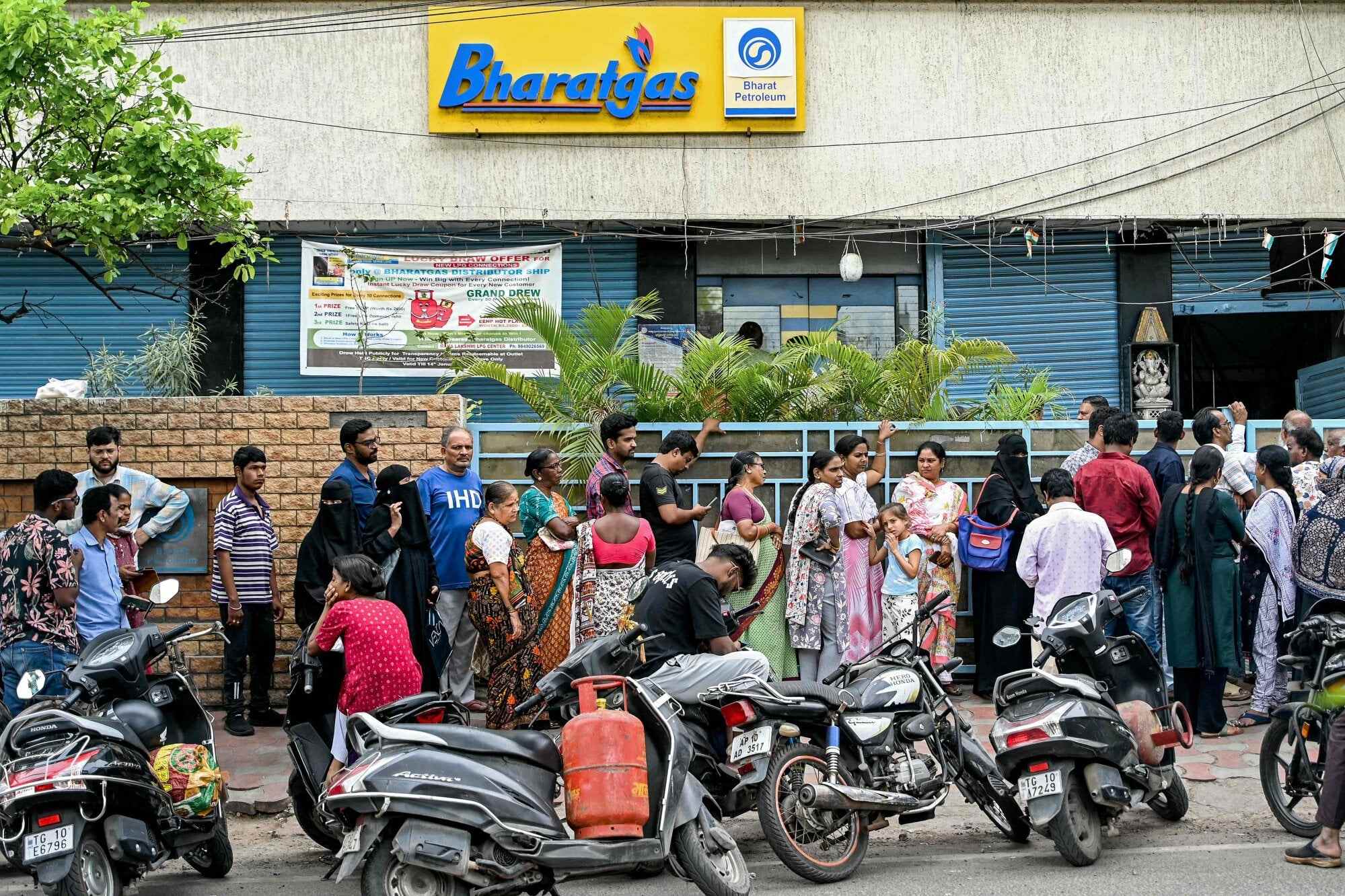
Over in the United States, the world’s largest consumer market, Julia K. Hughes, president of the US Fashion Industry Association, said most companies offered the same answer when asked about the war’s impact on their business: “I don’t know.”
American retailers are not yet reporting shipping delays – most US-bound apparel avoids the disrupted Gulf routes – but Hughes expects the effects to be felt within weeks if disruptions continue.
“Everyone expects price rises,” she said.
According to Jakir Ahmed, an analyst with industrial data firm IBISWorld, South Asian textile suppliers face a “sharp profit squeeze” because orders are fixed months in advance, leaving little room to pass higher energy and fibre costs on to buyers.
The immediate effect is a damaging trifecta: unsold stock building up, delayed payments and freight costs piling on top of already elevated production expenses.
Larger suppliers can negotiate their way through the crisis, accepting thinner margins or prioritising their most valuable clients. Smaller ones, however, have far fewer options.
With limited cash reserves and weaker bargaining power, small suppliers risked fulfilling orders at a loss or losing future business altogether if delays led to cancellations, Ahmed said.
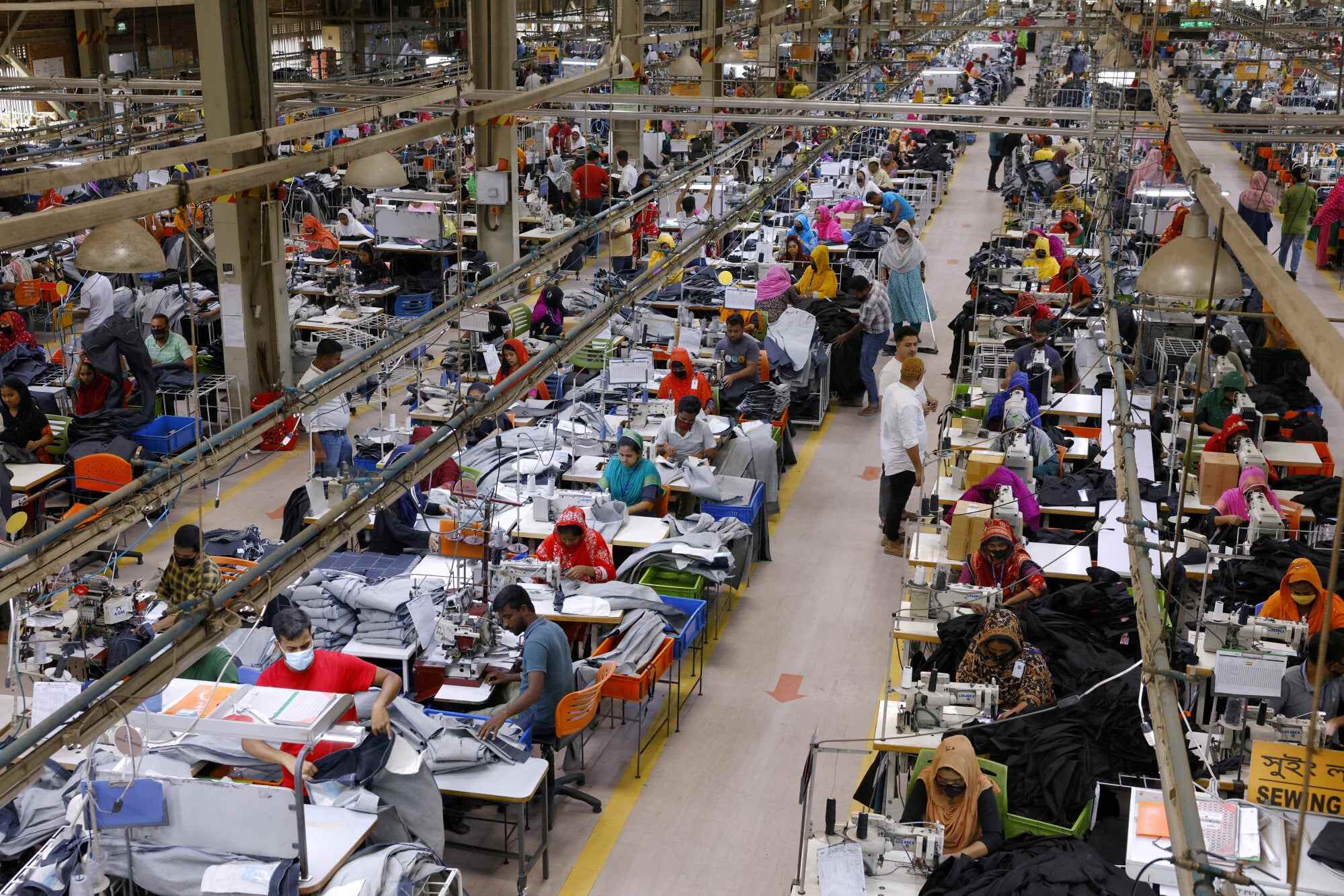
For countries like Bangladesh and Pakistan, the garment industry is more than a mere export earner; it contributes a sizeable chunk to their economies and employs millions of people.
Sustained disruption would widen trade deficits and weigh on economic growth, warned Farwa Aamer, director of South Asia initiatives at the Asia Society Policy Institute in New York.
Another concern is Western brands moving away from South Asia to avoid future shocks to the supply chain.
“Even partial relocation of sourcing could translate into substantial job losses,” Aamer said.
Inditex, which owns brands including Zara, Pull&Bear and Bershka, now sources more than half its production from Spain, Portugal, Morocco and Turkey: a model other retailers are adopting too.
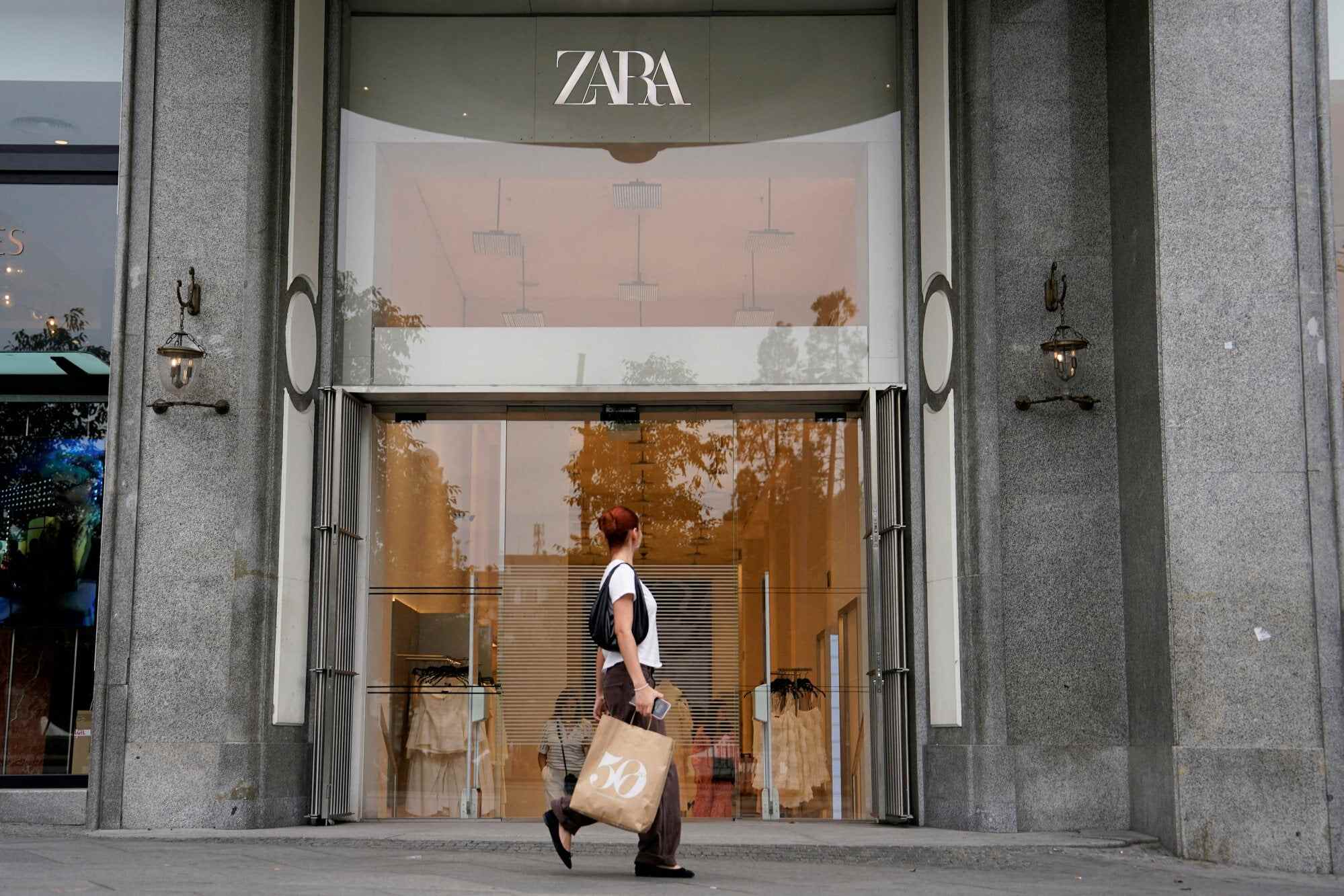
Shoppers need not picture empty shelves and bare rails. A supply chain and energy crisis in 2022 triggered by the Ukraine war “caused missed shipments and delays”, rather than across-the-board shortages, said Gaetana Mak, an IBISWorld research team leader.
Mak added that the latest disruption was likely to cause “selective, rather than widespread” gaps concentrated in seasonal and high-turnover fast-fashion lines.
Khan was less sanguine about fast fashion specifically. The business model ran on just-in-time manufacturing and injecting delays and air cargo congestion into that equation meant “brands can suffer inventory stock-outs”, he said.
The Cotton Web CEO’s advice to shoppers? “Rely more on natural fibres as compared to synthetic products, which are more prone to cost increases,” he said, smiling.
And above all, take advantage of this summer’s sales. Next year, the bargains may not be there.