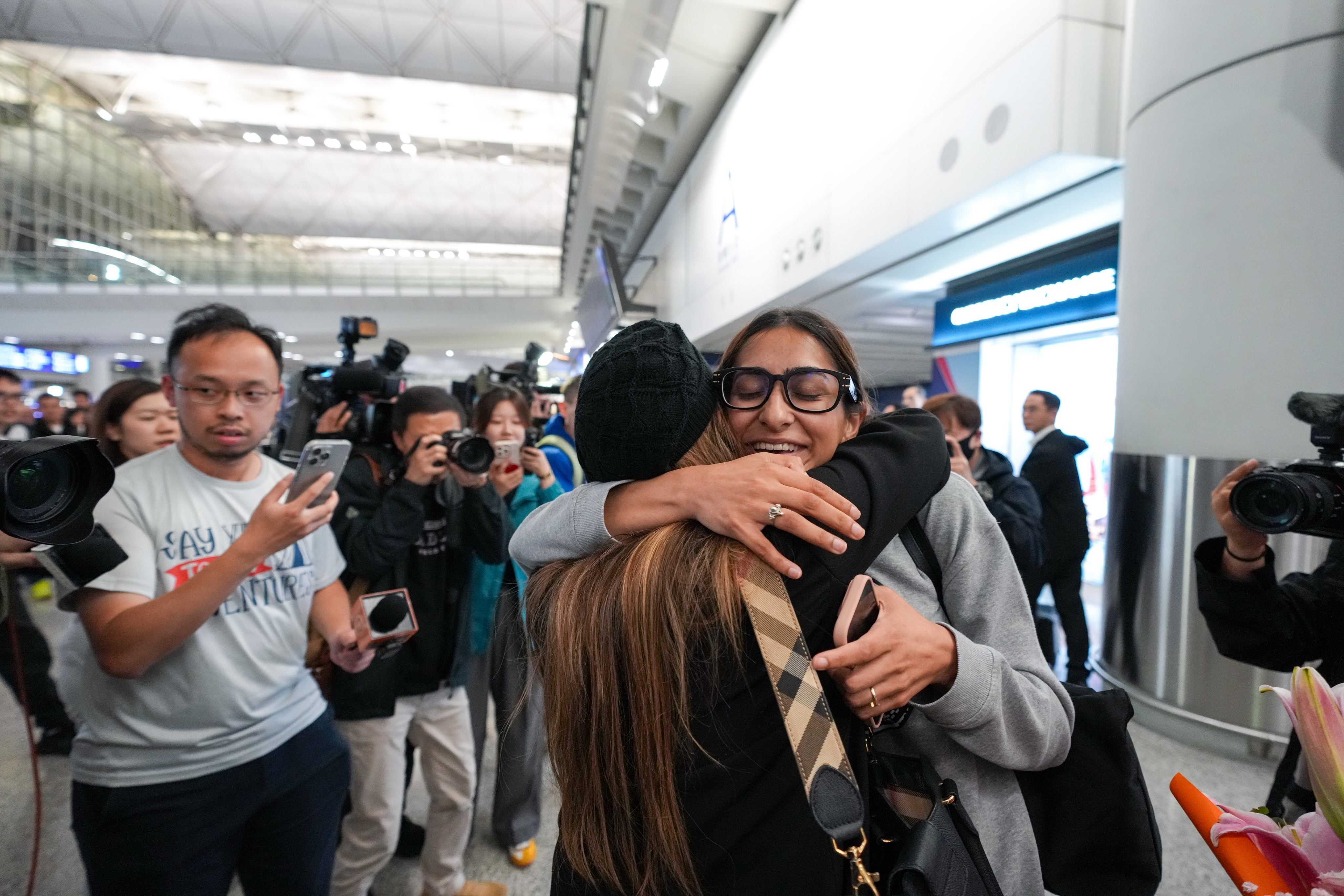
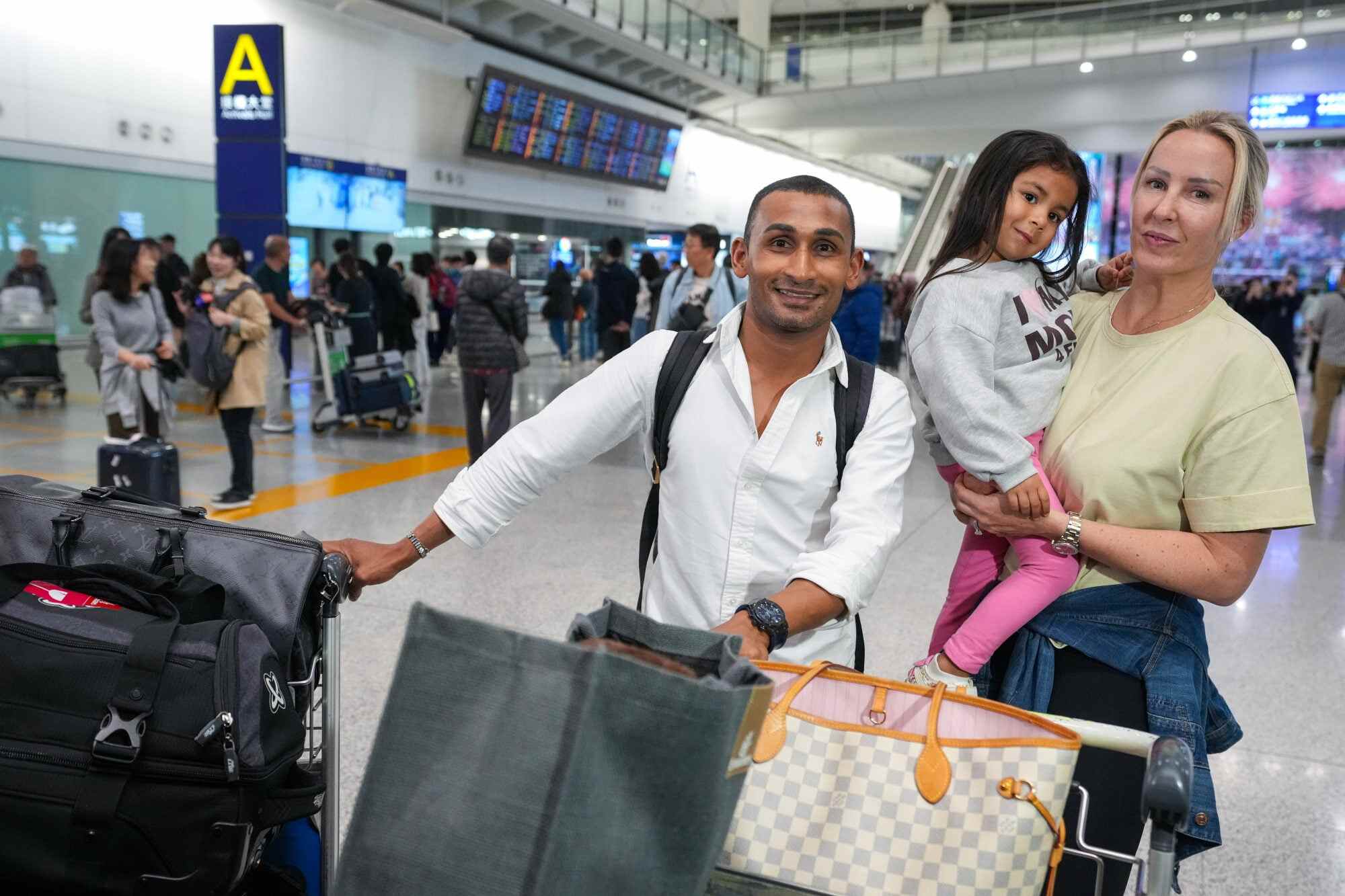
After days of severe anxiety, the first batch of Hong Kong residents stranded in the United Arab Emirates (UAE) has finally arrived home safely.
Emirates flight EK380 touched down at Hong Kong International Airport on Wednesday evening, marking the first direct arrival since Dubai’s major airports resumed limited operations following severe airspace disruptions.
The travel nightmare began when global air links to the Middle East were paralysed by a major escalation in regional hostilities, triggered by military strikes between Israel, the United States and Iran.
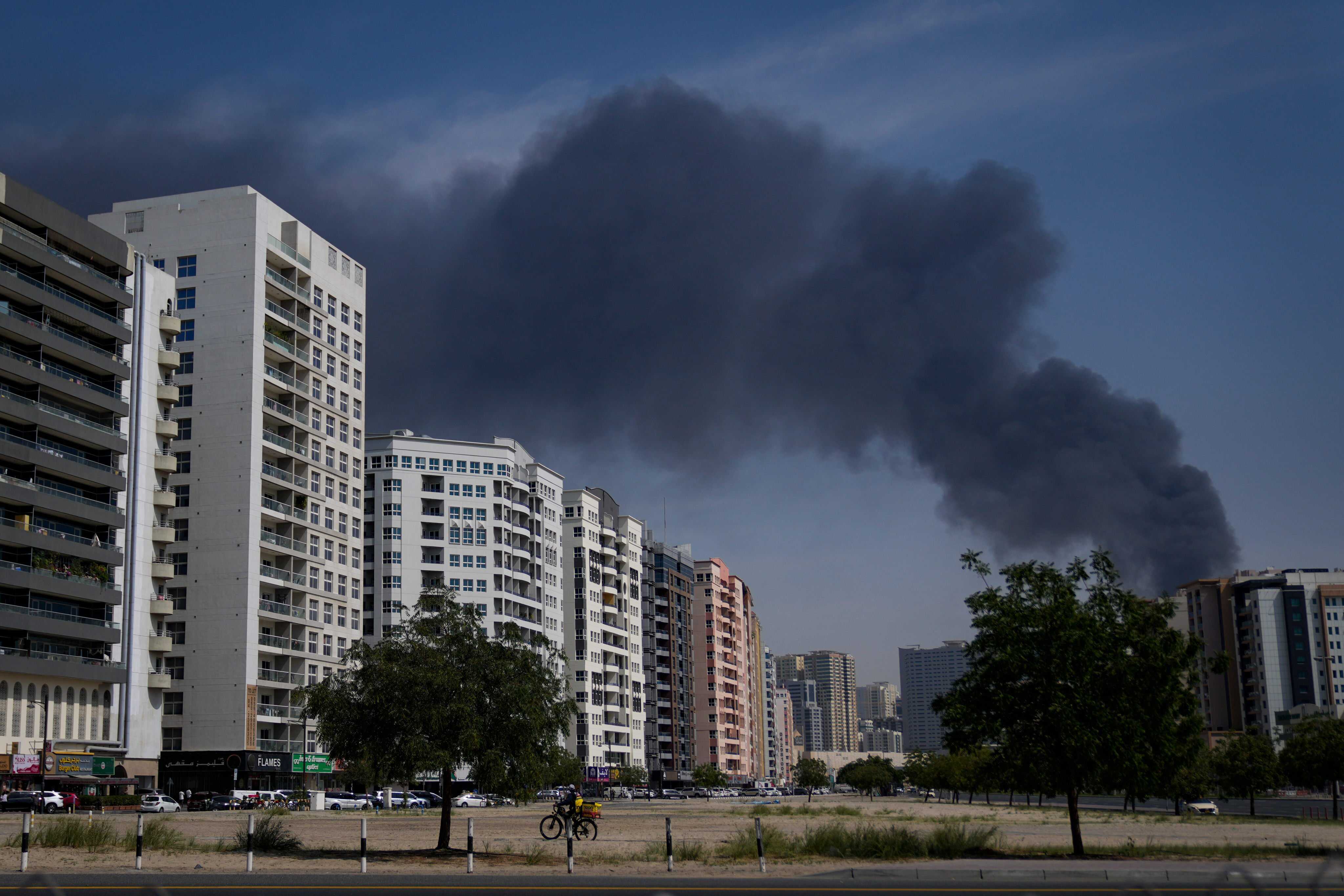
The US and Israeli military launched their first strikes on Iran on February 28. In retaliation, Iran launched missile attacks targeting military bases in the Gulf, which heavily disrupted flight paths around major travel hubs like Dubai.
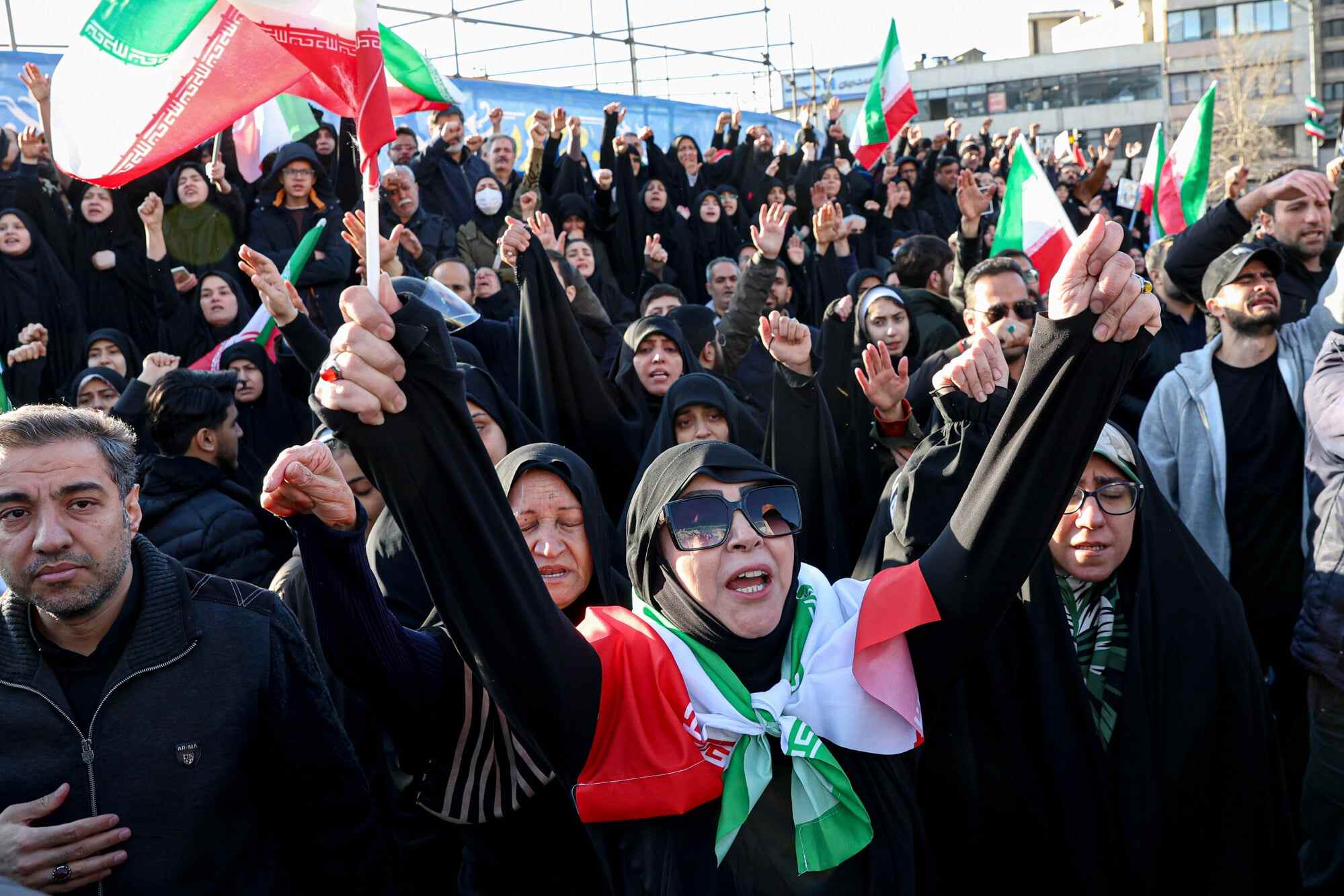
This conflict is rooted in a complex, decades-long geopolitical struggle.
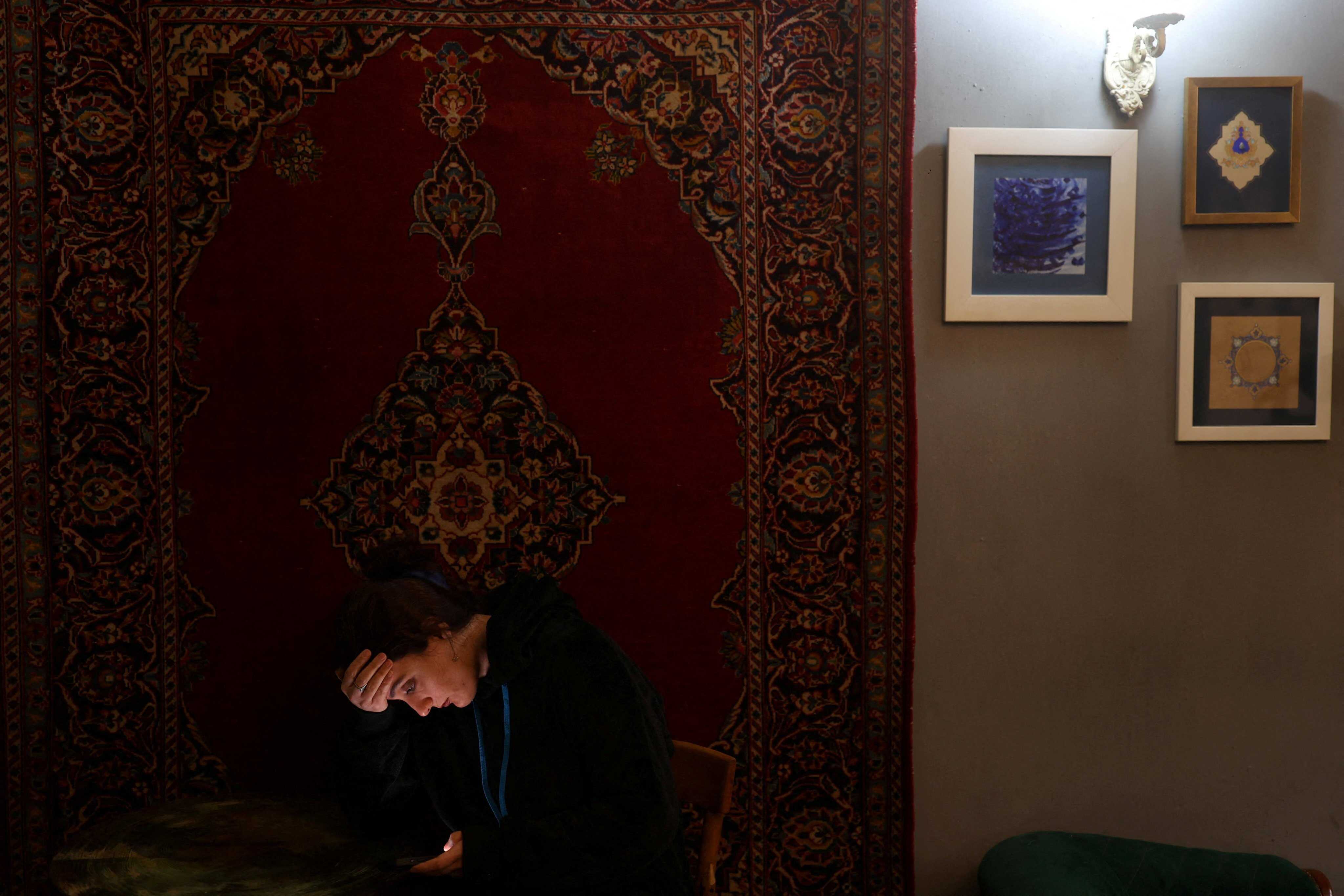
For ordinary travellers caught in the middle of these tensions, the experience was terrifying.
Local jockey Karis Teetan, who was travelling with his family, recalled the panic of having his flight cancelled and rebooked multiple times.
“We were very stressed … we were just trying to be positive and not listen to what was going on,” he shared, adding that he could hear missiles flying through the air from his Dubai hotel.
Also on the flight were 12 members of a Wing On Travel tour group. A tourist surnamed Kwok expressed her immense relief at finally being somewhere safe.
Although her hotel area wasn’t directly hit, she noted the constant fear of the unknown: “You never know where the missiles will head next.”
Another 22 tourists from a separate Wing On group remained in Dubai, anxiously waiting for their chance to fly home.
The sudden conflict transformed the usually bustling tourist hub.
Alvin Leung, who operates a restaurant in Dubai and was stuck for four days, noted that the empty streets felt eerily reminiscent of Hong Kong during the peak of the Covid-19 pandemic.
The situation also sparked frustration among some travellers and their families regarding the Hong Kong government’s response. Both Leung and retiree Nelson Yu – who was waiting at the airport for his sister-in-law after she was stranded en route to the UK – complained that the Immigration Department offered little practical help beyond registering their details and wishing them luck.

According to the Immigration Department, it received inquiries from around 680 residents stranded in the Middle East, with nearly 90 per cent of them located in the UAE. By the time the first flights resumed, around 100 had managed to leave the region, while athletes like the Hong Kong women’s football team safely relocated to Bangkok.
As the government continues urging airlines to assist residents, carriers are treading carefully. Cathay Pacific Airways cancelled all flights to and from Dubai and Saudi Arabia through mid-March, while Emirates maintains a strictly limited schedule.