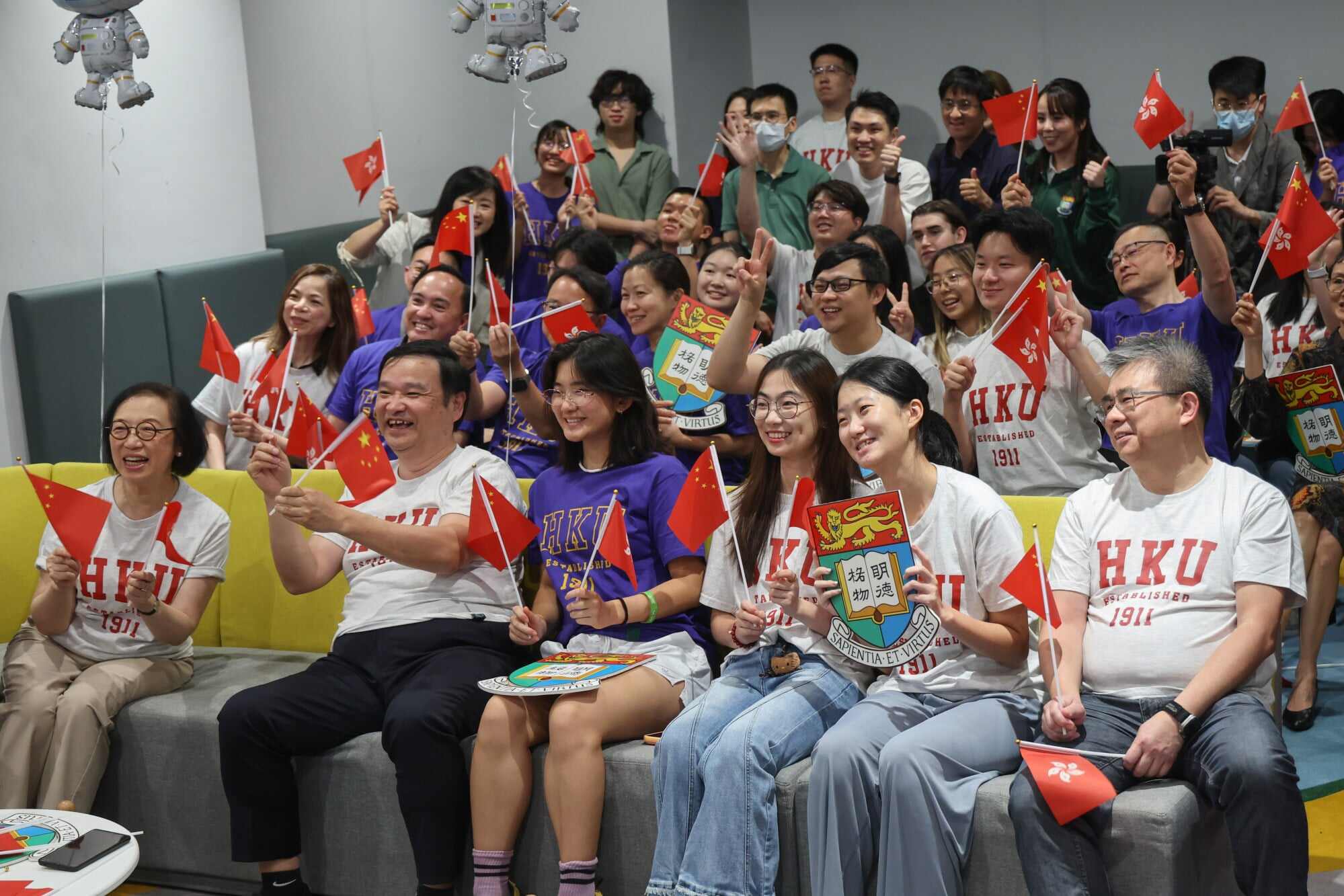
Lai Ka-ying’s selection as Hong Kong’s first astronaut has led to a more than threefold increase in inquiries about aerospace and satellite design courses at a learning centre. At the same time, industry leaders have urged for locations to be transformed into immersive educational facilities.
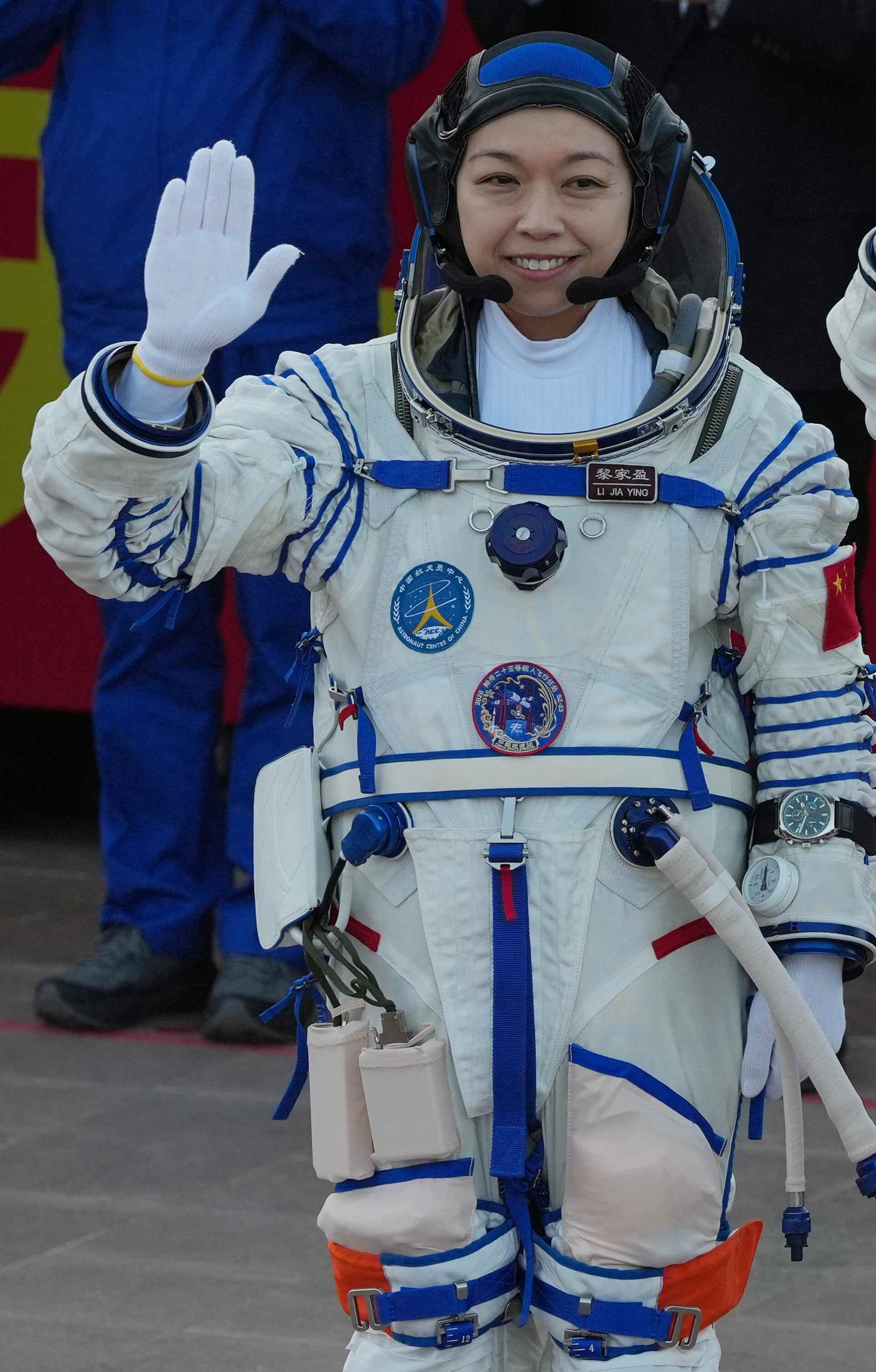
Lai, a police superintendent who has also become China’s first female payload specialist, made her historic journey into space on Sunday with the launch of the Shenzhou-23 mission.
Jeffrey Ho, CEO of Star Club Scientist Education, said that after the country announced the selection of Hong Kong’s first astronaut, interest from schools and parents in aerospace science education surged dramatically.
His centre offers courses specialising in aerospace popular science, satellite design and microsatellite assembly or application. They are intended for youngsters aged three to 17, with hourly class fees ranging from about HK$300 (US$38) to HK$650.
“Frontline data shows an explosive increase in inquiries related to aerospace and satellite design courses,” Ho said. “Compared with the previous stable level of about 10 inquiries per day on average, the figure has risen by more than threefold.”
Chan Wing-ping, general manager for the Hong Kong region of Starlink Aerospace Holdings (Shenzhen), the standing director unit of the Council of China Aerospace, said Hong Kong lacked large-scale tourism attractions and professional educational venues that focused on the country’s aerospace technology.
The education sector could draw inspiration from academically authoritative aerospace technology curricula in mainland China, such as the Qian Xuesen Education programme, to enhance the professionalisation of primary and secondary school education, she added.
Chan also suggested using existing local infrastructure, such as cruise terminals, reclaimable islands or vacant government school premises, to create aerospace-themed cultural tourism and educational centres.
“Such initiatives would provide immersive and interactive learning experiences, featuring ground observation stations for aerospace satellites, rockets, and spacecraft,” she said.
“Supported by integrated terrestrial and celestial teaching equipment, these centres could offer comprehensive aerospace technology education beyond traditional school settings.”
Chan added that such a move would attract mainland and overseas visitors while promoting Hong Kong’s aerospace achievements.
Yu Hongyu, executive director designate of Polytechnic University’s Aerospace Research Academy, which is reportedly set to open this year, said authorities should formulate a clear blueprint for aerospace technology development that aligns with the nation’s 15th five-year plan.
The blueprint should define the city’s role in commercial aerospace, space applications and scientific innovation, he said.
Yu also said city authorities should increase support for aerospace projects through initiatives such as the government’s InnoHK programme, and consider establishing special research and industry development funds and attracting private capital.
“We need to systematically strengthen talent cultivation, integrate aerospace elements more deeply into primary and secondary school science, technology, engineering and mathematics education, and expand related majors and cross-disciplinary courses at the university level,” he said.
“Only by translating current enthusiasm into long-term policy support and resource investment can Hong Kong truly grasp the historical opportunities brought by the nation’s construction of an aerospace powerhouse and find its own position in this strategic emerging industry.”
Meanwhile, the convenor of the Hong Kong Jointly Branded Educational Satellite Launch Project said the initiative’s expected take off before October this year was just the beginning of a grand blueprint for local students.
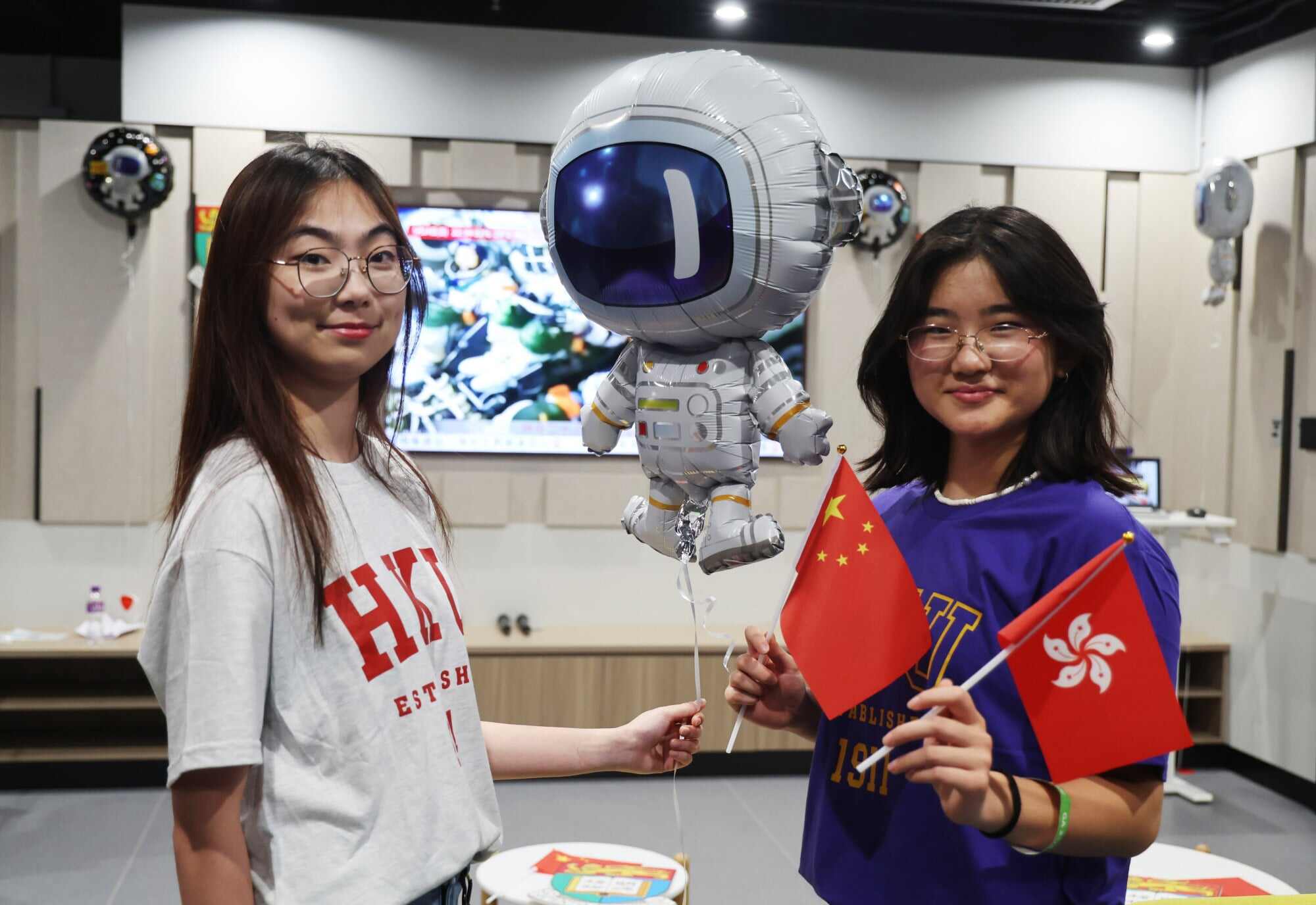
Peter Light said the government should use the opportunity to establish a complete and sustainable aerospace educational ecosystem by incorporating successful projects into teaching materials, curricula, study tours, further education and industry networking.
“It is by no means a one-off fireworks event, but the true starting point for the sustainable development of Hong Kong’s aerospace education,” he said.
“The rocket lift-off is just the completion of the stage set-up, while the long-term in-orbit operation after launch is the soul.”
Lawmaker Ken Wong Kam-leung, who is also a school principal, said the city should consider seeking national support to provide more opportunities for local students and teachers to participate in scientific research and to witness rocket launches on the mainland.
“I believe in the future we will definitely deepen the linkage with the mainland’s science and technology innovation sector,” he said.
The Education Bureau began integrating aerospace and innovative technology elements into its primary school science curriculum in the 2025-26 academic year.
Wong said that the historic space flight would prompt the bureau and the broader education sector to reflect on how to incorporate the field into learning in primary and secondary schools.
The legislator said that frontline educators and schools were constrained by teaching hours, as many subjects and initiatives were already competing for time in the current curriculum.
But Wong added that professional principals and school leaders would be able to make the necessary arrangements.