When Austin Leung Ngo-hei learned in Grade 11 that his mother had been struck by a grave illness, his world changed. The home that had once felt steady and predictable became a place of quiet worry.
He remembered being “all on my own” as his mother – his steady guide and mentor who had long sustained his curiosity for science – faced repeated hospital stays.
Almost overnight, the graduate of Diocesan Boys’ School, now 19 years old, had to master a new kind of independence: managing chores, juggling schoolwork and carrying the emotional weight of a family suddenly rearranged around illness.
The stress once pushed him to consider quitting robotics and other competitions, but his mother, lying in a hospital ward, told him not to stop. Her encouragement to “keep building, keep learning, keep competing” became his compass. Those words transformed grief into resolve and hard work into a strategy for overcoming limited resources.
Coming from an underprivileged background, Leung doubled down on his studies and robotics, embracing his mother’s belief that effort can rewrite circumstances. That ethic now fuels his advocacy for equitable education.
Leung’s outstanding academic achievements and his participation in numerous robotics and science competitions, both locally and internationally, were recognised when he was named the Grand Prize winner of the 2024/25 Student of the Year Awards, organised by the South China Morning Post and exclusively sponsored by The Hong Kong Jockey Club. He also won runner-up in the Scientist and Mathematician category.
Even amid the hectic pace of secondary school, Leung mentored younger pupils and made resources available to students with limited access.
As soon as he became president of the Hong Kong robotics team, he expanded participation from 15 to more than a hundred, unlocking opportunities for students who might otherwise have been excluded.
He also prioritised knowledge sharing, making his team’s code and designs openly available so future cohorts do not have to start from scratch. “We have put everything online; we have open-sourced all of our code and designs,” he said.
The team’s subsequent regional victories and historic qualification for the global championship in Houston, in the US state of Texas, this year validated that approach.
Leung also believes in the importance of service. He took part in a weeklong trip to northern Thailand, part of a team of volunteers teaching young children in rural areas basic physics through STEAM. “They learned some English. They learned some science,” he recalled with delight.
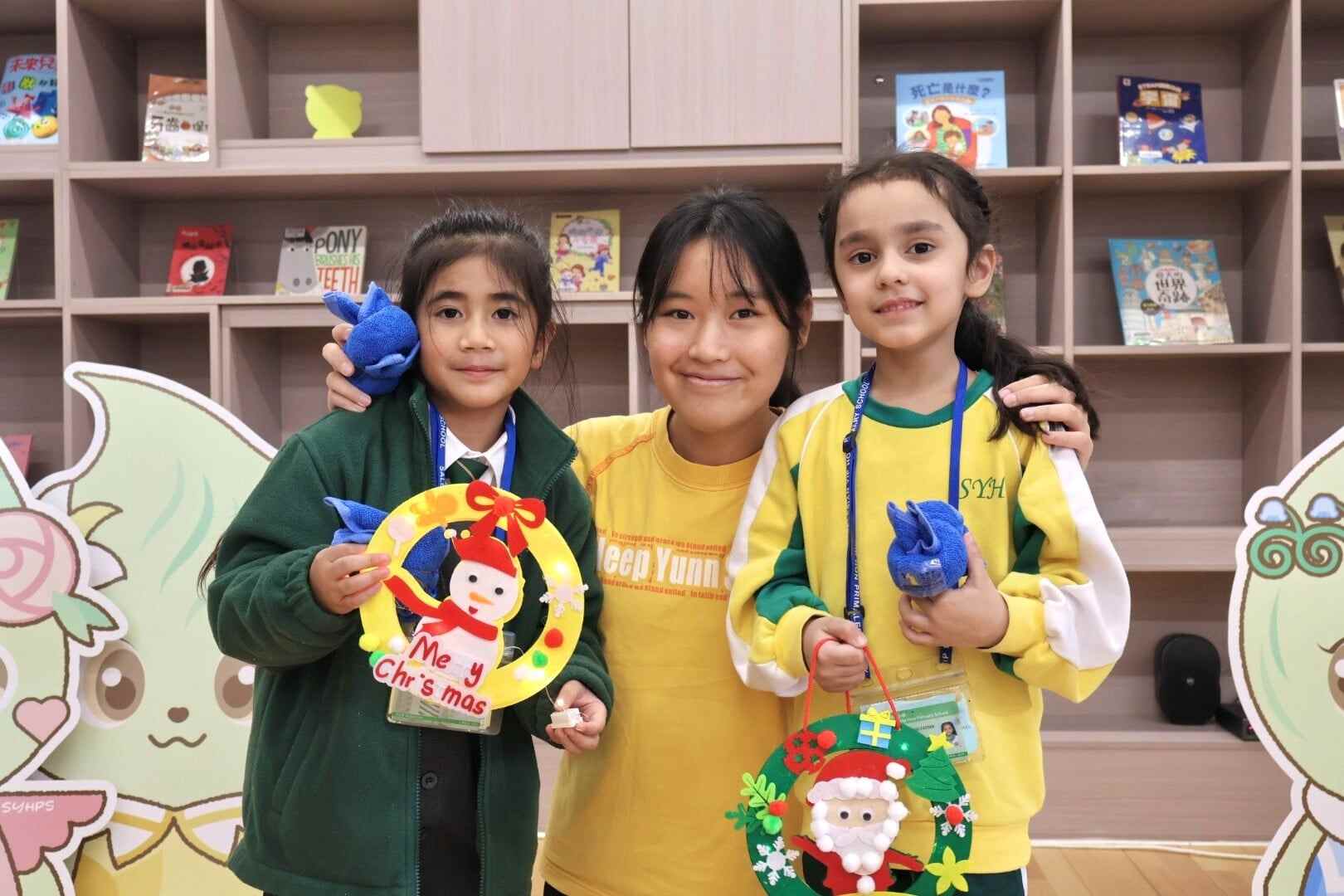
Locally, Leung’s outreach has been broad and sustained. Free STEAM workshops held at the Hong Kong Science Museum, powered by an “hour of coding” programme and delivered in partnership with academics, including Professor Ray Cheung, Associate Provost (Digital Learning) at City University of Hong Kong, and The Zubin Foundation, have reached more than 500 underprivileged children, including those from ethnic minority communities.
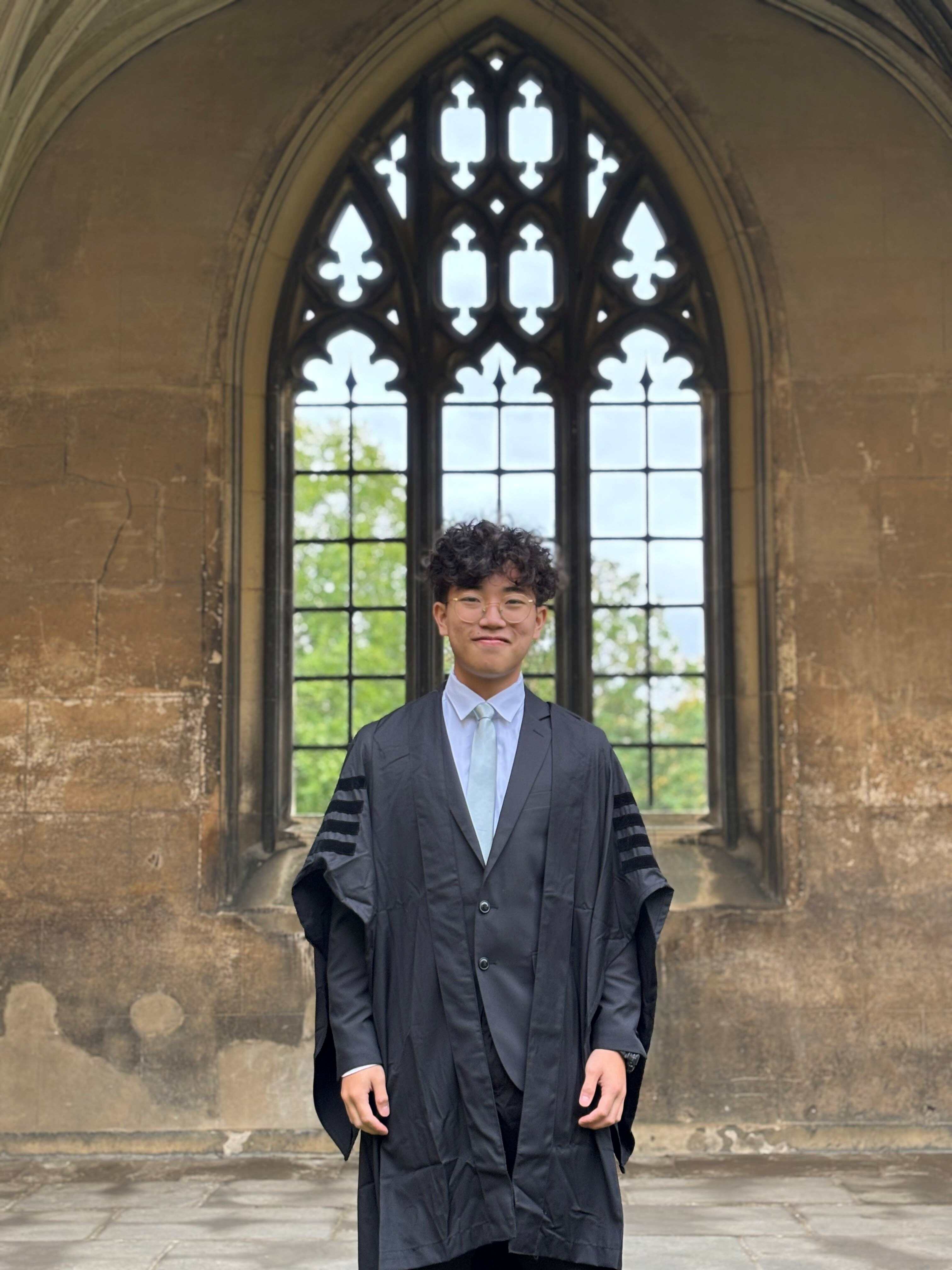
Leung’s drive has propelled him to the University of Cambridge in England, where he will study aerospace engineering with the support of a Hong Kong government scholarship.
By combining competition, open knowledge, and hands‑on teaching, Leung has helped create a legacy that will continue empowering the next generation.