Every Tuesday at lunch, Renaissance College Hong Kong comes alive with the sound of bouncing basketballs, cheering classmates and the sharp blast of a referee’s whistle.
For the students behind the Lunchtime Basketball League (LBL), this is much more than a sport. In fact, the project has turned into one of the school’s biggest student-led initiatives.
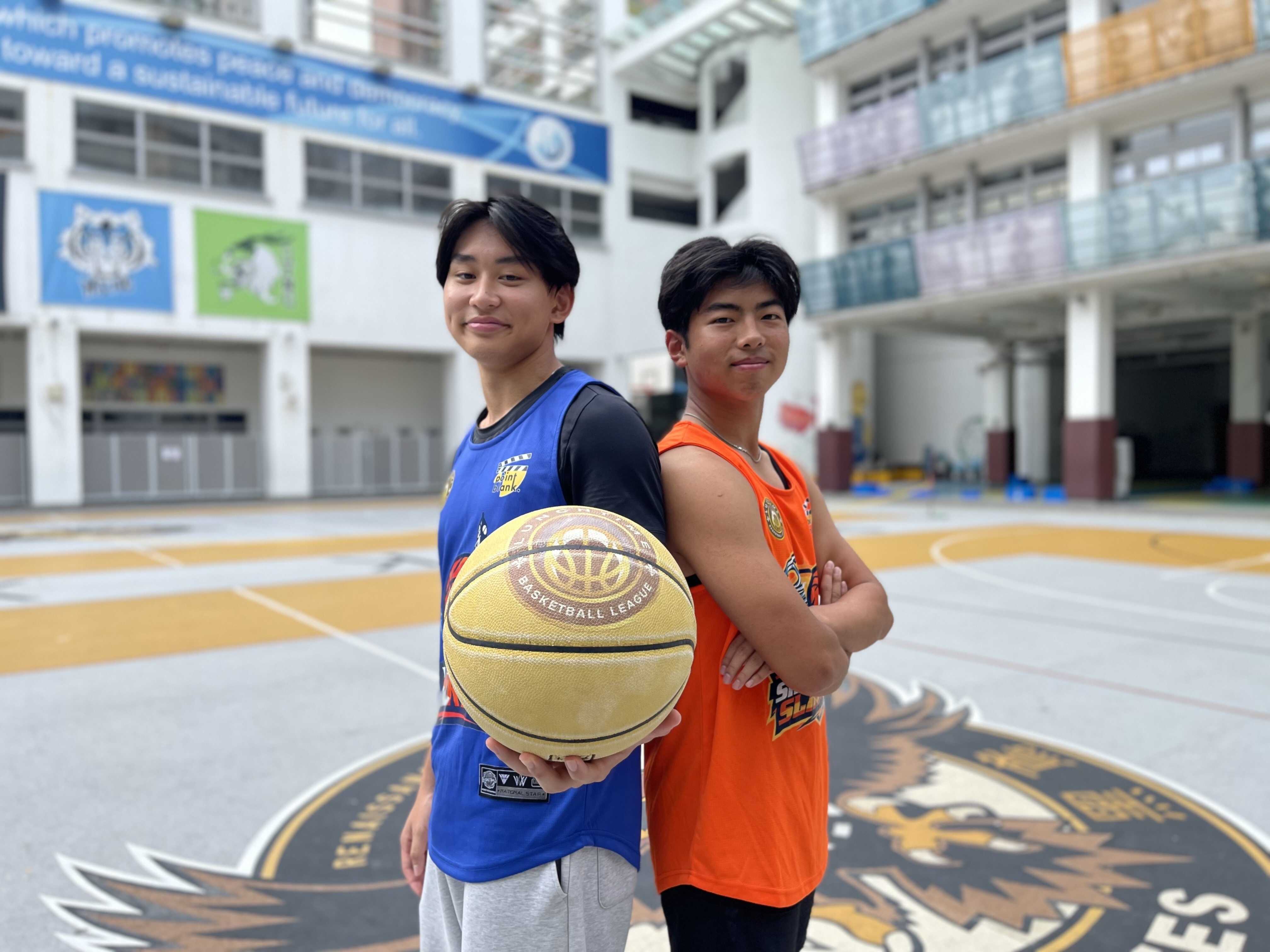
The end of the interschool basketball season and an injury inspired LBL founder Long Auyeung, 17, to start the league. “We really missed playing basketball,” he said.
In September 2023, Long created a league modelled after the American NBA, where students could compete during lunch. Instead of casual pickup rounds, he imagined a full season of games, complete with a championship.
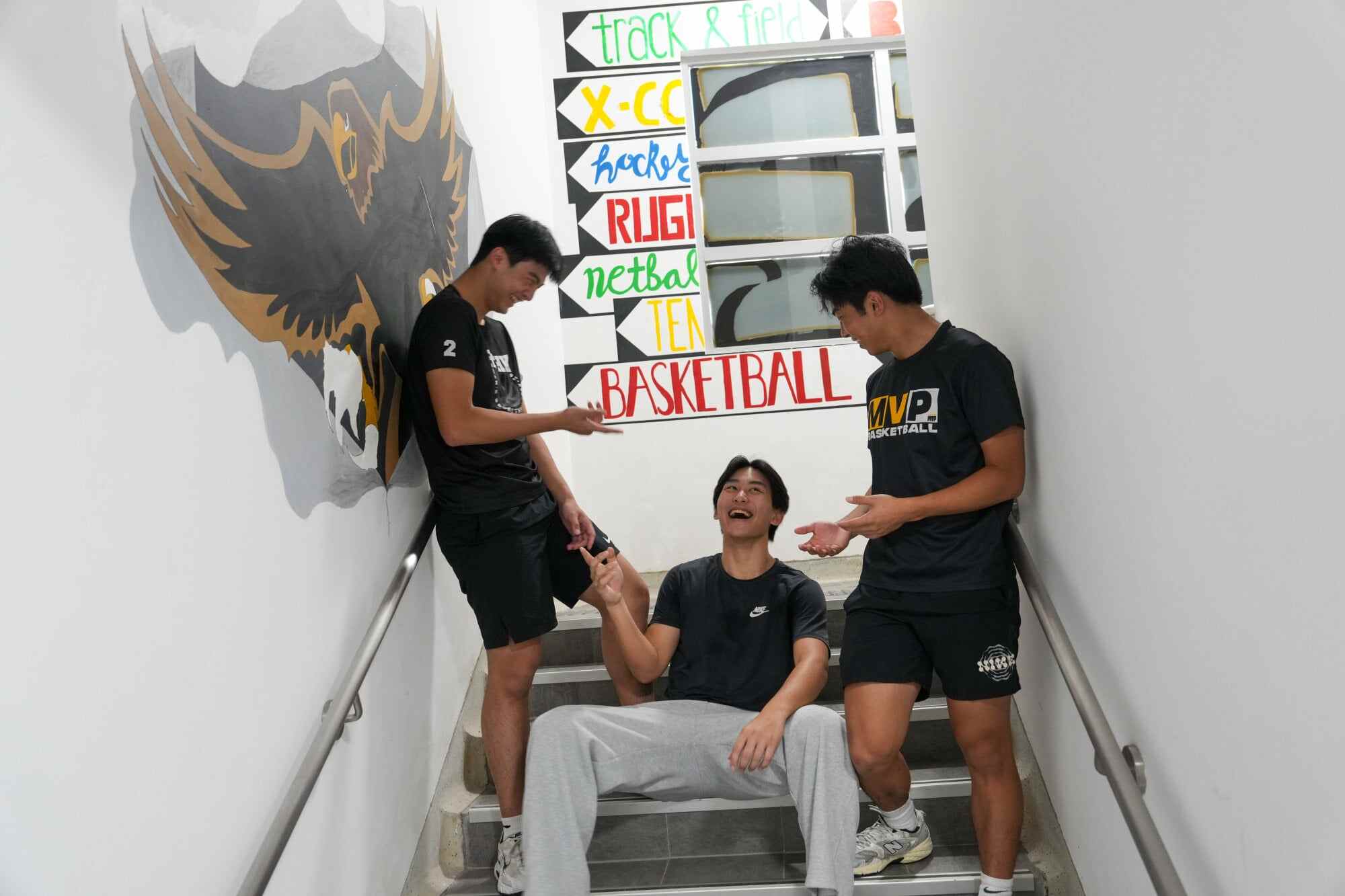
The project ran for less than a year and was paused due to schoolwork. Then, in January, Long recruited help from his Year 12 classmates, Marco So and Will Law, to revive the league.
“I think it was the nostalgic feeling that got us to start it back up again,” Long said. “We really missed all the friends playing basketball at lunch.”
Marco is the league’s commissioner, meaning he is responsible for managing its day-to-day operations. He noted how basketball could bring people together.
“In our school, basketball is a really big sport,” the 17-year-old said. “It’s a large platform where students are able to connect.”
Bringing the NBA to the school
At the start of the season, six student coaches draft players into teams. Every Tuesday during lunch, the teams compete for points in the standings – which, like in the NBA, are determined by the team’s percentage of wins – before the season ends with a championship game.
To make the experience more authentic, the organisers hosted an NBA-inspired draft, dressing in suits as they selected players. Long also built a website to showcase the teams and the competitions.
Besides players and coaches, the league also recruited student commentators, graphic designers and social media managers, Long said.
In May, the LBL hosted the All-Star Game – a midseason event bringing together the best players.
To turn the court into an NBA-style arena, they invited one of their vice principals, Ryan Copley, to DJ the event and asked the school dance team to entertain the crowd.
“The atmosphere ... was definitely the best we’ve ever had in LBL history,” Long said. “Every time someone made a shot, the whole crowd was cheering.”
Built by students, powered by passion
The polished events that students see today took months of work behind the scenes. Turning the idea into an official school club meant dealing with paperwork and communicating with teachers.
“At the start, I didn’t know I had to do any of that,” Long admitted with a laugh. “I actually got in trouble for not doing everything correctly.”
In the early days, there were no jerseys, only coloured bibs to separate teams. Student organisers also relied on social media to encourage classmates to come and watch.
Marco said the league’s biggest advantage is that students are trusted to shape the teams themselves.
“Since it’s student-led, we’re allowed to give so much input,” he said. “The teachers supervise, but they don’t control what we do.”
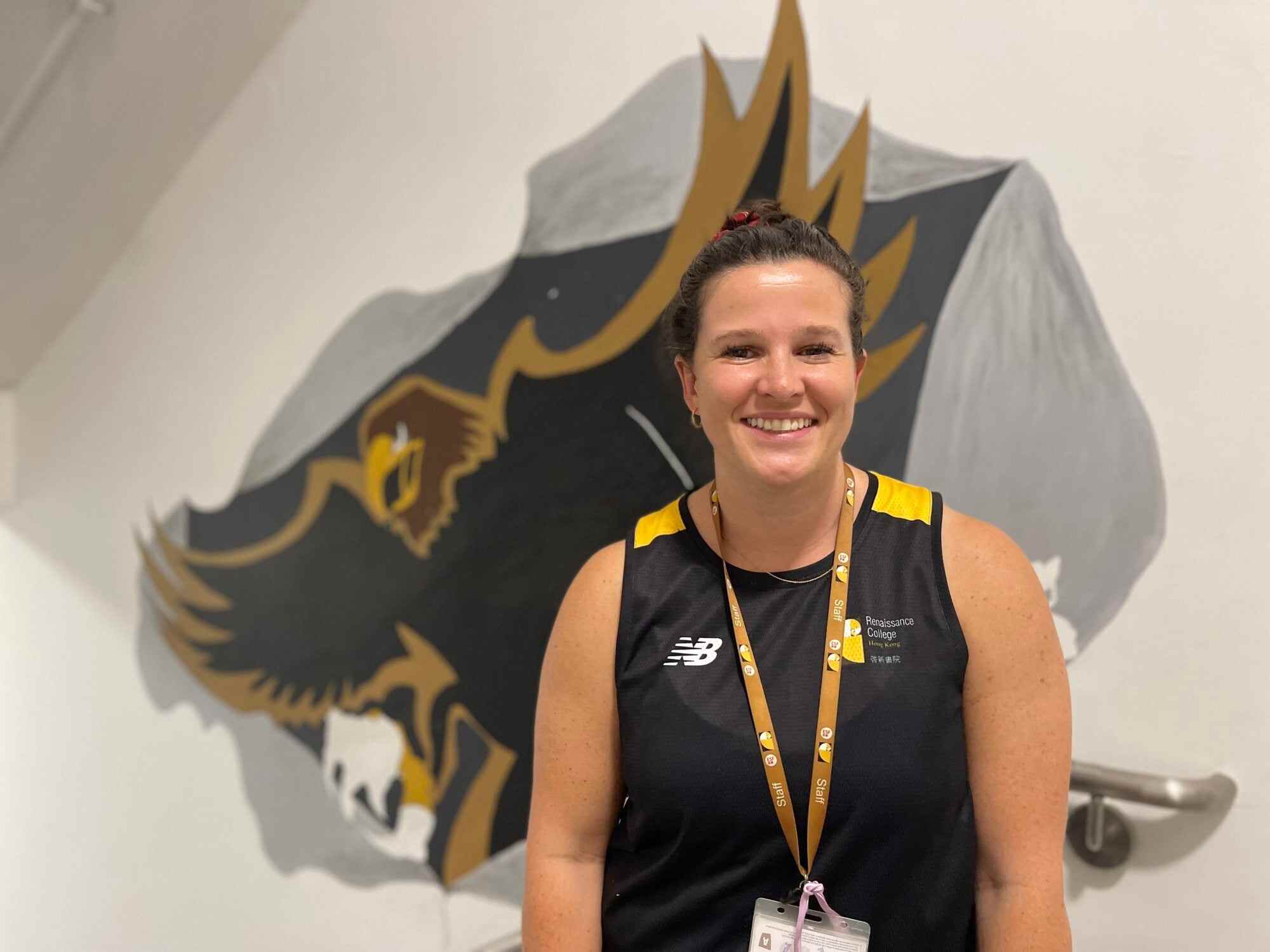
Still, one of the school’s physical and health education teachers, Rebecca Thompson, was instrumental in helping them turn their ideas into reality, with Marco explaining, “She gave us a lot of motivation and advice.”
Thompson noted that running the league has helped the organisers develop skills that go far beyond sports.
“They’ve had to learn how to plan, think about health and safety, coordinate with teachers, organise filming teams and build a media team ... They’re learning a whole range of skills,” she said.
More than just a game
The league started with around 10 members and has grown to include about 30 players from Years Nine to 12.
According to Thompson, this represents one of the league’s strengths: its power to unite students.
“It takes students from different year groups,” she said. “[It] is really gaining traction with the younger students ... which I think is really cool.”
One of the biggest rewards for the teen organisers has been seeing the crowds grow.
“As the season progressed, Long and I were pleasantly surprised by how many people were showing up and cheering,” Marco said. “We want a big crowd cheering every time someone makes a shot.”
As Long prepares for university, he hopes the skills he has learned will help him launch a career in the sports industry one day.
“I want to work [in] the NBA,” he said. “Organising a league like this gives me a taste of what running a big sports event is like.”
In a city where youth sports are often institution-led, the Lunchtime Basketball League shows what can happen when students are empowered to dribble, pass and call the shots.