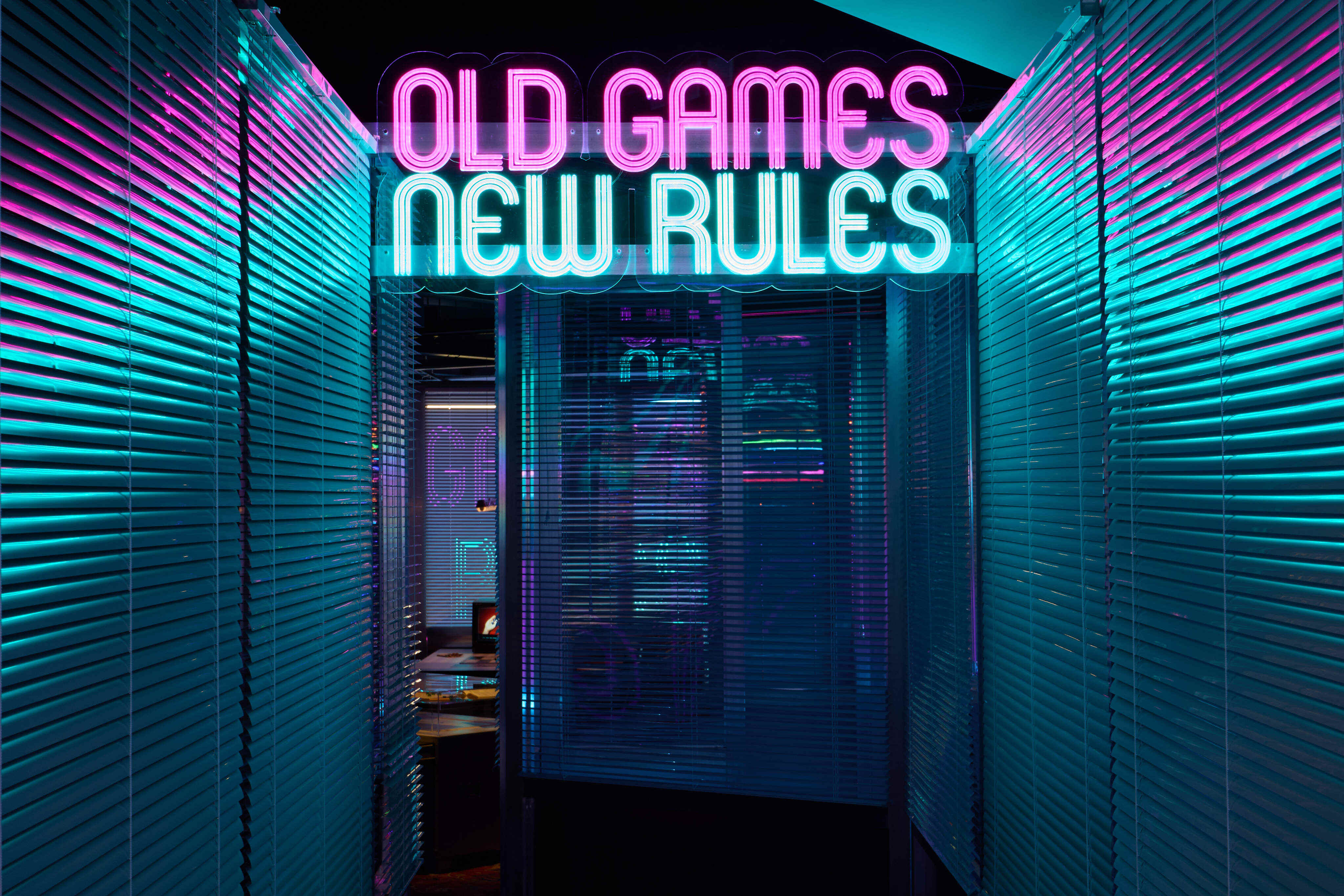
Some might perceive games as a frivolous expenditure of time and money, and others argue that video games can incite violent behaviour. However, a new exhibition at City University of Hong Kong, titled “The Power of Play”, is challenging these perceptions by emphasising the cultural, technological and educational significance of gaming.
The exhibition kicked off on July 4 and is set to run until October 25.
As you stroll through the vibrant exhibition space, you will encounter a mix of diverse game formats, from the enchanting Japanese otome, a genre of narrative-driven romance games, to the nostalgic charm of portable Tamagotchi virtual pets and your favourite hits from Nintendo.
The exhibition highlights the rich diversity of gaming, reminding us that the medium extends far beyond just video games and phones.
In the exhibition’s middle section, misunderstandings about games are examined. These include whether games enhance education, contribute to students’ development or are just for entertainment.
The exhibition explores controversial aspects of gaming, “edutainment” or educational entertainment, and the impact of game-related violence on users’ health.
“Games are the main models for new generations to understand the world,” said Professor Espen Aarseth, the exhibition’s curator and dean of the school of creative media at City University.
“Teenagers can learn new languages, history plus geography through games. The major reason behind parents objecting to playing games is not the term ‘game’, but children playing too much.”
The magic of Minecraft
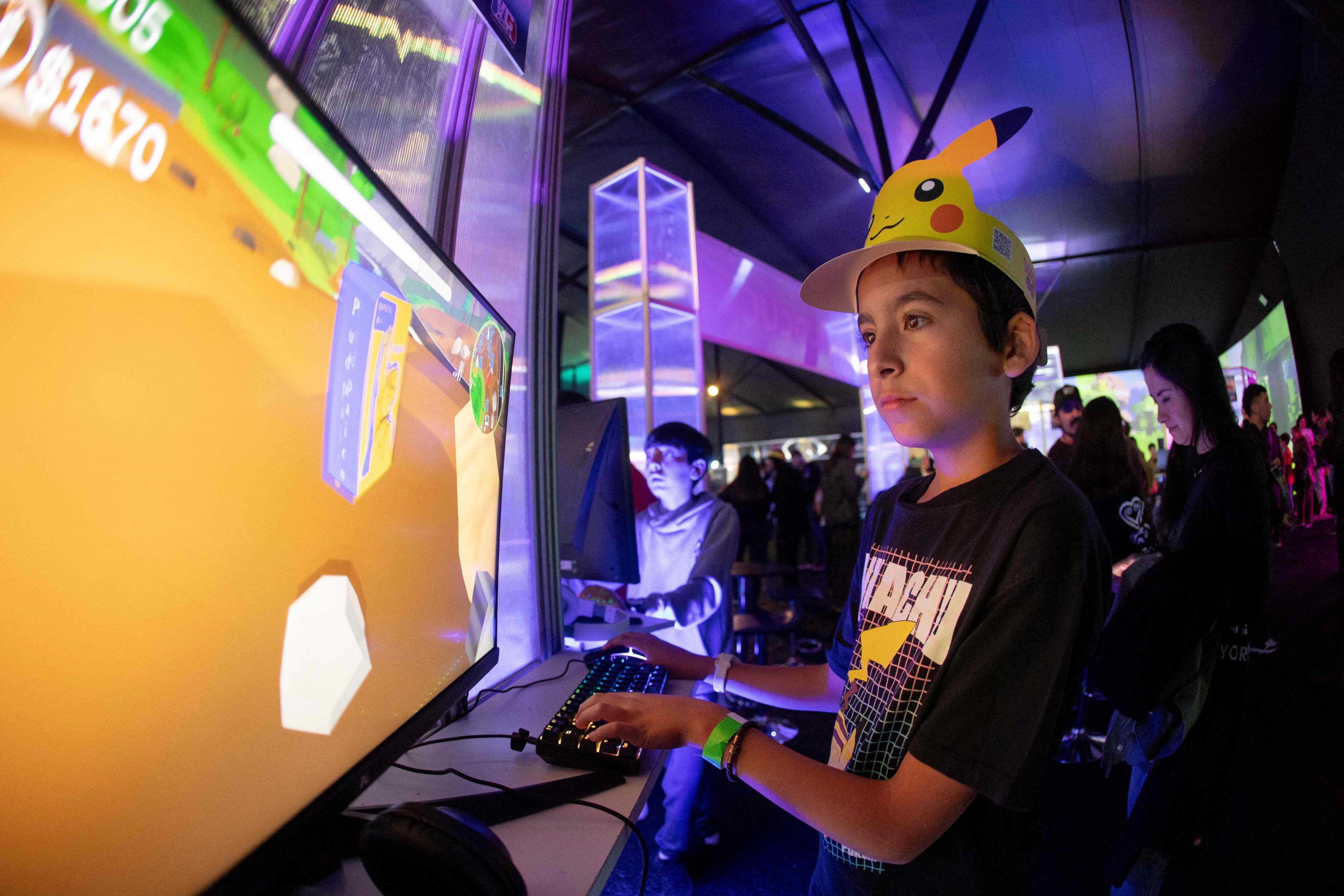
Part of the exhibition focuses on a game familiar to many kids and teens: Minecraft.
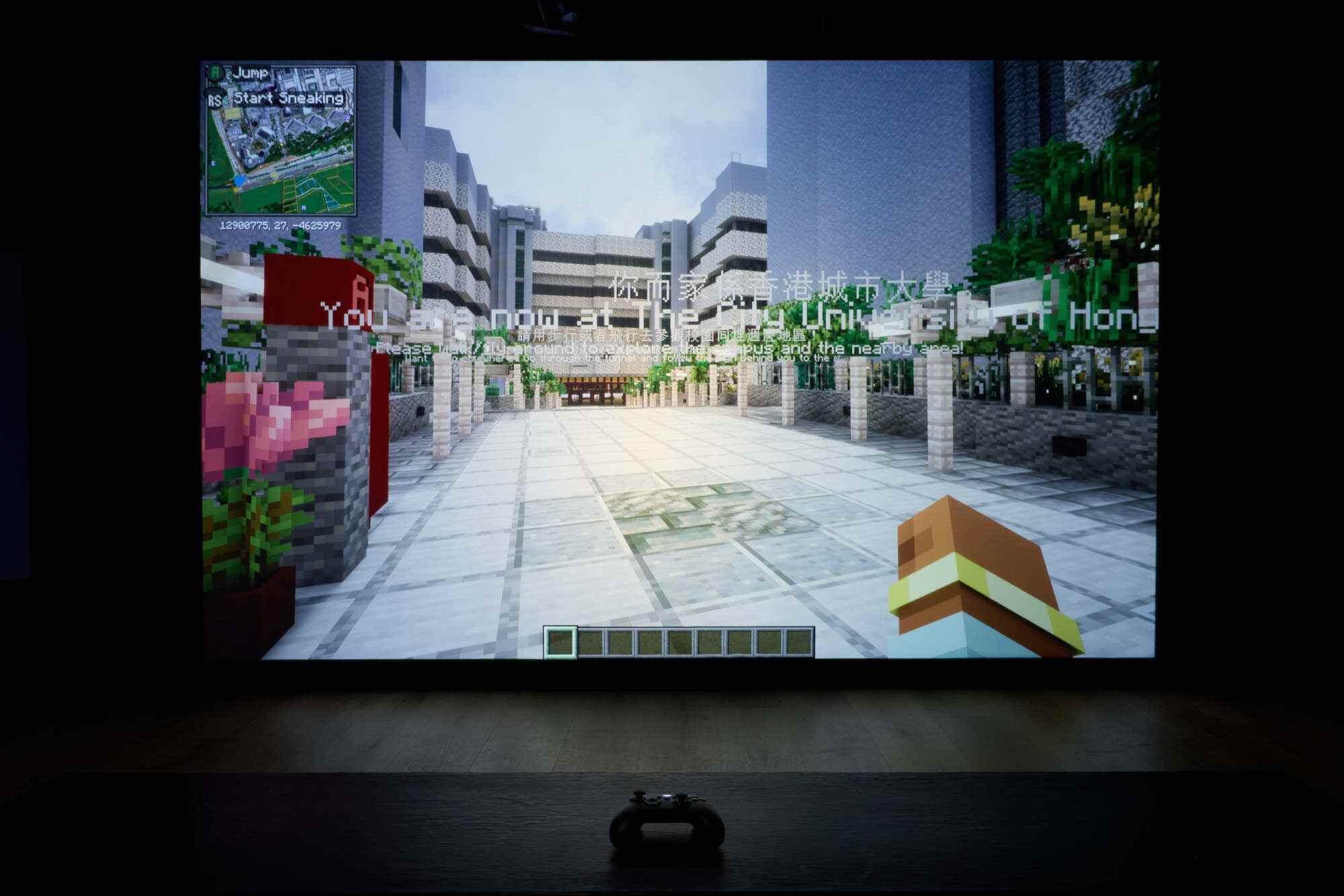
A screen displays a block model of Hong Kong in the game, including a miniature version of City University’s campus. Visitors can also see several iconic buildings and street views of Admiralty and Central.
Minecraft is different from other games in that there are no winners or losers. The game focuses on creation.
“Minecraft challenges our idea of what a game could be,” Aarseth said.
Exploring ancient Egypt
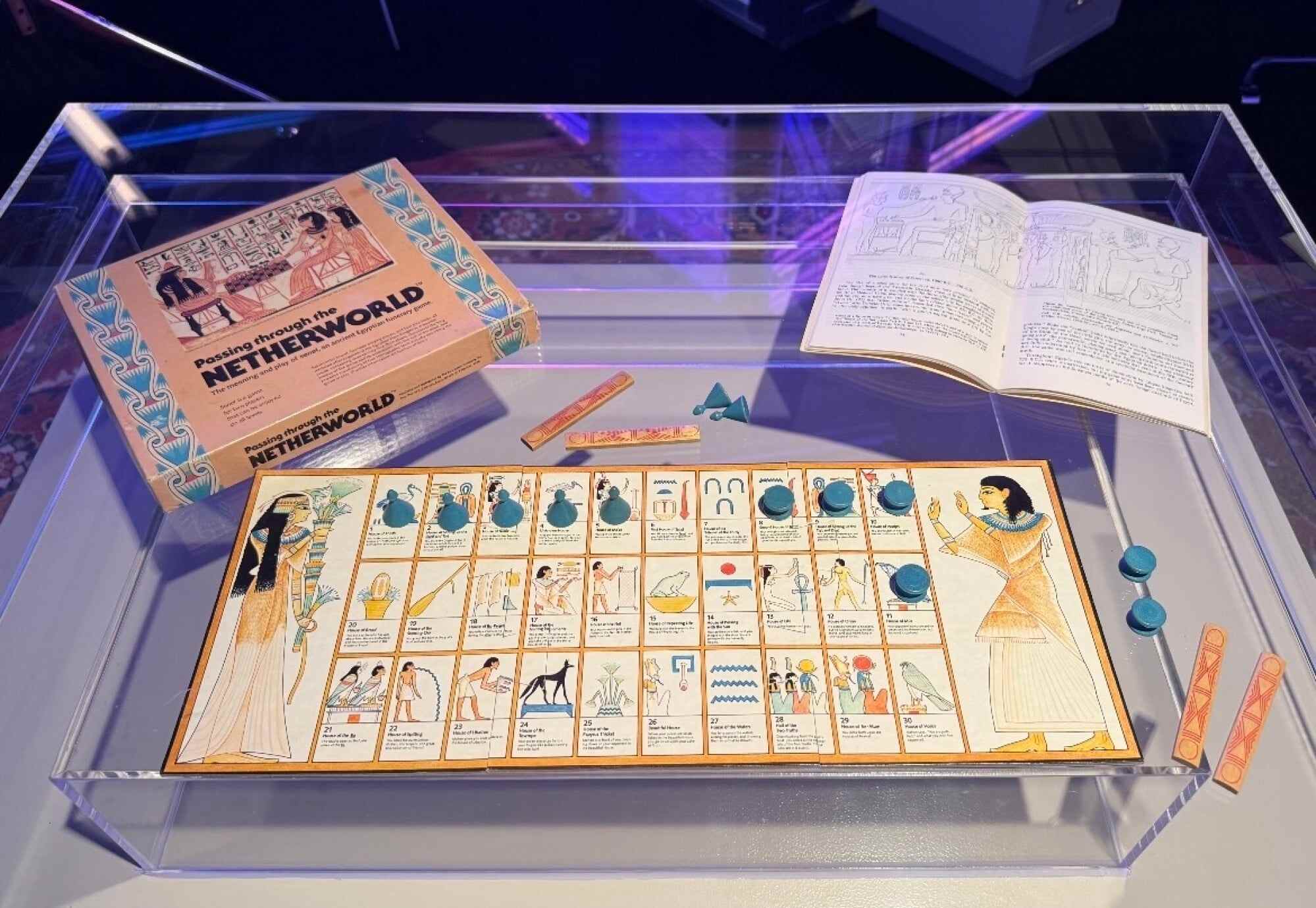
Minecraft represents the modern side of the exhibition’s games, while the oldest game featured is Senet, which dates back to ancient Egypt around 3500BC.
Unlike many contemporary games that are designed primarily for children and focused on entertainment, Senet was specifically created for adults and is linked to ancient Egyptian beliefs about the afterlife.
In the exhibition, Senet, an ancient Egyptian board game, is showcased as a replica with a board adorned with vibrant drawings, 14 humanlike playing pieces and four dice marked with symbols. Each drawing represents a specific concept – rebirth, death, peace or danger.
This game reflects ancient Egyptian beliefs about how souls journey through the underworld to reach the afterlife. Senet serves as a fascinating glimpse into the past.
Teaching collaboration
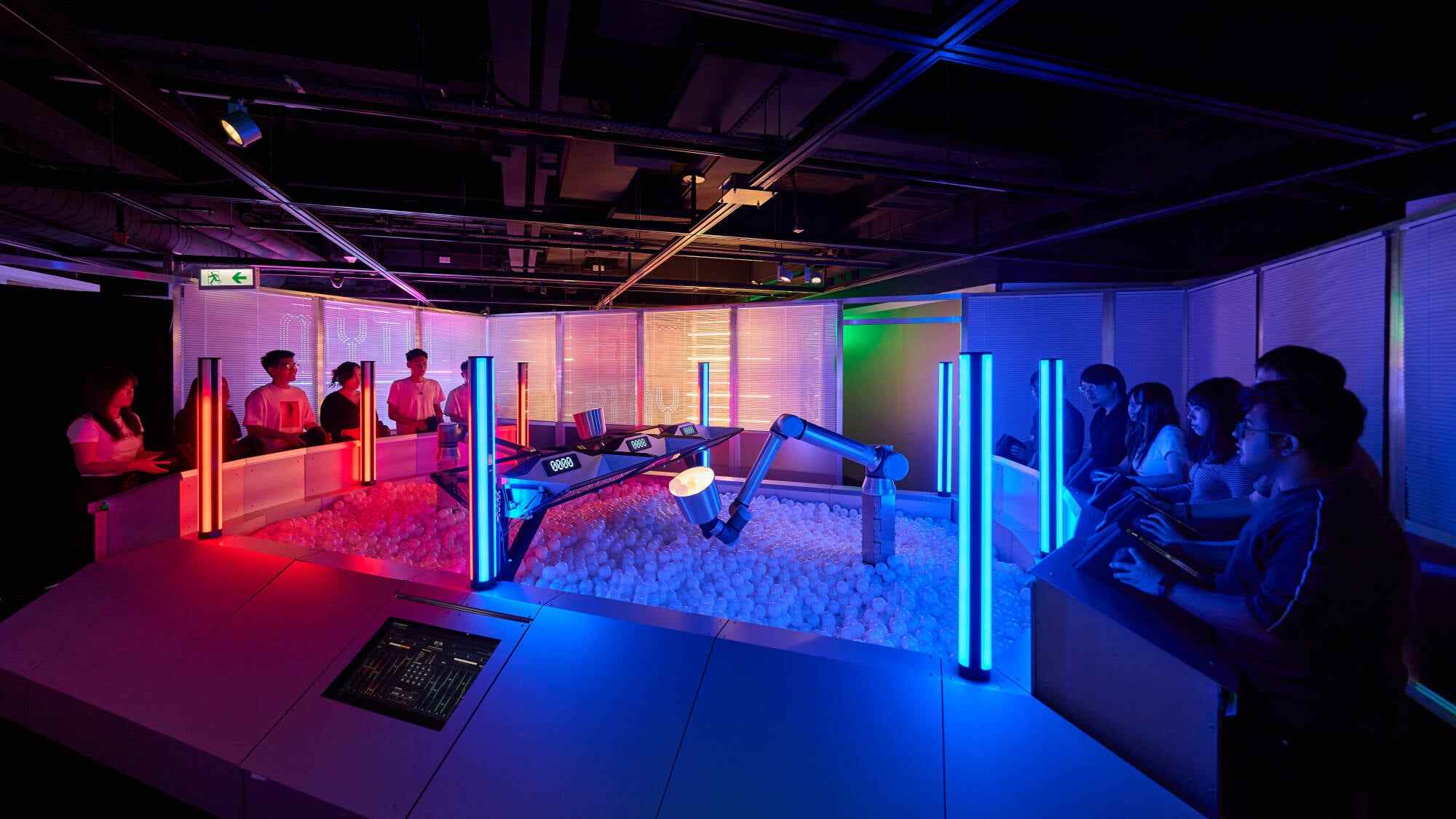
The exhibition also reveals how games can encourage a collaborative spirit.
This is highlighted by the “Buckets of Fun” installation, in which teams of operators control sophisticated robotic arms, with each person managing only one part, and they deposit balls into scoring containers to win the game.
The exhibition gives visitors unique insights into games. By its end, you no longer see games as mere diversions, but as a powerful and diverse medium.