University graduates in Hong Kong are grappling with the gloomiest employment market since the pandemic, as the number of available jobs plunged by more than half in 2025.
According to data from the Joint Institution Job Information System (JIJIS), which tracks vacancies for the city’s eight public universities, there were only 30,798 graduate job openings in 2025.
This represents a staggering 55 per cent drop from the 68,728 vacancies recorded the previous year.
The figure is the lowest in five years, dipping even below the numbers seen during the height of the Covid-19 pandemic in 2021.
To make matters worse, salaries are barely moving. The average monthly pay for new hires in 2025 was HK$20,961 – an increase of just HK$112 (0.5 per cent) from 2024. This is in stark contrast to the healthy 4 to 8 per cent annual raises seen between 2022 and 2024.
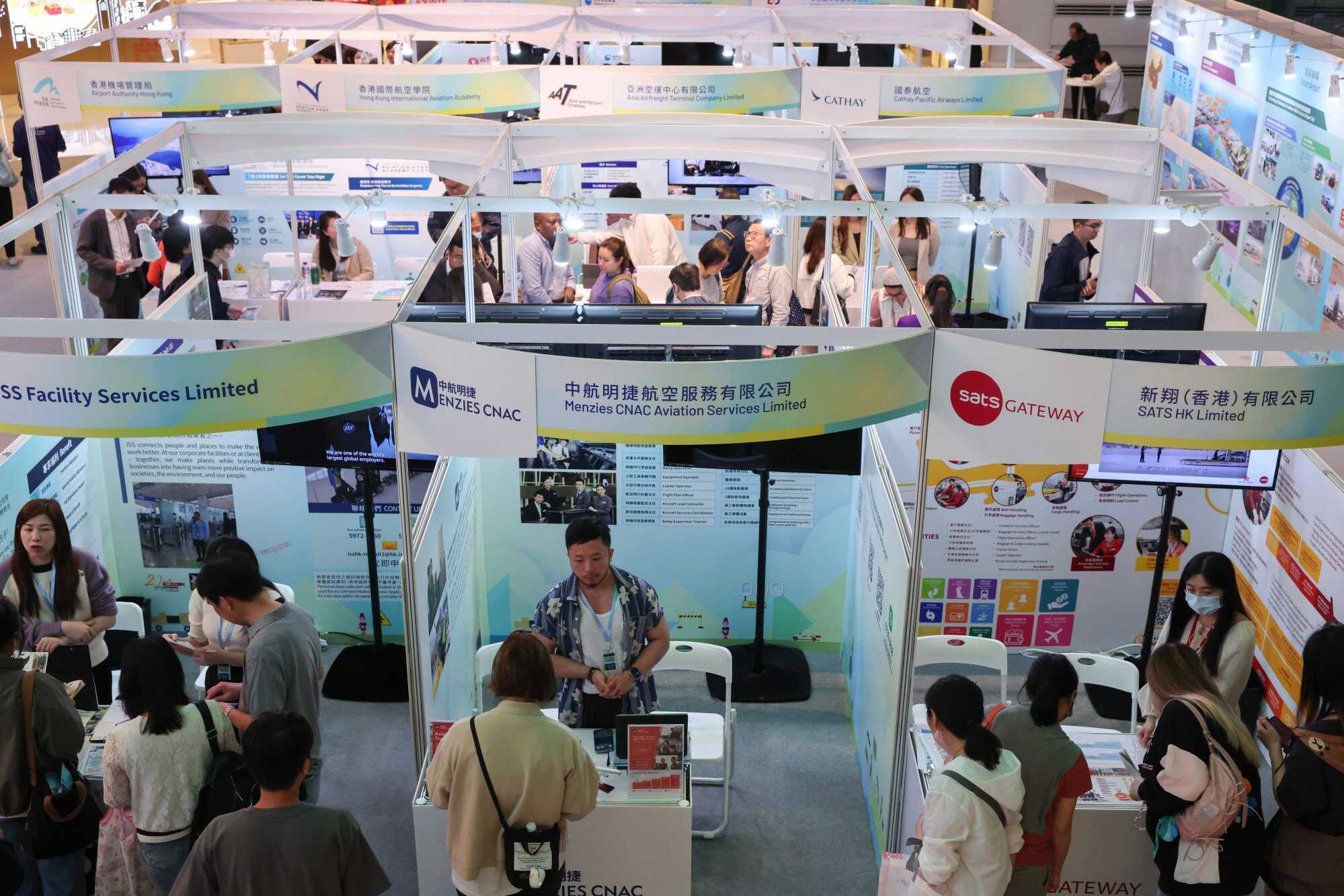
Even the most coveted roles are disappearing.
Management trainee positions – prestigious programmes designed to fast-track graduates into leadership – saw a 25 per cent drop, with salaries for these roles actually falling by 1 per cent.
The grim statistics are reflected in the real-life struggles of Gen Z, many of whom have taken to the social media platform Threads to express their anxiety.
One user, “bilibalgo”, shared that half of their friends could not find work, including a graduate from the Chinese University of Hong Kong with first-class honours.
Another user, “who_am_i0609”, said: “When will I get a suitable job? Is anyone in the same situation as me?”
The unemployment rate for those aged 20 to 24 hit 12.3 per cent late last year. That leaves about 17,500 young people out of work.
So, why is the market so tough?
Alexa Chow Yee-ping, a veteran human resources consultant, blamed the “double whammy” of a weak economy and the rapid rise of AI. Chow explained that businesses in retail and catering are suffering due to locals spending their money across the border. Simultaneously, artificial intelligence is reshaping the workforce.
“The speed and penetration of AI have been so fast that it has created many challenges for jobseekers, especially graduates who are often placed in entry-level jobs,” Chow said.
She noted that tasks like translation and general customer service are easily automated, leading companies to cut their graduate intake.
However, it is not all hopeless.
Chow advised students to focus on jobs requiring strong interpersonal skills, such as counselling or psychology, which AI cannot easily replicate. She also urged students to improve their own AI literacy to boost their chances of being hired.
Bill Lee Chern-hsing, managing director of Jobsdb Hong Kong, agreed that the market has changed. He noted that employers are now more selective, preferring candidates who can contribute immediately.
“To stay competitive, graduates can bridge this gap by building practical skills through internships, part-time roles and projects,” Lee said.