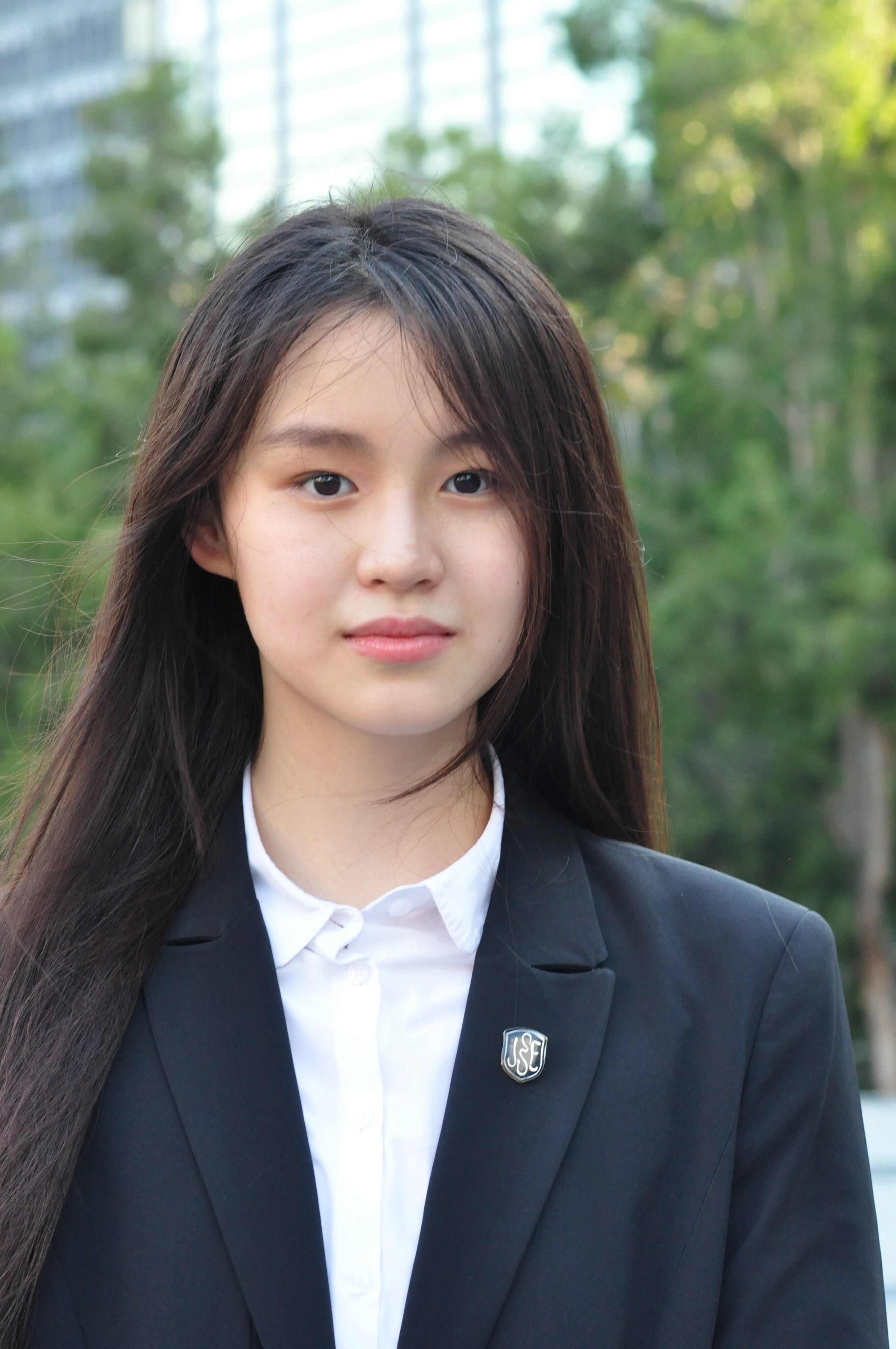
Emily Lam Hin-kwan’s journey in biology began with a move. As a primary school student, she recalled being “one of the worst students in my school”. But making the switch to an English‑medium environment improved her science grades – and reshaped her confidence.
It was “a strong result in integrated science – the top of my grade – [that] ignited my passion for science,” Emily said.
She developed an “intense curiosity” for research and soon received an invitation to the International Genetically Engineered Machine competition (iGEM).
The 17-year-old is now a Form Six student at Tsuen Wan Public Ho Chuen Yiu Memorial College. She joined her school’s iGEM team as a student leader and later became an adviser, ultimately working with four teams across four competitions.
This included collaborating online with a Tokyo‑based team.
“The evolution of [my] roles helped sharpen my sense of responsibility,” Emily noted. “It also broadened my view of science as a collective endeavour that crosses borders and disciplines.”
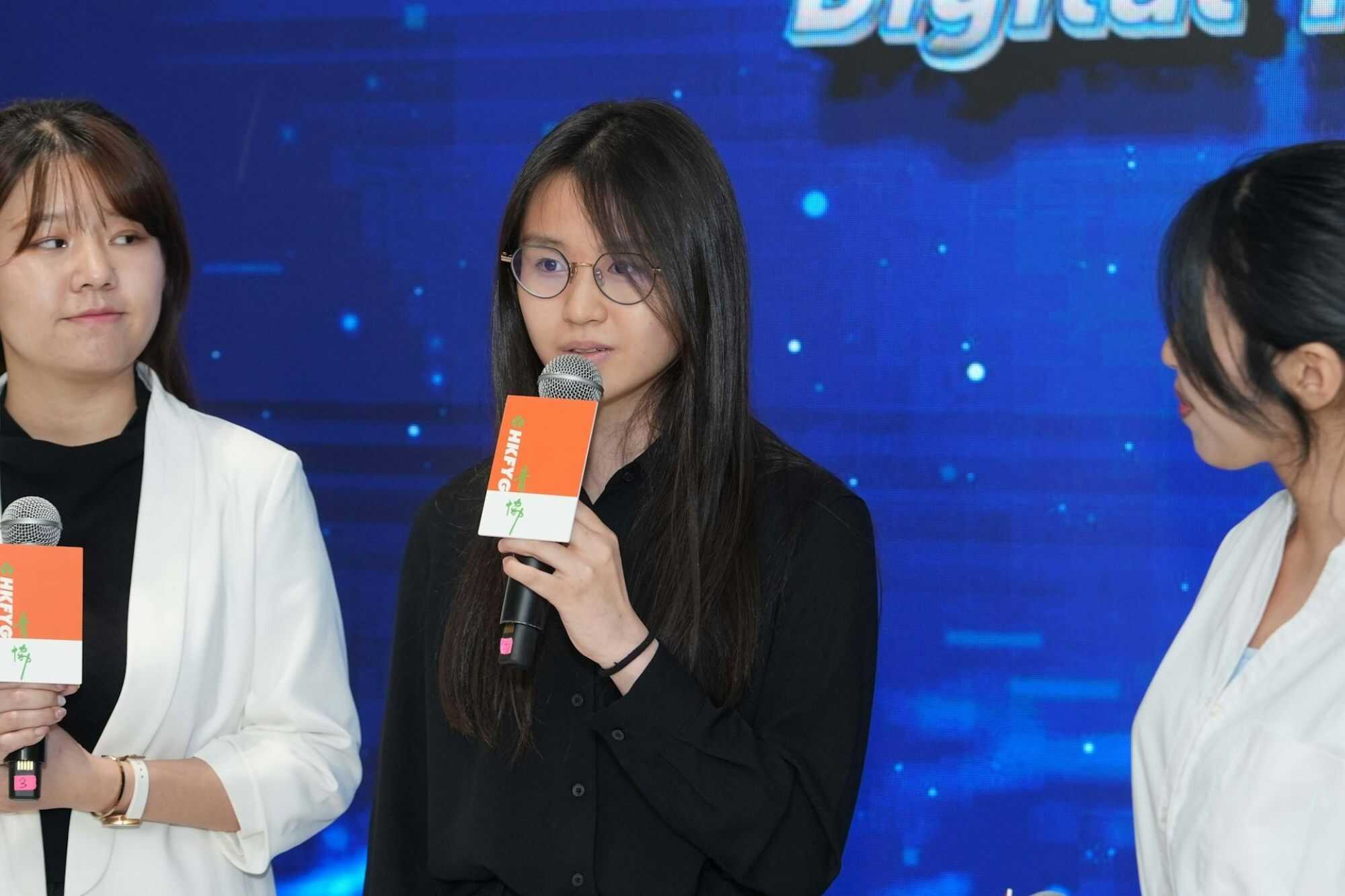
As team leader, she requested funding, managed budgeting and notices, and kept team members aligned.
“I found the work unexpectedly rewarding,” she said.
But in a field she described as predominantly male, she said her visible leadership “did bother some people”.
The lesson she carried forward was pragmatic: “There’s no need to be bothered. Just be patient.” She added that leadership should be built on trust, empathy and persistence.
Emily’s research interests reflected pressing global issues. Her first iGEM project addressed antimicrobial resistance. Later projects focused on cancer and cardiovascular disease.
Beyond research, she emphasised the value of learning, sharing her research with others by publishing her team’s work online and inviting the public to send feedback. That view also inspired her to make a biotechnology-based card game and storybook.
She printed 2,000 copies and brought them to shopping malls, community centres and school exhibitions.
Partnering with the Hong Kong Federation of Youth Groups, she demonstrated the game and gathered feedback using scannable QR codes.
Participants found it “fun and educational”, and a card‑game company invited her to its office to offer professional feedback.
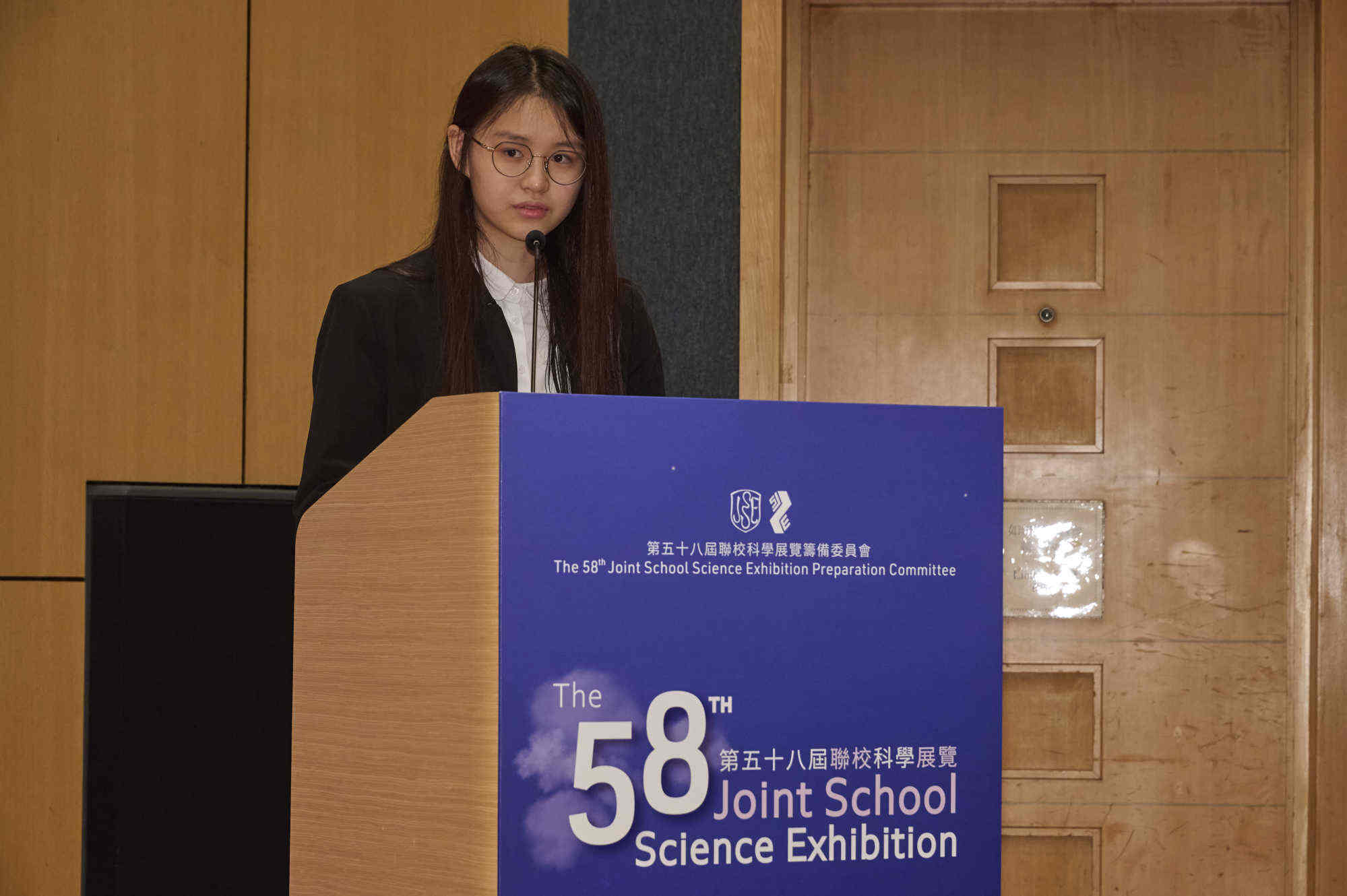
Emily’s leadership reached a new level last year when she became chairperson of the preparation committee for the 58th Joint School Science Exhibition, an event that serves 150 member schools and 550 participating schools.
The experience was rewarding yet demanding, she recalled. Organising a large exhibition involved hiring contractors and securing sponsorships and funding.
“The toughest lesson was [facing our] financial reality,” she said.
Last year, Emily was named the winner of the Scientist and Mathematician category at the 2024/25 Student of the Year Awards. The awards are organised by the South China Morning Post and solely sponsored by the Hong Kong Jockey Club.
Looking ahead, she said she envisions herself as an innovation and technology entrepreneur, expanding science’s reach through bold endeavours.
While acknowledging that “innovation is hard” in Hong Kong, she said she was encouraged by emerging innovation centres and the Greater Bay Area. The future, Emily believes, is “really bright”.