Hong Kong education sector experts have noted that students can benefit from taking a gap year after completing their university entrance exam. However, they emphasised the importance of setting clear goals for the future, as applicants with experience outside the classroom are increasingly valued.
NGOs and experts said that setting aside a year for internships, volunteer work or exchange programmes would enable students to understand different perspectives, build soft skills and learn new languages, helping them stand out amid stiff competition and the rise of artificial intelligence (AI).
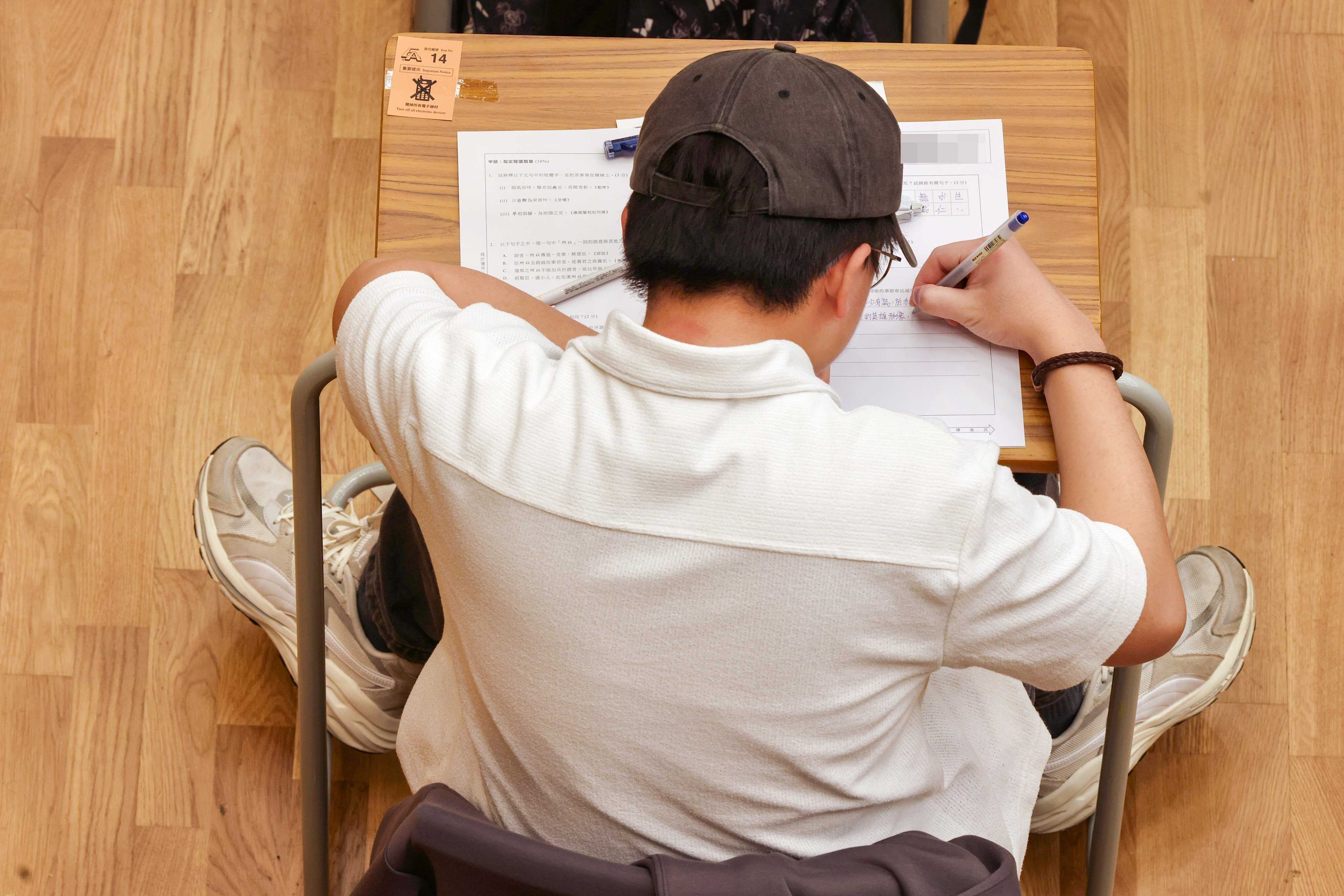
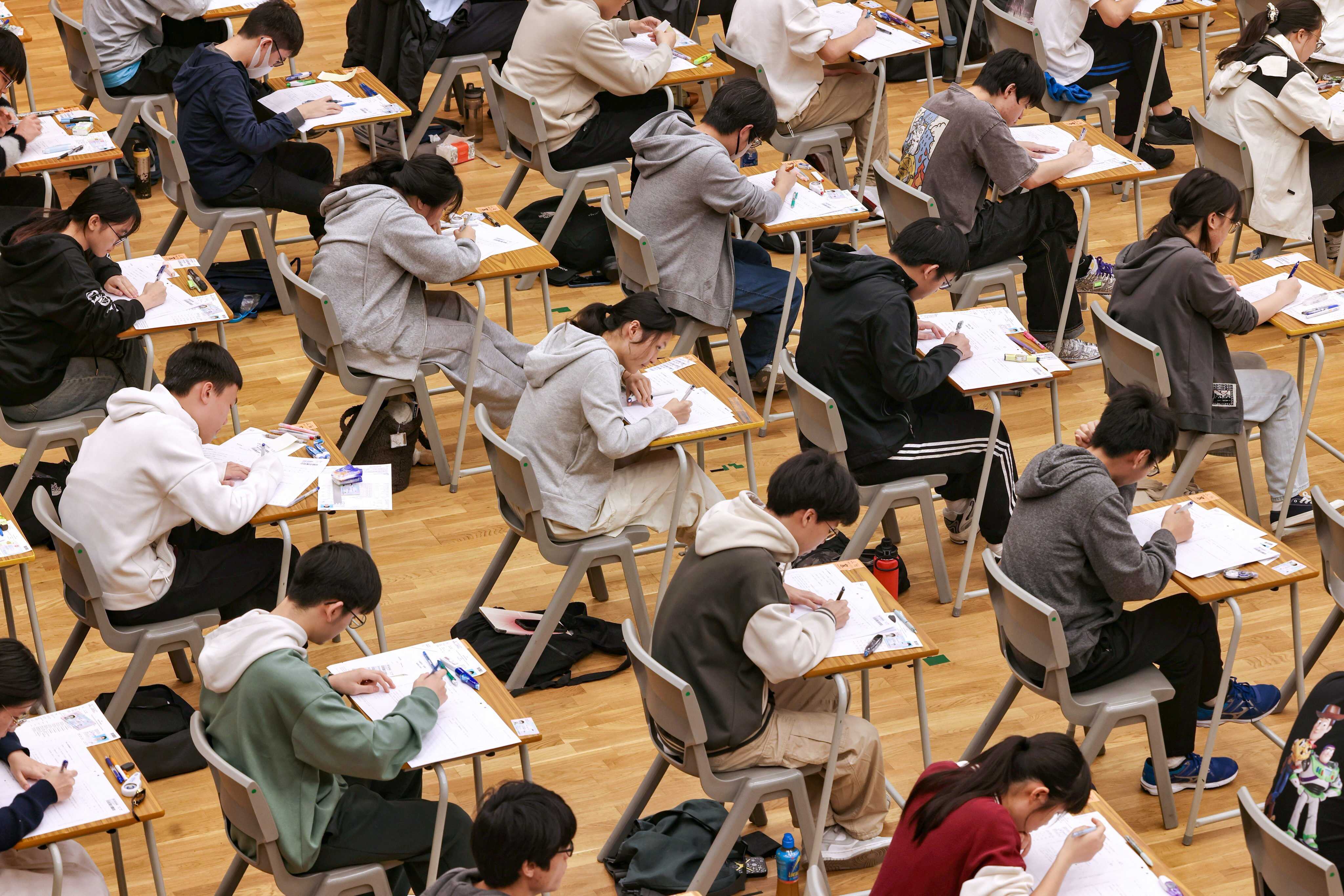
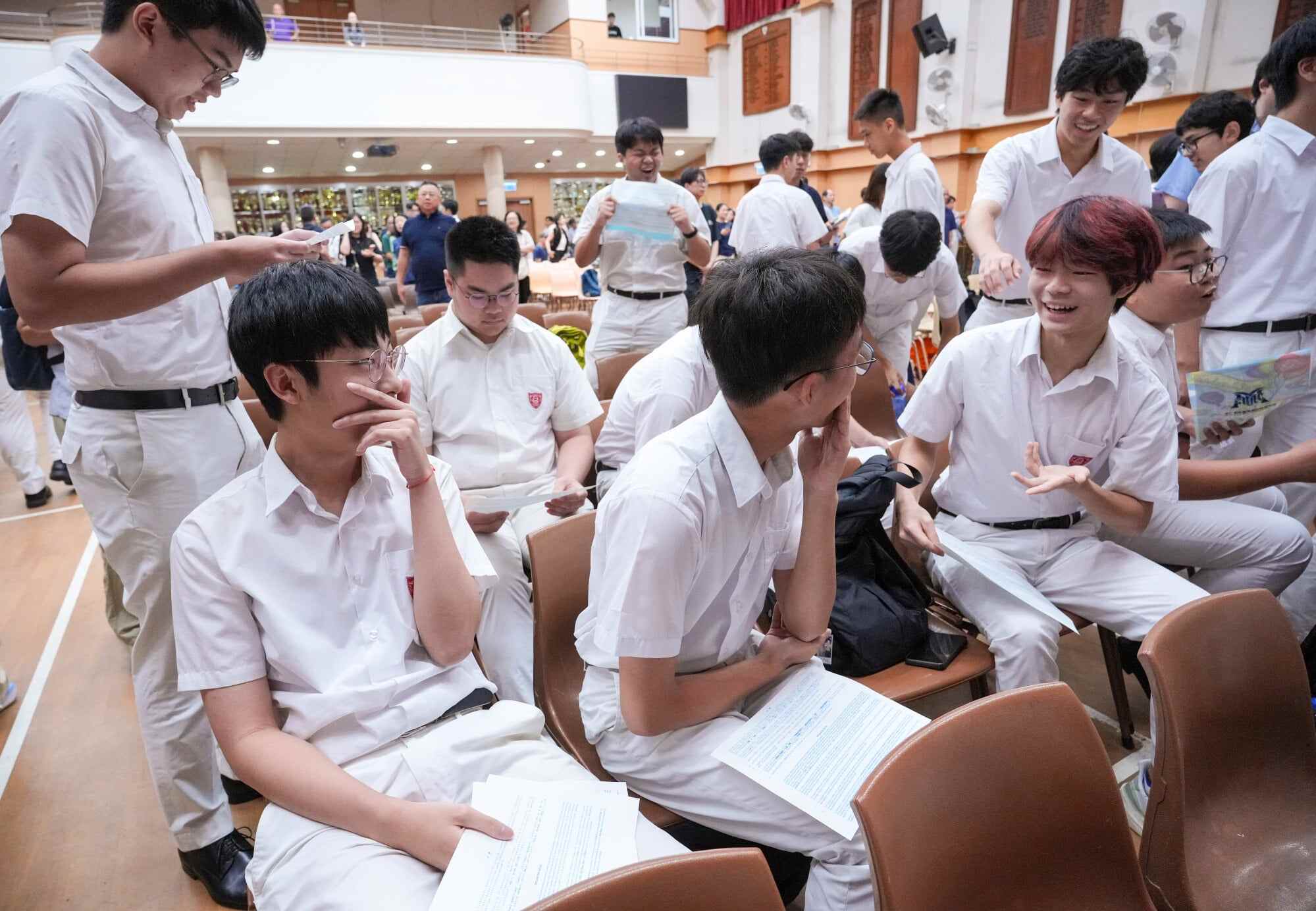
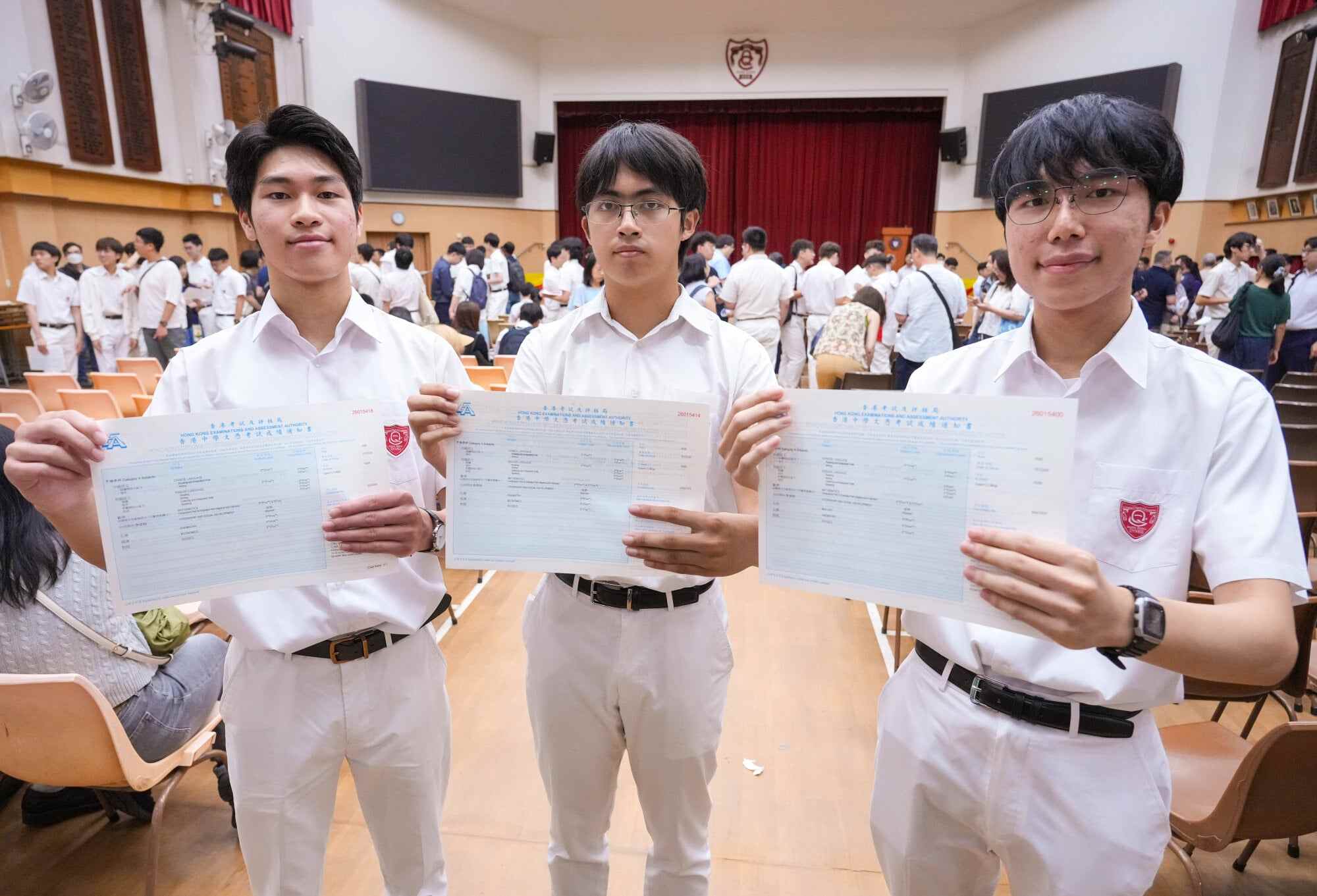
The results of the Diploma of Secondary Education (DSE) exams were released on Wednesday, with 58,487 candidates receiving their scores.
For the thousands of Form Six leavers who spent years preparing for the exam, taking a gap year has emerged as an alternative to heading straight for university.
AFS Intercultural Exchanges, a local NGO, runs a year-long overseas exchange programme for students aged 15 to 20.
This year, 11 of its 58 participants were Form Six leavers, a proportion that has held steady over the past few years.
The programme begins in August and runs until the following July, placing students in secondary schools abroad and with host families, who provide accommodation and allow them to experience daily life in another country.
AFS executive director Angela Yung Tak-ma said that Hong Kong’s secondary school system did not generally allow teenagers much room to take a pause and consider their future options.
“Going into a new environment allows the student to step outside their comfort zones, know themselves better and learn about the cultures and development of other places,” she said.
Yung said that the soft skills gained from living abroad, including empathy, leadership, adaptability and open-mindedness, were crucial for further studies and future careers, and could not be replaced by AI.
As most placements were in non-English-speaking countries such as Brazil, Germany and Latvia, students also picked up new languages through immersion, an asset she believed would serve them both in Hong Kong and on the global stage.
Jackie Chiu spent his gap year in Hungary through the programme in 2022-23 after graduating from secondary school, despite securing a place in a nursing programme at the Chinese University of Hong Kong (CUHK).
He said that he was inspired by an Italian exchange student who had come to his school in Form Four through the same scheme, and decided to seize the opportunity once he had completed his DSE exams.
“I did not just want to get into university and study without experiencing life. I also wanted to improve my language skills and meet people,” he said.
His host father was the principal of an English-language school, and Chiu took lessons there to improve his English while picking up basic Hungarian.
Chiu said that his parents had worried that his DSE results might no longer be accepted after a year away, but his school principal was supportive and wrote to CUHK, which allowed him to defer his enrolment.
“Before getting into university, I was still not quite sure about studying nursing. But my host family’s son was a doctor, and that really inspired me to go into the medical field to serve people,” he said.
Ng Po-shing, a consultant at student guidance centre Hok Yau Club, said that a gap year gave students the chance to explore their interests and chase dreams which their daily school routines and exams rarely allowed for, but added that setting goals was important.
“You need a goal for the year, whether that is gaining new skills or relevant experience. How you present what you achieved will determine whether schools or employers see the year as a period of rest or productive [learning],” he said.
He noted that only a minority of students took a gap year right after the DSE, with many fearing that changing application numbers could affect their chances of admission.
“But more colleges and universities in Hong Kong are now looking beyond scores and recognising the value of gap year experience,” Ng said.
Samuel Chan Sze-ming, founder of education consultancy Britannia StudyLink, said that a gap year could help students discover whether they were suited to certain fields through internships or taking part in start-ups or research projects.
He added that a gap year was not only a break but part of a holistic education increasingly valued by top universities in Hong Kong and worldwide.
“Universities will not penalise you for taking a gap year. If you are not pursuing professional or vocational subjects, having diverse experience beyond the classroom shows passion and curiosity about your chosen field, and makes you stand out among candidates – especially now that Hong Kong is attracting more top talent,” he said.
Chan said that students should start planning in Form Four or Five, and budget around HK$100,000 (US$12,800) to HK$150,000 for their gap year.