When a group of students harvested carrots they had spent weeks growing, they expected to fill their baskets. Instead, they pulled out tiny carrots that barely filled their hands.
Some students in this programme run by the NGO, School of Everyday Life, wanted to take the harvest home for cooking. But one wanted to sell the carrots.
Instead of telling the child this was “wrong”, the teacher asked a simple question: “Why?”
“The child was probably disappointed, rather than wanting to sell it,” said Eno Yim, executive director of the School of Everyday Life, which works with Hong Kong schools to cultivate values through experiential learning.
“The teacher didn’t reject the idea immediately. Instead, she tried to understand why the student did it that way and how he felt.”
This activity was part of the Compassionate Children Programme, initiated by The D. H. Chen Foundation and co-created with the School of Everyday Life. It has partnered with 15 local primary schools since its launch in 2020.
Its aim is to bring compassion-based education to pupils across the city. For Yim, this is not just about teaching children what to think, but creating space for them to understand how their thoughts and emotions shape their experiences.
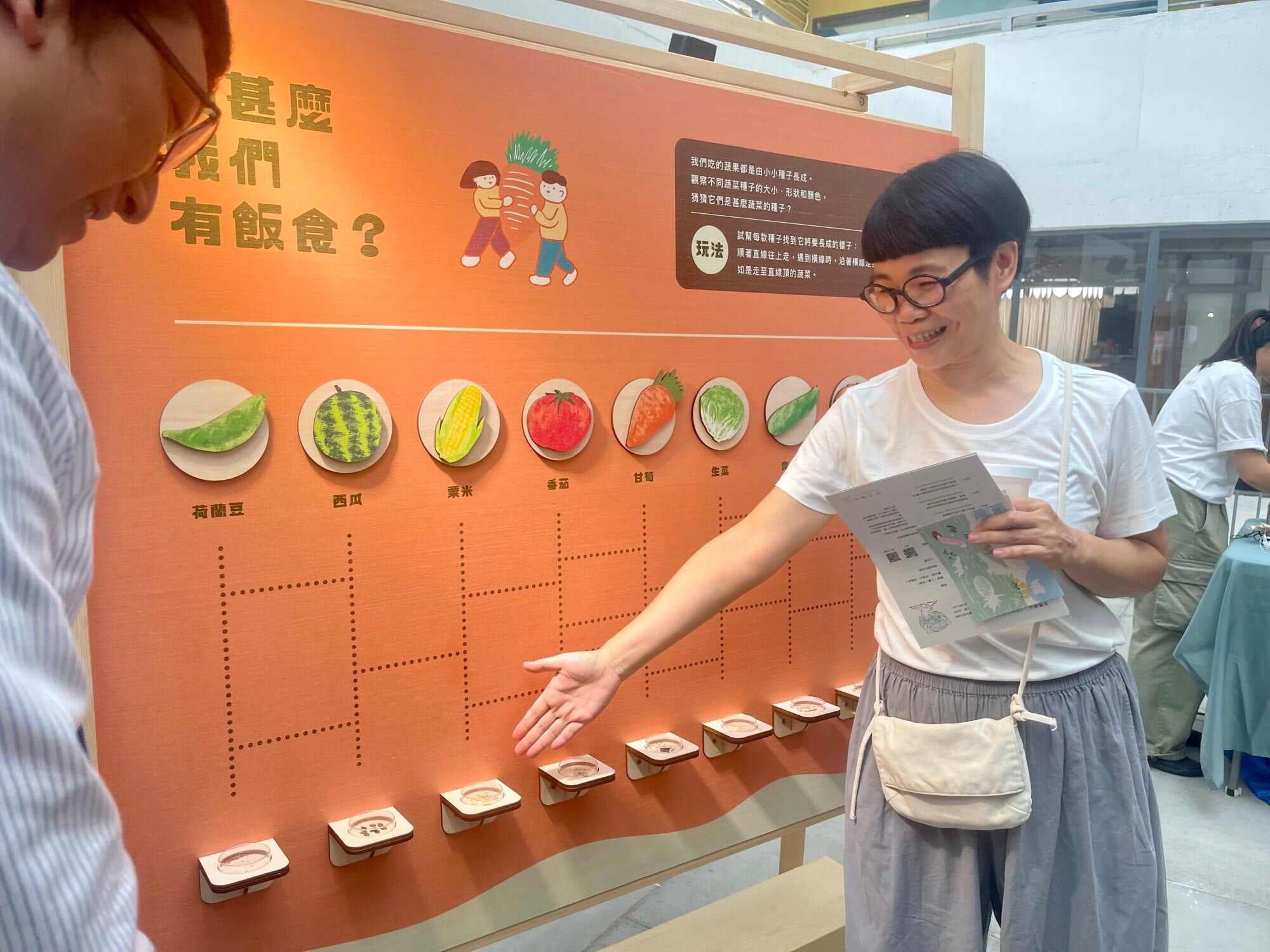
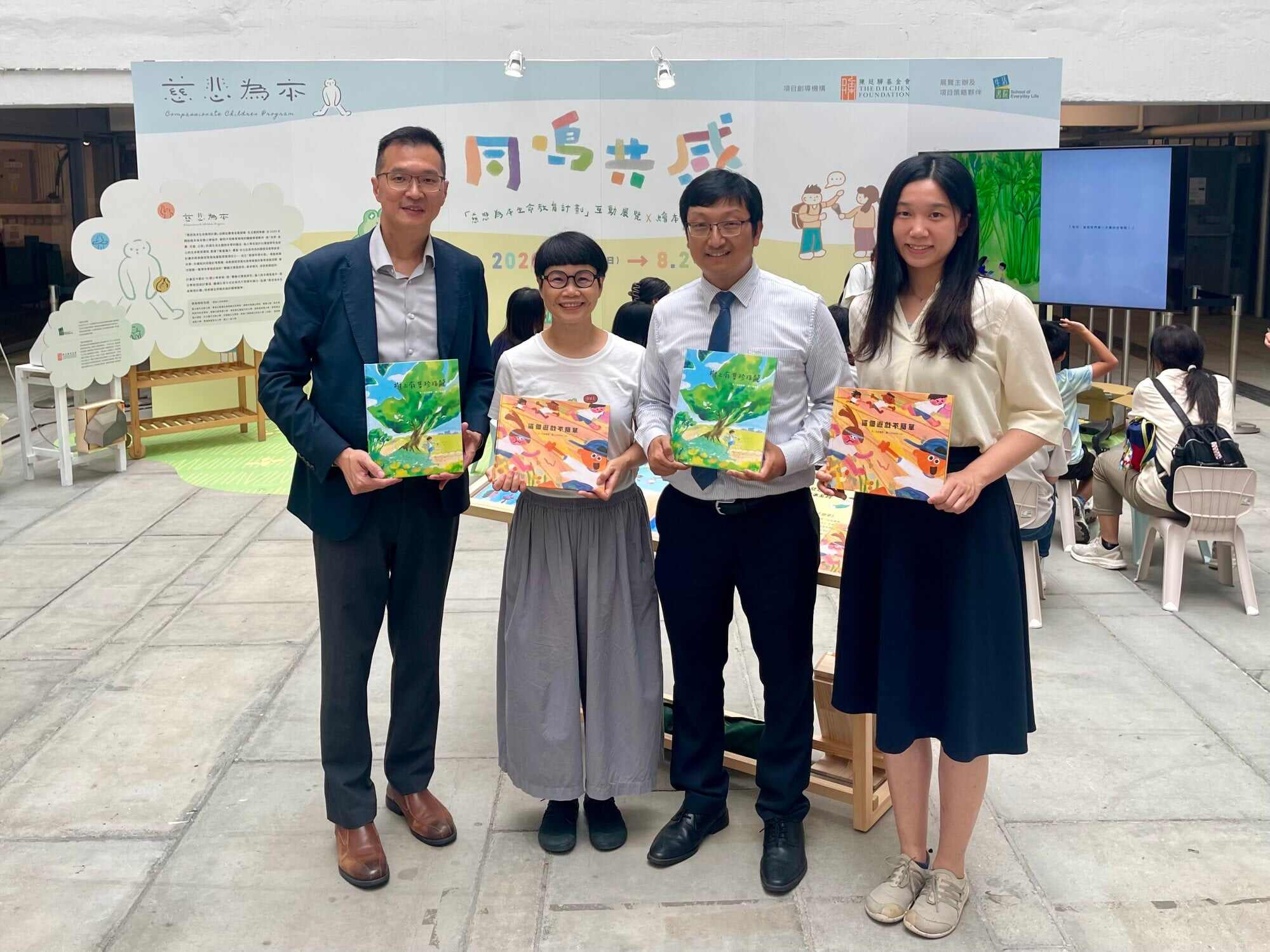
This approach to education was showcased at the “Resonance and Empathy – Compassionate Children Programme” Interactive Exhibition, which ended earlier this month.
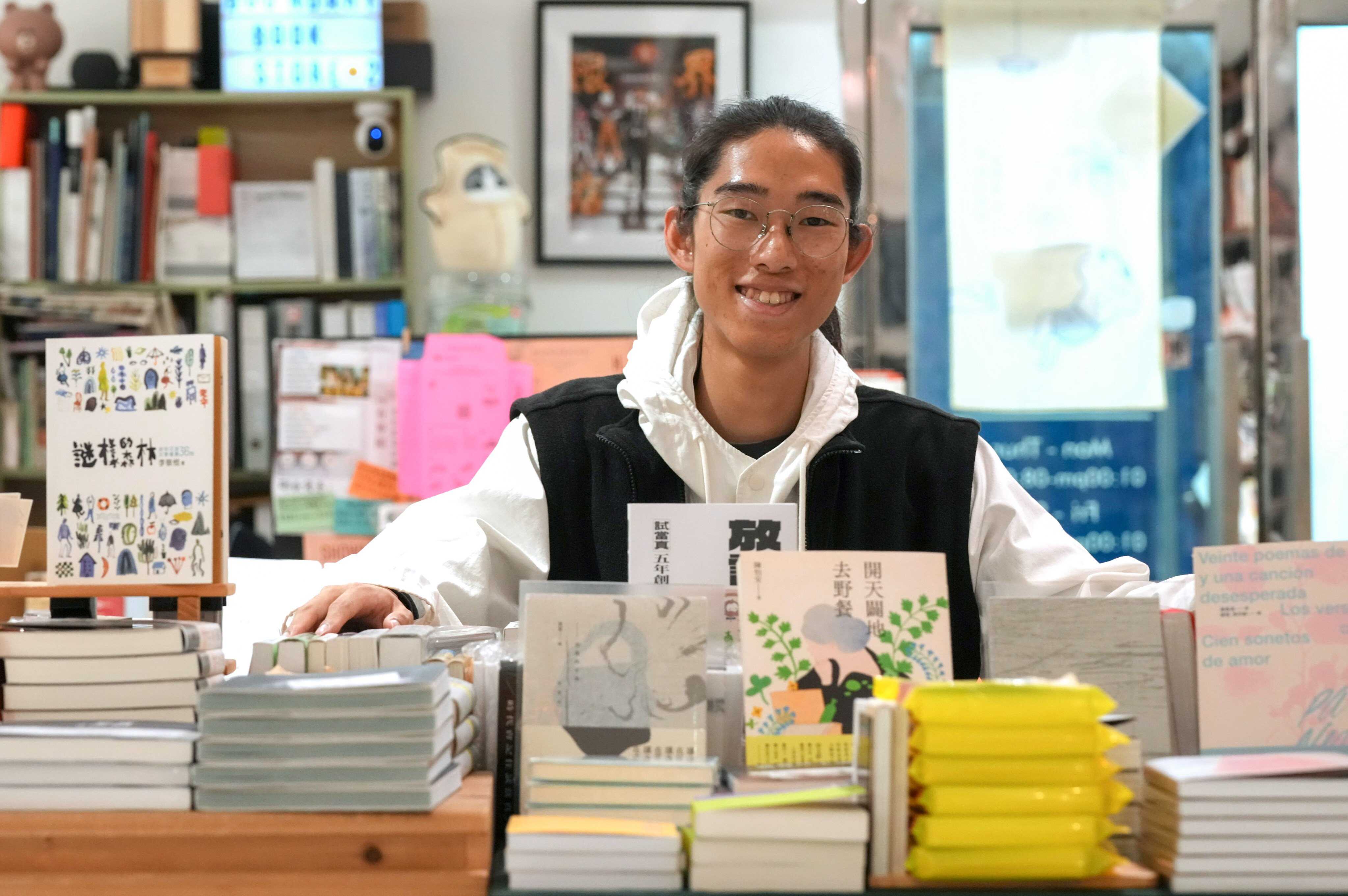
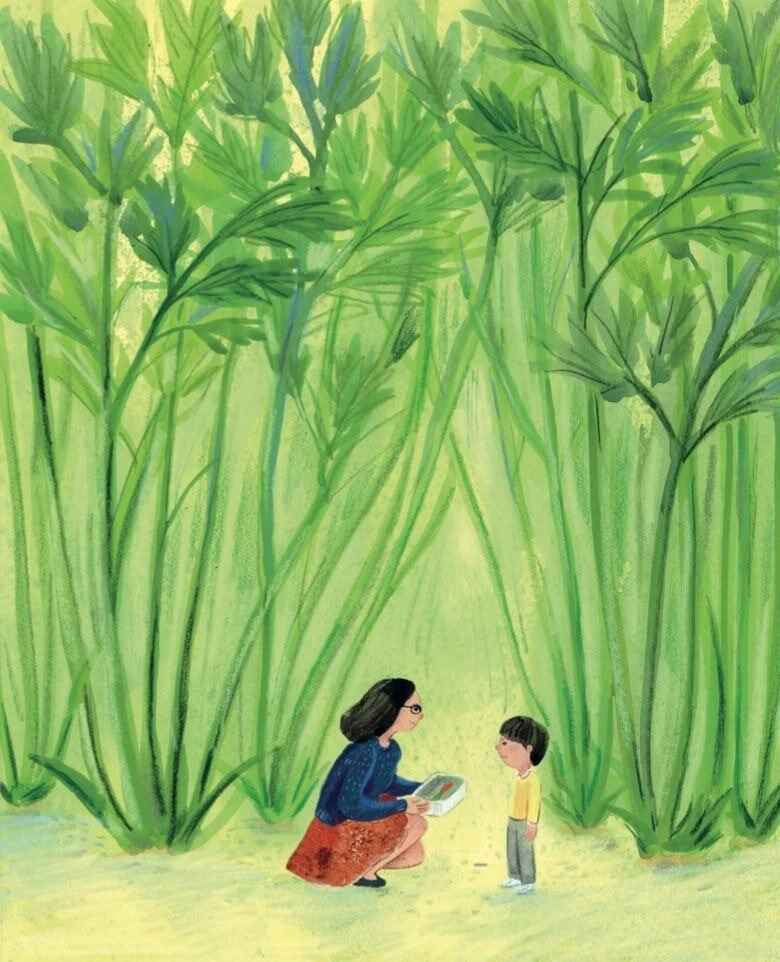
The exhibition transformed years of classroom practice into interactive picture book reading sessions, parent-child workshops and activities that encourage discussion about values. The event also showcased four picture books based on stories from participating schools.
More than academics
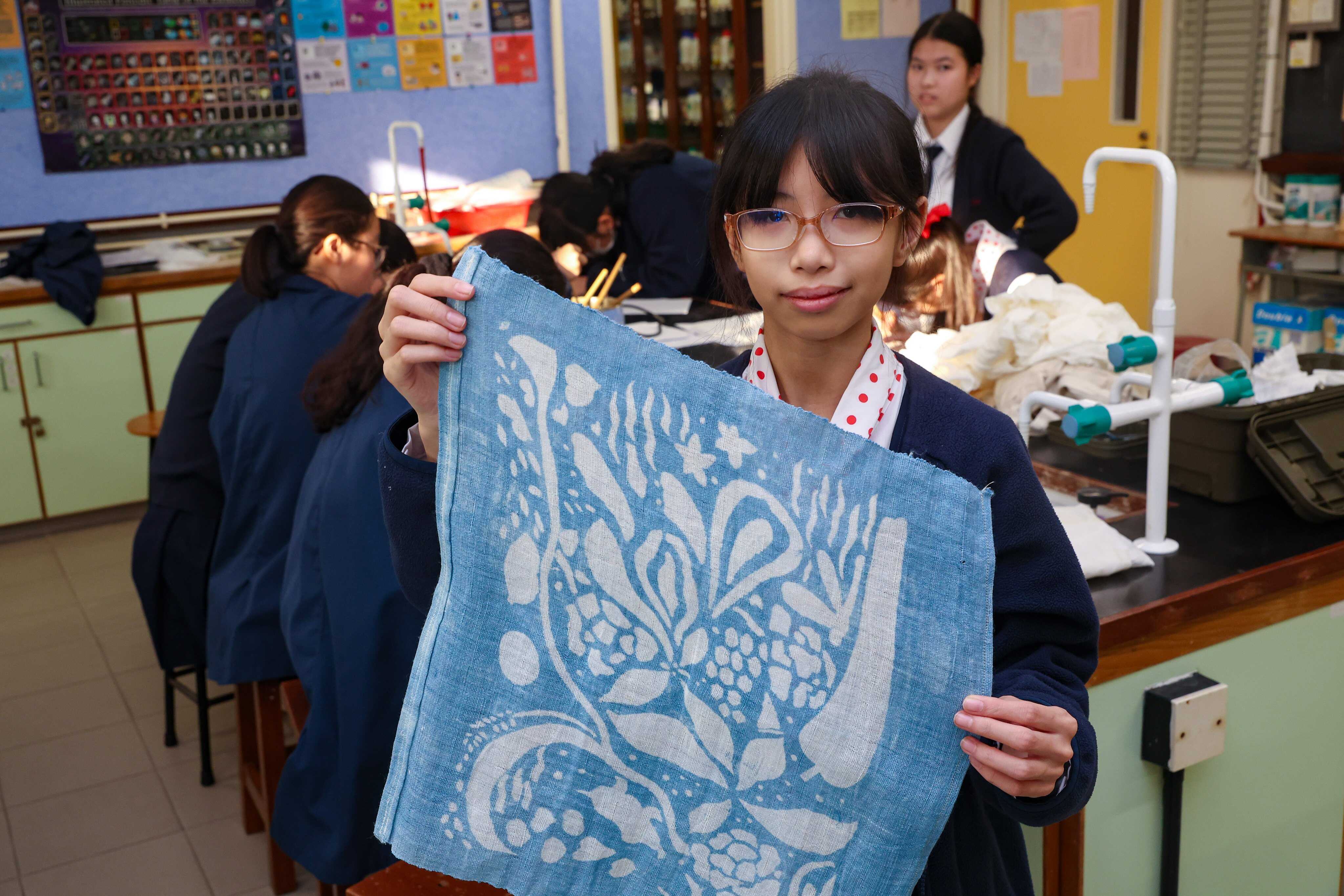
The Compassionate Children Programme brings together four themes: nature, agri-food, community and citizenship. Students grow vegetables, observe insects, interview school workers and explore their neighbourhoods before reflecting on these experiences.
“We hope to return to the fundamentals of what education is truly about – nurturing human beings,” said Karen Cheung, a trustee and chief strategist from The D. H. Chen Foundation.
“The exhibition marks a milestone opportunity to extend its reach beyond the school setting into the wider community, sparking broader conversations about the purpose of education and the qualities we hope to nurture in the next generation.”
For participating schools, the decision to join the programme came from a belief that academic knowledge alone is not enough for pupils’ development.
“What we want students to learn is not just knowledge-based education,” said Kurt Ma Chung-tsun, the principal at Buddhist Chung Wah Kornhill Primary School.
“We’re teaching a student how to be a person ... Values like how to respect life, how to be caring, how to take responsibility – that’s what we need most in this era.”
Principal Peter Lee Kwok-chiu from St Bonaventure Catholic Primary School said those values had become even more crucial in the age of artificial intelligence (AI).
“When we coexist with AI ... [human] values become even more crucial,” Lee said.
Life education
Educators said the programme appealed to them because it provided a structured curriculum integrated into everyday teaching, rather than one-off sessions. It also delivers content that traditional academic frameworks might miss.
For teachers, they were learning alongside their students.
Cosanne Ching Laam, the special educational needs coordinator at St Bonaventure Catholic Primary School, recalled how partner organisations brought fresh mandarin oranges for students to smell and touch.
“The Primary One students’ eyes lit up looking at the mandarin,” Ching said. “It broke through our traditional textbook-based teaching.”
The programme also encourages teachers to avoid providing solid answers and, instead, to leave “blank space” for children to share their reflections.
Ching believes this approach can support students in internalising what they learn.
“If that experience and that sharing are in the students’ own words, then that learning is truly theirs,” she said.
Small changes, lasting impact
Compassion-based education’s effect on students often starts small, but for educators, these little moments matter just as much as big academic achievements.
Ching recalled that after students interviewed school janitors as part of the programme, some pupils began greeting the workers by name every morning. One even started giving a janitor a Christmas present each year.
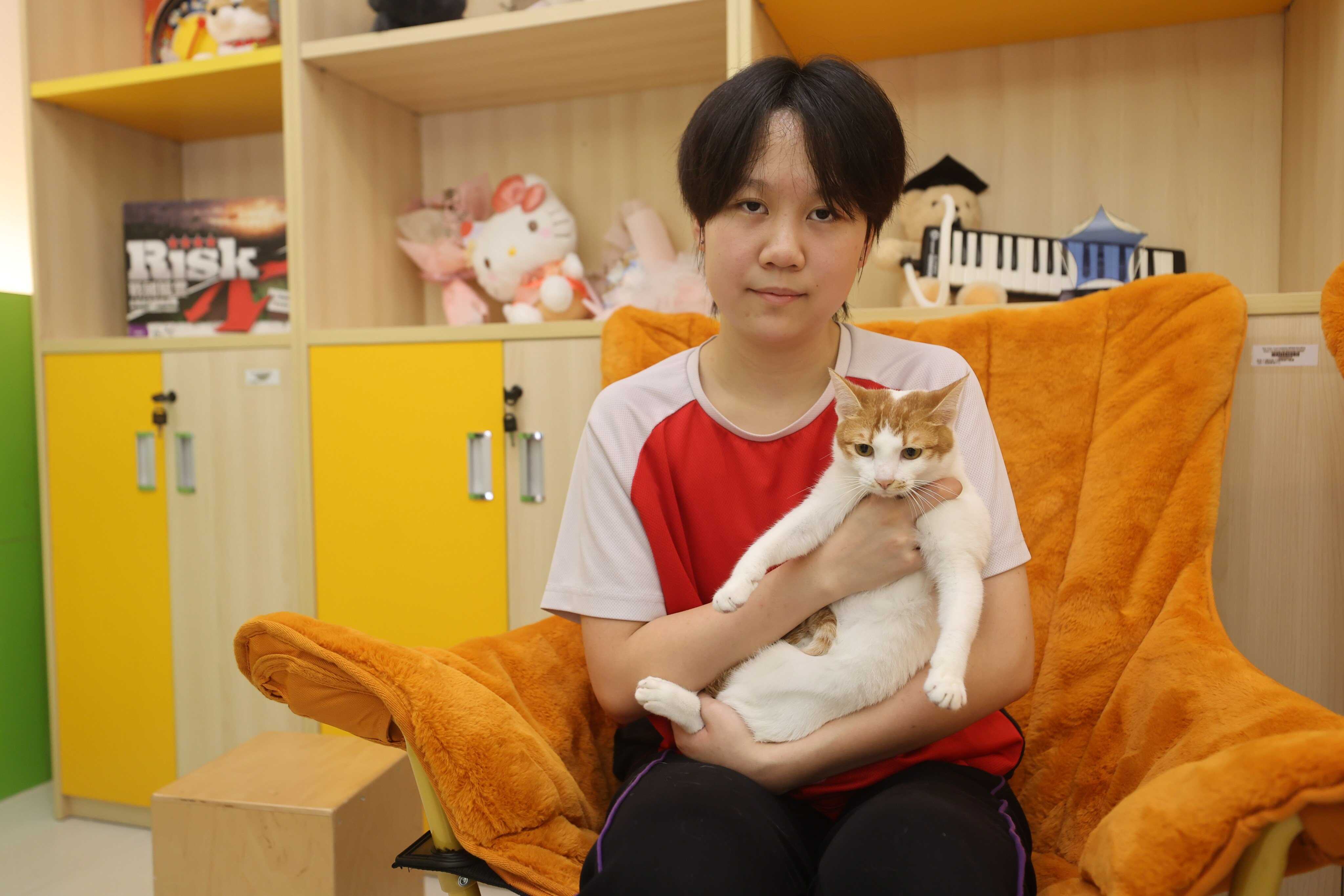
Principal Lee noted how students persuaded teachers to protect a stray cat carrying her newborn kittens during a black rainstorm last summer. They even voluntarily raised money for vet expenses.
The school is still taking care of these adopted cats, and Lee believes this is a vivid example of an ongoing lesson about responsibility and compassion.
Lee said this programme also helped children discover their strengths outside their studies.
In interviews with students, he discovered that some with weaker academic results showed exceptional kindness and creativity.
Principal Ma said that education should teach students how to navigate society in the future.
“If we do values education well, they’ll be able to carry themselves far in life,” Ma said.