When did you last put your phone down to look at a plant?
At Kadoorie Farm and Botanic Garden, an art exhibition invites people to slow down and appreciate Hong Kong’s plants.
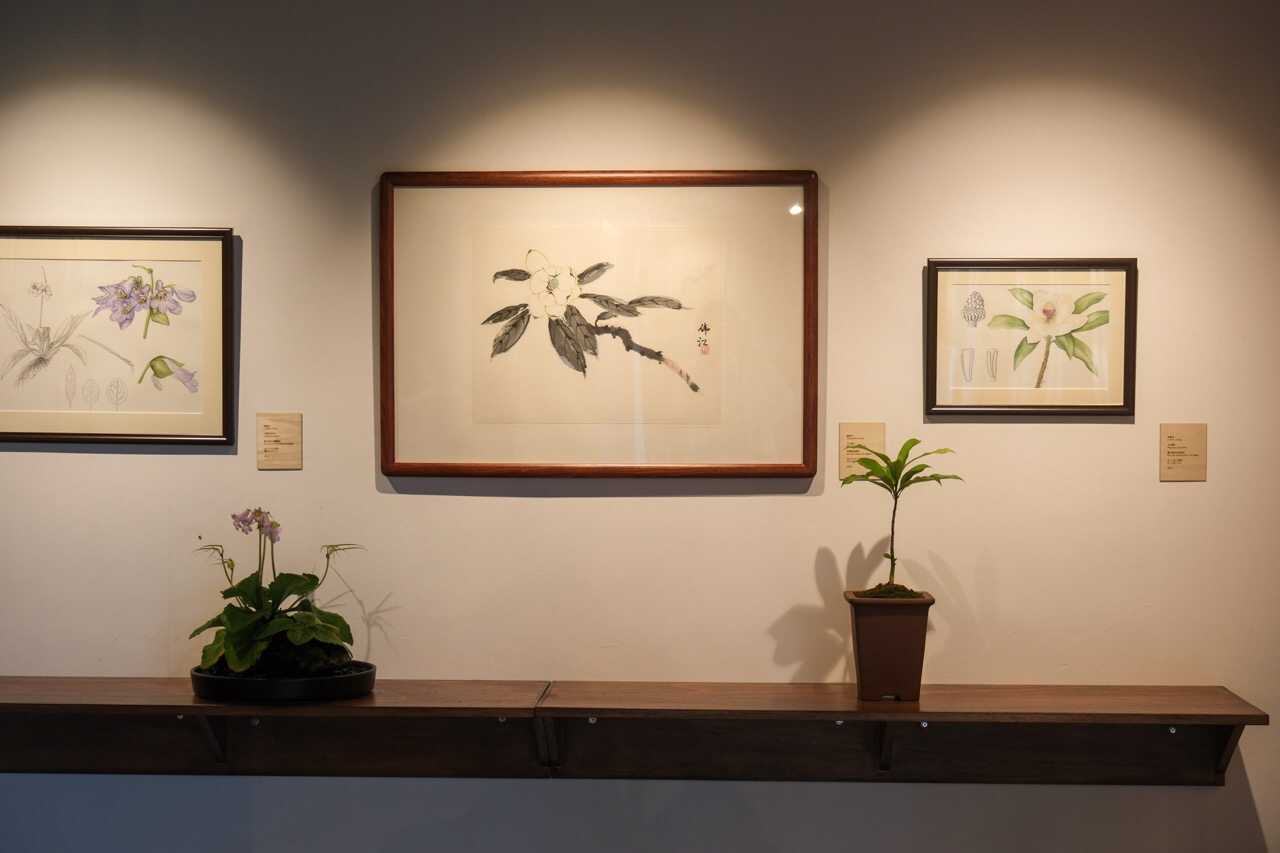
The event is named “Impressions, Expressions – Feeling and Depicting Nature”. It shows seven native Hong Kong plants. It hopes to show the vital roles these plants play.
There are about 2,300 species of native plants in Hong Kong, according to the farm’s records.
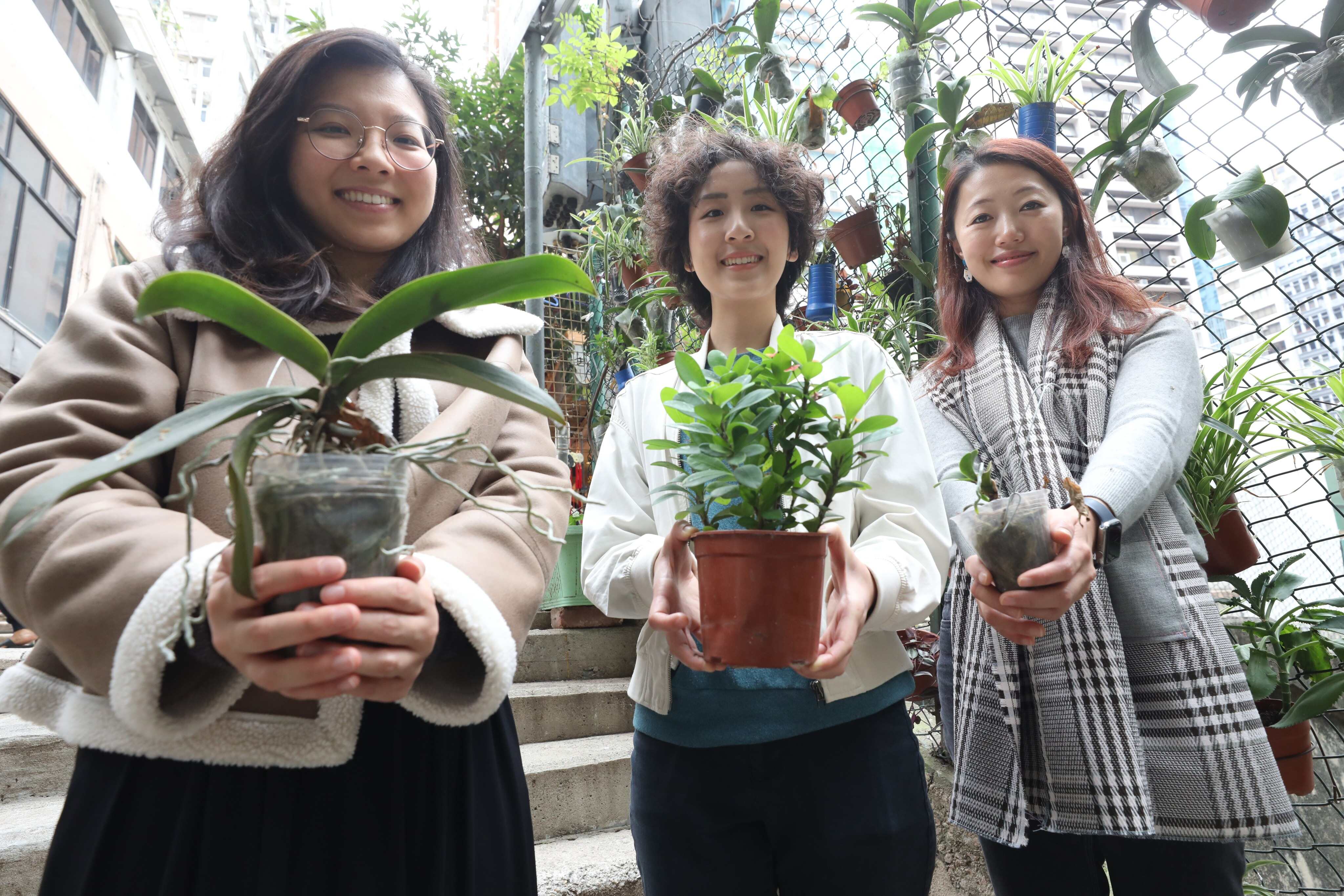
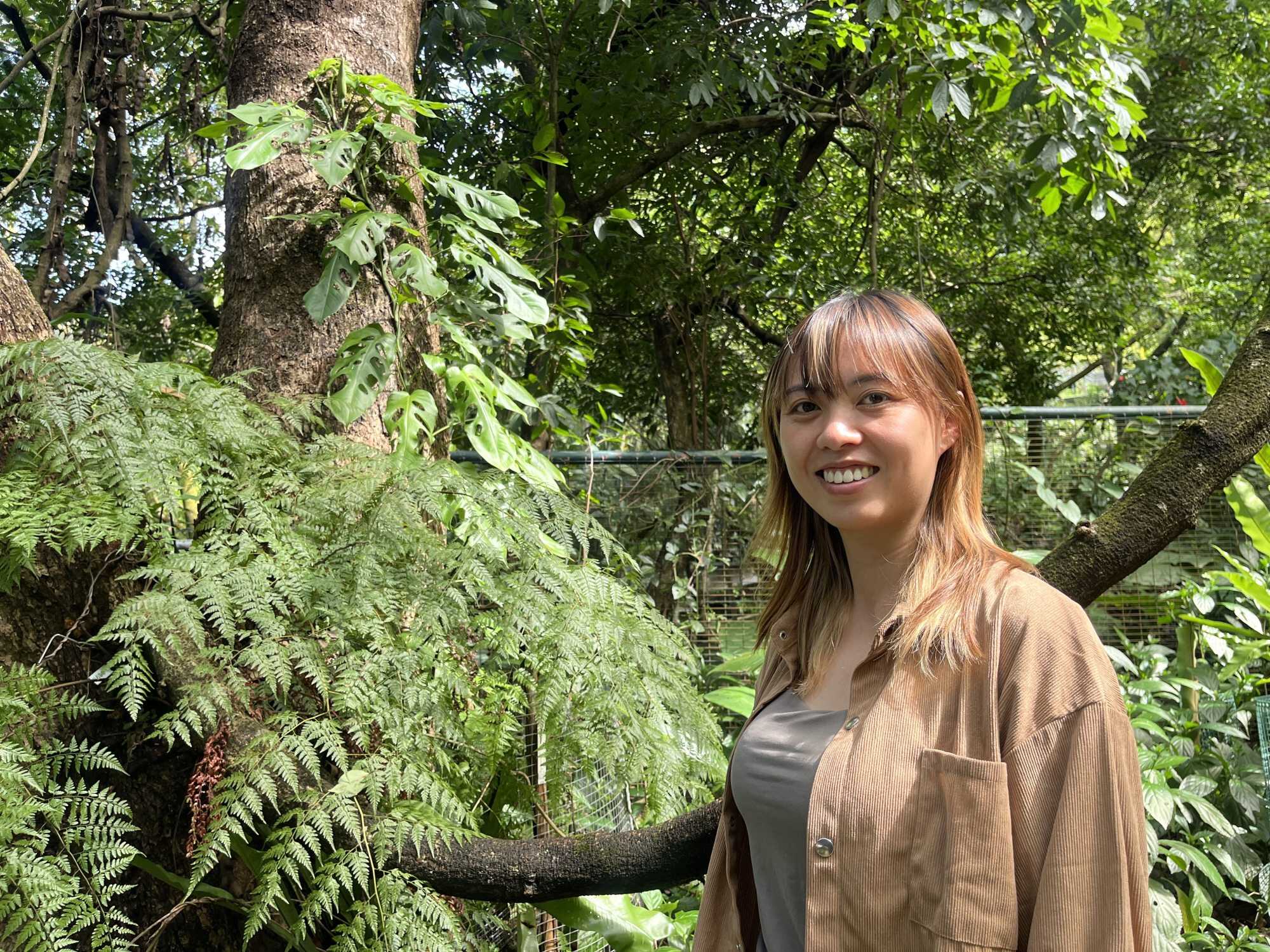
Alice Hiu Ching-lam is a senior art education officer at the farm. She said the exhibition showed the threats native plants face.
“We hope the viewers will pause and observe every plant,” she said.
“Even if you aren’t sure if it’s native, just take some time to look at it, or flip over its leaves, or count how many petals it has.”
Science and art
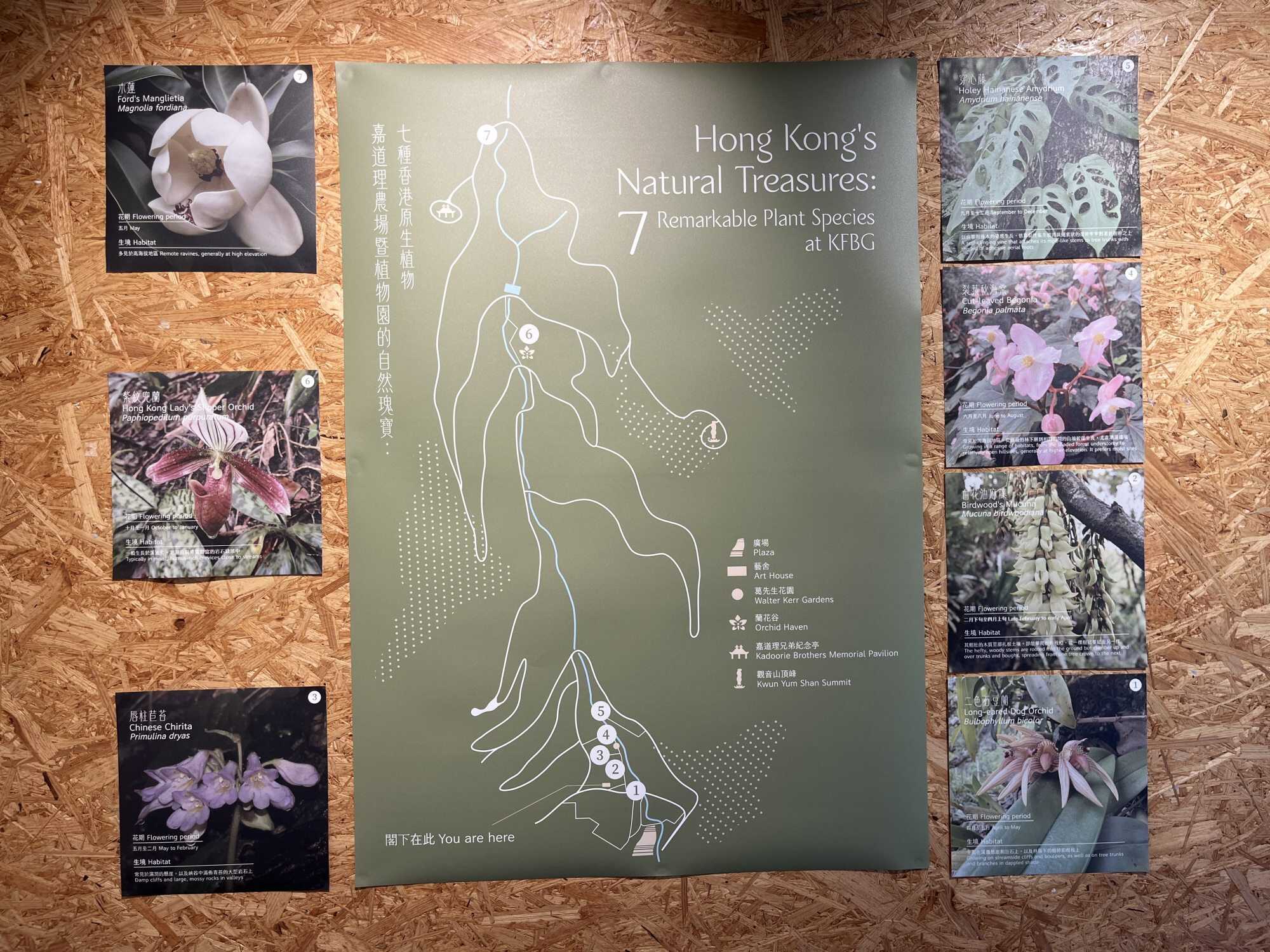
The exhibition shows seven plants. These include the long-eared dog orchid, Chinese chirita, Hong Kong lady’s slipper orchid, Ford’s manglietia, Birdwood’s mucuna, holey Hainanese amydrium and cut-leaved begonia.
“You might see Birdwood’s mucuna even when you go hiking, but you don’t really get to know it any better,” Hiu said. “So we wanted to select these types of plants in the exhibition to make people aware of what they are looking at.”
About 1,800 people visited the exhibition between October 10 and October 31.
Displayed with each plant is a scientific illustration and a traditional Chinese ink painting. These artworks were made by local artists Jenny Li Man-ching and Kelvin Yeung Wai-kong.
Hiu explained that they wanted to combine the precision of science and the fluidity of art.
“Scientific illustrations provide accurate representations of flora, while traditional ink painting adds emotional depth and cultural significance,” she said.
“This fusion allows us to tell a comprehensive story about nature that resonates on both intellectual and emotional levels.”
See these plants in action
Cherry Wong is the farm’s content management officer. She pointed out that the Birdwood’s mucuna showed the city’s biodiversity. Animals like masked palm civets eat its fruits and spread its pollen.
“We hope that people will take an extra two steps to understand the relationship between plants, and between flora and fauna,” Wong said.
“You become curious about it. Then, you fall in love with it. And only then will you develop the mindset and action for protection and conservation.”
Wong added: “The final, ultimate goal is that nature and humanity coexist harmoniously.”
Visitors can also see these plants in their natural homes by joining a guided tour of the farm’s trails.
Hiu and Wong recommended visitors take a shuttle bus to the peak. From there, they can walk downhill to finish the trails. This takes about two hours.
“We hope visitors leave the exhibition with a sense of wonder and a new-found respect for the natural world,” Hiu said.
The exhibition ends on December 31. It is open from 9.30am to 4.30pm at the Art House of the Kadoorie Farm and Botanic Garden.