While leading educational tours last summer in Hong Kong’s mudflats, Yeung* witnessed the ecosystem overwhelmed by more than 200 people at a time.
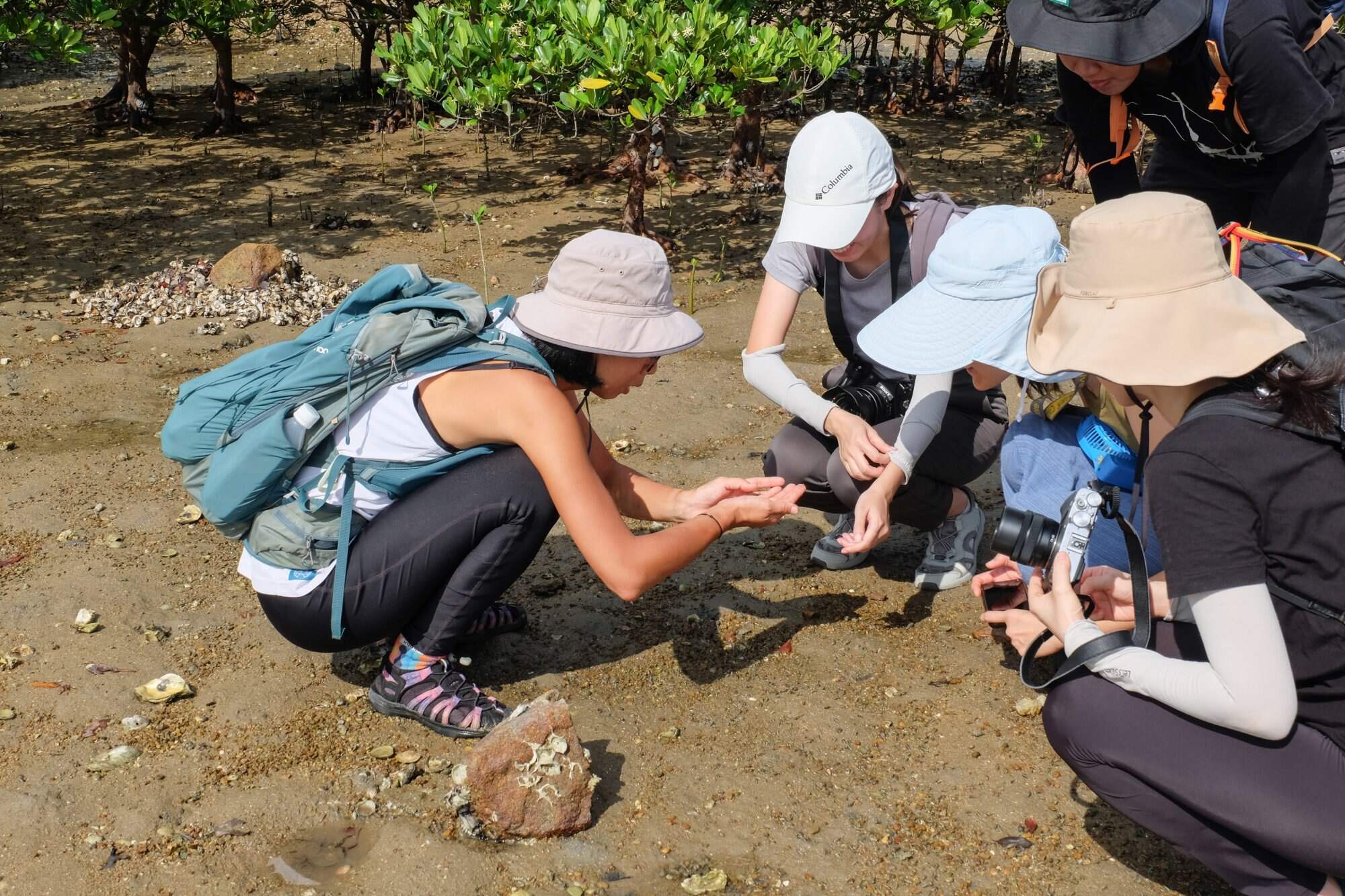
The environmental educator known as Sheeppoo kept her groups small to reduce disturbance to the mudflats, which are crucial to the city’s biodiversity. But the Hongkonger noticed few others taking such precautions.
She watched them trample through the habitat as they took photos with sea stars stacked in piles or arranged around their feet, before tossing them into the water.
These fragile creatures experience stress when they are not in water, and if they are touched, they can be easily damaged by the oils or sunscreen on people’s hands.
“Even though these groups had leaders or guides, few offered reminders or tried to stop such behaviour,” said Yeung, who is in her 30s. “Their priority seemed to be fulfilling the itinerary: see the sea stars quickly; take photos; then, rush back to the tour bus for the next stop.”
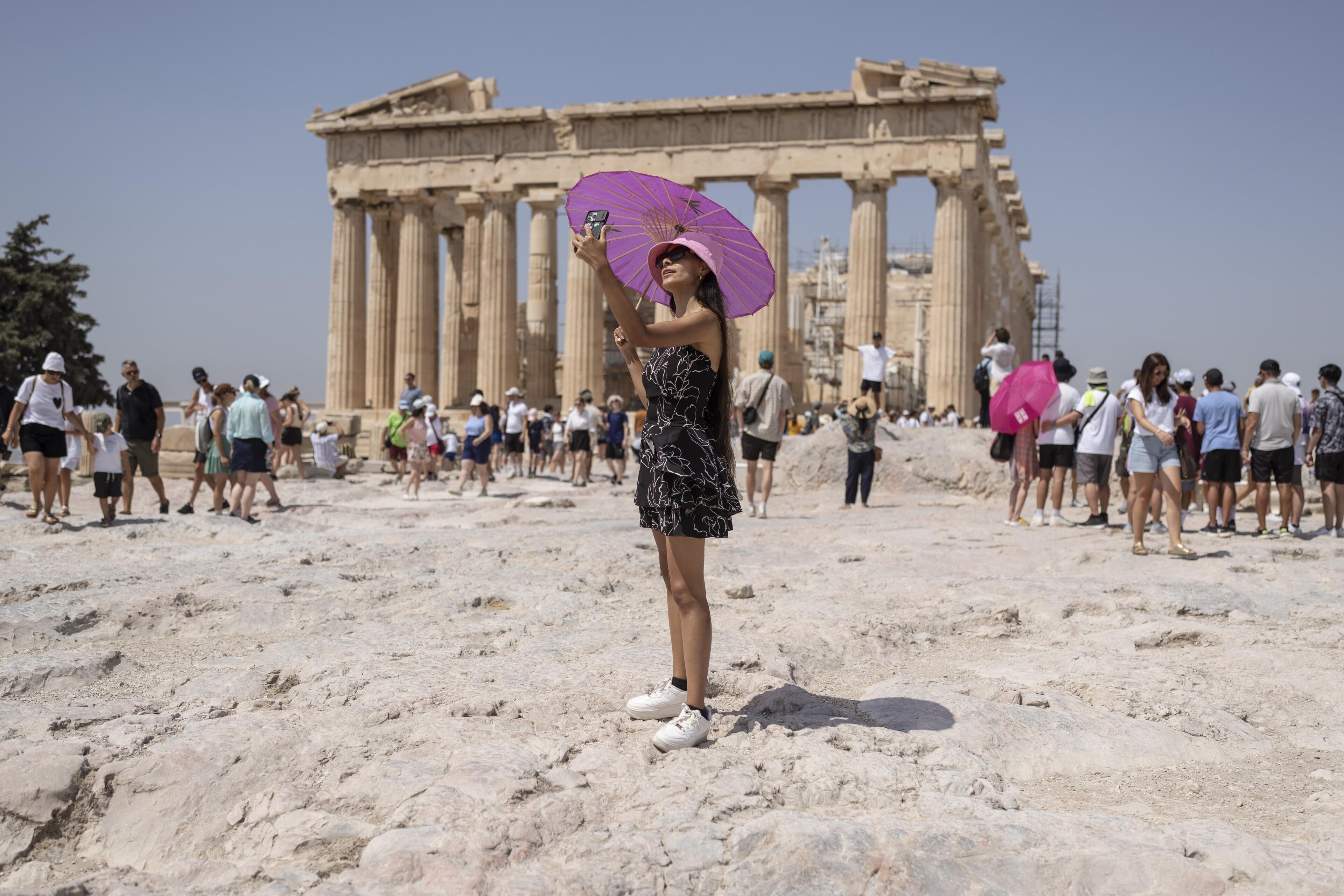
In recent years, Hong Kong’s wild side has drawn a surge of tourists looking to experience a greener side of the city. But environmental advocates caution that the rise in these so-called ecotours is sliding into overtourism, eroding the very landscapes visitors come to appreciate.
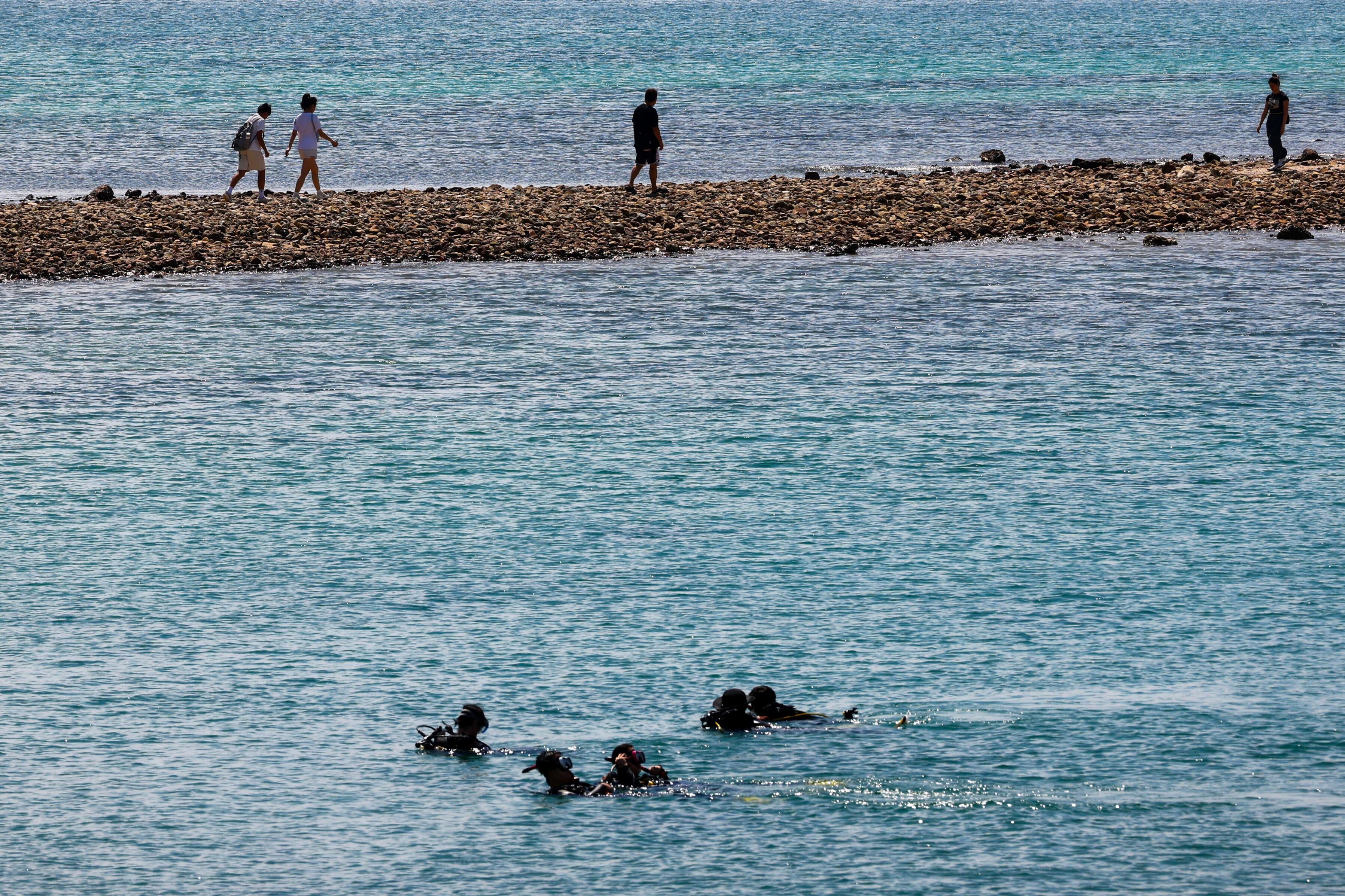
In October, Sharp Island, part of the Hong Kong Unesco Global Geopark, became a hotspot for mainland Chinese tourists after posts went viral on social media apps like RedNote. Many snorkellers damaged its coral reefs. Weeks later, hundreds of hikers flocked to Sunset Peak for its seas of silver grass.
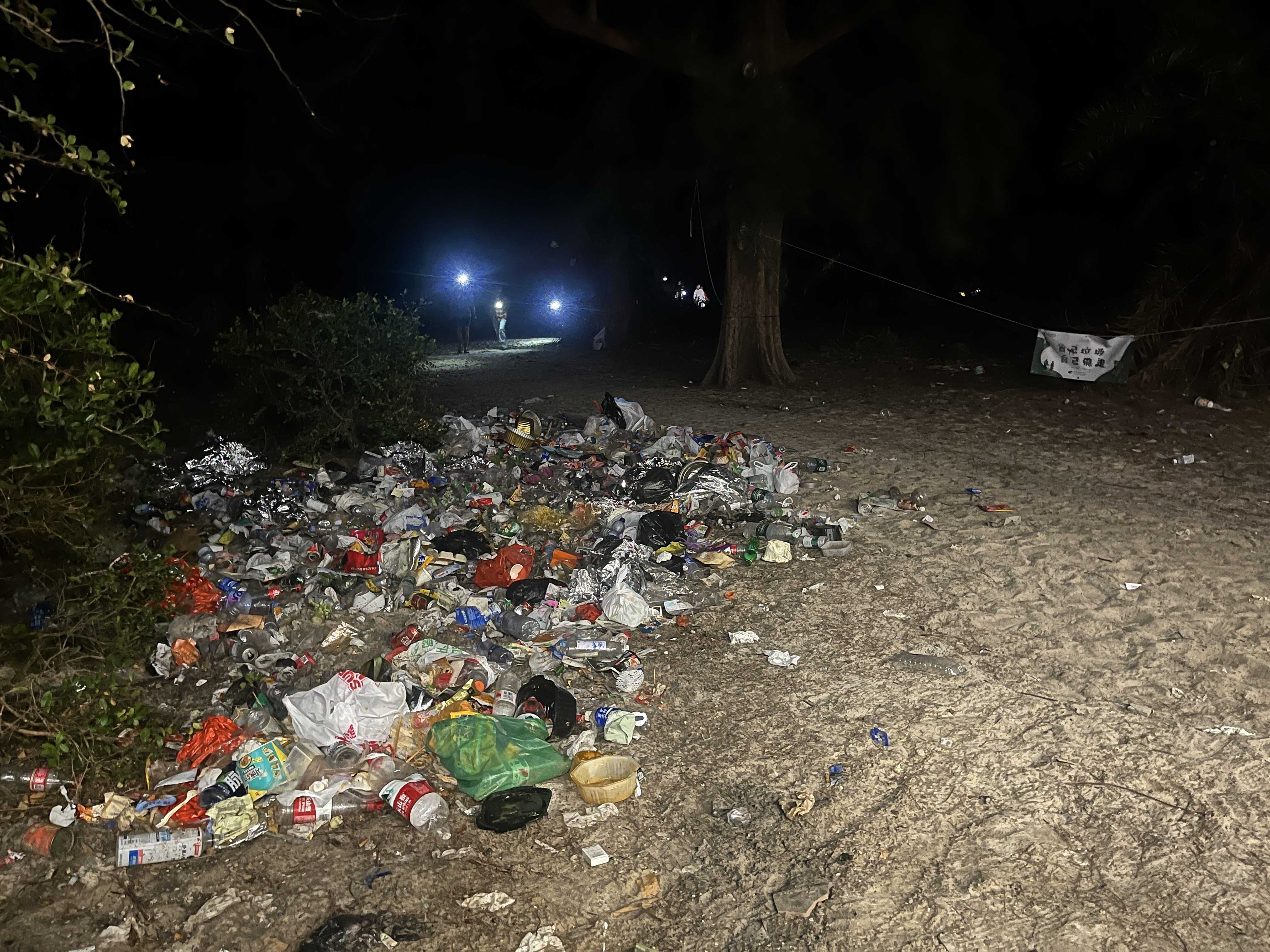
On the weekend before the Christmas holiday, hundreds of people descended on Ham Tin beach, a popular camping spot in Sai Kung. They left a trail of trash outside a public toilet, ignoring signs urging visitors to handle their own rubbish.
Yeung pointed to how social media posts could propel a remote beach or trail into overnight fame.
“But when that ... draws large crowds, damage becomes inevitable,” she said, adding that even conscientious visitors could overwhelm an area.
“Once numbers exceed what the environment can handle, harm becomes unavoidable.”
Thus, Yeung said, there was an urgent need for officials to assess and regulate the maximum number of humans that an ecosystem could handle.
Why should conservation be prioritised?
In the development blueprint released in 2024 for the city’s tourism industry, the government identified ecotourism as a priority that could “utilise Hong Kong’s precious and unique island and coastal resources”.
The blueprint calls for growing tourism while protecting the environment, but Greenpeace campaigner Ha Shun-kuen said ecotourism must put conservation first.
“Ecotourism cannot be separated from ecology,” Ha said. “It has to respect and conserve the environment.”
When wildlife is prioritised, ecotourism becomes more sustainable as it does not deplete natural resources.
On land, the impacts of overtourism are visible. Rubbish dots beaches and trails. Carelessness sparks dangerous mountain fires. Footpaths in country parks widen, encroaching into nearby habitats.
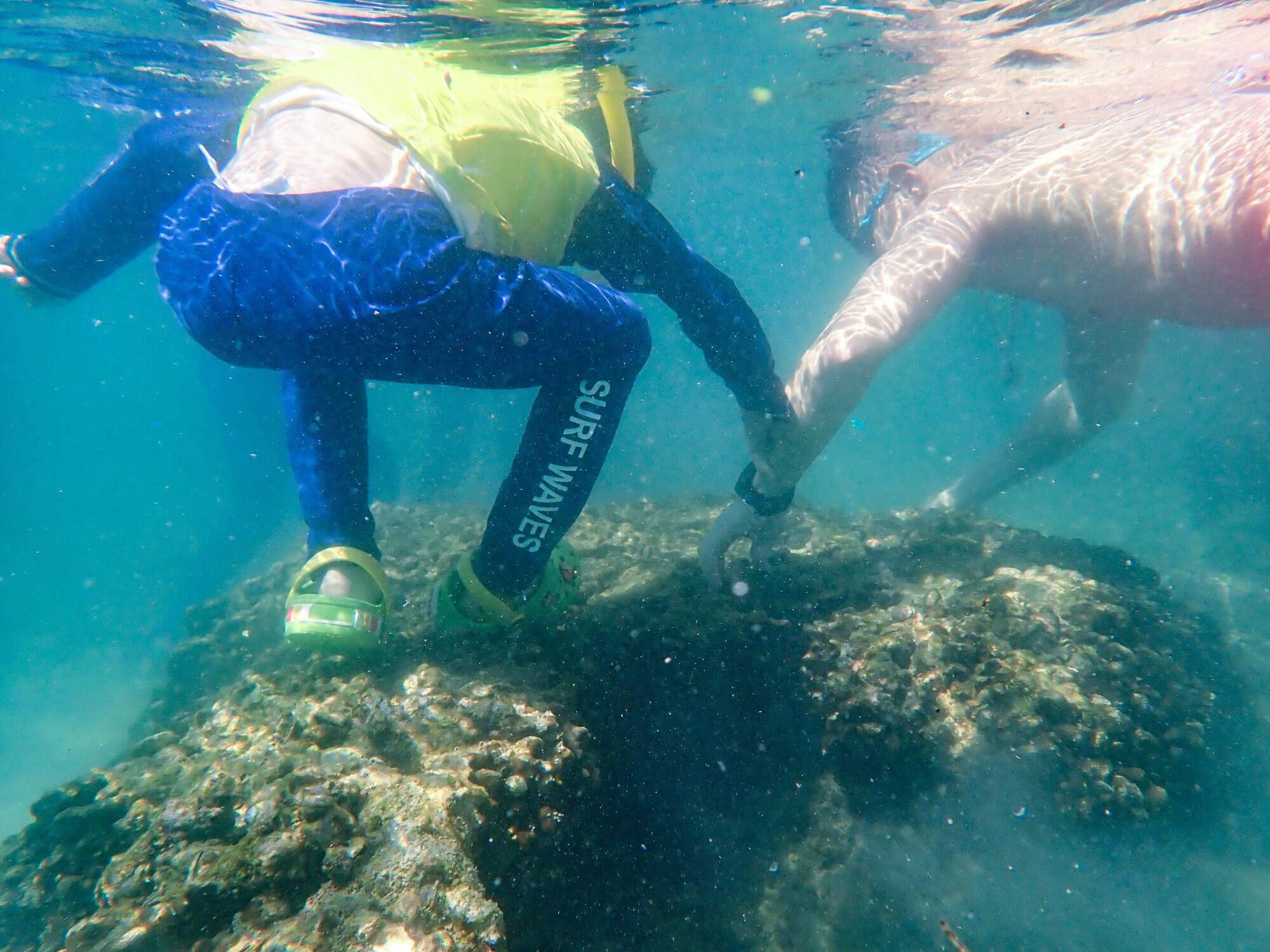
But under water, Yeung said, damage could be harder to detect and even harder to reverse.
She noted that many clownfish now swim towards humans expecting food. These swarms of fish do not reflect nature but human interference as people feed them bread and siu mai.
Both Ha and Yeung said the Sharp Island incident was a wake-up call to the harm caused by unregulated nature-based excursions, which have become more popular since the pandemic.
“It was a flare-up that finally made us realise this has been happening for a long time,” Yeung said. “The damage is increasing, and we need measures to stop it.”
For Ha, this exposed the authorities’ oversight, noting that their supervision was “practically nonexistent”.
“Officials responded only after public outcry, offering on-site reminders and distributing leaflets,” he said.
“That was far too little, too late.”
According to Ha, one major gap is that many of the city’s ecologically sensitive sites are not legally protected.
Thus, authorities lack the legal tools to intervene.
“This policy vacuum is critical – it leaves the area unprotected and enforcement powerless,” he said.
Ha noted how Sharp Island’s corals fall outside marine parks, and its tombolo is not part of a country park.
“If the government wants to prevent further loss, it must first identify ecologically sensitive areas lacking legal protection,” he said. “That requires baseline studies. Without them, authorities don’t know which islands or geopark sites carry ecological value.”
How the city can do better
Ha said Hong Kong ecotourism was still at “a very early stage” due to its lack of a basic policy framework.
“We often describe the government’s approach as ‘three nothings’: no definition, no guiding principles and essentially no policy,” he said, adding that the industry would have no model to follow and officials would lean towards prioritising tourist numbers over conservation.
Ha said officials should begin by conducting studies on the ecological impact of their plans. He called for the Culture, Sports and Tourism Bureau to work with tour companies to form a comprehensive ecotourism policy.
If authorities know certain sites face seasonal surges, Ha said they should anticipate and manage the flow of visitors rather than react after damage occurs.
Ha noted the conservation-first approach in Beijing’s ecotourism development plan issued in 2016, adding that “Hong Kong shouldn’t lag behind national standards”.
Many other tourist destinations, such as Japan, Europe and Thailand, have zoning systems that designate which ecological areas must be protected and which could accommodate visitors.
“Hong Kong needs a similar planning mindset, not simply opening ecological areas to mass tourism for convenience,” Ha said.
The campaigner added that Hong Kong needed more thoughtful, long-term education efforts for the adults who often dominate nature activities, as well as those who may become the next generation of hikers.
Yeung recalled seeing pupils leave rubbish along a hiking trail during a school trip.
“Teachers might ask them to clean up at the end, but by then, some rubbish has already blown into the ravine,” Yeung said. “Awareness has to begin before the outing even starts.”
She added: “The long-term approach is to teach children early so awareness grows over decades.”
* Full name withheld at interviewee’s request.