Deep Dive delves into hot issues in Hong Kong and mainland China. Our easy-to-read articles provide context to grasp what’s happening, while our questions help you craft informed responses. Check sample answers at the end of the page.
News: Overtourism in a Unesco-listed geopark
-
Greenpeace calls for ecological protection of the city’s outlying islands
-
More than 4,000 people landed on Sharp Island on National Day
A site inspection by Greenpeace revealed that 4,062 people visited Sharp Island, also known as Kiu Tsui Chau, on October 1, marking the first day of the National Day “golden week” holiday.
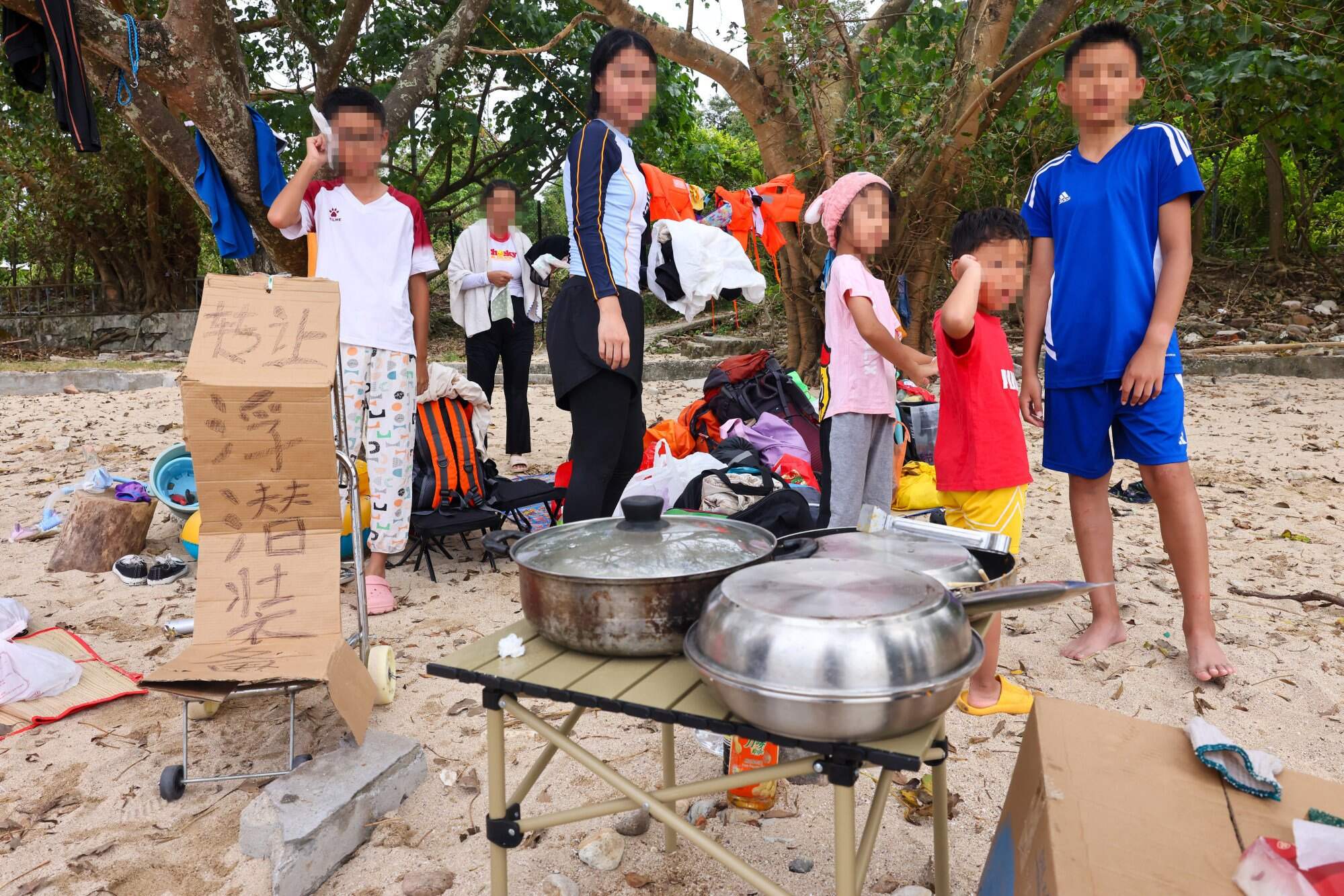
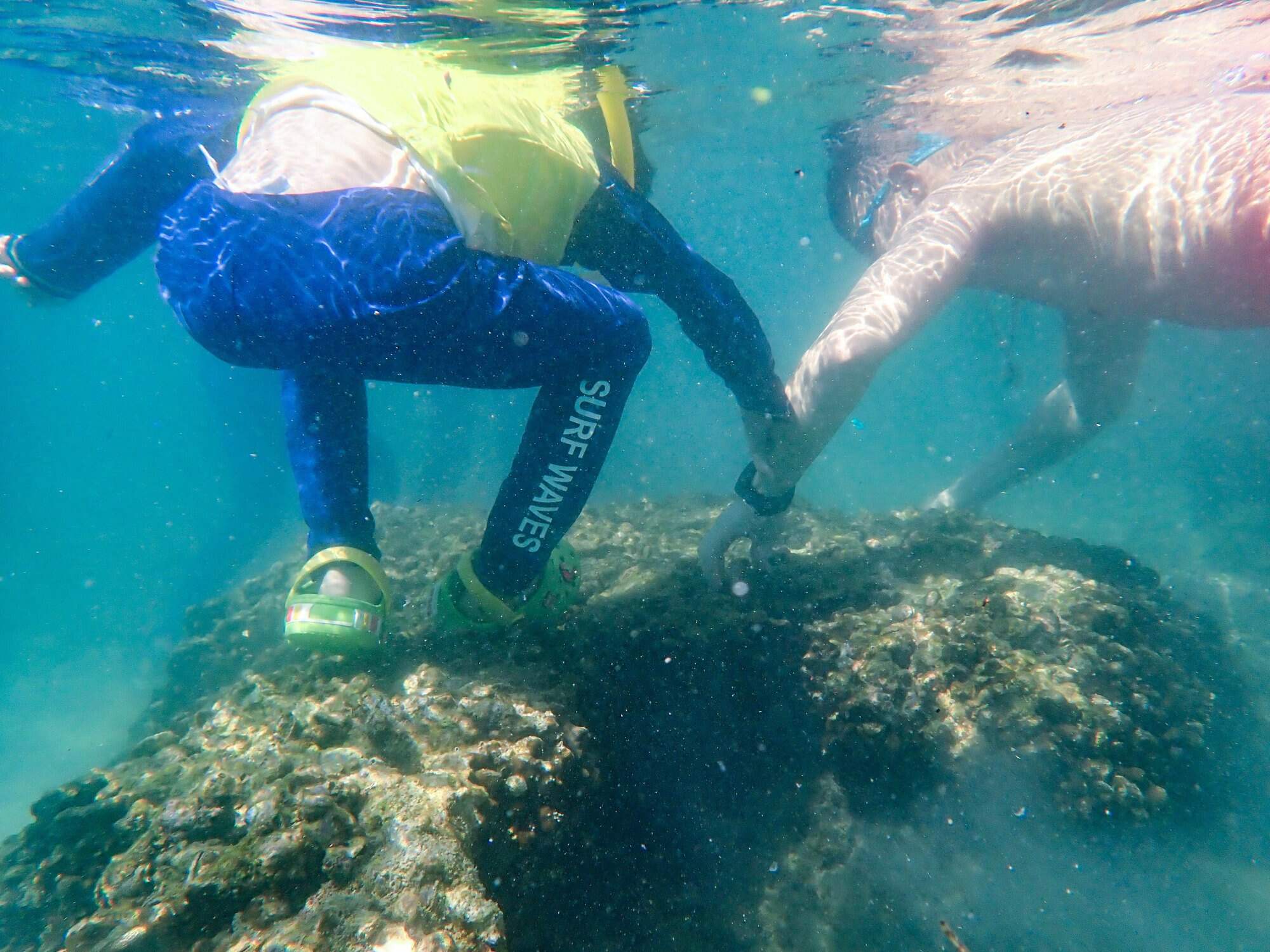
Some tourists were seen trampling corals, cooking over open fires and digging up marine creatures in the Unesco-listed geopark. These actions violate park regulations and pose a significant threat to the ecosystem. Greenpeace has urged the government to take measures to protect Hong Kong’s outlying islands.
Coral reefs in the shallow beach area have been found to be slightly damaged, according to the Agriculture, Fisheries and Conservation Department (AFCD).
The geopark has become a popular tourist destination after gaining attention on popular Chinese social media platform RedNote.
Many users have been sharing photos from their visits to the island. Sharp Island North is a key area for coral distribution in Hong Kong. According to the AFCD 2024 survey, it has a coral coverage rate of 71.3 per cent, making it the second highest in the city.
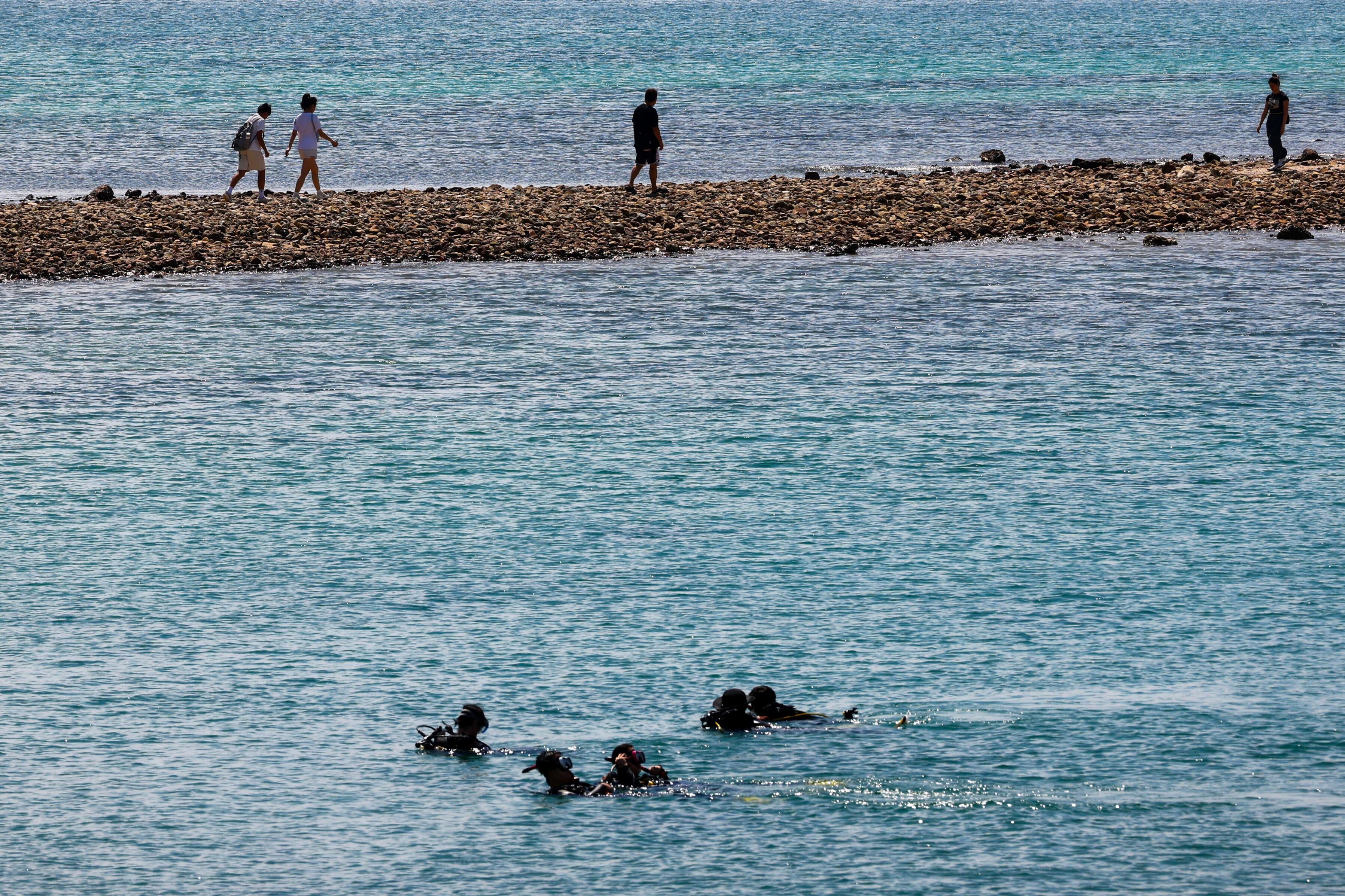
Large sandy areas on the island are ideal for scuba diving and dive training, making it the most popular dive training hotspot in Hong Kong.
However, current unregulated recreational diving activities are hurting marine biodiversity.
“During our inspection, we found that some vessels were anchored in coral zones, seemingly ignoring the AFCD’s ‘No Anchoring’ signs there,” said Greenpeace campaigner Ha Shun-kuen.
“[Touching the coral] risks breaking or killing the coral, potentially exacerbating the coral bleaching issues recently observed in the area.”
Officers from the marine conservation branch of the AFCD distributed fliers to visitors, advising them not to damage corals or remove organisms from the area.
Observers reported that tourists were seen digging up sea stars, sea urchins, sea cucumbers, conchs and clams.
A group of 10 tourists from Guangdong province mentioned that they had been camping on the island for two nights and had prepared instant noodles using a portable gas stove.
“We came here because it’s free, and there are no wild boars around,” said a man surnamed Leung.
According to the authority, it is an offence under the Forests and Countryside Ordinance to illegally light or use a fire in country parks and the open countryside.
Staff writers
Question prompts
1. Which of the following statements about Sharp Island is false?
(1) Sharp Island has rich biodiversity.
(2) Some tourists were camping and cooking on the beach.
(3) More than 4,602 tourists had landed on the protected site on National Day.
(4) Sharp Island is not part of the Hong Kong Unesco Global Geopark.
A. (1), (2) only
B. (2), (3) only
C. (3), (4) only
D. (1), (4) only
2. List TWO reasons why the geopark is a popular destination for tourists.
3. What is overtourism’s impact on Sharp Island? Explain using Glossary, News and your own knowledge.
Photo (News)
Question prompts
1. What illegal activities did Greenpeace observers document tourists engaging in at Sharp Island?
2. What is the ecological threat posed by these illegal activities? Explain using News, Glossary and your own knowledge.
Photo (Issue)
Question prompts
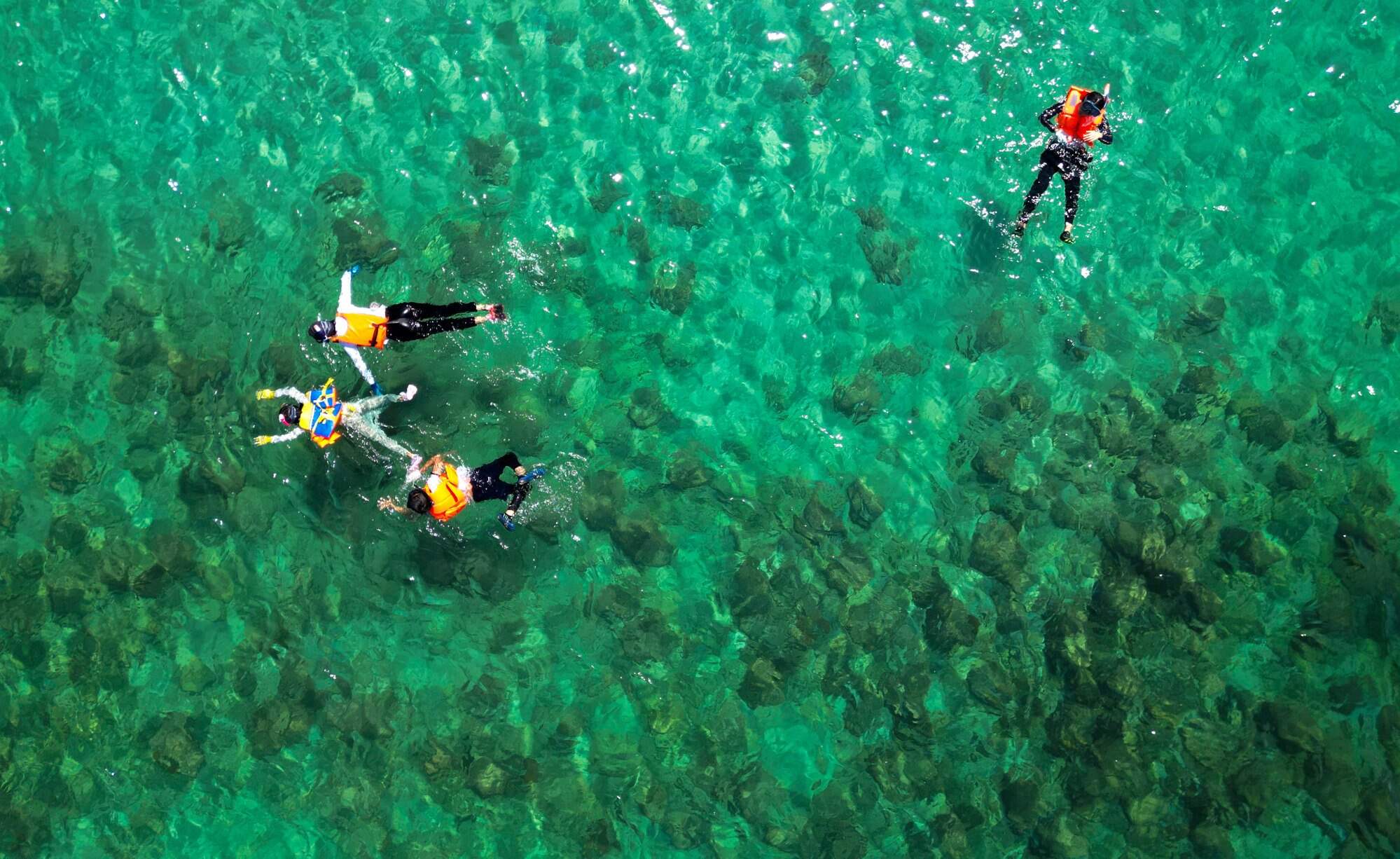
1. According to Issue, what is the approximate size of the damaged coral reef area in Sharp Island? What is the overall condition now?
2. What more can be done to protect corals in Hong Kong waters? Explain using News, Issue and your own knowledge.
Issue: Green groups call for protection of Sharp Island’s ecosystem
-
Some corals on Sharp Island showed signs of damage, the government has found
-
Experts call for marine protection in the city’s outlying islands
Damaged coral reefs around Sharp Island may take years to recover, environmentalists have warned after an Agriculture, Fisheries and Conservation Department (AFCD) investigation found that an area of about four square metres (43 sq ft) had been affected.
“In the shallows near the Sharp Island geo-trails, an area of approximately four square metres was identified where the tops of some corals showed signs of damage,” said a spokesman for the AFCD after the area was checked.
The overall condition of the Sharp Island coral area remained healthy, consistent with findings from surveys conducted by the department in August and September, he added.
WWF Hong Kong oceans conservation manager Kelvin So Jun-yin warned it could take years for damaged coral communities to recover.
“If the snapped-off part measures over 10cm, it could take three to four years for it to grow back,” he said, referring to Pavona decussata, one of the most common species at Sharp Island.
He said the damage could lead to the death of the corals, as it exposed their “bones”, the white parts, which could attract algae that could grow to cover other healthy sections. This would stop their photosynthesis, which generated most of their nutrients, So added.
“We would need a marine protected area,” he said.
“It’s a good opportunity for the government and the public to reflect on, not just for Sharp Island but also Sai Kung, whether they could conduct a comprehensive carrying capacity survey for the protection of the area and then allow limited snorkelling or diving activities.”
So stressed it was important to look at the impact of damaged corals on the ecosystem, as fish of indicator species for coral reef checks, such as butterfly fish and grouper, congregated around Pavona decussata.
He said that while four square metres in an area that stretched 1km (1,093 yards) by 30 to 40 metres (98 to 131 feet) might not seem like a lot, there could be more undetected damage.
Greenpeace Hong Kong campaigner Ha Shun-kuen agreed that the recovery of the corals could take years and urged the department to publish the survey on the reefs and the extent of the damage caused by people.
“We call on the Culture, Sports and Tourism Bureau and the Environment and Ecology Bureau to jointly review the incident, examine loopholes in existing legislation and formulate an ecotourism policy to prevent a repeat of history,” Ha said.
Staff writers
Question prompts
1. What is a common species of coral at Sharp Island? How long might it take a snapped-off part of this coral species to grow back?
2. According to Kelvin So Jun-yin, what could happen after coral reefs are damaged by human activities?
3. Do you agree with So’s suggestion for Hong Kong to set up a marine protected area? Why? Explain using Issue, Glossary and your own knowledge.
Glossary
-
Sharp Island: part of the Hong Kong Unesco Global Geopark, it has a rich biodiversity and is one of seven sites identified by WWF as conservation priority sites. It has diverse hard coral species and at least 169 species of marine fish.
-
National Day “golden week”: a holiday of seven or eight days starting October 1. During this year’s eight-day “golden week”, more than 1.4 million mainland Chinese tourists visited Hong Kong, with arrivals peaking at more than 230,000 on October 1. Around 1,300 mainland inbound tour groups came to the city. Its first seven days recorded 1.29 million tourists, a 6 per cent increase from last year’s seven-day break.
-
Forests and Countryside Ordinance: offenders can be given a maximum fine of HK$25,000 and a one-year jail sentence upon conviction.
-
Pavona decussata: a type of coral that grows relatively fast at about three to four centimetres [1.2 to 1.6 inches] a year.
-
marine protected area: a zone in the ocean where human activities – such as fishing, vessel traffic and tourism – are regulated by the government. Hong Kong has one marine reserve, which is fully protected, and eight marine parks, where some activities are allowed.
-
Indicator species: organisms whose presence, absence, or abundance reveals specific environmental conditions or changes in an ecosystem’s health.
Suggested answers
News:
1. C
2. The geopark became popular on the Chinese social media platform RedNote, with many users sharing pictures and selfies of themselves visiting the island. This prompted more tourists to visit it. / Large sandy areas around the island make it the most popular dive training spot in Hong Kong.
3. The large influx of visitors contributes to environmental problems in an area recognised for its biodiversity. Visitors were seen littering, which pollutes the area and threatens the biodiversity there. It is a popular area for diving, but vessels were found anchored in coral zones, ignoring the “No Anchoring” signs, which threatens the marine habitat. The damage to the ecosystem could become irreversible if overtourism is not addressed.
Photo (News):
1. Greenpeace observers documented several rule-violating activities, including anchoring vessels in coral zones and lighting fires.
2. Anchoring directly on the coral surface risks hurting or killing the coral. Corals are already suffering from climate change, so any additional damage is extremely dangerous for their survival. Lighting fires can also be dangerous for the natural environment if people are not careful.
Issue:
1. One of the most common species of coral at Sharp Island is Pavona decussata. If the snapped-off part measures over 10cm, it could take three to four years for it to grow back.
2. According to Kelvin So Jun-yin, damaged coral communities may take years to recover. The damage could lead to the death of the corals because it exposes their “bones”, which can attract algae. The algae can then grow to cover other healthy sections, which would stop the corals’ photosynthesis, a process that generates most of their nutrients.
3. To a large extent, I agree with So’s suggestion to establish a marine protected area. His suggestion is based on the need for protection of the corals, as it can take years for damaged coral to recover. Sharp Island has rich biodiversity and a high coral coverage. Damaged corals could have a significant impact on the ecosystem. For example, fish species like butterfly fish and grouper congregate around the Pavona decussata. Marine life can only be protected if human activities like snorkelling or diving are limited on Sharp Island and other areas in Sai Kung. The city’s government should take this incident as a lesson, and the public can also reflect on their activities on the island. (accept all possible answers)
Photo (Issue):
1. The approximate size of the damaged coral reef area was about four square metres. The AFCD spokesman added that the overall condition of the Sharp Island coral area remained healthy.
2. Authorities should examine loopholes in existing legislation and formulate an ecotourism policy that regulates the visitors and vessels around Hong Kong’s corals. They can conduct a survey to assess the capacity for snorkelling or diving activities around coral ecosystems. Then, the government could limit the number of people snorkelling or diving there. Environmental authorities should also promote these guidelines more broadly on social media.