Every week, Talking Points gives you a worksheet to practise your reading comprehension with exercises about the story we’ve written.
Living amid skyscrapers and concrete, Hong Kong teens Christy Chan Cheuk-lam, Rachel Chen Yin-tung and Lawrence Chan Chun-kit never imagined they would be digging for oysters in a remote fishing village.
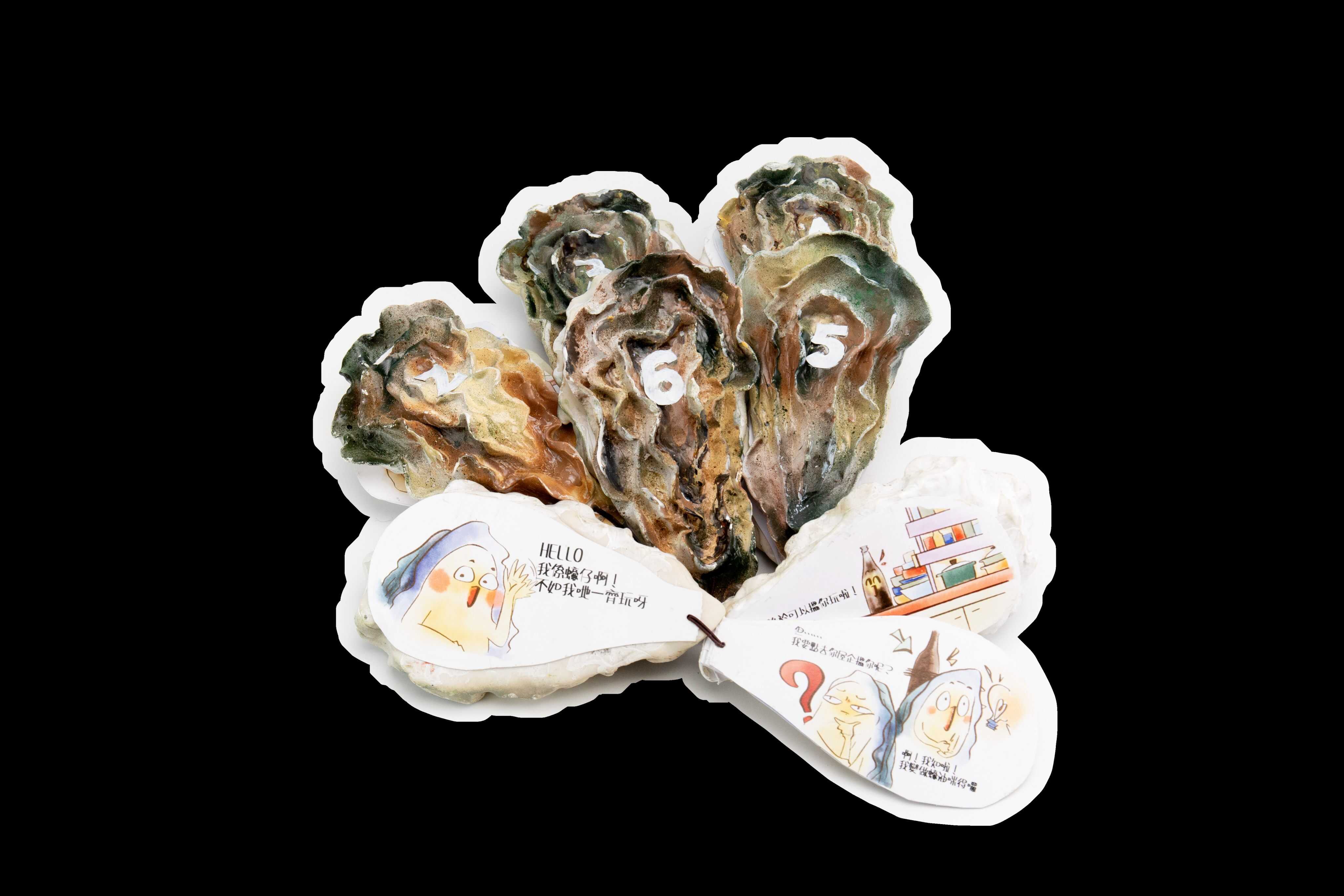
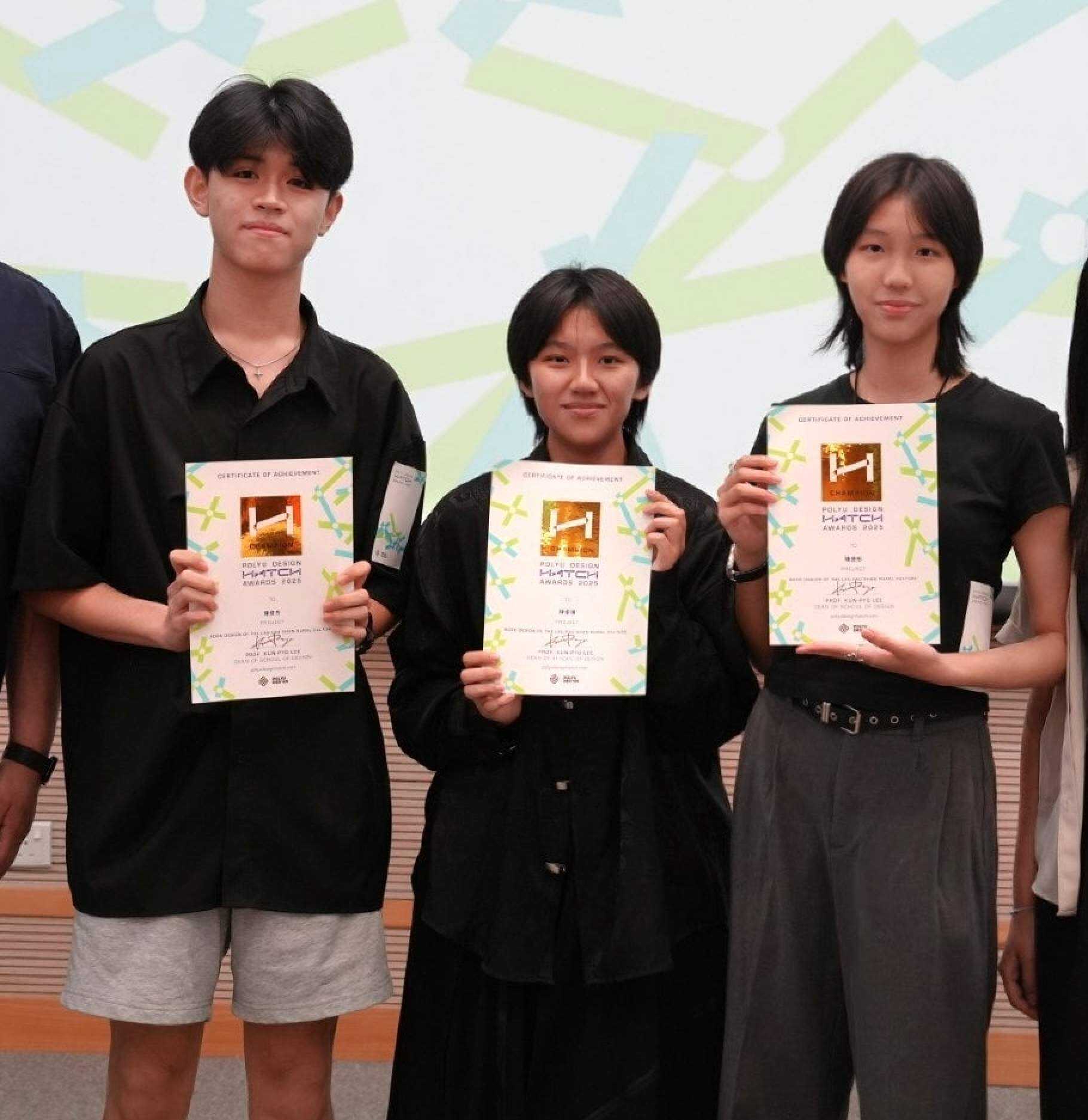
The three Form Six students attend Queen Elizabeth School Old Students’ Association Secondary School. They were visiting Lau Fau Shan and its oyster farms. They made six booklets about the village’s history and cultural heritage.
“We think that will be a very unique way to inform young people and adults and to make the story of Lau Fau Shan more appealing to all audiences,” said 17-year-old Rachel.
The team’s booklets use oyster shells for their covers. They have maps of the village, information about its thriving oyster industry and even explanations of how oyster sauce is made. Lau Fau Shan’s centuries-old oyster farming methods have supported families for generations. It is also included in Hong Kong’s list of intangible cultural heritage.
The team’s project beat 27 other teams to win first place in this year’s PolyU Design Hatch Awards.
The programme was organised by Hong Kong Polytechnic University’s School of Design. Secondary school students were told to explore Hong Kong rural culture through creative design.
Interactive history
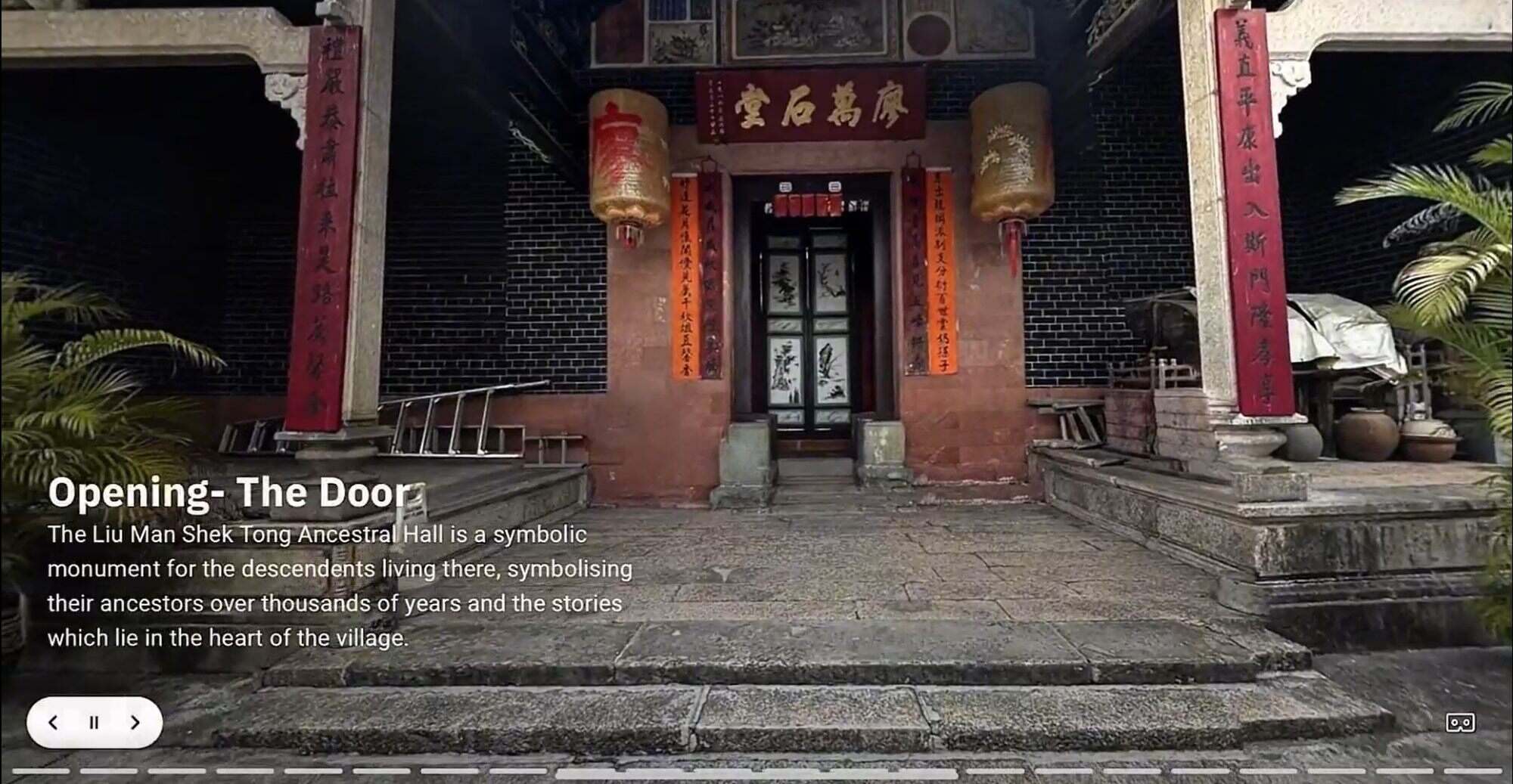
The first runner-up team were a trio of Grade Eight students from Malvern College Hong Kong. The students were Adna Chan Hei-yui, Amelia Bay and Delphia Chen Xinnan. They created a website about Liu Man Shek Tong Ancestral Hall, located in a village in Sheung Shui. They also won the most innovative award.
“I went there like once a week, getting to know everyone in the community and asking them about their childhood [and] any memories they’ve had in the village,” said Adna, who is 13.
The website has an interactive model of Liu Man Shek Tong Ancestral Hall. This historical monument was built in 1751. It is where villagers worship their ancestors.
The website also has stories about modern villagers.
“Our main aim ... was just to remind people not to forget about these villages,” Adna added.
Culture matters
In doing research for their winning project, Christy, Rachel and Lawrence realised that many of their peers knew little about rural Hong Kong.
They surveyed 30 students between the ages of eight and 13 about their knowledge of the city’s villages. Most had never heard of these places.
Lawrence recalled a restaurant owner in Lau Fau Shan who told him: “Young people don’t know these places any more ... Young people don’t care.”
The team lamented that rural culture could “disappear” if young people do not learn about it.
“We suggest that [people] visit the places themselves to ... really support the industries and visit the views,” Rachel said. She added that social media could help spread awareness.
“I think the government needs to consider ... how to balance the importance between city and rural [areas] and really needs to protect it, because it’s history and it’s many people’s home,” she said.