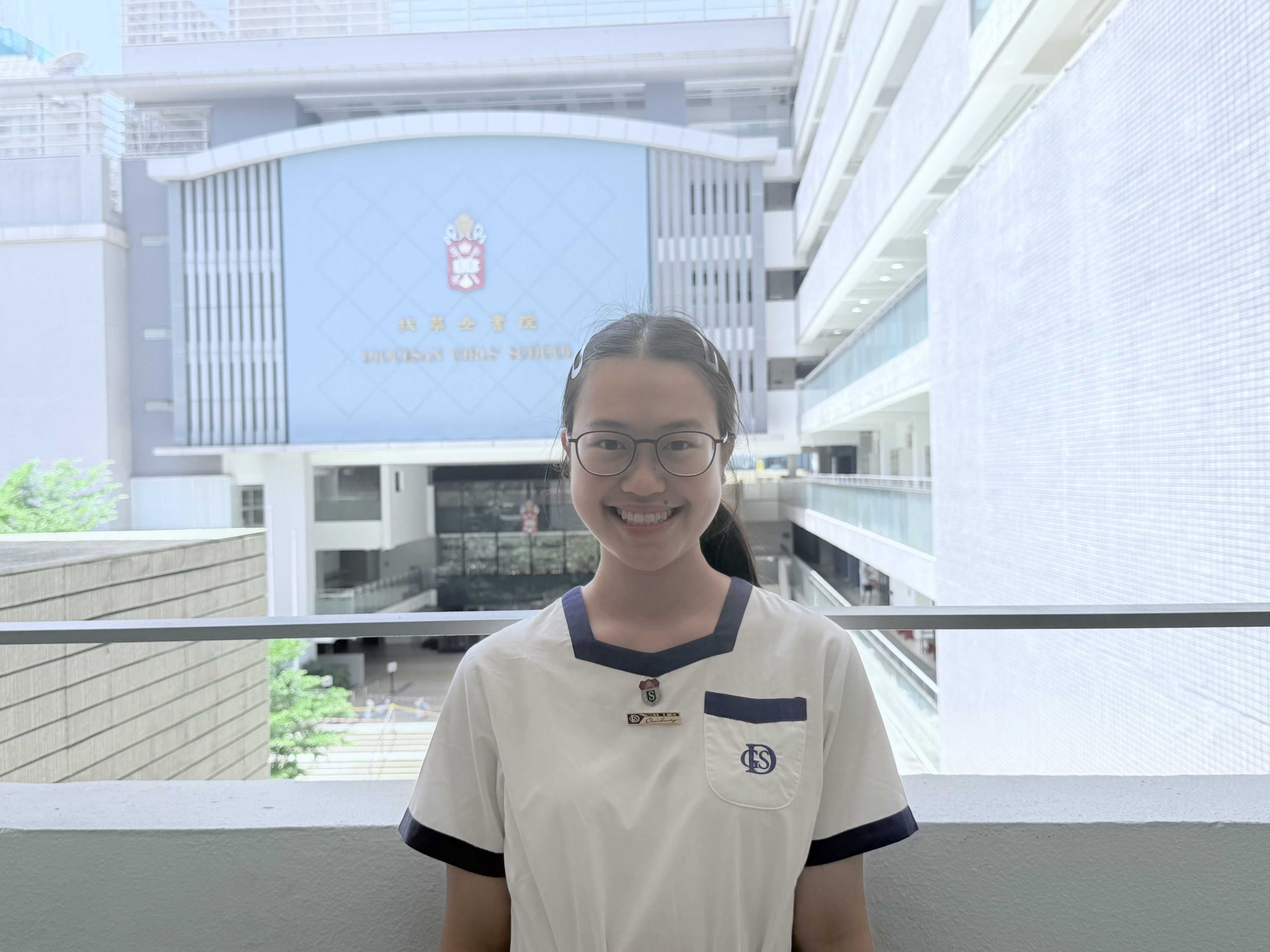
When Cheryl Li Yan-ki first organised mental health and healthy lifestyle projects in low-income Hong Kong neighbourhoods with the Red Cross, she realised that Cantonese was among her strongest assets.
“Discussing stress relief or exercise routines in English would feel distant, but in our shared mother tongue, I can borrow local slang, break the ice, and meet participants where they are,” said the 18-year-old, who is in Form Six at Diocesan Girls’ School.
“Cantonese becomes a two-way bridge: it empowers me to speak naturally and invites others to open their hearts.”
Cheryl’s neighbourhood projects with the Red Cross were designed to address problems during the Covid-19 pandemic.
“After the long lockdowns, I proposed a healthy lifestyle project: online at-home exercise sessions to help children build strength and boost morale,” she said.
Encouraged by its success, Cheryl then shifted her focus to mental health, crafting workshops to help people learn breathing exercises, find creative outlets like drawing and build simple habits such as walking outdoors. These practical tools helped participants manage negative emotions.
“Mental and physical health [are] equally important,” she noted.
In workshops, she said she designed icebreakers to lower participants’ inhibitions, balanced her storytelling with active listening and ensured every child felt heard.
Cheryl’s experience in Chinese debating has also helped her draft compelling pitches when asking service centres or sponsors to support her projects.
She structures her proposals like a debate case – stating her goals clearly, supporting her recommendations with evidence and pre-empting concerns with counterarguments.
“Debate has taught me to step into others’ shoes, anticipate objections and frame ideas persuasively yet empathetically,” she said.
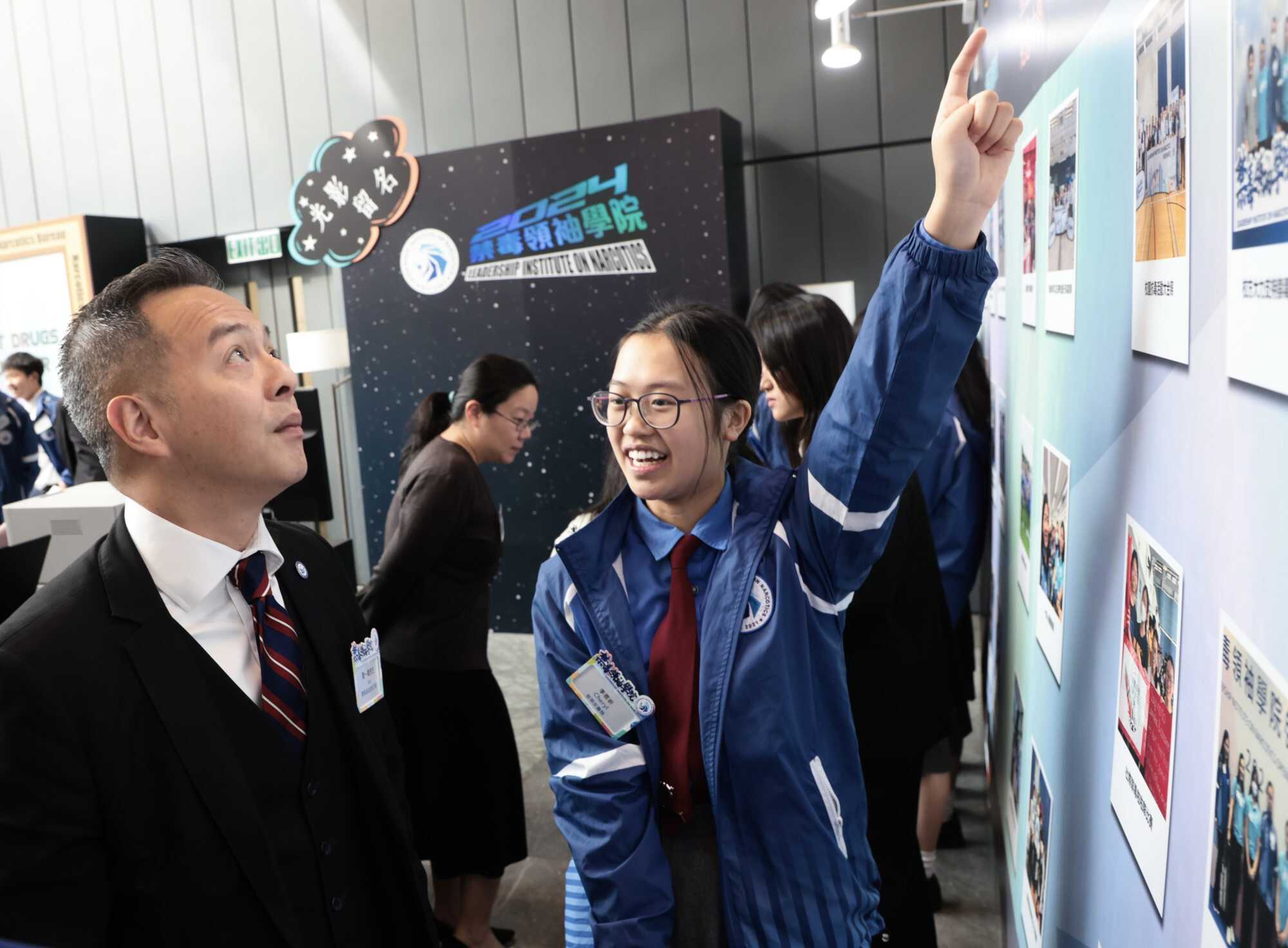
The pinnacle of Cheryl’s work so far is a Cantonese theatre project on drug prevention. Instead of composing a dry lecture about the dangers of drugs, she wrote a play and served as the emcee. Between acts, she asked the audience about the content using live polls.
By weaving in relatable slang, casting characters facing real temptations and making every segment interactive, she aimed to transform passive viewers into engaged learners.
“Storytelling is ... turning abstract warnings into personal revelations,” the student said.
Balancing her studies with her Red Cross initiatives, a youth fellowship and the drug-prevention programmes has been demanding, but each thank-you card or shy student’s smile reminds Cheryl why she perseveres.
“Their gratitude energises me, confirming that I’m making a real difference and motivating me to serve even more,” Cheryl said.
Her achievements led her to the 2024/25 Student of the Year Awards (SOTY), where she won the Linguist (Cantonese) category. The awards were organised by the South China Morning Post and solely sponsored by the Hong Kong Jockey Club.
Looking ahead, Cheryl plans to expand her work by being a linguistic bridge for Hong Kong’s ethnic minority groups – using her Cantonese, English and Mandarin skills to help non-Chinese speakers navigate daily life and feel included.