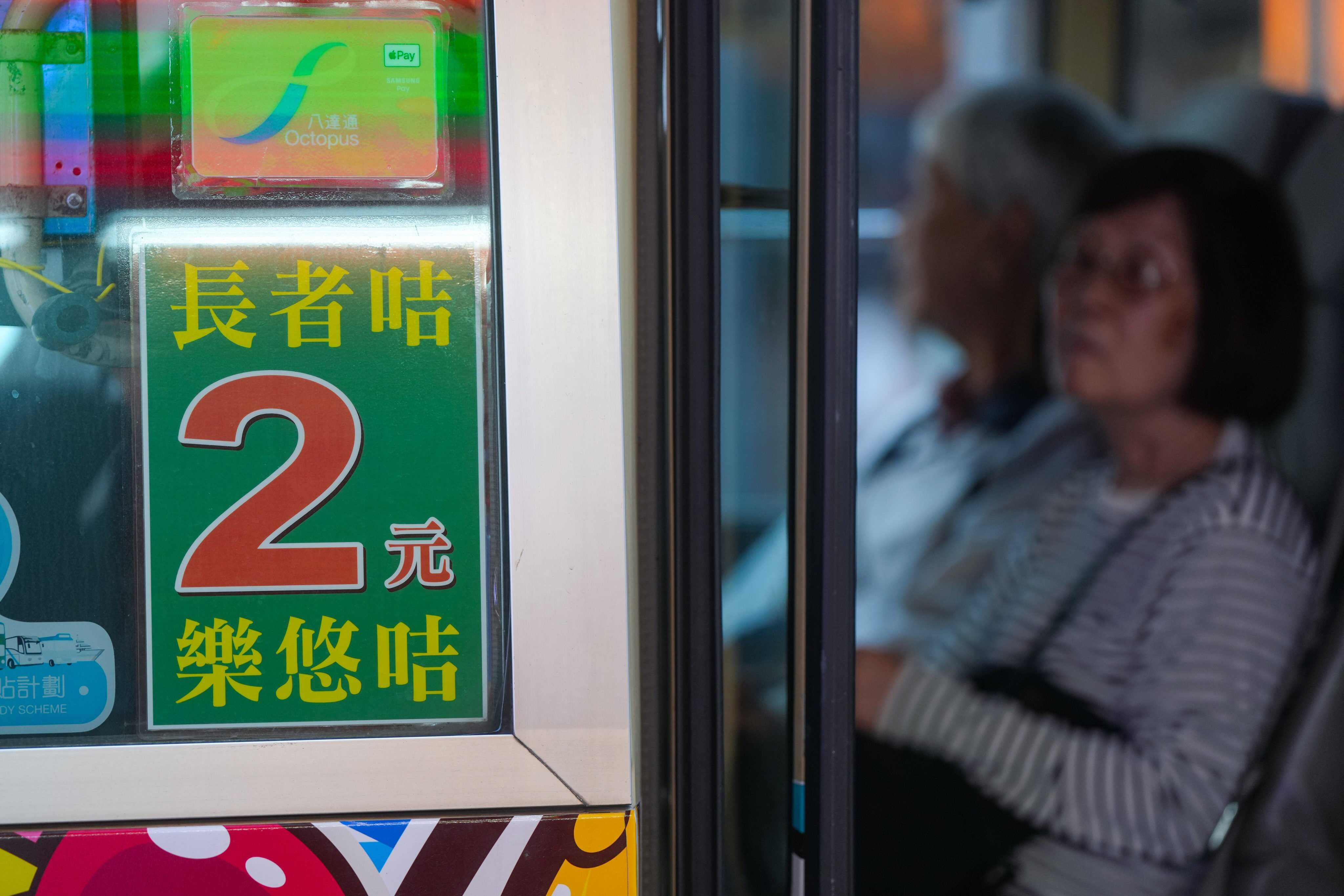
Hong Kong will implement its revised concessionary transport fare scheme next Friday, April 3, introducing a new pricing structure for elderly residents and people with disabilities to ease the financial burden on public funds.
Under the updated policy, beneficiaries will only enjoy the HK$2 flat rate for journeys where the standard adult fare is HK$10 or less. For trips exceeding this, passengers will be required to pay 20 per cent of the original adult fare.
Secretary for Labour and Welfare Chris Sun Yuk-han said the move was necessary to address the scheme’s ballooning costs amid a rapidly ageing population. “We estimate, based on the latest assessment, that the government will save approximately HK$550 million in public funds [with the latest changes],” Sun said, adding that authorities would closely monitor passenger volume data.
Financial Secretary Paul Chan Mo-po first announced the planned revisions during his budget speech last year. Sun emphasised that the adjustments maintain the policy’s original intent of encouraging community participation. The revised structure also targets the common practice of “short-tripping” on long-haul routes.
Previously, commuters travelling short distances frequently boarded more expensive cross-harbour buses because the fare remained a flat HK$2 regardless of the route.
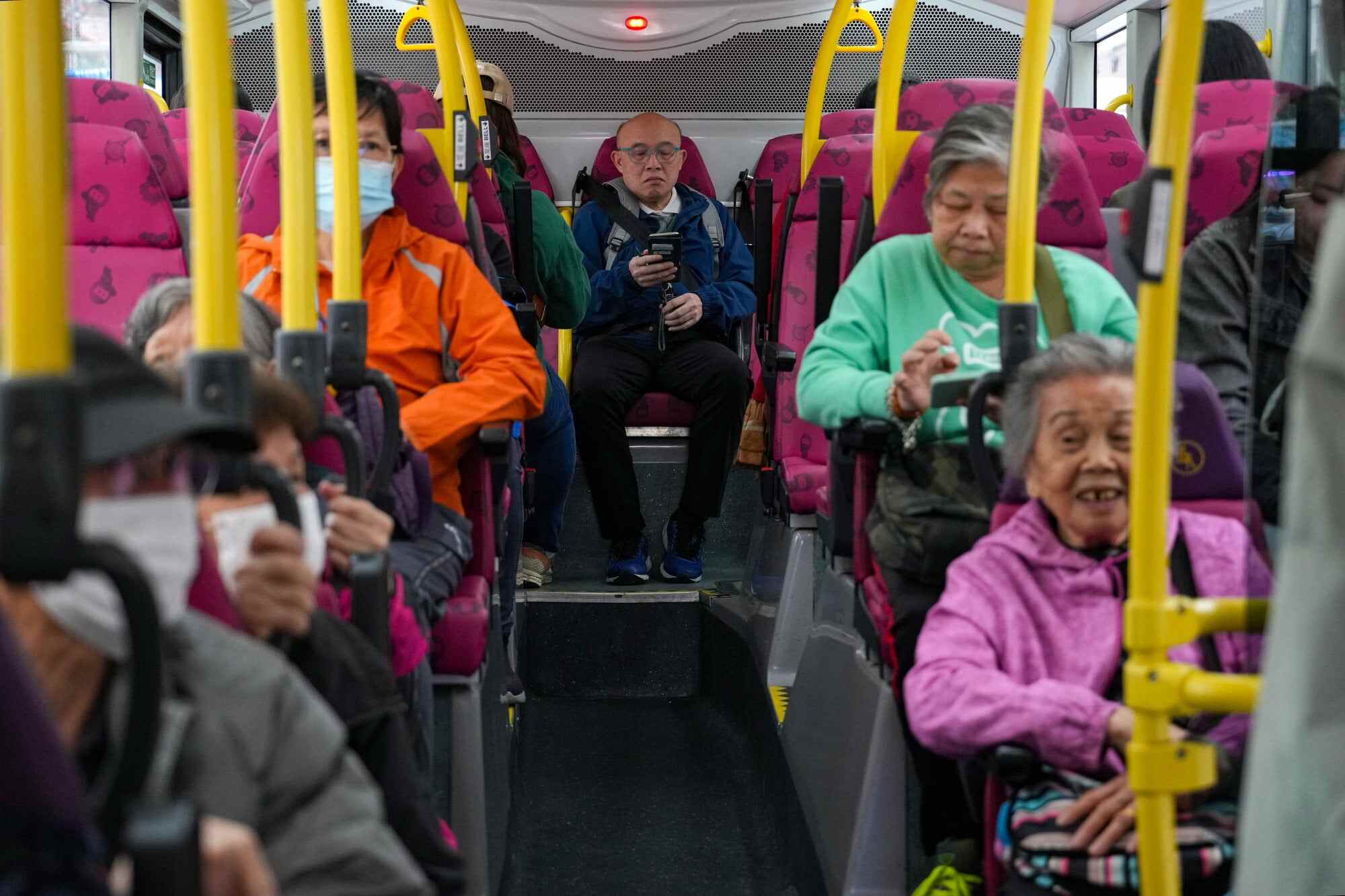
“The elderly will naturally be budget-conscious,” Sun explained. “Through this arrangement, it remains convenient for them to move around the district for HK$2, but it also allows long-haul buses to be saved for those who need them for work or school.”
However, the revisions have drawn criticism from social welfare advocates.
Former lawmaker Tik Chi-yuen warned the new fare structure would impose a heavier financial burden on those living in remote districts – such as the New Territories and outlying islands – who frequently travel long distances for medical treatment, employment or family visits.
“This move effectively creates regional inequality and implicitly punishes residents living in remote areas,” said Tik, chairman of the Third Side party. “It runs contrary to the original policy objectives of narrowing regional disparities and promoting social inclusion through fare concessions.”
To facilitate the transition, the government is launching extensive promotional campaigns, including television and radio broadcasts, as well as posters at 2,000 locations. On April 3, service ambassadors will be stationed at 75 key points to provide on-site support.
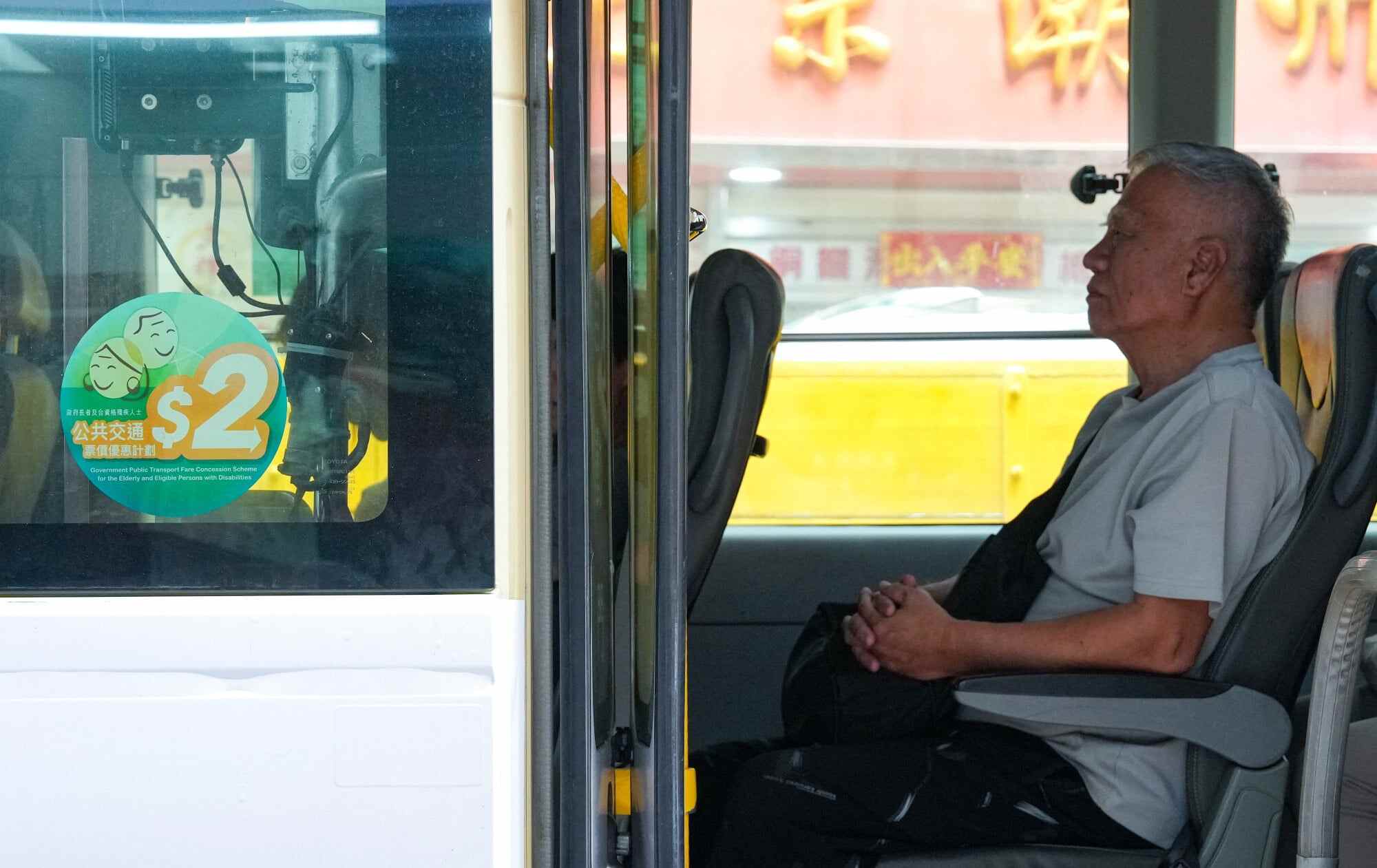
Access to the scheme remains strictly tied to specific payment methods, requiring residents aged 60 or above to use an Octopus JoyYou Card.
The scheme was initially introduced in 2012 by former Chief Executive Donald Tsang Yam-kuen for residents aged 65 and above. In 2022, under Carrie Lam Cheng Yuet-ngor, the eligibility age was lowered to 60, adding around 815,000 beneficiaries.
This expansion significantly increased the financial burden on the government, prompting the current review. A secondary measure, capping subsidised trips at 240 per month, will be rolled out next year.