Hong Kong has failed to meet targets for the supply and construction of youth hostels, an audit report has found, with the number of flats on offer only accounting for 44 per cent of the intended total.
The Audit Commission on Wednesday released its report reviewing the government’s development and management of the facilities under the Youth Hostel Scheme. It covered seven hostels, including two that had been completed and were in operation.
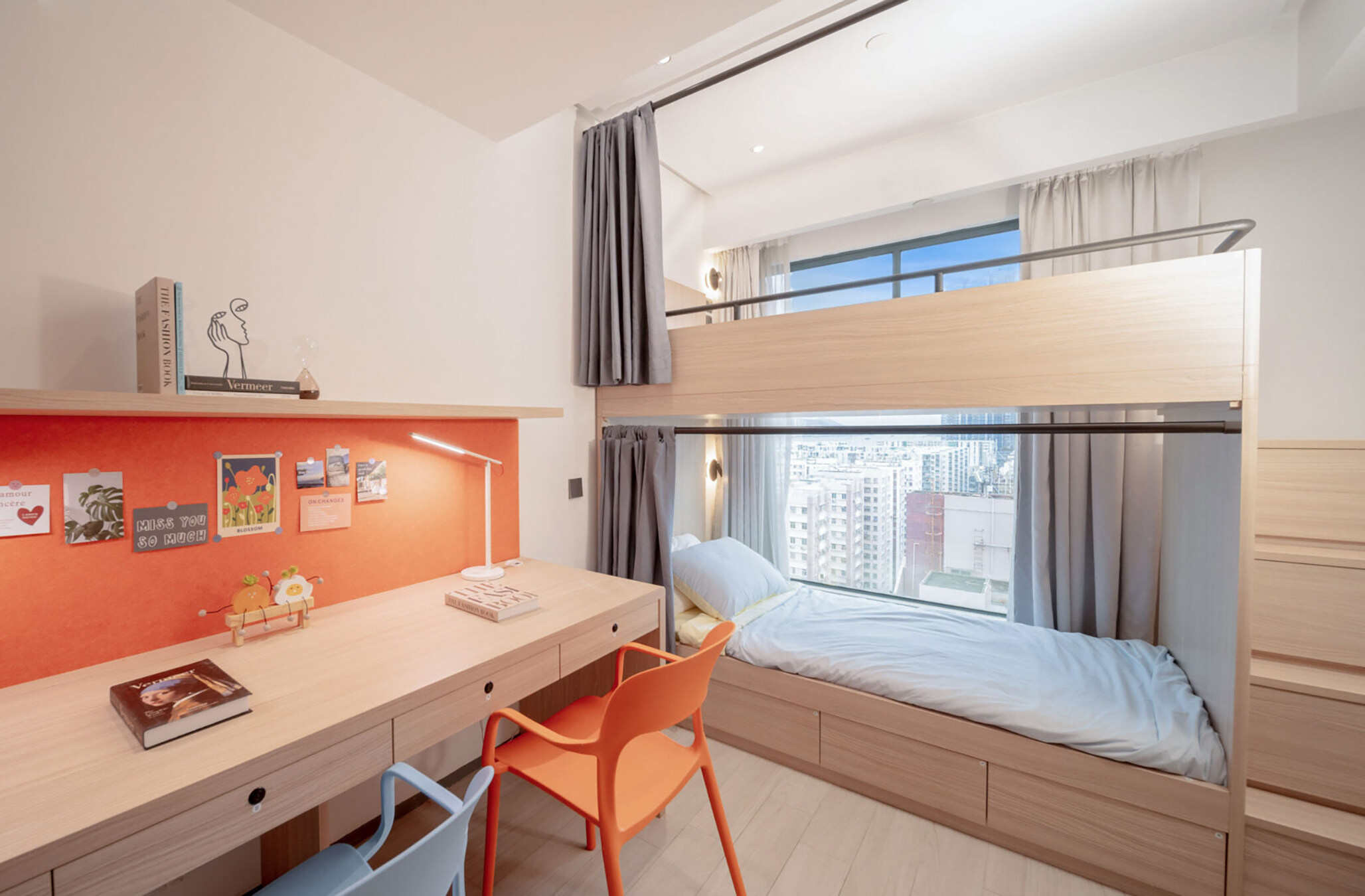
The city’s hostel scheme aims to give young people affordable housing options for up to five years to help them save money. They can use those savings to achieve “their end goals”, legislator Benson Luk Hon-man said last year, whether that is to buy a flat, start a business or study a master’s degree.
The review found that as of December last year, only 1,326 flats were offered at the two hostels in operation, while the seven facilities were expected to provide a total of 2,877 flats. The 1,326 flats represented just 44 per cent of the government’s target of having a first batch of 3,000 flats ready.
The review also found that the time required to complete the construction of five hostels was three to 11 years longer than their original expected completion dates, and up to 2.5 years longer than their respective revised expected completion dates.
The government had not sought funding approval for the construction works, nor specified the completion time frame for the remaining two hostels, according to the report.
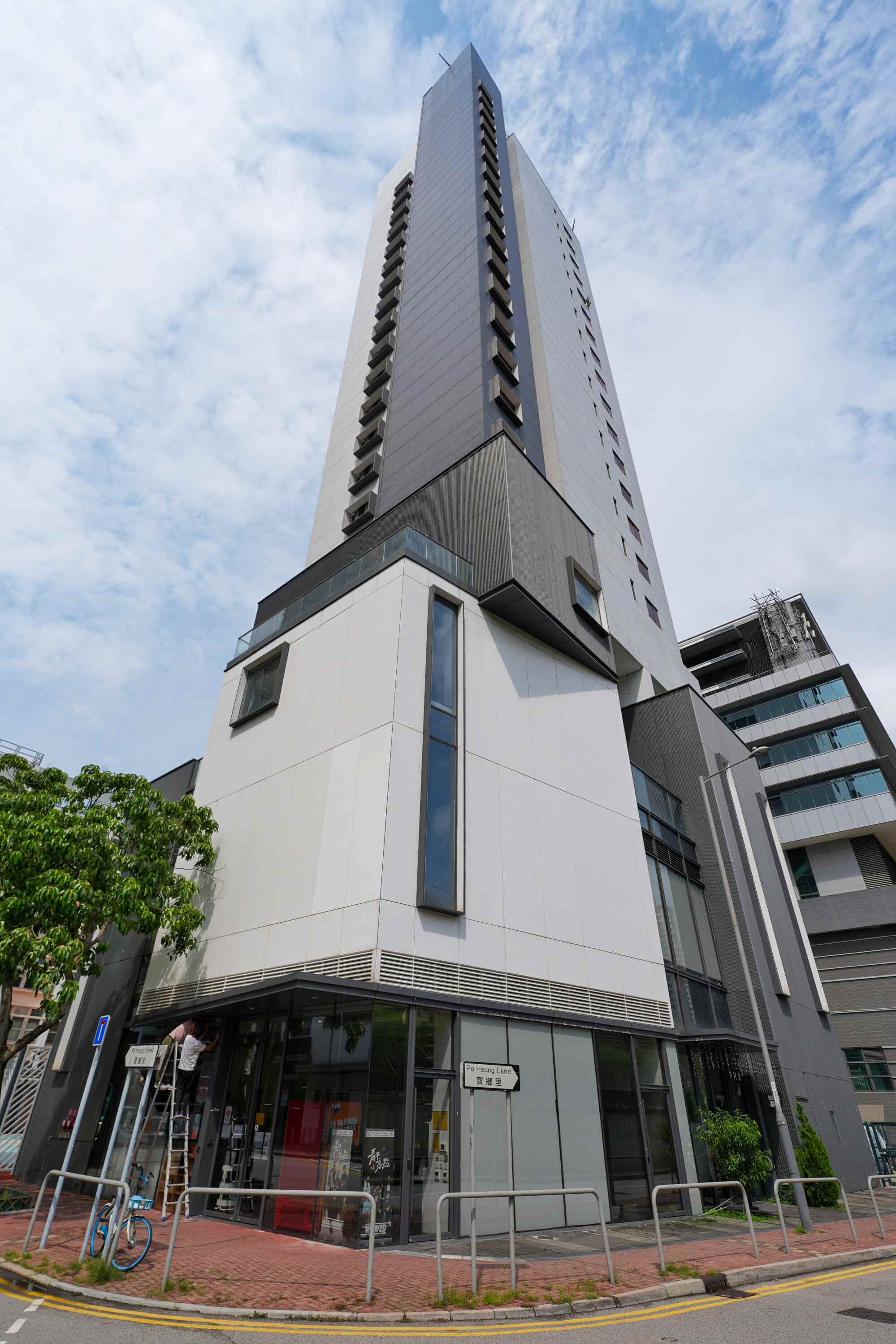
“Audit has recommended that the Secretary for Home and Youth Affairs should review the target of providing 3,000 hostel units and take measures to expedite the implementation of the approved youth hostel projects, taking into account the implementation ability of NGOs as far as practicable,” the report said.
It also called for enhanced efforts to monitor the construction progress of the facilities.
The Youth Hostel Scheme was announced in the 2011-12 policy address and aimed to meet the housing needs of working young people by constructing youth hostels on underused sites held by NGOs. Under the scheme, NGOs are fully funded by the government to construct youth hostels but operate the facilities on a self-financing basis upon completion.
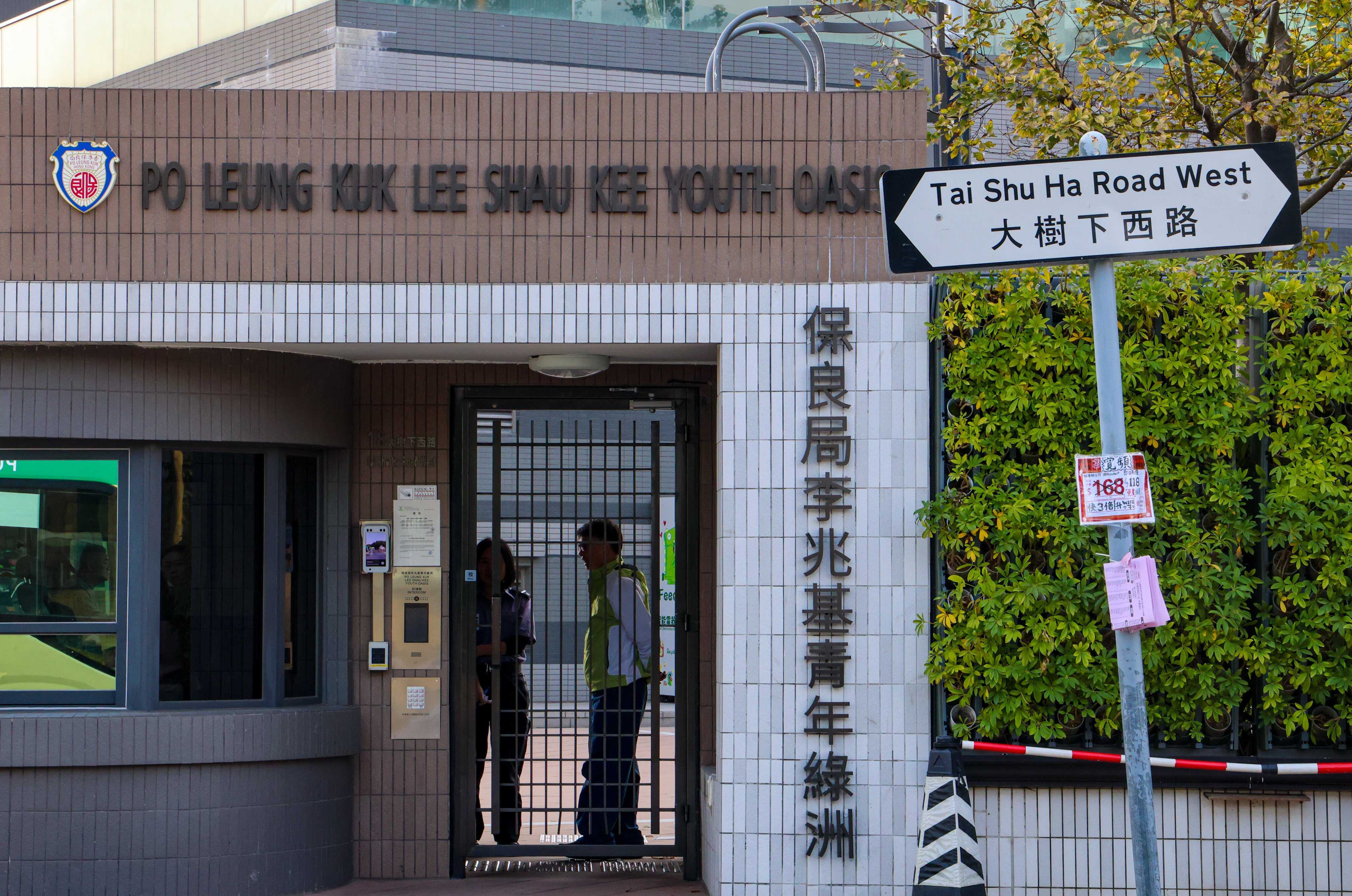
Among the seven facilities under the scheme, the HKFYG Youth Hostel PH2 in Tai Po and the Po Leung Kuk Lee Shau Kee Youth Oasis in Yuen Long began operating in 2020 and 2023, respectively, offering a total of 1,760 hostel places in 1,326 flats.
The review also found that some rooms remained vacant despite a waiting list, and there were no detailed guidelines on room allocation at a Tai Po hostel. The HKFYG Youth Hostel PH2 is the only facility located in Tai Po under the scheme.
The commission examined five applications for hostel places and found that tenants’ application dates were later than the room vacancy dates, with the time elapsed ranging from about seven to 14 months, averaging about 10 months.

According to the report, the NGO acquired some furniture and equipment at a relatively high cost at the Tai Po facility.
In one instance, it acquired 78 thermo ventilators under an HK$903,200 (US$115,250) contract awarded in January 2020. The cost covered the supply, delivery, and installation of the ventilators – amounting to HK$9,400 each – and a lump sum fee for related preparatory works and miscellaneous costs.
But the commission’s research found that the retail price for the supply, delivery and installation of a thermo ventilator of the same model was less than a quarter of what the NGO spent. The retail price was about HK$2,300 in December 2016 and even lower at around HK$1,900 in January 2021.
According to the report, the NGO said the procurement for thermo ventilators was a turnkey supply, delivery and installation package, and the average unit price in the contract included multiple additional cost elements such as product cost, installation labour, delivery, insurance and site protection.
The commission made a series of recommendations for authorities. These included reviewing procurement issues for the hostel and taking follow-up actions, as well as strengthening controls over the procurement of items in future youth hostel projects.
It suggested requiring NGOs to improve the monitoring of timeliness in processing applications for places in youth hostels, and asking them to implement measures to increase occupancy rates.
It added that Secretary for Home and Youth Affairs Alice Mak Mei-kuen agreed with the audit recommendations.