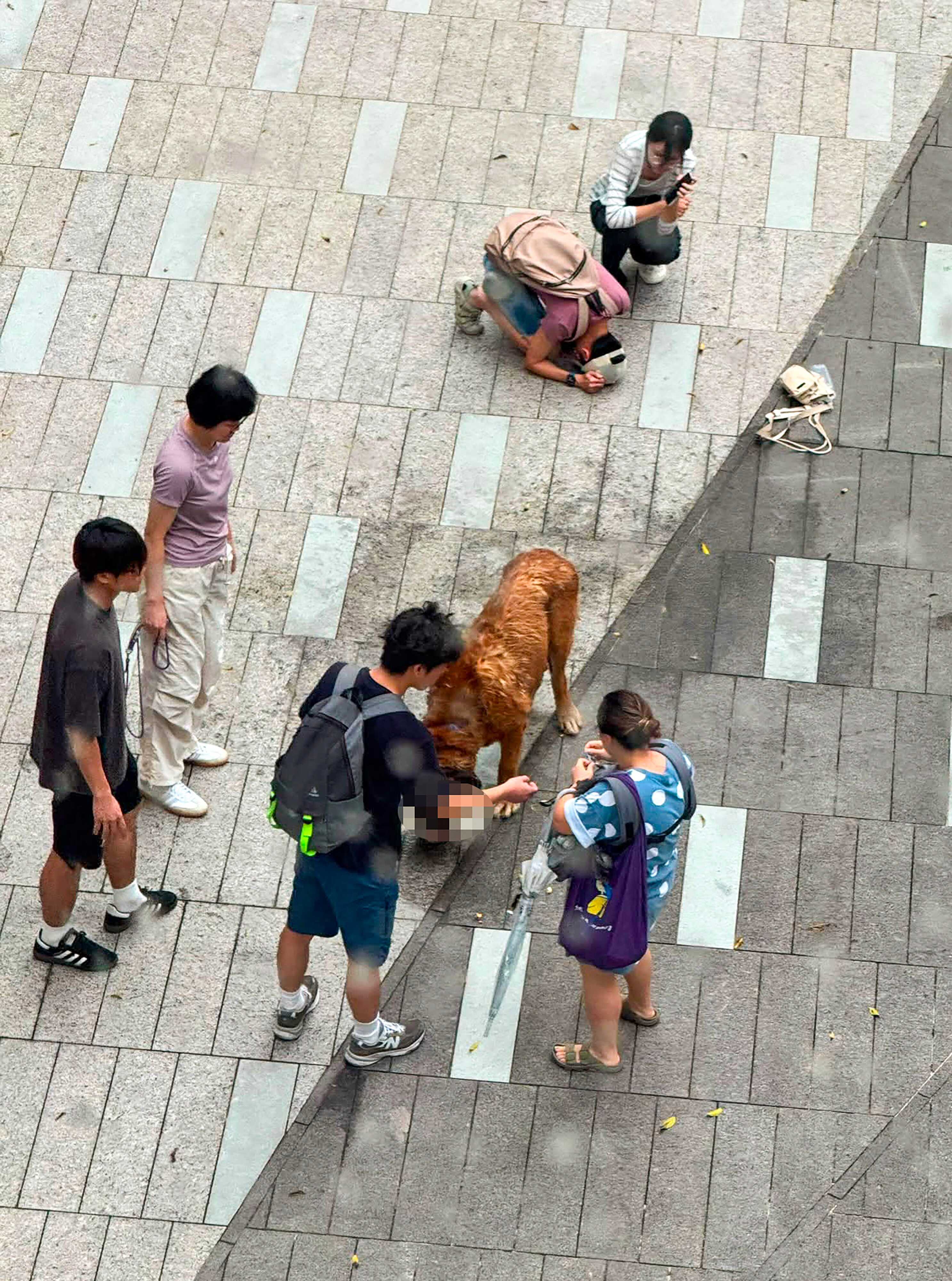
A spate of dog attacks in Hong Kong has triggered a rush of canine DNA testing. It comes as the government clamps down on dog breeds classified as “fighting dogs”.
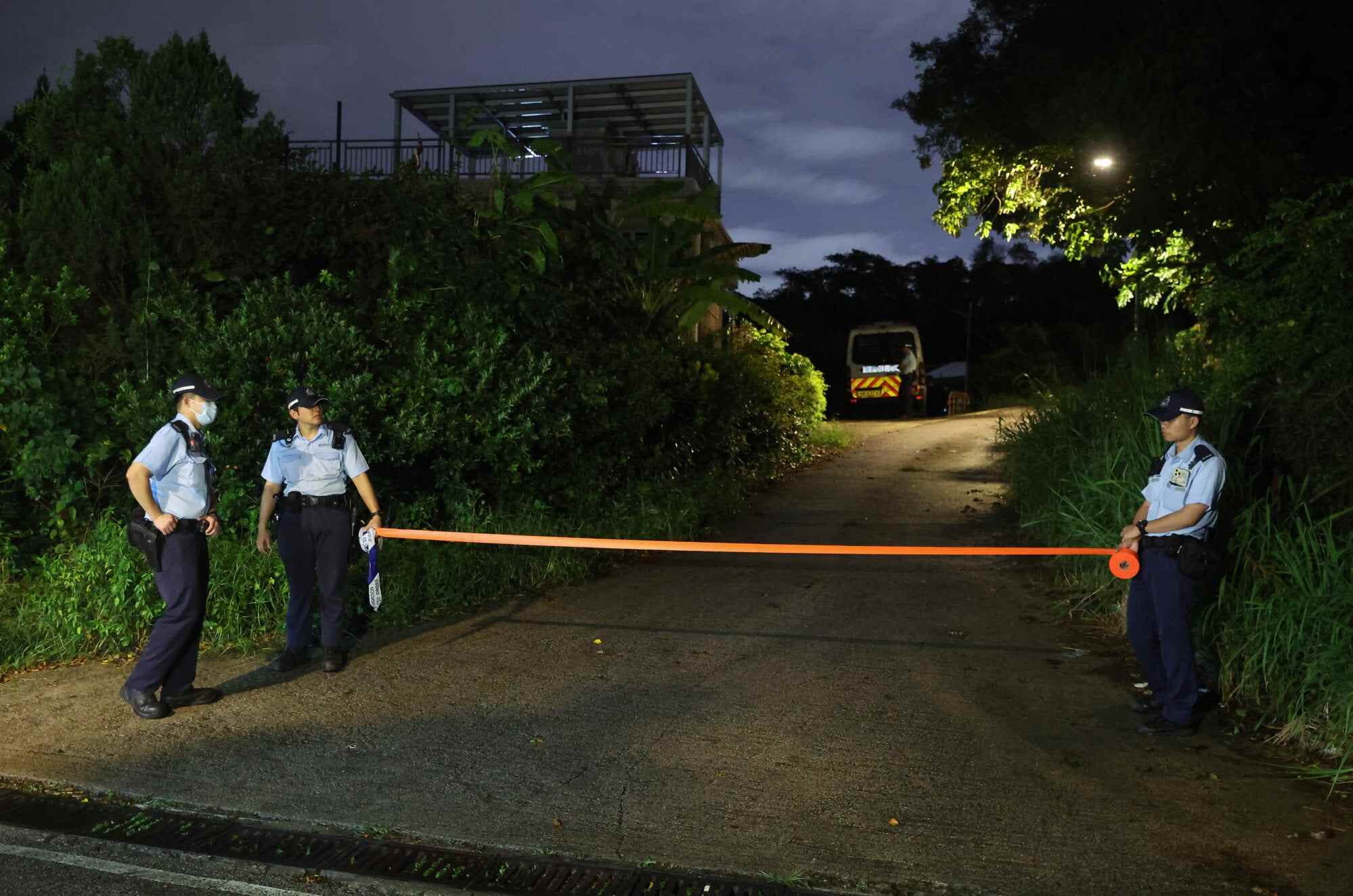
The city’s Agriculture, Fisheries and Conservation Department stepped up sudden inspections and seizures of suspected fighting dogs after a recent string of violent incidents. These include one last month where the 33-year-old owner of a pet training facility was mauled by a mixed-breed dog registered as a mongrel. She was found dead nearby shortly after the attack.
There has been mounting public backlash to the impoundings. One advocacy group has urged authorities to introduce a one-year grace period for owners to voluntarily declare pets with fighting-breed traits.
The recent attacks exposed major loopholes in the city’s self-declaration microchip registration system.
The animal registered as a mongrel was later found to carry genetic traits of the pit bull terrier – one of four fighting breeds strictly banned from import and unauthorised breeding in Hong Kong.
As panic spread among dog owners, commercial testing centres saw a surge in clients seeking genetic proof to prevent their pets from being impounded.
Clement Lai Yat-lung, founder of pet testing firm Hero DNA, said inquiries had surged more than fivefold over the past week, jumping from about 10 to between 50 and 60. He noted that many dog owners, particularly those with mongrels, were anxious about government enforcement and hoped a DNA test result would prevent authorities from seizing their pets.
He said one client who adopted two mongrels was recently harassed on the street, and “an elderly woman even hit one of the dogs with an umbrella”.
Mark Mak Chi-ho, founder of the Non-Profit Making Veterinary Services Society, said that while the crackdown boosted demand for DNA tests, it could prompt anxious owners to abandon their pets out of fear of breaking the law.
“What I am particularly concerned about is free-ranging dogs ... Most of them are mongrels, which have mixed appearances from many different breeds. If the animal’s head is bigger, or it is stronger, people may call it a fighting or dangerous dog,” he said.
Mak called for greater clarity on regulations and reassurance to dog owners that if their pets were registered and sterilised, they would not be breaking the law, regardless of their canine’s breed profile.
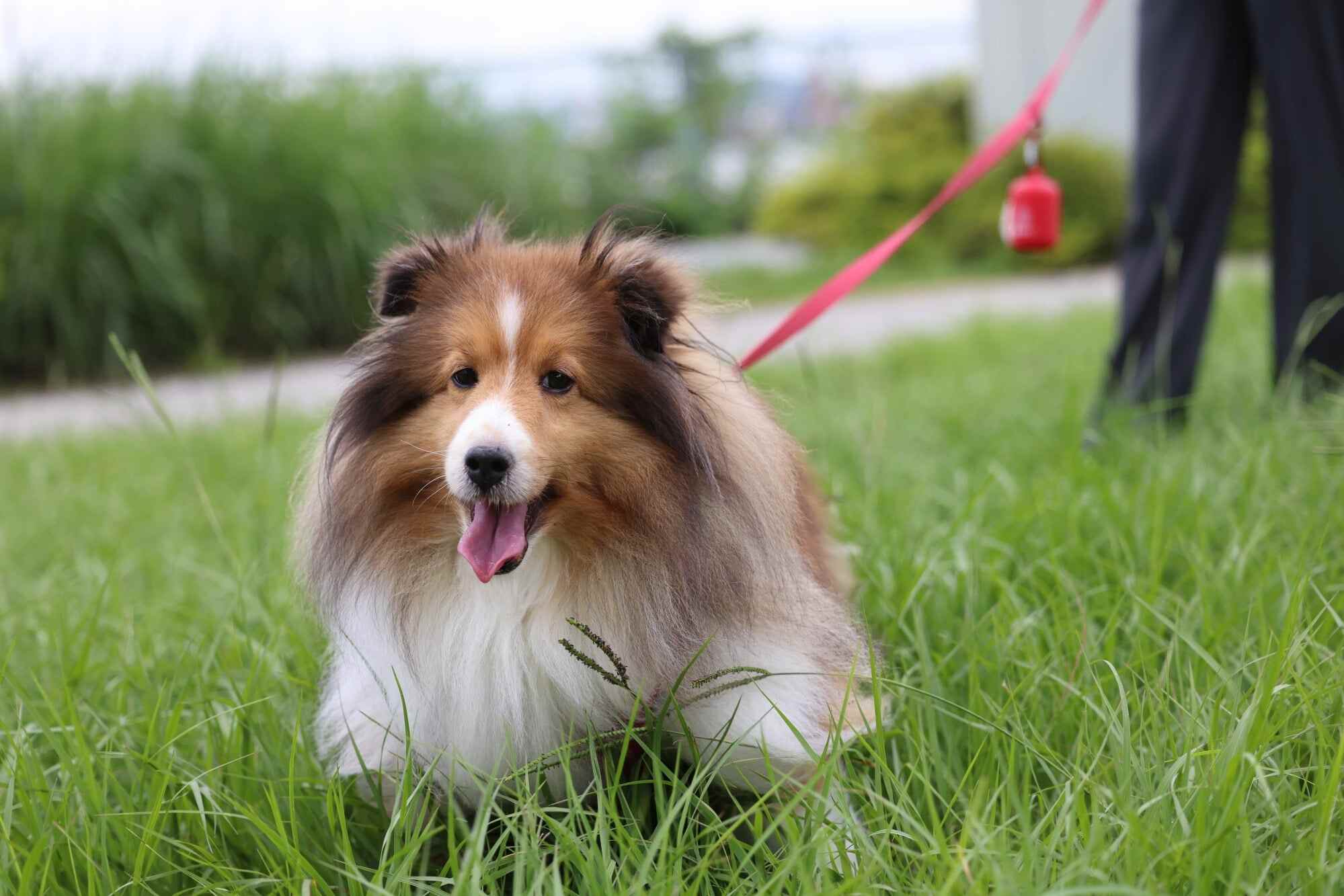
Shelters have recorded an uptick in surrender inquiries. Kent Luk Ka-chit, founder of Paws Guardian Rescue Shelter, said daily calls about abandonment had risen to two or three a day, compared with one or two a week previously. He cited a case in which a dog owner brought his licensed pet to the department for vaccination and was told the animal was suspected of being a fighting dog.
The pet was subsequently detained, and the owner later abandoned the dog, he said.
“If their dogs are classified as fighting dogs, owners face heavy responsibilities going forward,” Luk explained.
Luk criticised the government’s approach, calling for public education rather than heavy-handed seizures.
“Authorities could introduce a grace period so that owners who are uncertain about their pets’ breeds can bring them in for inspection,” he added.
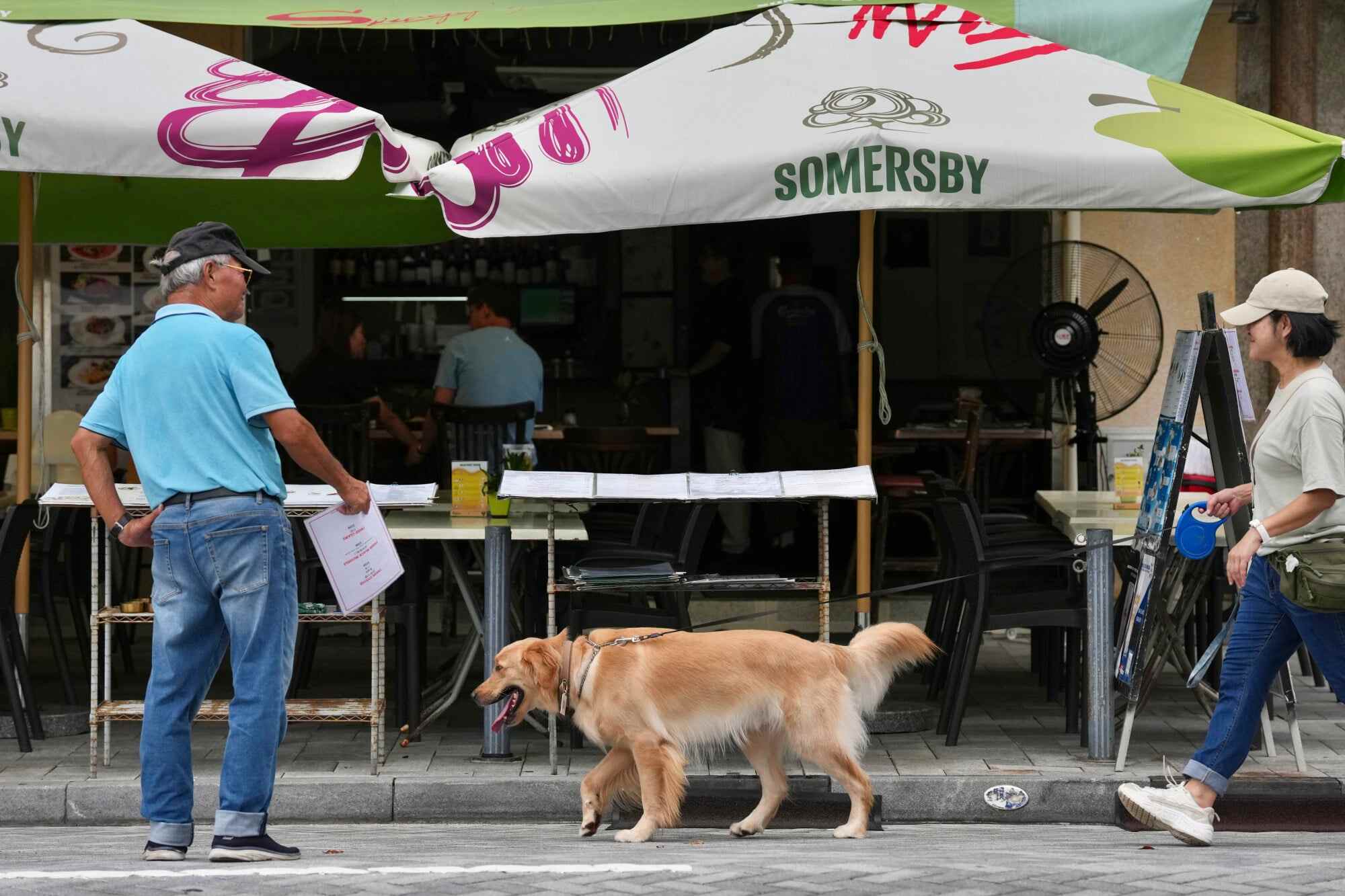
Lau Chun-hoi, coordinator of the NGO Animal Welfare Advocacy Alliance, said during a radio programme that enforcement actions had increased the pressure on dog owners, prompting some to abandon their pets. He said his group had recorded a 50 per cent month-on-month increase in dog abandonment cases, adding that he had personally handled 16 cases.
The importing, breeding, selling and keeping of fighting dogs without a licence is prohibited in Hong Kong.
Anyone in possession of a fighting dog commits an offence if the owner fails to produce a veterinary certificate proving that the animal has been neutered. Those convicted face a maximum penalty of a HK$50,000 fine and six months in jail.
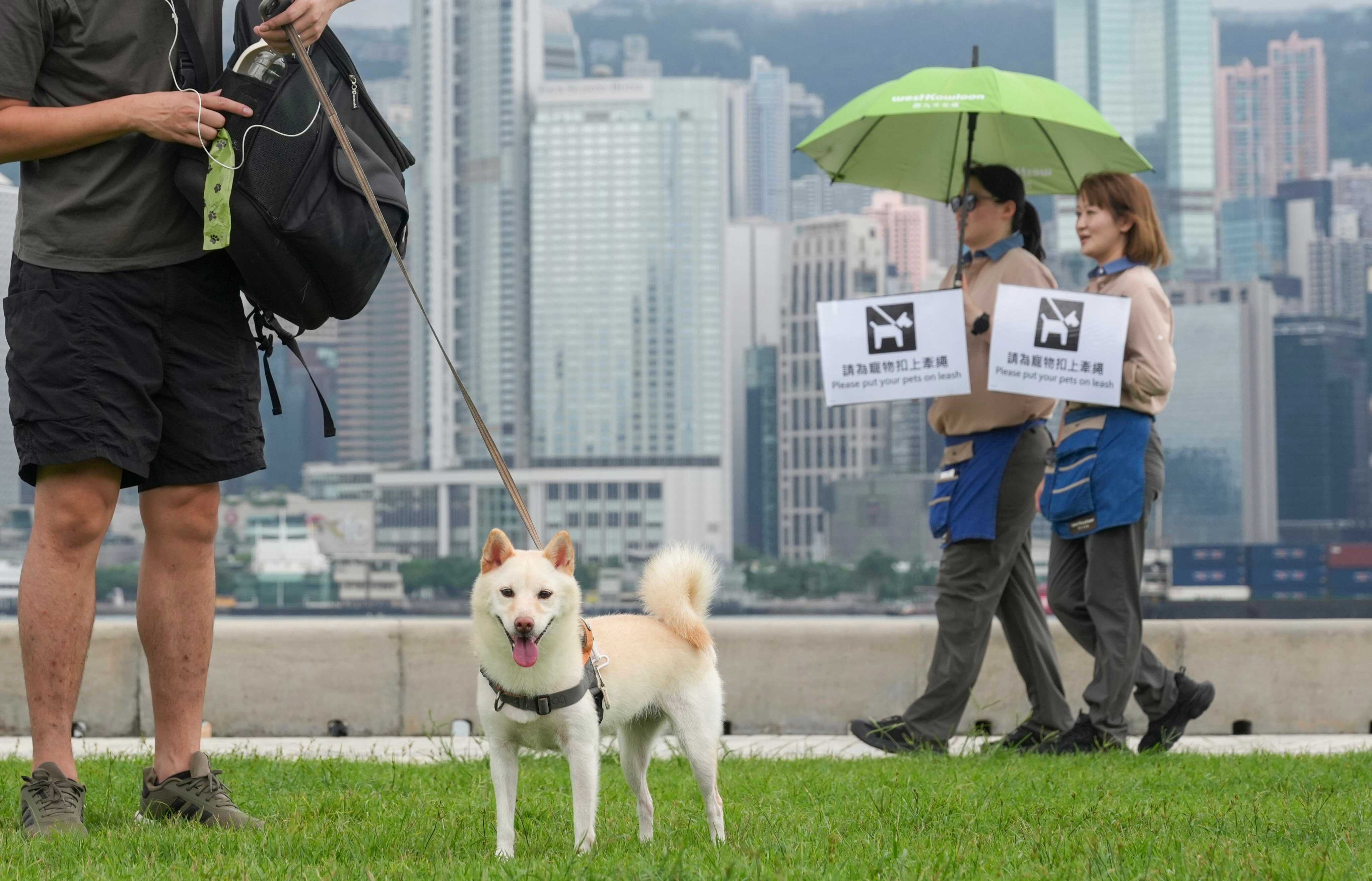
The law also requires that dogs weighing more than 20kg be secured in public with a leash up to two metres long. Offenders face a maximum penalty of three months in jail and a HK$25,000 fine.
Chief Executive John Lee Ka-chiu has promised to review laws governing dangerous dogs.