Before you read
-
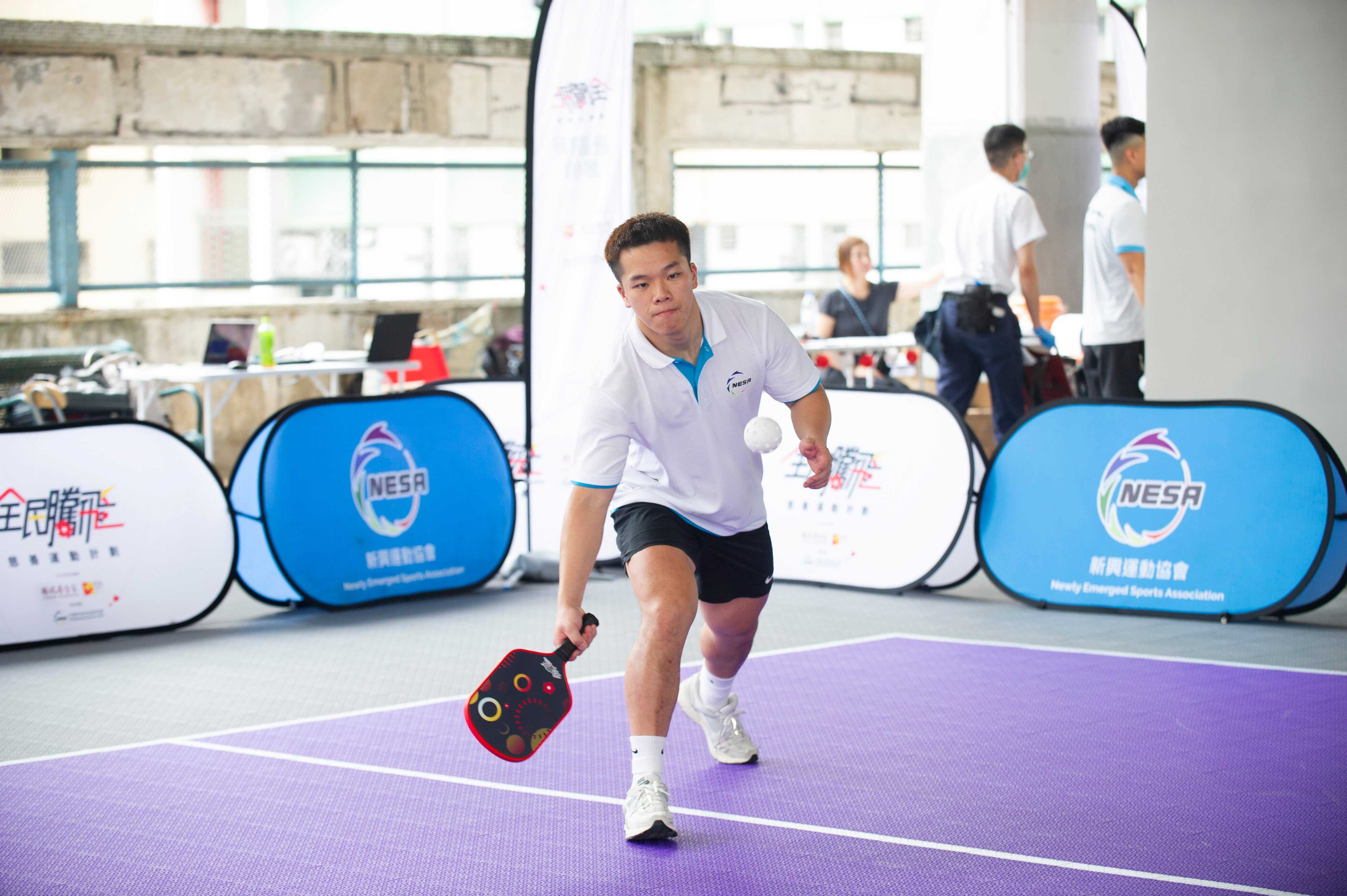
Played on a badminton-sized court with smooth paddles that hit a hollow plastic ball over a net, pickleball is an emerging sport that is gaining traction in Hong Kong.
-
Pickleball is one of the world’s fastest-growing sports, thanks to how accessible it is for anyone to pick up and the social interaction it offers for players of all ages.
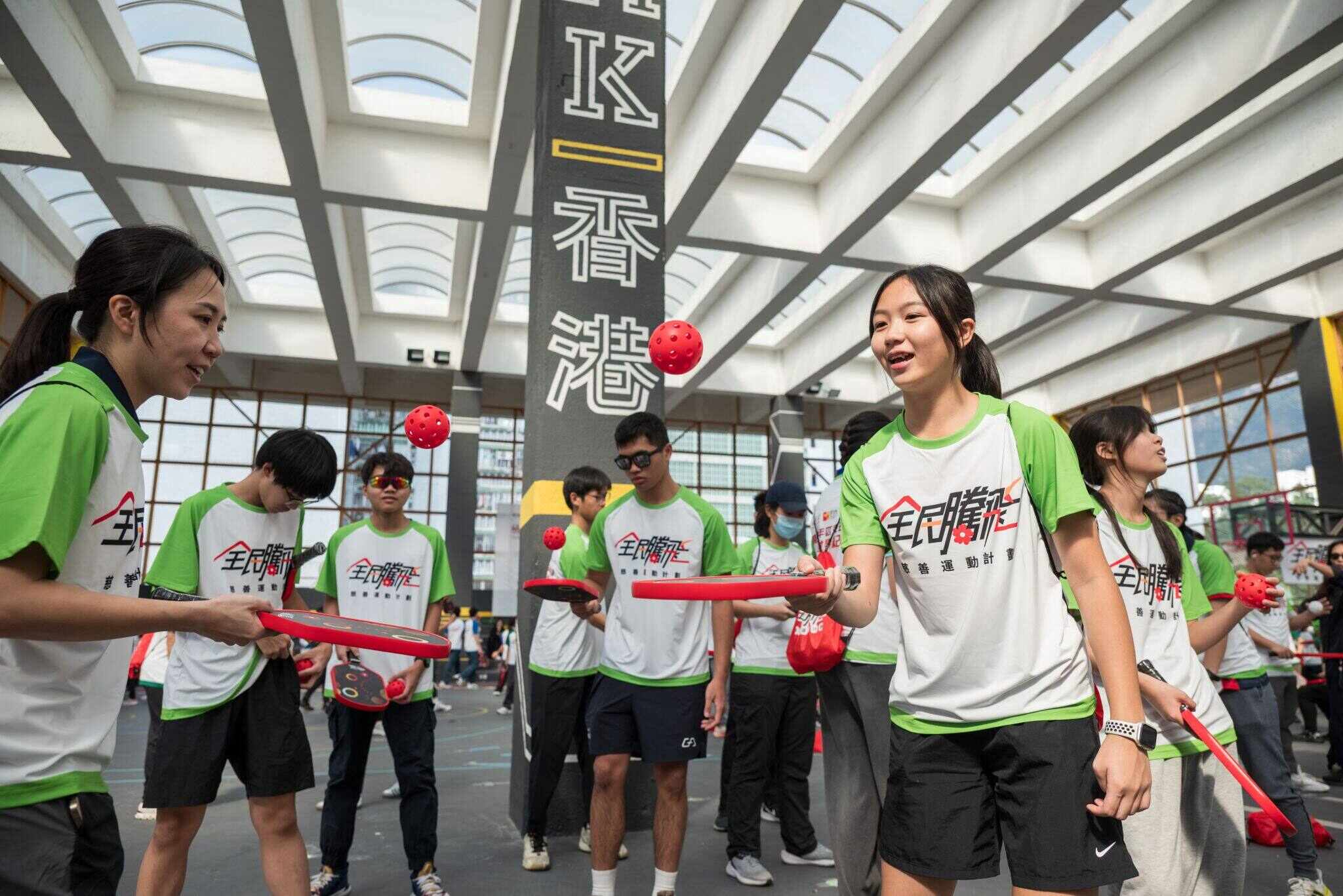
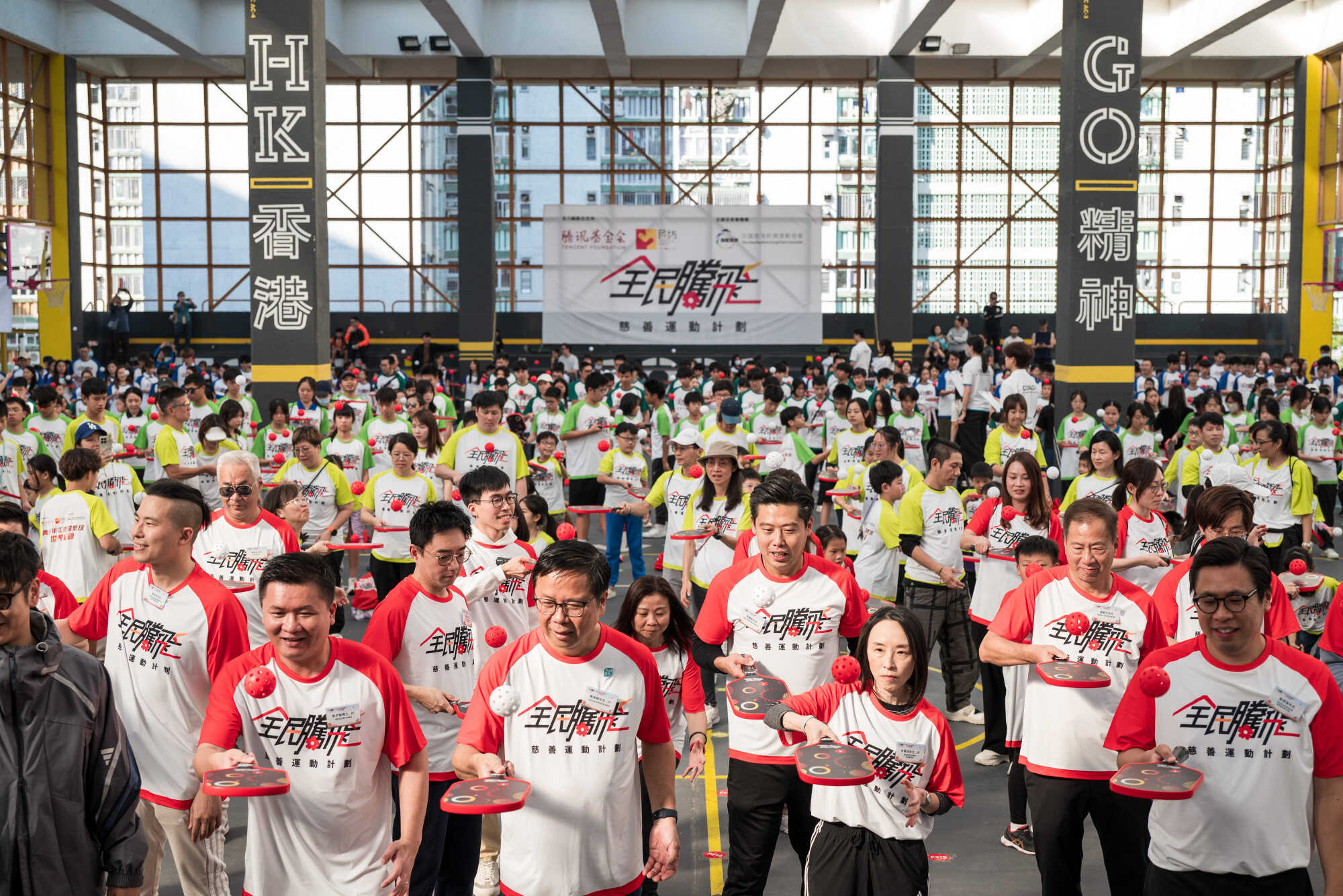
Kai Yip Recreation Centre in Kowloon Bay transformed into a sea of pickleball paddles and plastic balls on Sunday, as more than 700 Hong Kong youth successfully broke a record.
In a display of focus and coordination, the massive group set the Guinness World Record for the “Most People Bouncing Pickleballs on Paddles”.
The event was the highlight of the Fly High Charity Sports Programme 2025, organised by the Tencent Charity Foundation and Gaw Capital People’s Place, in collaboration with the China Hong Kong Newly Emerged Sports Association. As a YouthFest@HK 2025 partner programme, the event was designed to showcase the vitality and resilience of the city’s youth.
Securing the record was not an easy task. Participants were required to hold a pickleball paddle and continuously bounce the ball for 10 seconds without a single ball touching the ground. More than 30 pickleball coaches provided real-time guidance.
Official adjudicators from Guinness World Records patrolled the courts to audit the attempt. About 800 youth were present, and more than 700 of them were successful. When the record was confirmed, the tension on the courts dissolved into cheers.
Pickleball has taken the world by storm in recent years. Often described as a mix of tennis, badminton and table tennis, it is known as an easy sport that anyone can pick up. Unlike traditionally popular sports like football or basketball, pickleball prioritises accessibility, mixed-gender play and social interaction for all ages.
One young participant at the record-breaking event, Wan Chun-hang, said the task was harder than it had seemed.
“I initially thought bouncing the ball would be easy, but it actually requires good coordination of eyes, hands and body, as well as cooperation with teammates,” said the student from SKH St Simon’s Lui Ming Choi Secondary School.
“This event taught me communication and trust, and I realised the importance of teamwork.”
Elite athletes like squash player Leo Au and boccia player Ho Yuen-kei also attended the event.
The event had support from government officials, including Charmaine Lee Pui-sze, the permanent secretary for housing, and Eric Chan Sui-wai, the commissioner for youth in the Youth Affairs Branch of the Home and Youth Affairs Bureau.
Chan said he was delighted to see how the event brought people together.
“Hong Kong will prosper only when its young people thrive,” he said. “Seeing teenagers from different groups come together to successfully challenge a world record through sweat and team spirit shows their boundless potential to break limits.”
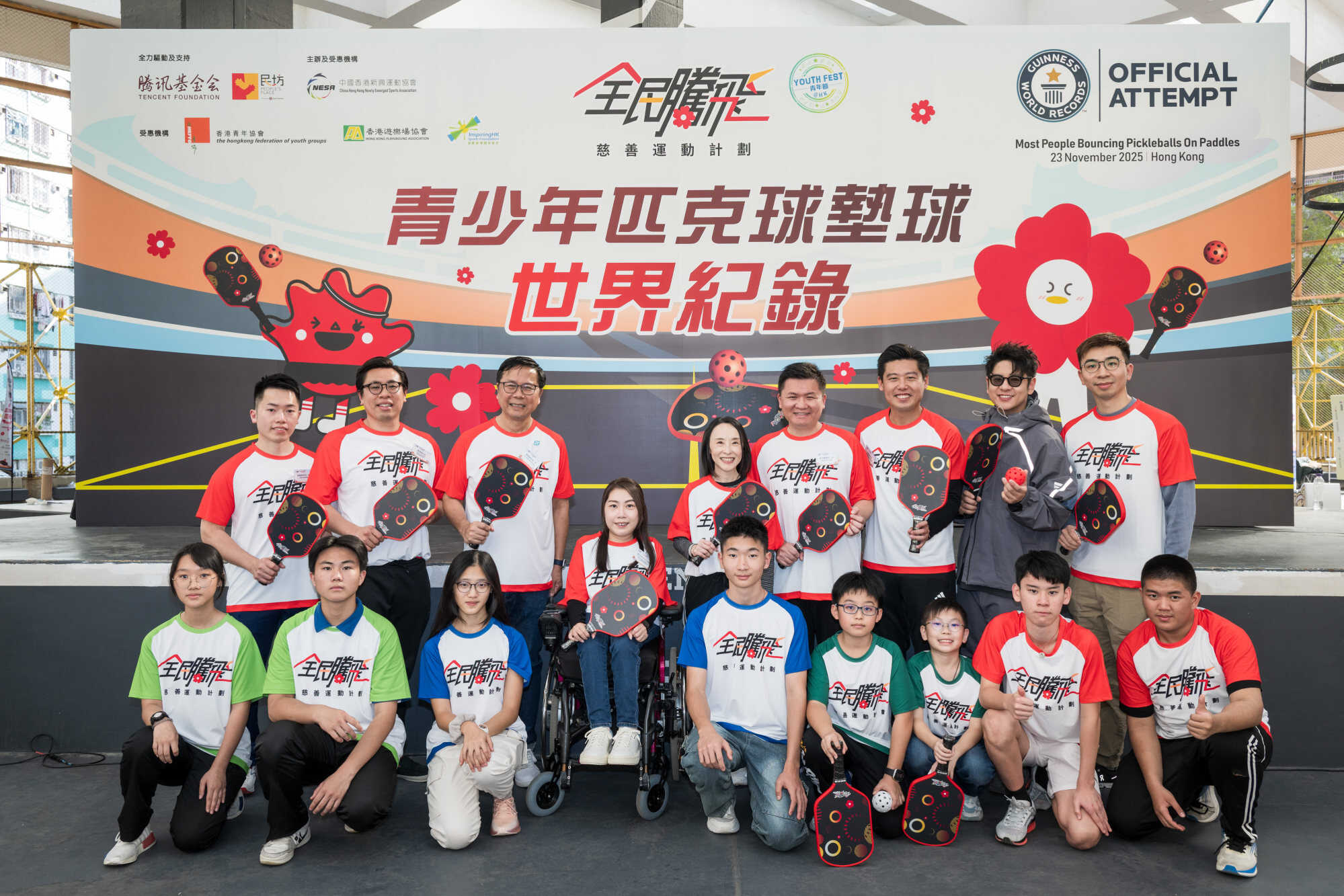
Alvin Lo, managing director at Gaw Capital, said he was thrilled that the Fly High team gave new meaning to the renovated recreation centre.
“It ensures that Kai Yip is not just a basketball court, but a platform for incubation, innovation and community connection,” Lo said.
James Li Tsz-shu, the chief executive of Tencent Foundation, said the record-breaking moment was part of the programme’s goal of ensuring “youth have growth, the community has connection, and society has positive energy”.
For one student, Ho Tsz-ho – who is also part of the Strive and Rise mentorship scheme for low-income pupils – the event’s energy was infectious.
“Trying this emerging sport felt fresh and challenging,” the 14-year-old said.
“The atmosphere on-site was enthusiastic and full of positive energy, inspiring me to cultivate a persistently healthy lifestyle.”