




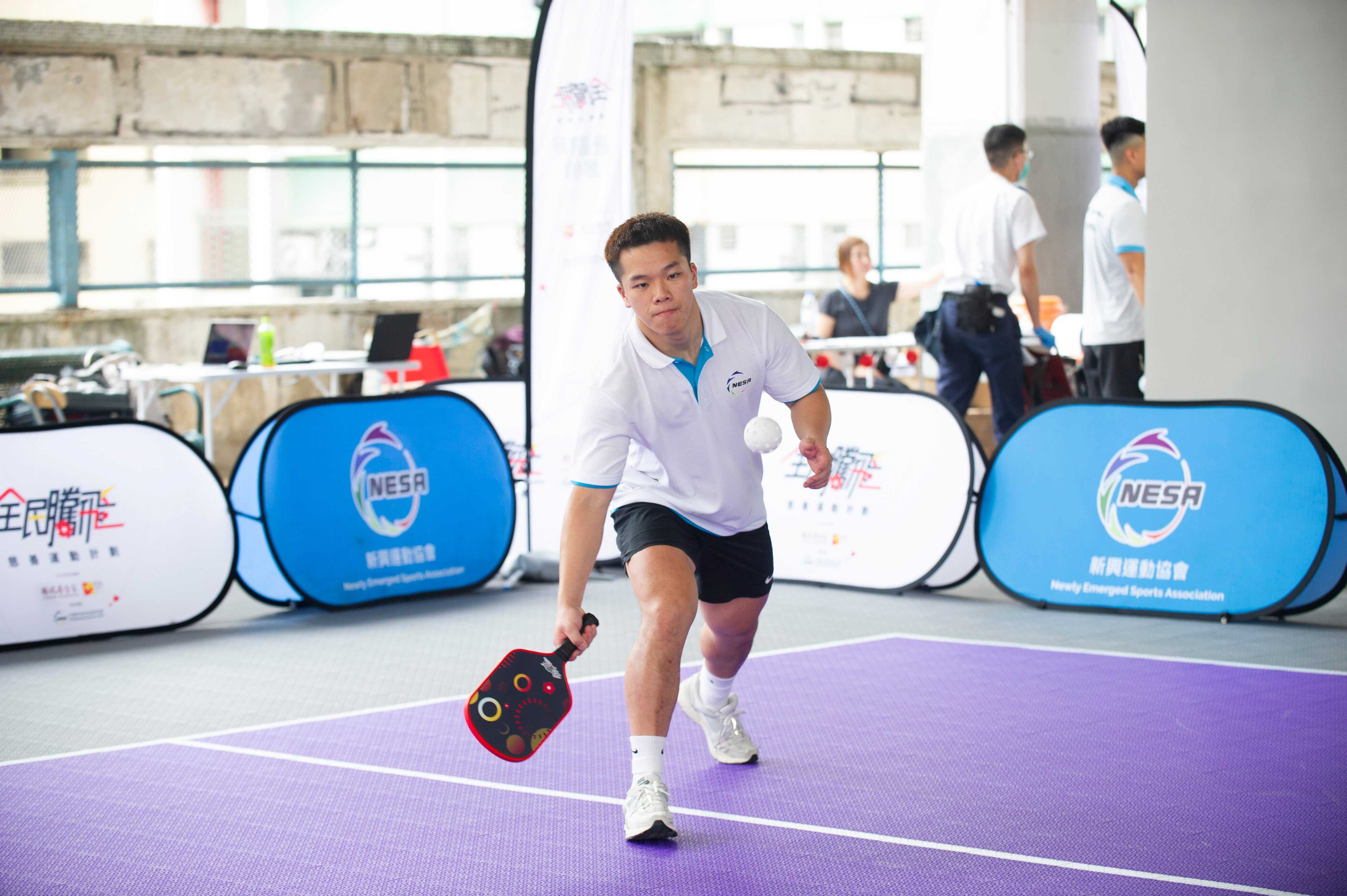
A small plastic ball whizzes through the air between eight teens on a badminton court in Hong Kong’s Kowloon Bay.
But it is not badminton that the youngsters are playing. Instead, they are hooked on a fast-paced sport sweeping the city: pickleball.
Although they are new to the sport, they are already rallying like professionals, with their shouts echoing across the court.
One of those newcomers is 17-year-old Chan Yat-long, who said he was keen to continue playing pickleball.
“Now I know this sport ... I want to find [more] friends to play together,” said the student from United Christian College.
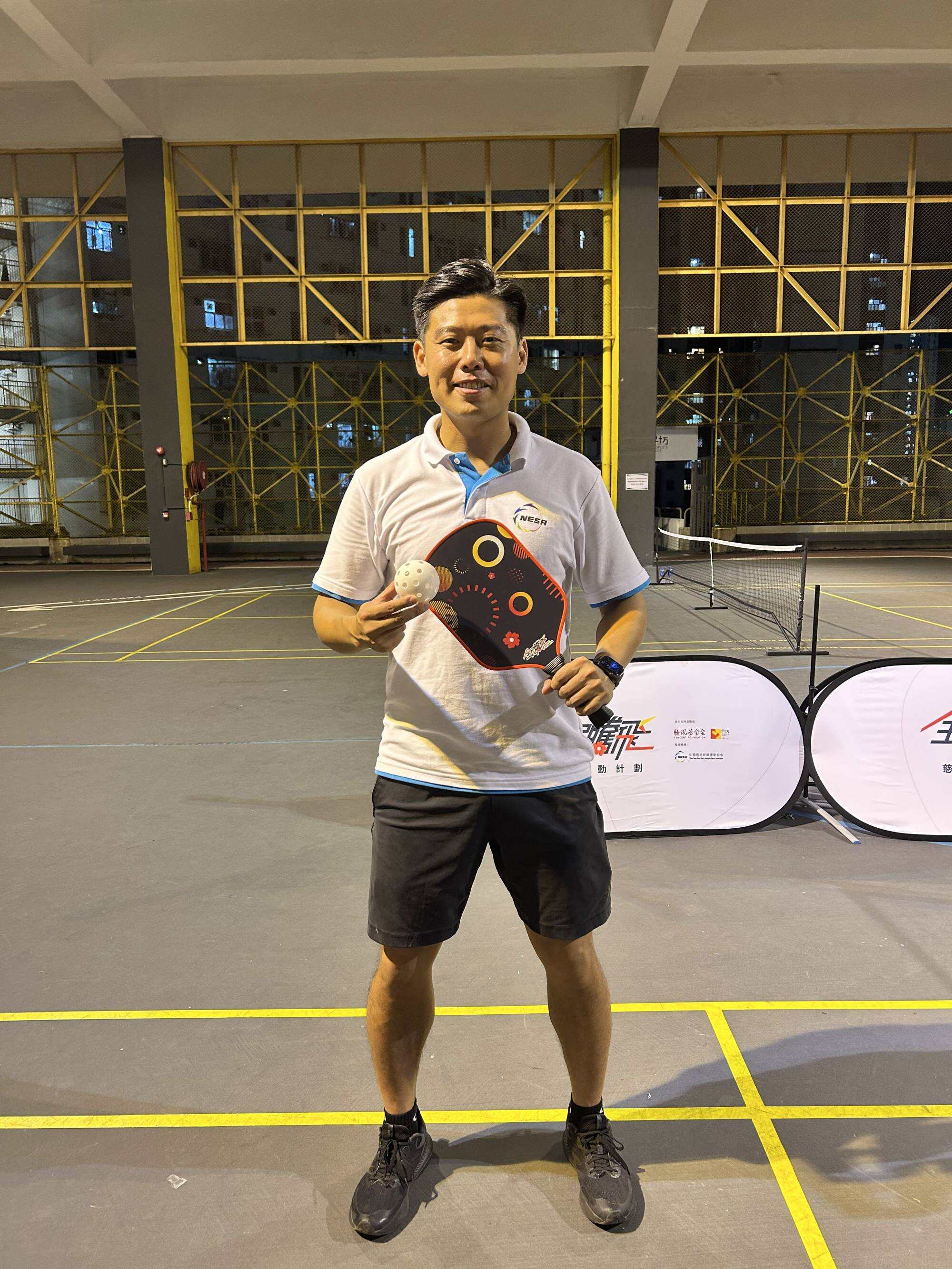
Kennedy Lai, founder of the Newly Emerged Sports Association (NESA), said pickleball was a hit among young Hongkongers.
His hope is that the easy-to-learn sport can get students moving.
Hong Kong kids aren’t exercising enough – here’s how we could change that
A game for all
In 1965, three fathers wanted to create a game their families could easily play together. They used what they had to make a new sport: badminton nets, table tennis paddles and a plastic ball known as a wiffle ball.
The sport spread quickly, with a United States pickleball association launching in 1972.
During the Covid-19 pandemic, many Americans turned to the activity while social-distancing rules were in place. Since then, its popularity has spread globally.
The sport offers an easy way to get active. This is particularly important in Hong Kong, where over 90 per cent of youngsters do not get at least 60 minutes of moderate or intense exercise every day.
Teachers see it as a tool to motivate students, especially those who respond poorly to traditional physical education classes.
Lai, who was a physical education teacher for around six years, said he turned to pickleball after his students struggled to pick up traditional sports.
“[For] basketball, after I teach dribbling, they don’t know how to play the game. I need to use many lessons to let them know the sport,” said Lai, adding that this had contributed to the students’ disinterest in regular classes.
How Hong Kong schools can embrace body positivity, boost teen mental health
“[Only about] 20 per cent of the students were really engaged in my lessons,” he said.
He eventually realised that such steep learning curves pushed students away.
When he started teaching pickleball in his classes, Lai noticed students could play from the first day.
Other advantages are the cheap equipment, low injury risks, small amount of space needed and opportunities to socialise. Badminton courts can also be easily converted to play pickleball.
Lai has been promoting the activity in schools, community centres and public sports halls since 2020.
He said that as of this year, NESA would be training more than 50 Hongkongers to become certified coaches or referees.
Growing the sport
Still, Lai faces some challenges.
He said that most schools already had a curriculum filled with other popular sports, making it difficult to easily add pickleball.
“When promoting sports, the main target audience is the students ... [But] when we [consider] the school, there is a lack of resources,” Lai said.
He added that it would take time to train physical education teachers in the sport.
Venue availability is also an issue. But he noted that the private sector and government had been increasing the number of courts that could be used for pickleball.
Many people also thought the sport was a slow-paced activity for the elderly, Lai said.
But he emphasised that pickleball was competitive and required athleticism.
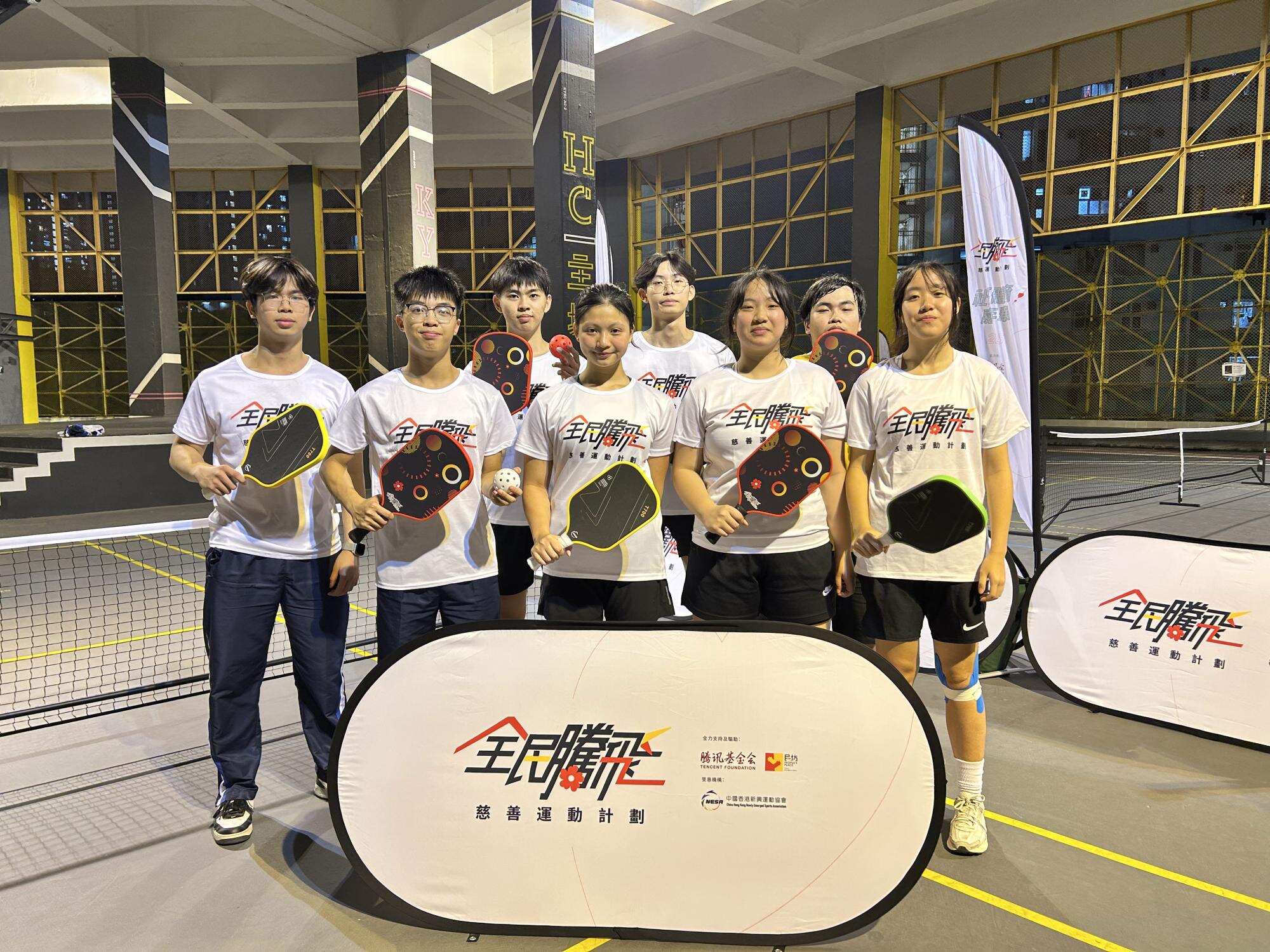
Students are now trying out the sport through the Fly High Charity Sports Programme 2025, an initiative that uses sports to improve the lives of young people.
The programme is co-organised by the Tencent Charity Foundation and Gaw Capital People’s Place.
During their first pickleball lesson, the students learned the rules before practising forehand and backhand shots. Soon, they began to volley.
Ken Su Ka-lok, also from United Christian College, started as a badminton player and felt that the skills were transferable.
“Pickleball is so interesting ... [There are] some common skills with badminton, because what you can learn from badminton, you can also apply to pickleball,” the 16-year-old said.
Tina Xu Piying, an 18-year-old from the same school, said she enjoyed the social side of the game.
“I think the most fun part is, this is a teamwork game,” said Xu, who was trying the sport for the first time through the programme.
She said she expected the sport to grow in Hong Kong.
“Now Hong Kong has many new sports, and people will want to have a chance to try and ... the community and school will promote pickleball to us,” she said.
Motivated by the youngsters’ passion for pickleball, Lai has high hopes for the future of the sport locally.
He is looking to include it in physical education classes across Hong Kong. The launch of school and community leagues could also be on the horizon.
Lai urged students to give the sport a try.
“Come out to play because pickleball can give you a very successful experience,” he said. “You cannot imagine how fun it is, and then you will be addicted to it.”
-
Stop and think: How can Hong Kong get more students to play pickleball and other sports?
-
Why this story matters: Many children do not get enough physical exercise. Some also get bored with sports when they are difficult to play on the first try. Pickleball is an accessible sport that can help youngsters get active and have fun.
