Before you read: A rise in global demand, poor crop yield and an ageing workforce have led to a global matcha shortage. The price of matcha is expected to rise, and some shops may even remove matcha items from their menus
Think about it: How could a matcha shortage affect sales at shops that primarily sell matcha? How might consumers react to higher prices?
Has your favourite cafe raised the price of its matcha drinks, or even halted their sale altogether? If so, it is likely part of a growing trend.
Matcha prices worldwide are expected to increase sharply due to a matcha shortage in Japan, according to the co-founders of Hong Kong matcha brand Matchali.
Cara and Laura Li, third cousins who co-founded Matchali in 2019, regularly visit Uji in Japan to bid on matcha for their store. Uji is famous for its high-quality green tea and matcha farms.
According to the pair, there are three main reasons for this year’s matcha shortage: an ageing workforce, poor crop yield and rising global demand.
Matcha has exploded in popularity over the last few years. Forbes reported that the global matcha market is expected to reach US$5 billion (HK$38.98 trillion) in the next three years, reflecting a compound annual growth rate of more than 10 per cent from 2023 to 2028.
Cara and Laura attributed this surge in popularity to matcha’s health benefits, vibrant colour and viral social media presence.
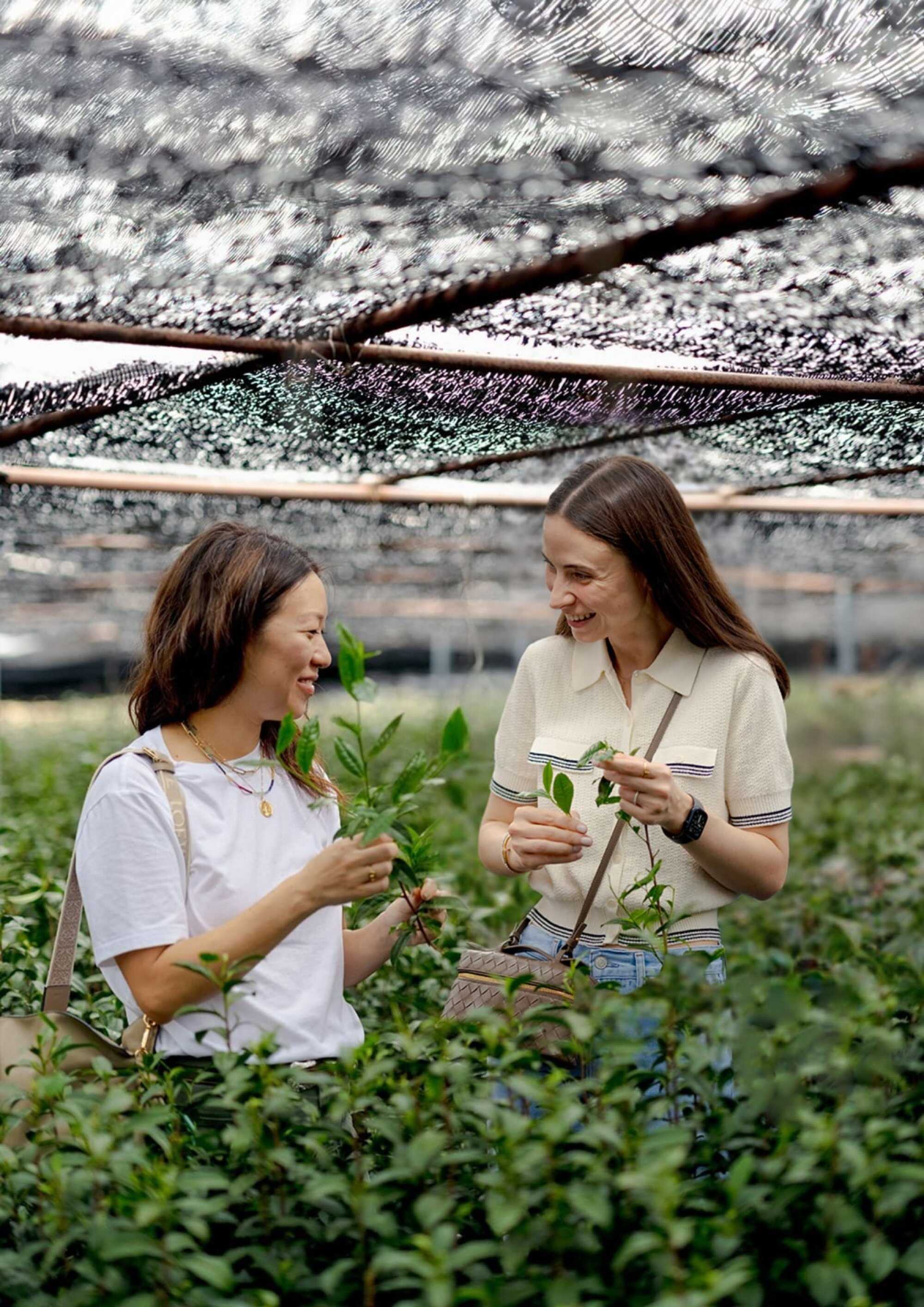
“People are becoming more aware of matcha as an alternative to coffee,” Cara, 34, said.
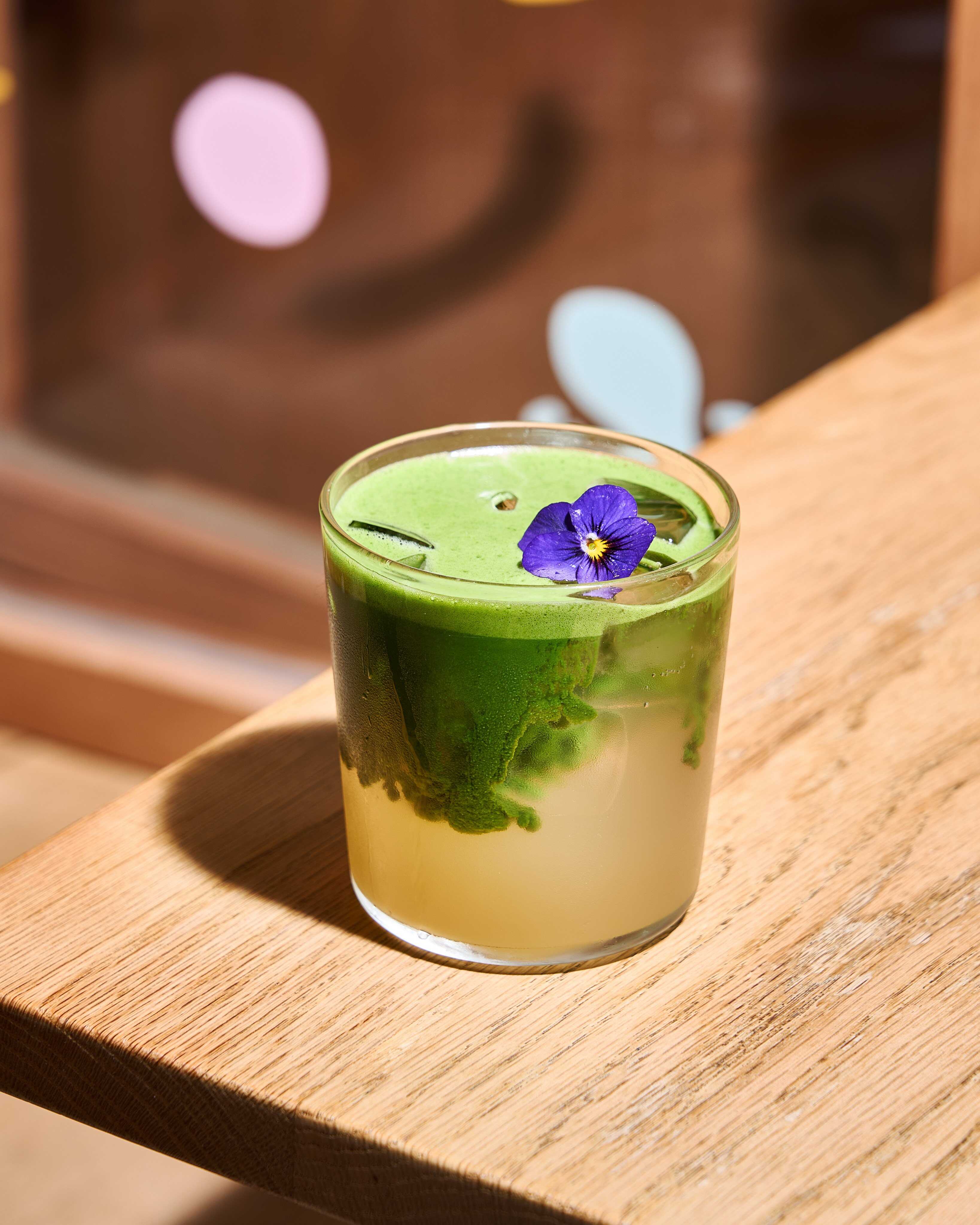
She added that matcha’s rich green colour “lends itself very well to social media”.
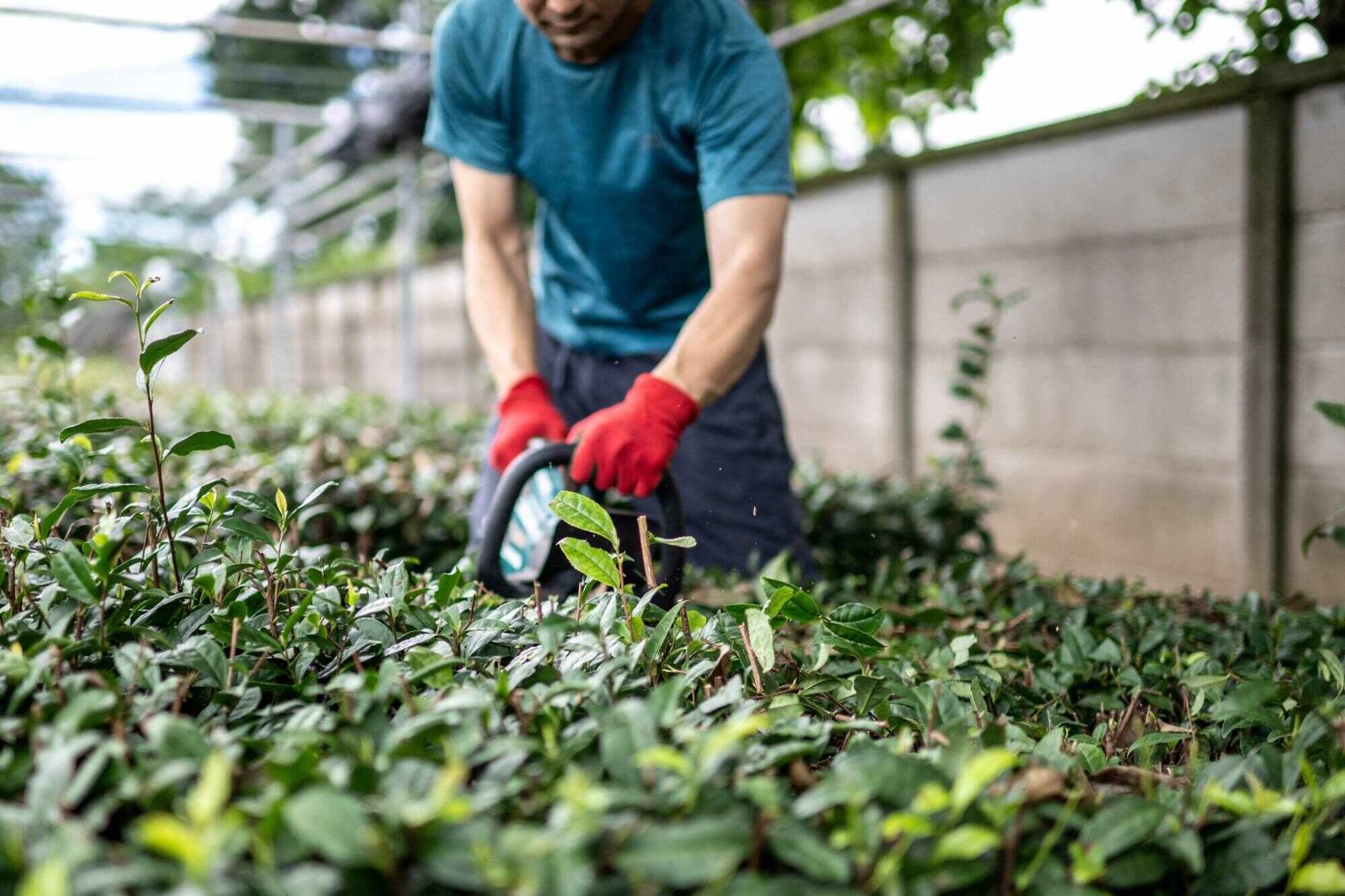
However, the rise in demand coincides with an ageing workforce. Laura, 43, explained that most matcha farmers are seniors, meaning the size of the farms and yield are at risk of shrinking.
“A lot of [tea] farmers in Japan are from the older generation, and most of the younger generation are not really interested in working on the farms. They want to work in the cities,” Laura said, adding that this urban shift means fewer farmers.
Cara, who visited Uji with Laura in May, said that the summer of 2024 was extremely hot in Japan, with minimal rainfall. According to Reuters, farmers saw a weak yield in May.
Cara explained that the shortage is “a combination of this surge in popularity and a supply that cannot really [meet] demand, [plus] the ageing workforce and the weather”.
The women said these factors caused the price of matcha in Uji to double this summer. This is likely to force cafes, stores and distributors to make tough decisions about their businesses.
“To keep offering the quality that people expect and have come to know and to love, prices will have to go up a little bit,” Cara said. “For prices to sort of remain the same, we would have to offer a lower quality product.”
Cara added that some places would find these price hikes “too much of a headache” and might temporarily remove matcha items from their menus.
Stores buying smaller volumes of matcha would also face issues, as “the suppliers are not supplying them anymore” due to the shortage, Laura said.
The pair warned consumers only to buy matcha from trusted sources to avoid scams.
“We’ve seen on social media people posting about resellers buying reputable brands and then emptying them and refilling them with [lower quality] powder,” Cara said, adding that some people are also falsely advertising their products.
Amid the uncertainty of the industry, the pair hoped that consumers would continue to choose matcha and learn about its health benefits, while being cautious of its quality.