The Trump administration’s plan to secure and govern Gaza won strong approval at the United Nations on Monday, highlighting international support for efforts to move the conflict region towards peace following two years of war.
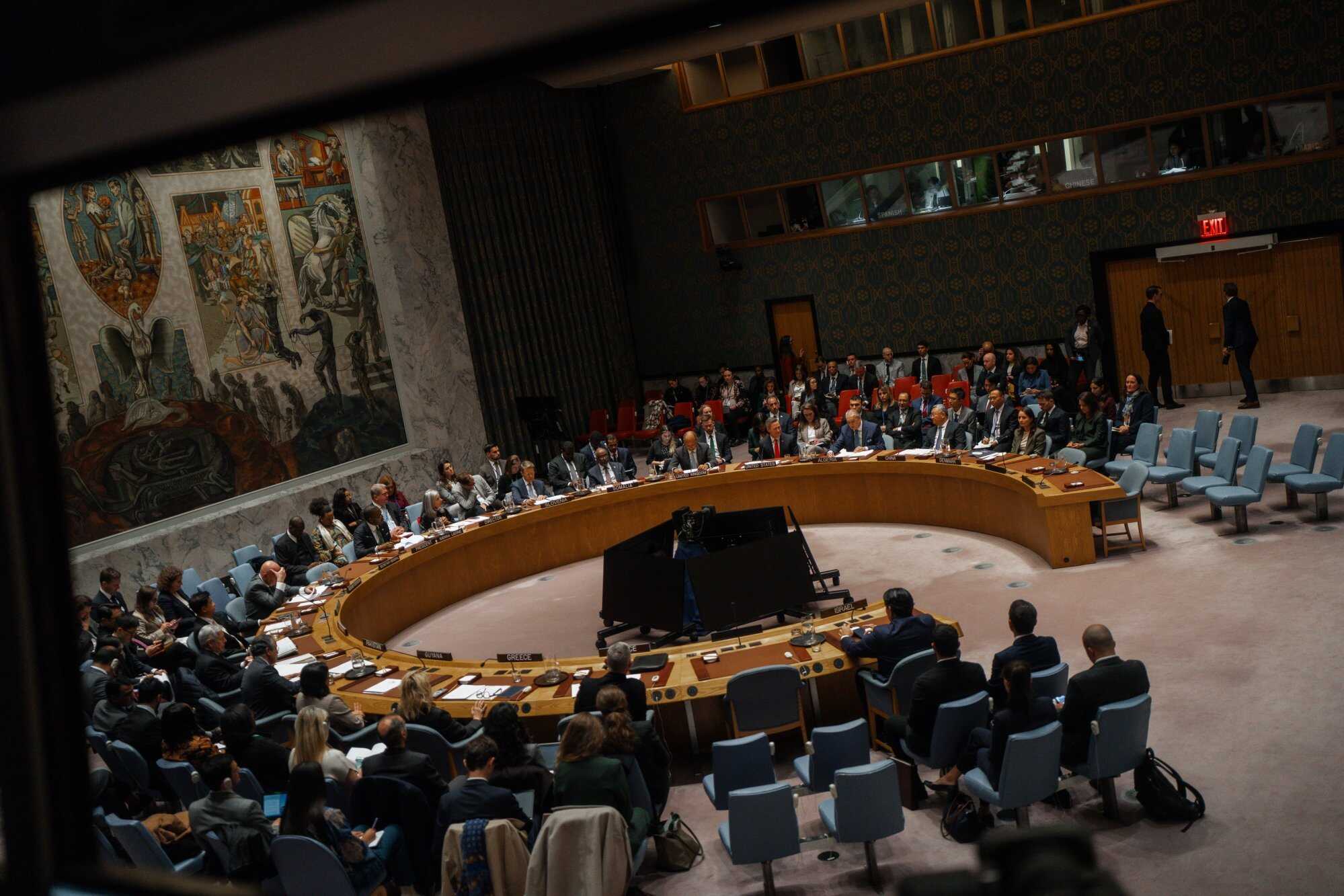
The US resolution that passed the UN Security Council authorises an international stabilisation force to provide security in Gaza, approves a transitional authority to be overseen by US President Donald Trump and envisions a possible future path to an independent Palestinian state.
“This will go down as one of the biggest approvals in the History of the United Nations, will lead to further Peace all over the World, and is a moment of true Historic proportion!” Trump posted on social media.
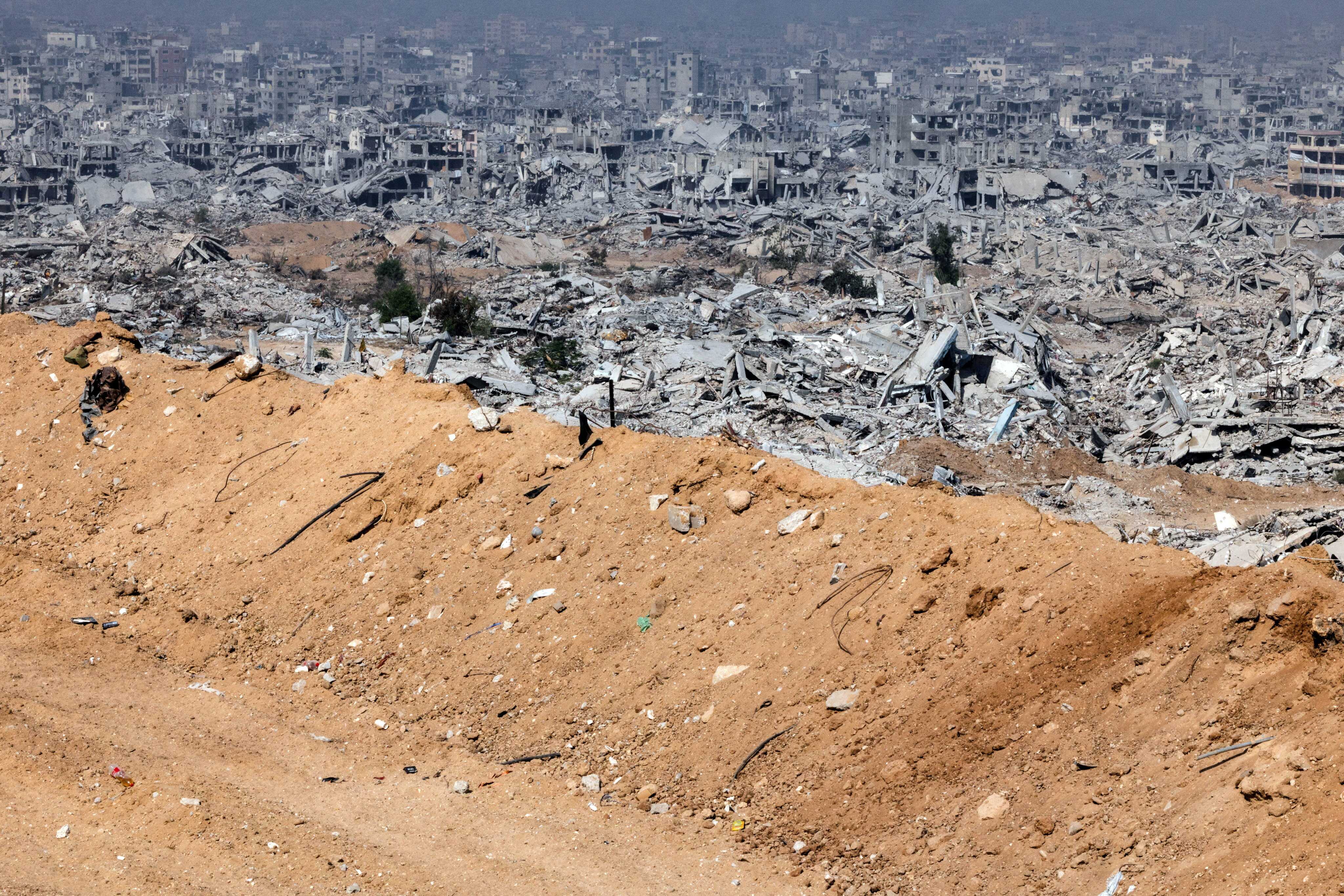
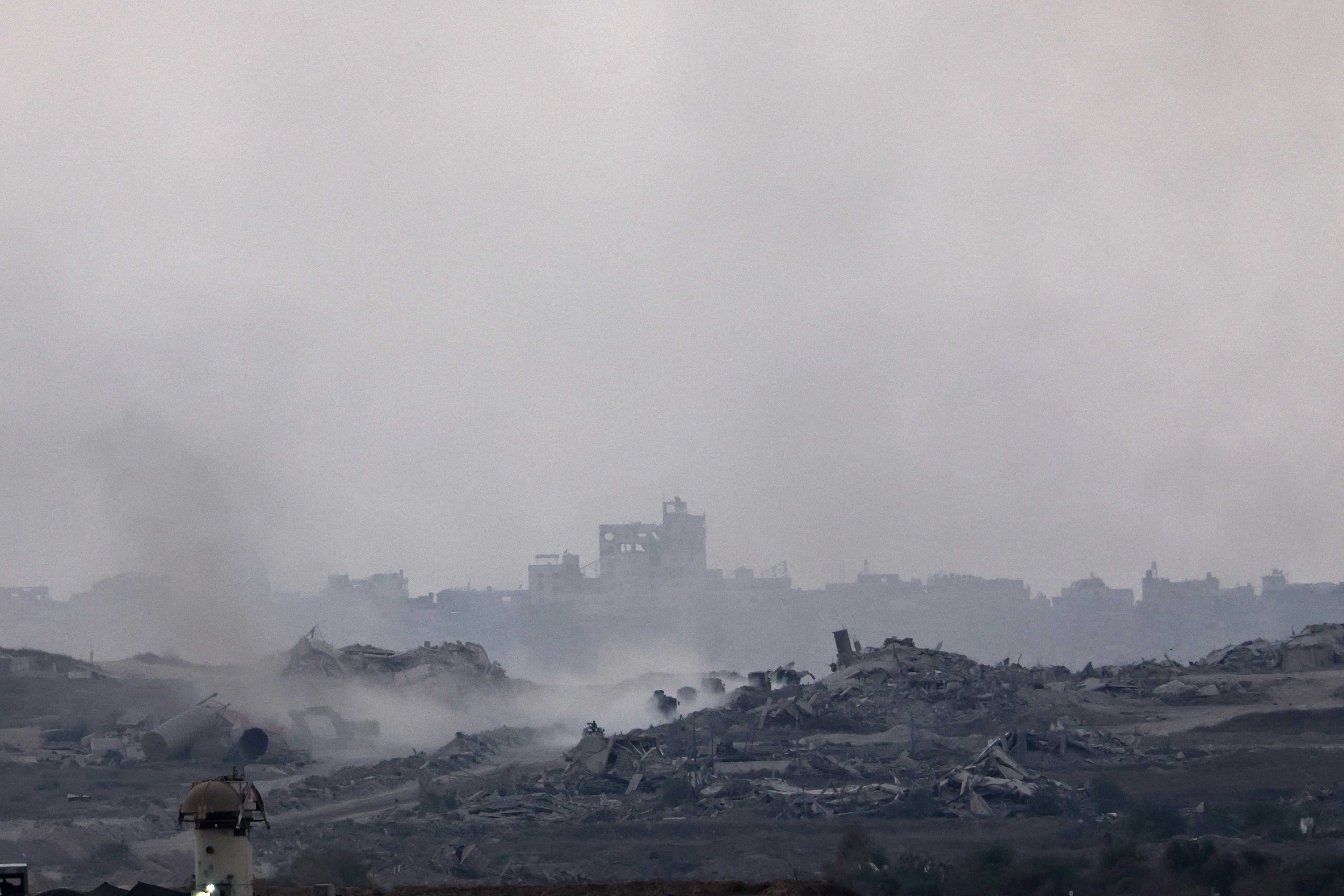
The vote endorses Trump’s 20-point ceasefire plan and builds on the momentum of the fragile ceasefire he helped broker with allies. It marks a key next step for American efforts to outline Gaza’s future after the most recent conflict destroyed much of the territory and killed tens of thousands of people.
The proposal calls for a yet-to-be-established Board of Peace as a transitional authority that Trump would head. It also provides a wide range of tasks for the international stabilisation force, including overseeing the borders, providing security and demilitarising the territory.
Authorisation for the board and force expires at the end of 2027. Arab and other Muslim countries that expressed interest in providing troops for an international force had signalled that UN authorisation was essential for their participation.
Russia, which had circulated a rival resolution, abstained alongside China on the 13-0 vote amid fears that Moscow might use its veto in the Security Council.
Hamas opposed the resolution, saying in a statement that it does not meet the “Palestinian people’s political and humanitarian demands and rights”.
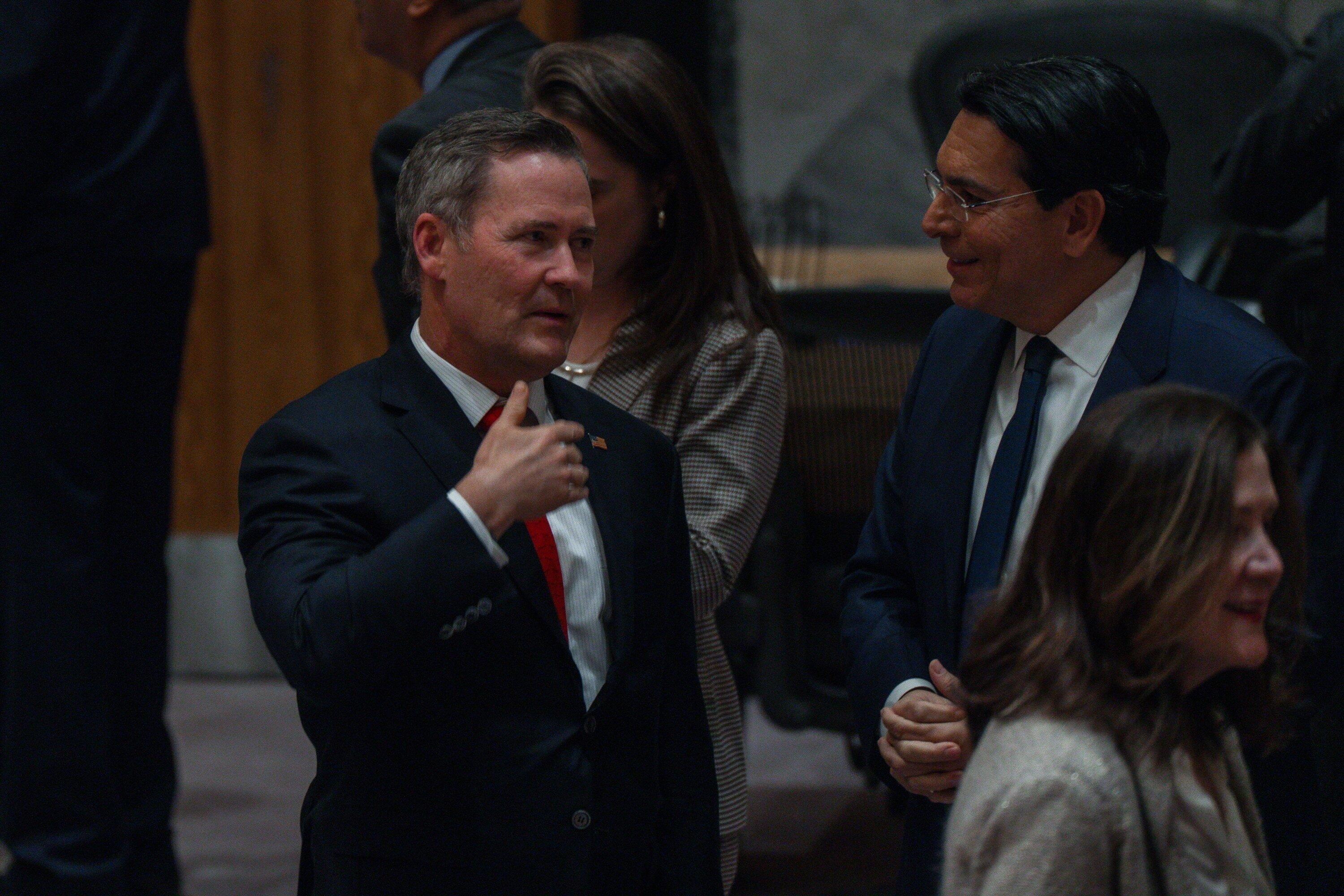
US ambassador to the UN Mike Waltz said the resolution “represents another significant step towards a stable Gaza that will be able to prosper and an environment that will allow Israel to live in security”.
It came about following nearly two weeks of negotiations, when Arab nations and the Palestinians pressed the United States to strengthen language about Palestinian self-determination. But the proposal still gives no timeline or guarantee for an independent state, only saying it was possible after advances in the reconstruction of Gaza and reforms of the Palestinian Authority, which now governs parts of the West Bank.
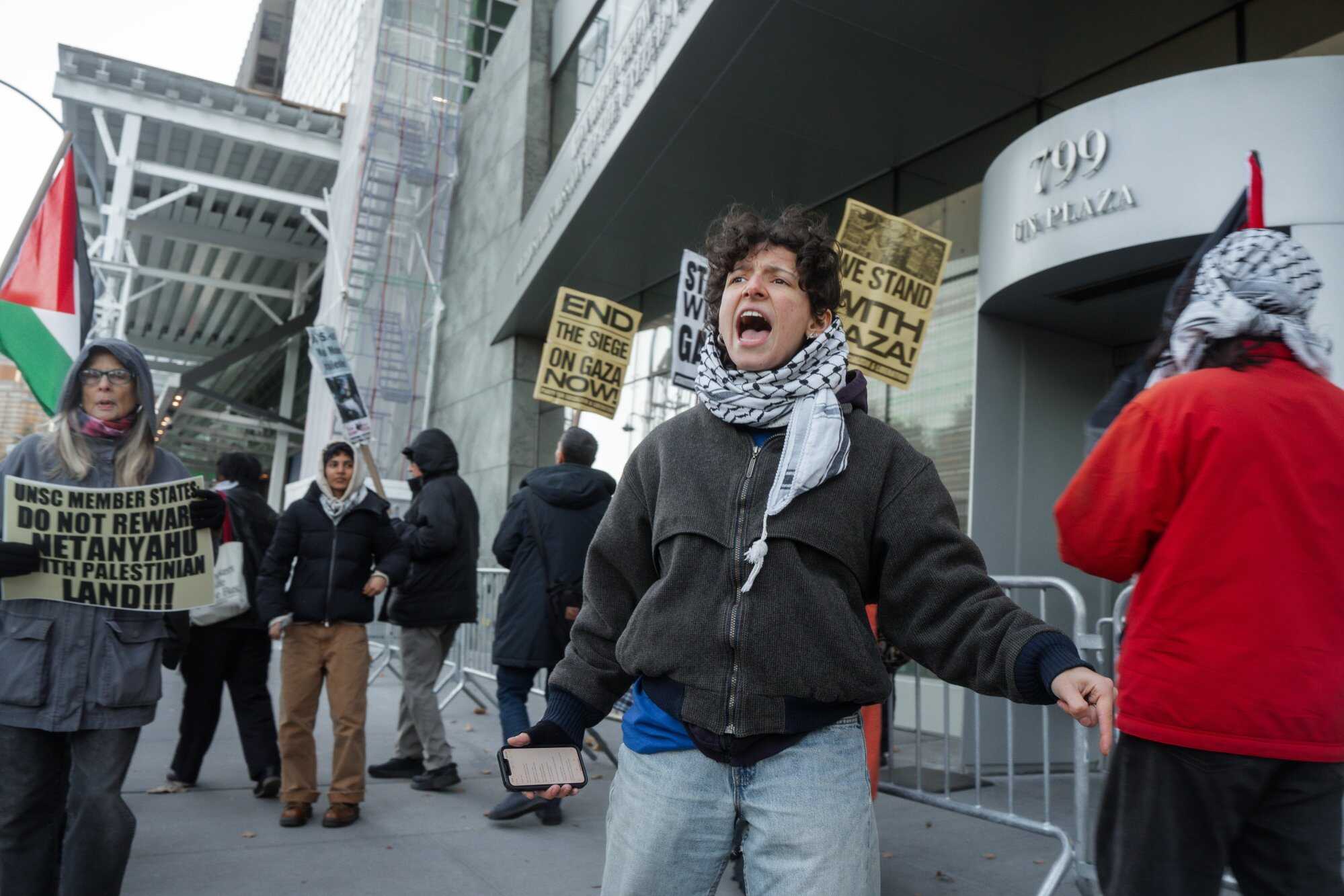
The US revised the resolution to say that after those steps, “the conditions may finally be in place for a credible pathway to Palestinian self-determination and statehood”.
“The United States will establish a dialogue between Israel and the Palestinians to agree on a political horizon for peaceful and prosperous coexistence,” it adds.
Israeli Prime Minister Benjamin Netanyahu opposes Palestinian statehood and repeated that position Sunday at a time when his hardline governing partners have expressed concern about the resolution’s endorsement of a “pathway” to Palestinian independence.
Israel’s UN ambassador Danny Danon told reporters before the vote that Israel was grateful to Trump “for leading peace to the Middle East”.
Algeria’s UN ambassador Amar Bendjama, the Arab representative on the council, thanked Trump for his instrumental role in bringing about the ceasefire, but said “genuine peace in the Middle East cannot be achieved without justice, justice for the Palestinian people”.
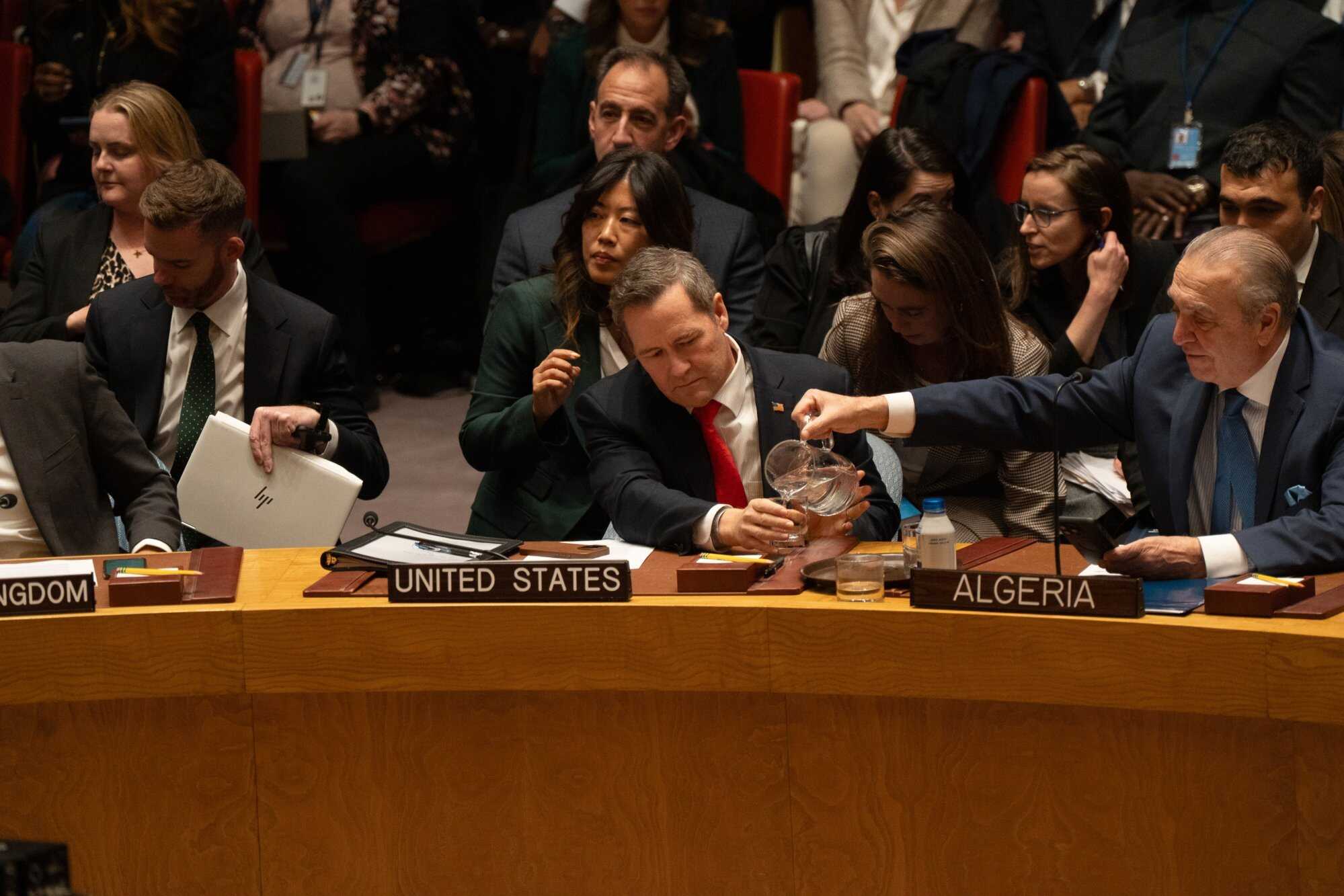
A key to the resolution’s adoption was support from Arab and other Muslim nations that had been critical to the ceasefire and potentially could contribute to the international force. The US mission to the United Nations distributed a joint statement Friday with Qatar, Egypt, United Arab Emirates, Saudi Arabia, Indonesia, Pakistan, Jordan and Turkey calling for “swift adoption” of the US proposal.
Russia’s UN ambassador Vassily Nebenzia said Moscow took note of that support but abstained because the resolution did not include a role for the Security Council or emphatically support Palestinian statehood.
The vote shores up hopes that Gaza’s fragile ceasefire will be maintained following a war set off by Hamas’ surprise attack on southern Israel on October 7, 2023, which killed about 1,200 people. Israel’s offensive has killed over 69,000 Palestinians, according to the Gaza health ministry, which says the majority are women and children.