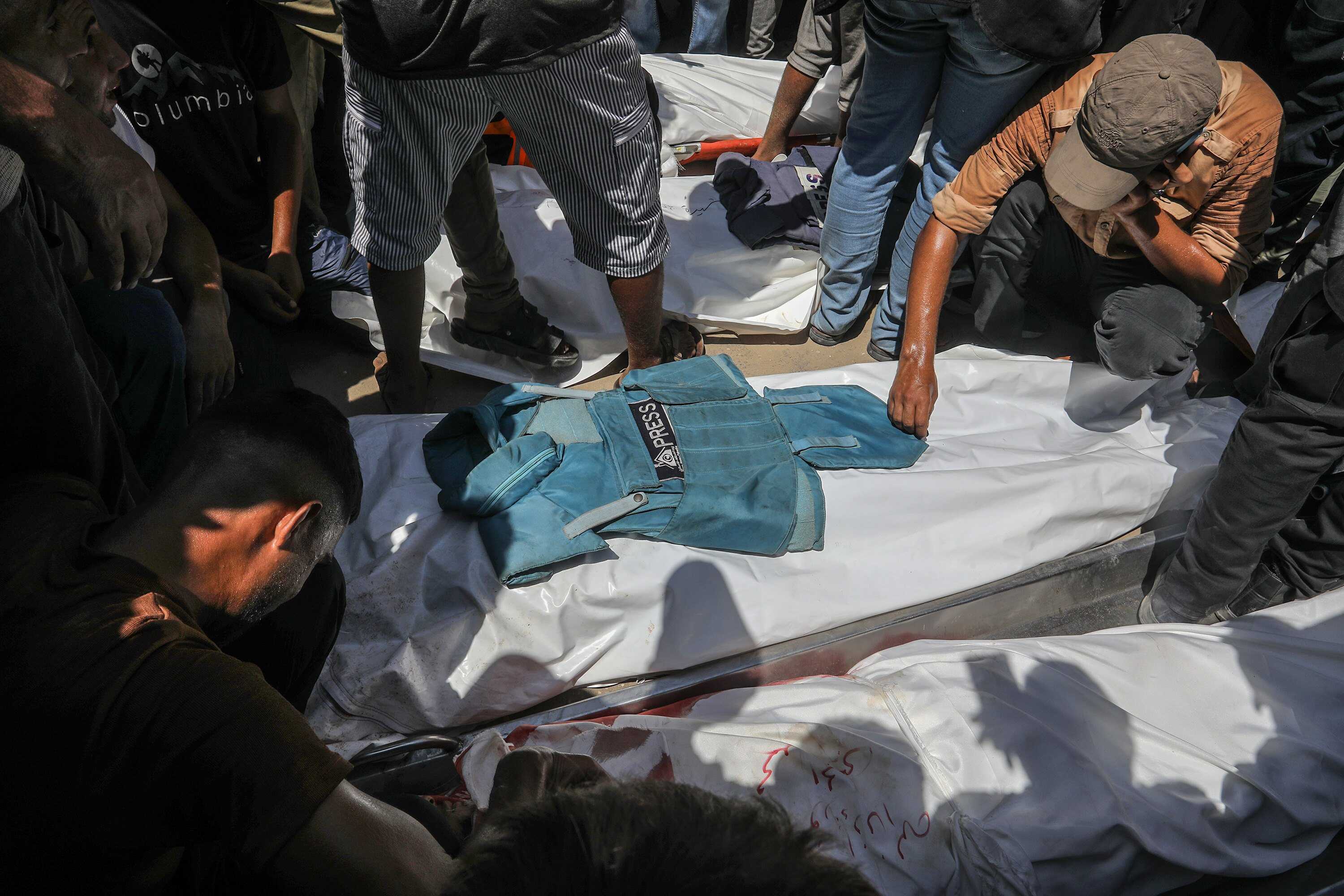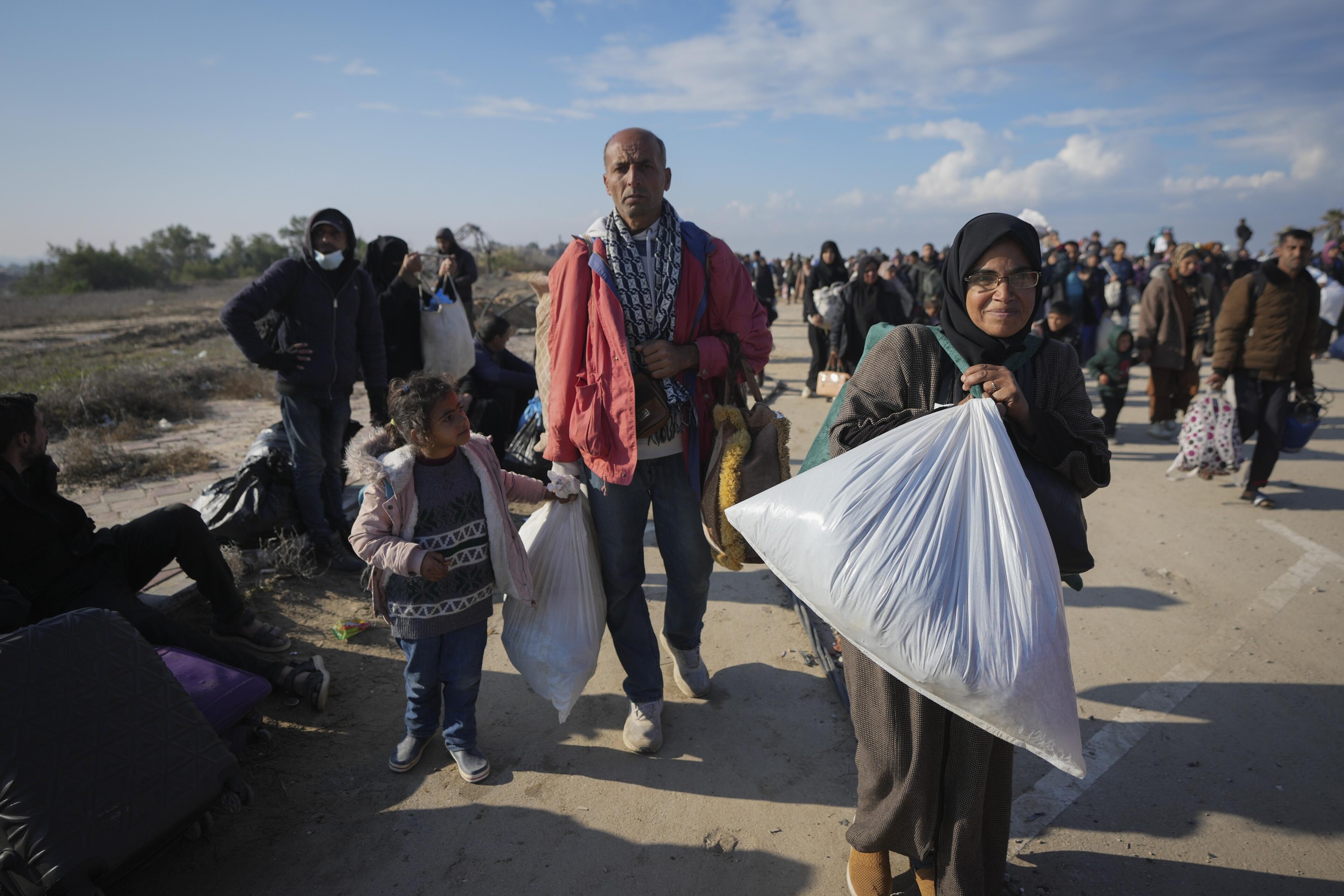
A delicate ceasefire in Gaza has rekindled hope for a group of young women whose dreams of higher education were crushed by war.
While violence continues to threaten the US-brokered truce between Israel and Hamas, the lull has revived efforts by the Asian University for Women (AUW) in Bangladesh to evacuate students from the conflict zone and give them a chance to study again.
Kamal Ahmad, AUW’s founder, said the university remained determined to bring students from Gaza to its Chittagong campus after earlier attempts failed. “We will keep trying until we are able to achieve our goal,” Ahmad told South China Morning Post’s This Week in Asia.
Founded in 2008, AUW offers full scholarships to women from underprivileged or conflict-affected communities, giving them access to courses that can change their lives. For many, the difference lies between a life of menial work and one of meaningful contribution to their communities.
Moved by what he described as the human tragedy unfolding in Gaza since the war erupted in October 2023, Ahmad said AUW wanted to help out since education itself had “also become a casualty”.
The organisation receives donations from foundations, companies and individuals from different parts of the world, including Hong Kong, which enables it to offer scholarships to such underprivileged students.
Lacking a physical presence in the conflict zone, AUW began reaching out online to people through the websites of 17 universities that existed in the area prior to the conflict, leading to eventually receiving applications from 2,000 students.
“We selected 180 students out of the applicants,” Ahmad said.
The process of trying to physically relocate the students has been arduous, according to Ahmad. Among the difficulties, the university has had to arrange for passports as most of the students do not have any, and convince Israeli authorities to allow their passage by enlisting the support of the United Arab Emirates government.
Abu Dhabi agreed to help transport the students, but the process for bringing them over has been stuck in finalising the arrangements.
Ahmad is hopeful that the humanitarian effort will come through soon in light of eased geopolitical tensions.
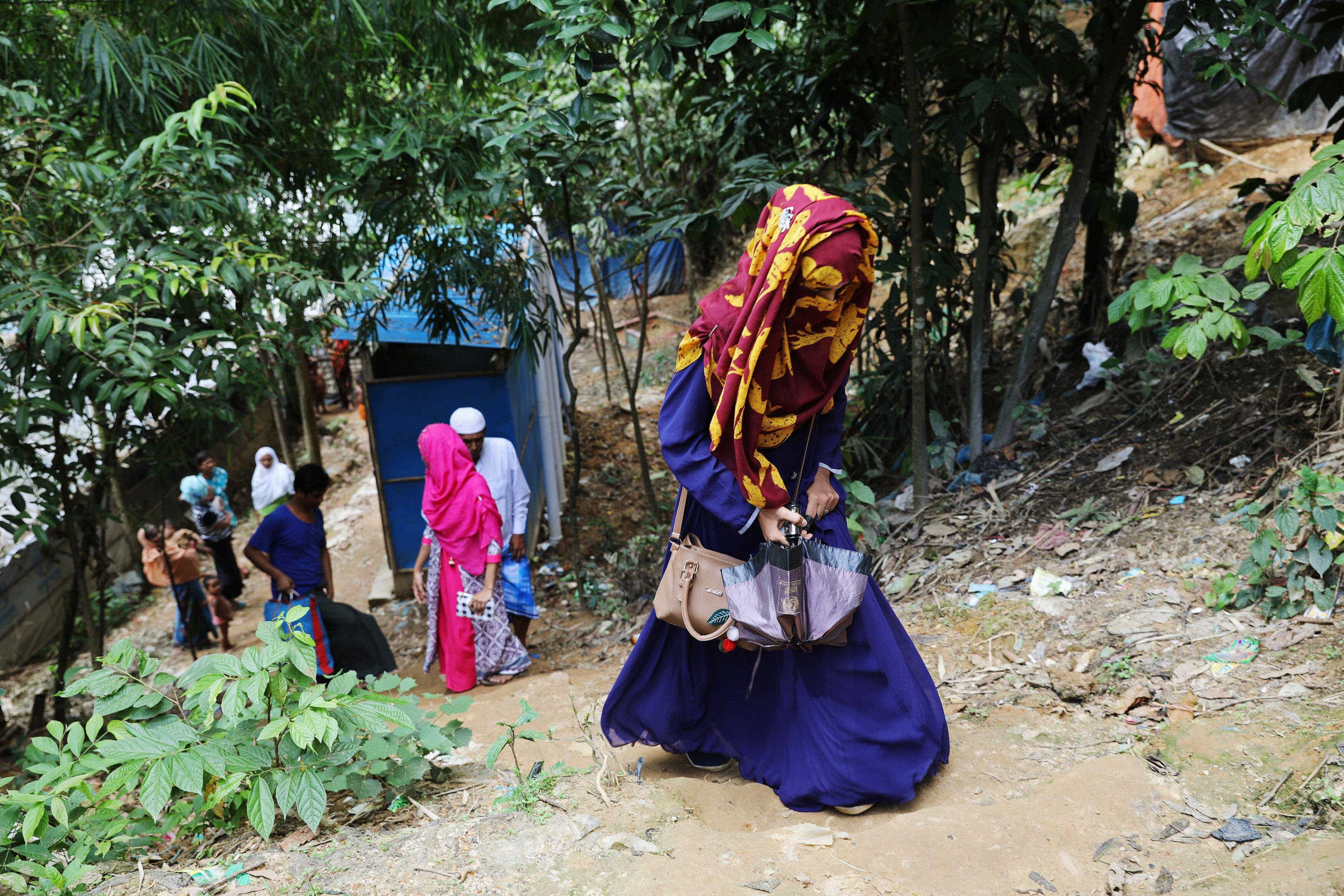
The university has previously succeeded in offering education to women facing similar complexities, such as those from Afghanistan and the Rohingya Muslims in Myanmar.
Ahmad recalls that they had to go through a harrowing process to evacuate students who had returned to their homes in Afghanistan during the Covid-19 pandemic – a period that coincided with the Taliban takeover – to get them back to Bangladesh in 2021 to complete their studies.
Eventually, after several aborted attempts – including a last-minute cancellation after a suicide bombing attack occurred near the airport in Kabul in 2021 – to bring back the students and alumni, they were evacuated from the country aboard US military planes at a time when civilian flights had been suspended.
Humaira Humaira, a student at AUW from the Rohingya community who had fled to Bangladesh from Myanmar, says her life has undergone a sea change since attending the university.
“We used to hear gunshots and couldn’t sleep properly” [at a refugee camp in Bangladesh], the 19-year-old said.
Humaira, who hopes to pursue a career in medicine, is currently in a general studies programme before taking up a biological sciences course.
“There are so many people who are suffering from health [problems] … They can’t get good treatment for a better life. I want to help them,” she said, referring to women from the Rohingya community living in refugee camps.