Every week, Talking Points gives you a worksheet to practise your reading comprehension with exercises about the story we’ve written.
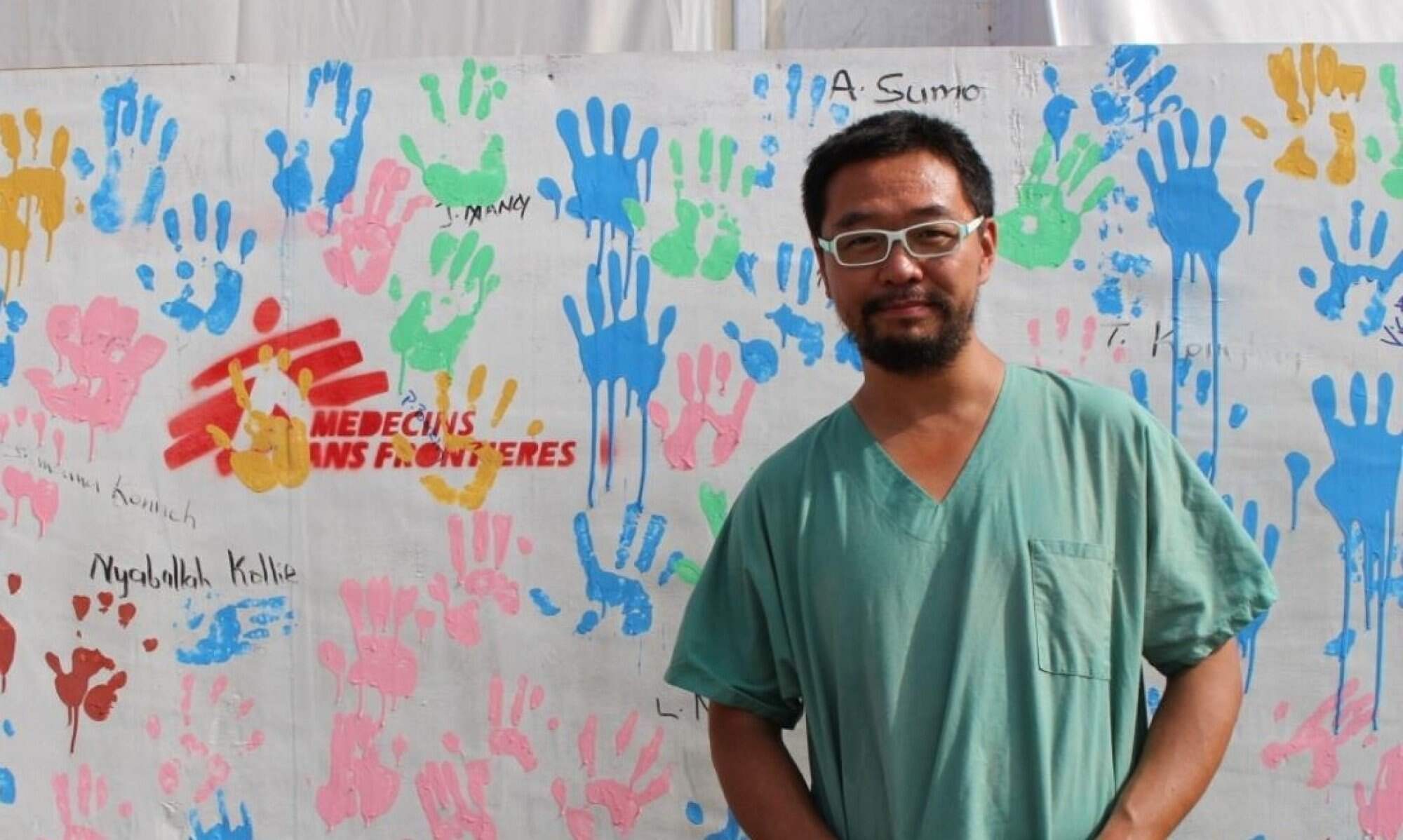
It’s fair to say that Chiu Cheuk-pong, a 49-year-old nurse from Hong Kong, has seen a lot of suffering. He has travelled the world helping people in need, from fighting the deadly Ebola virus in Liberia to working with Rohingya refugees in Bangladesh.
One memory that sticks with him happened at a medical clinic in Yemen, where he met a man and his five-year-old grandson. They had lost their family in an air strike, and the boy’s hands had to be amputated.
“Every time he came to our clinic, he asked us to draw a watch on his bandage,” Chiu said. “But we know ... he will never wear a watch.”
Chiu added: “The boy was not a soldier. The boy did not participate in the military actions. The boy is 100 per cent a civilian ... but because of war [he suffered the] loss of parents, loss of family.”
In 2015, Chiu travelled to Yemen through Médecins Sans Frontières (MSF) Hong Kong. MSF is an international humanitarian organisation that provides medical assistance to people affected by disease, war and natural disasters.
While some might pursue a career in medicine for financial gain or prestige, Chiu, like many other MSF field workers, is dedicated to making a difference in areas affected by disaster and conflict.
“This is my dream,” he said. “I believe that people are equal ... So that’s why MSF offers medical services to [all] the people.”
Learning to adapt
Founded in 1971 in France, MSF has given aid in over 70 nations and employed over 52,000 staff as of last year.
Chiu, the president of MSF Hong Kong, went on his first mission with the organisation in 2013, when he was in his thirties. Over the past 12 years, he has worked in Pakistan, Liberia, Yemen, Bangladesh and Gaza.
In Yemen, Chiu had to follow strict rules meant to minimise the risk of danger from air strikes. For example, he and other team members had to remain within the clinic at all times. If they needed to step out, they could only do so for no more than 10 minutes.
He also supervised a team of local staff who primarily spoke Arabic, and he described the experience as being “challenging ... but fantastic”.
“I had to manage nearly 100 nursing staff. We needed translators. We have different cultures. We have different habits. We have different beliefs,” he recalled. “So it takes time for us to understand each other before I give them commands.”
Compassion amid challenges
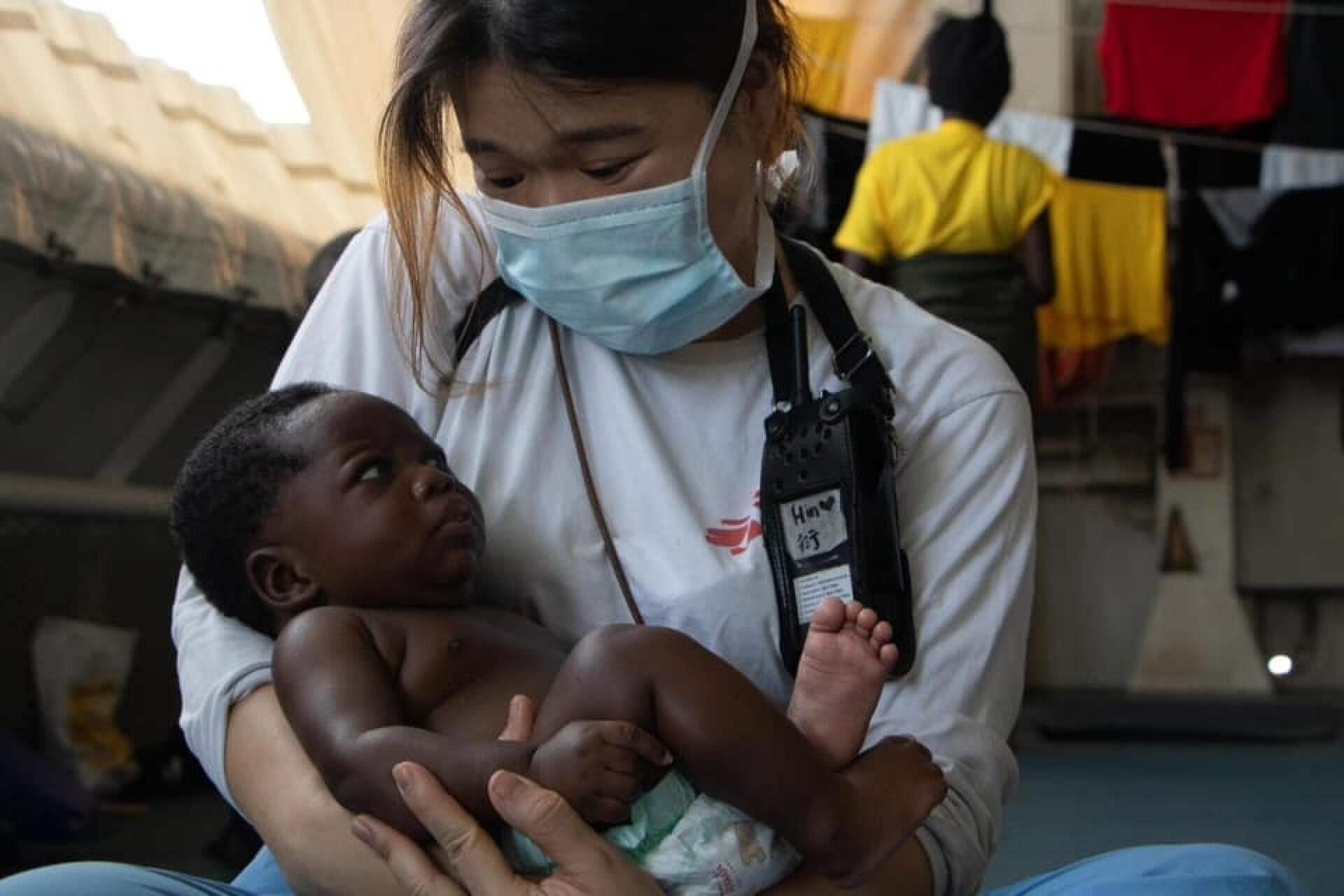
Another MSF worker from Hong Kong, Krystal So Hin-pui, is a registered nurse and midwife who has served in Gaza, Bangladesh and various locations around the Mediterranean Sea.
So, who is in her thirties, views her role as a unique opportunity to blend her medical expertise with her passion for helping women. During her missions, she concentrated on maternal healthcare, family planning and sexual and reproductive health.
So noted that MSF team members would often be confronted with distressing situations, yet she felt it was essential to remain present for those in need.
“They don’t have any resources ... They are suffering,” she said.
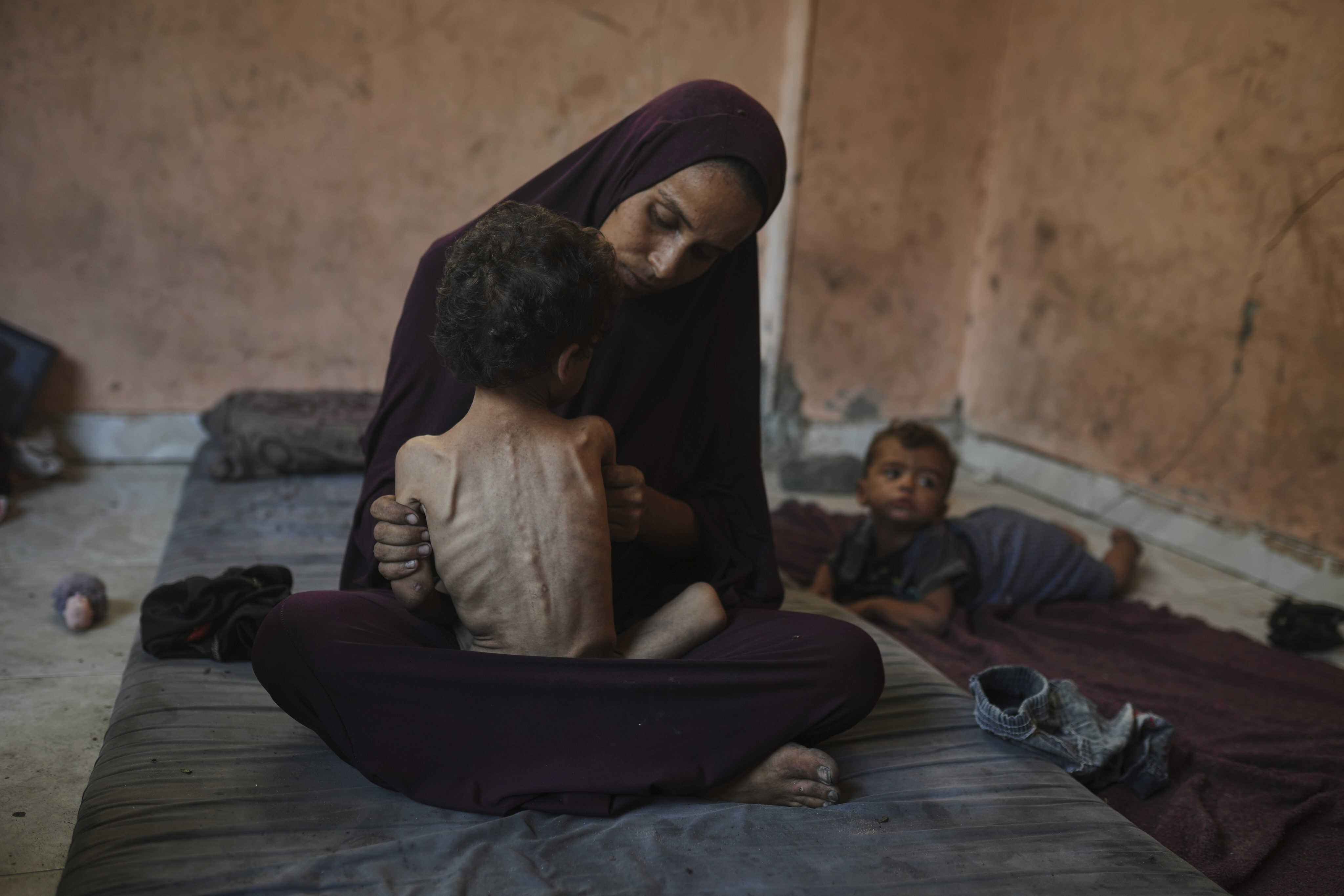
In 2024, So visited a hospital in Gaza that had been attacked by the Israeli army. She remembered the lingering smell of the people who had been killed.
“We see ... people die or people hurt during the missions. We witness all those things, and then sometimes it’s very hopeless because we cannot change [the situation],” she said.
Chiu said he also could not shake the haunting memories of injured children.
Both Chiu and So noted that bravery did not come naturally, but they pushed through the fear and doubt.
So explained: “If you look like you are scared, then your team will not have that confidence to work with you. They need people to give them support.”
More awareness of humanitarian efforts
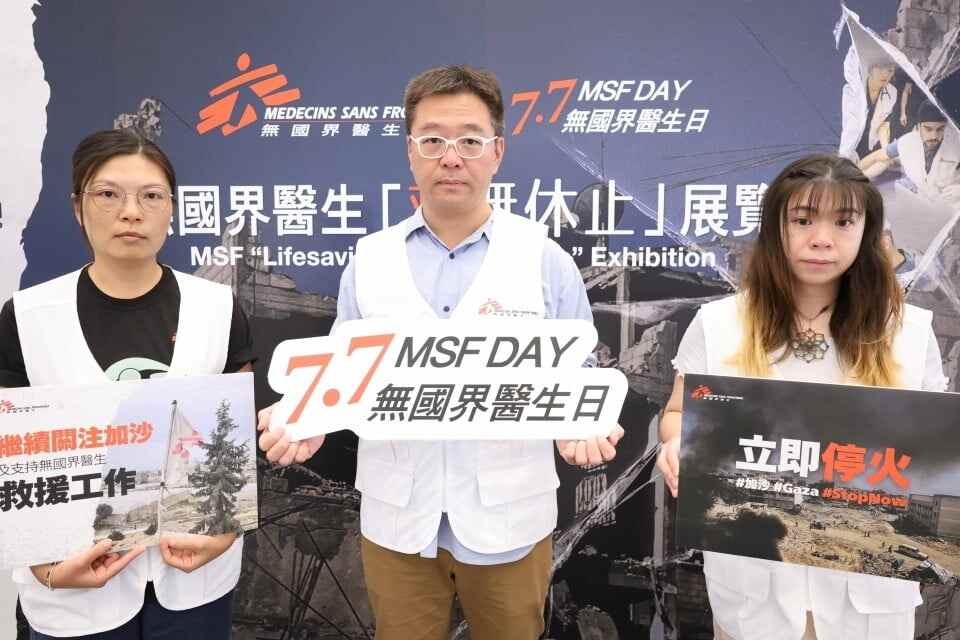
Each year on July 7, MSF honours its aid workers and urges the public to support these frontline heroes.
This year, MSF Hong Kong organised an event titled “Lifesaving Without Pause”, featuring a panel discussion where Chiu, So and another MSF representative shared their mission experiences. An exhibition showcased photos and testimonies from MSF workers.
“I was really, really happy when ... [people] came to the exhibitions,” Chiu noted. “[If] they ask questions, [it] means they want to know more. They pay attention. They want to show their concern.”
Even if you cannot go to other countries to provide aid, Chiu and So emphasised that anyone could do their part by staying informed.
“Everything can start from paying attention. We have the internet, so it’s easy for us to get information now,” Chiu said. “Understand what’s happening in the world.”
So added: “Society together can have more awareness ... [and] spread the message together.”
When more people are educated about these issues, they can unite to influence authorities and drive change.