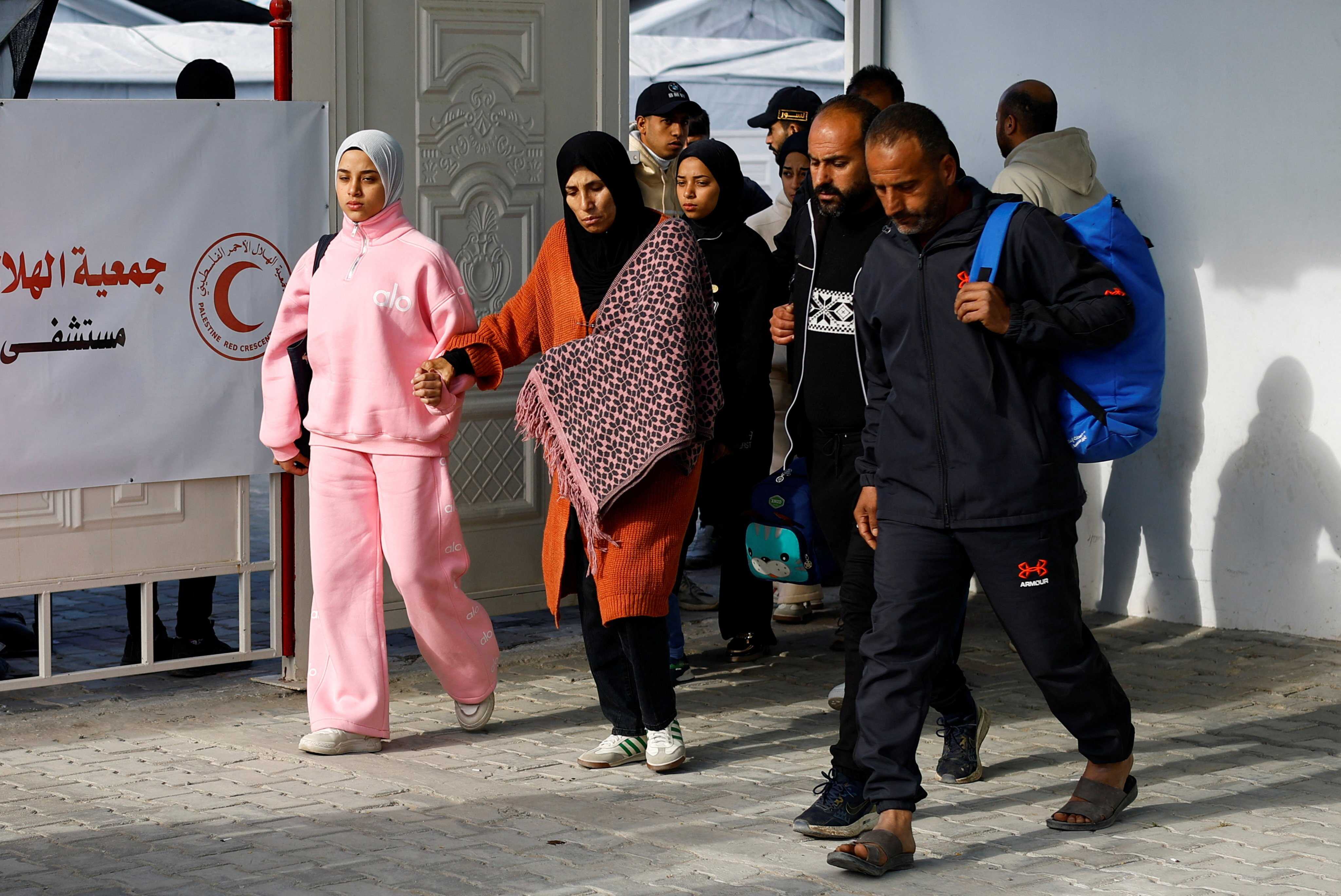
Before the war, the Rafah border crossing to Egypt was the only passage between Gaza and the rest of the world that was not controlled by Israel. However, it was closed when Israeli troops seized it in May 2024.
In a long-anticipated development of the ceasefire deal between Hamas and Israel, the crossing was reopened on February 2. While the reopening was mostly symbolic, allowing only a small number of people to cross, it offered a glimmer of hope for Palestinians who wish to leave the war-torn strip and for those looking to return home.
The reopening is anticipated to facilitate access for Palestinians from Gaza to obtain medical treatment, travel internationally or visit family. However, the initial number of individuals permitted to cross is limited: only 50 medical evacuees from Gaza, accompanied by two escorts, will be allowed to leave. Additionally, 50 Palestinians who fled Gaza during the war will be permitted to return.
This falls far short of the around 20,000 sick and injured individuals identified by Gaza’s Health Ministry as needing treatment abroad. Additionally, the number represents only a fraction of the more than 30,000 Palestinians who are registered in Cairo to return home, according to an embassy official.
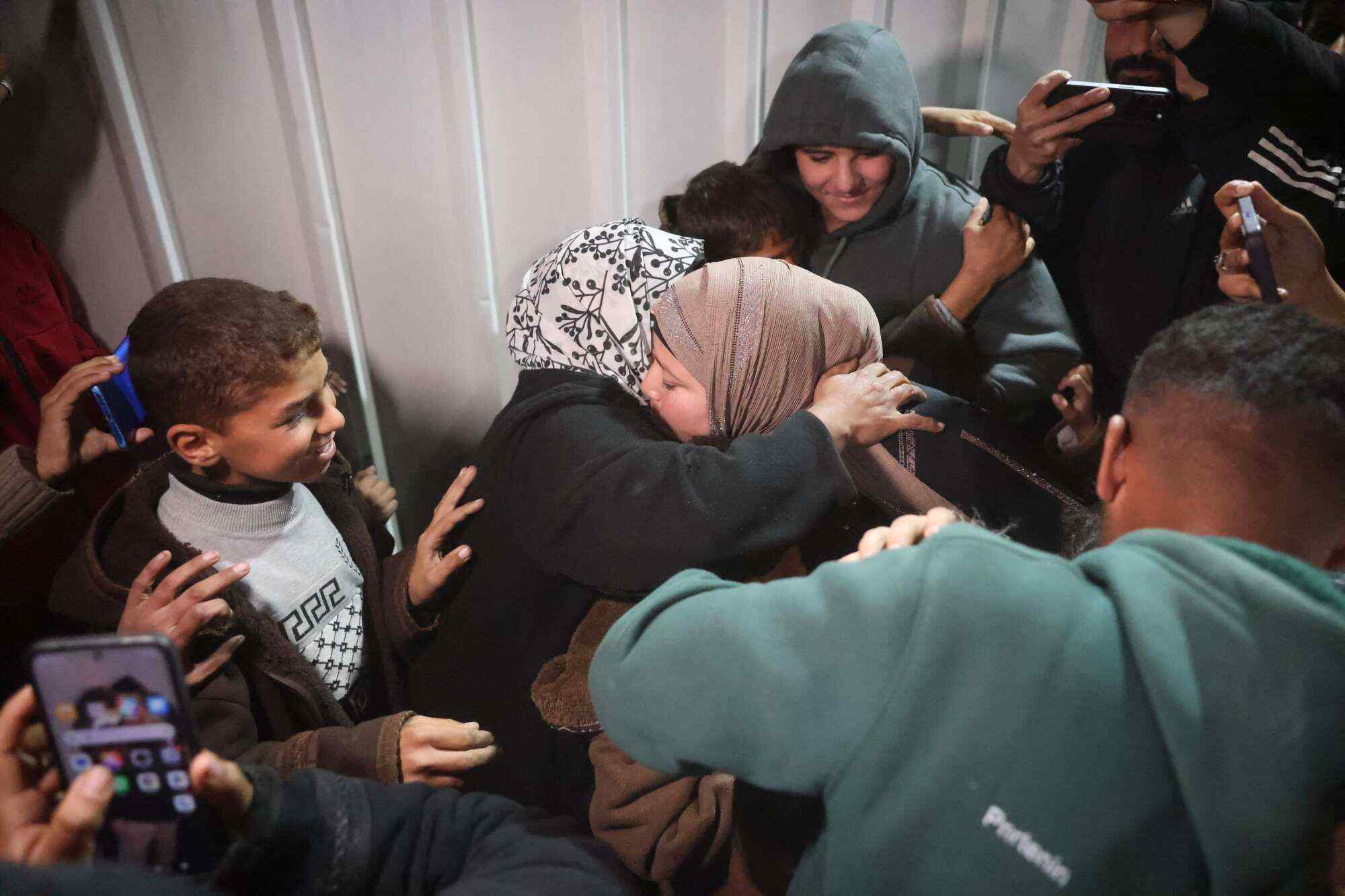
Israeli officials have not indicated when a full reopening could happen. They’ve said crossing restrictions are expected to ease over time if the reopening is successful.
“We hope this will close off Israel’s pretexts and open the crossing,” said Abdel-Rahman Radwan, a Gaza City resident whose mother requires treatment outside Gaza.
With much of Gaza turned to rubble, the United Nations has said the Palestinian territory’s population of more than 2 million people needs a massive influx of fuel, food, medicine and tents.
How quickly the crossing can scale up operations to allow the passage of goods is likely to have a major bearing on Gaza’s reconstruction.
Also among the unknowns is the expected arrival of the new Palestinian committee of administrators appointed to govern day-to-day affairs in Gaza under the international “Board of Peace” proposed by US President Donald Trump. The committee remains in Cairo, without Israeli authorisation to enter.
Palestinians wanting to leave Gaza will have to get Israeli and Egyptian security approval. Cairo has been opposed to Palestinian refugees resettling in Egypt.
With the current ceasefire deal calling for Hamas to have no role in running Gaza, it is unclear who will operate the territory’s side of the Rafah crossing once the war ends. Currently, an EU mission is running the crossing with help from plain clothes Palestinian security officers.
Israel has said it will run security checks on Palestinians once they’re inside the zone under the Israeli military’s control.