Our next question: If you taught a kindergarten class for a day, what creative steps would you take to help pupils with special educational needs feel valued? (This question has been sponsored by the Yew Chung College of Early Childhood Education.)
To take part, drop us a line via this form by 12pm on Tuesday, October 6.
Issac Cheung Chi-ping, 16, Fung Kai No 1 Secondary School: If I could introduce one sport from the Asian Games to my school, it would be sepak takraw. This sport is similar to volleyball, but players use their feet and heads to kick the ball over the net. It requires excellent flexibility and teamwork.
Wong Tsz-kiu, 15, Stewards MKMCF Ma Ko Pan Memorial College: I want to introduce esports to my school. Gaming has become increasingly popular, with games like PUBG and Brawl Stars even holding global competitions. Participating in esports can help students develop their communication skills and foster teamwork.
Tse Yuen-ting, 15, TWGHs Li Ka Shing College: If I could introduce one Asian Games sport to my school, I would choose track cycling because it is fast and thrilling. Riders race on an oval track using specialised bikes and pedal continuously. This sport builds our strength and teaches us courage.
Emma Lo Tsz-wai, 15, Chinese YMCA Secondary School: I want to introduce rugby to my school because we currently do not have a school rugby team. I am passionate about rugby, and I believe it would be a great experience for everyone to try it out and have fun.
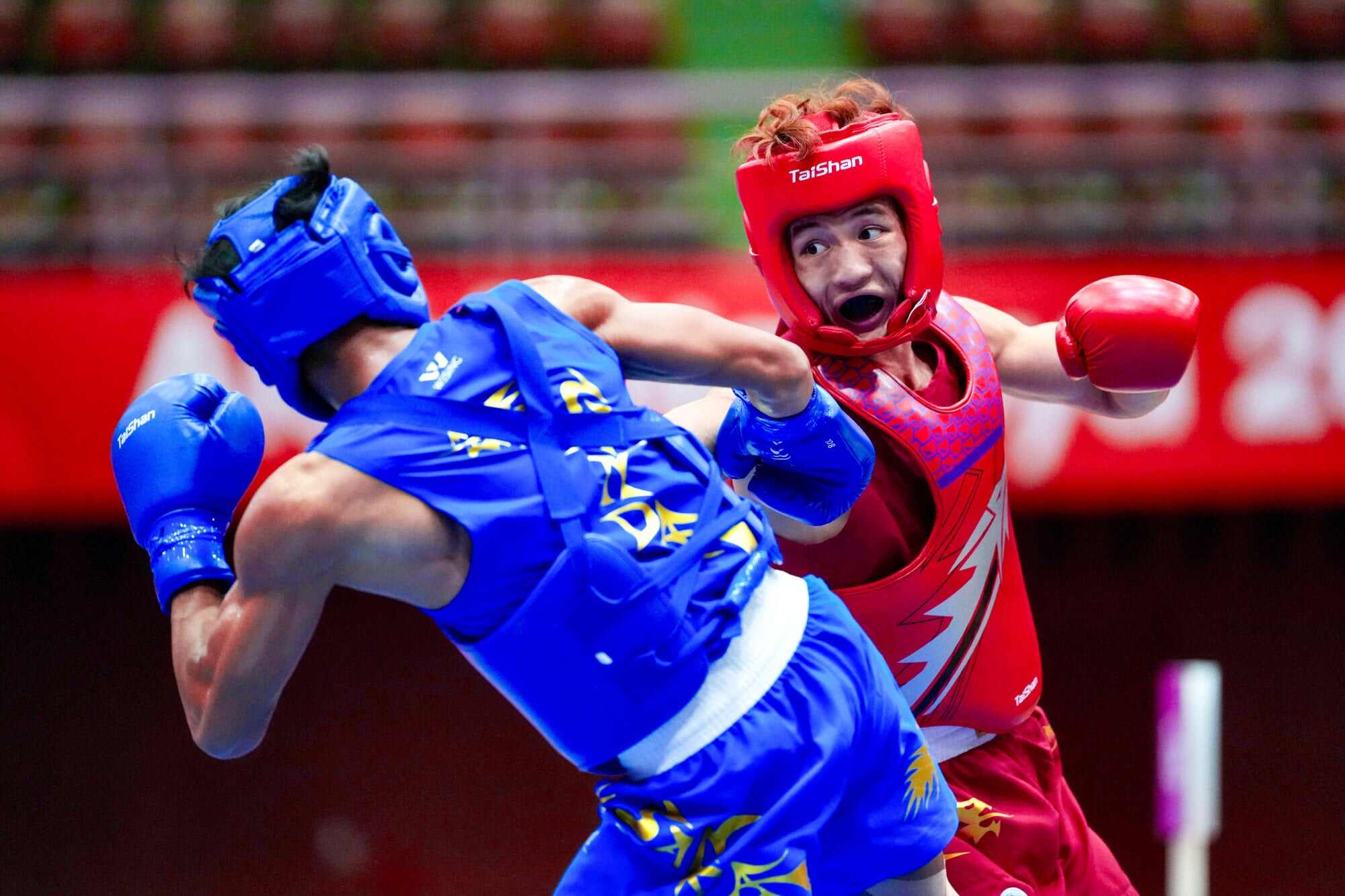
Lauren Lee, 10, French International School: I would choose the Chinese martial art of wushu because it offers a unique blend of cultural and athletic elements that are distinct from the more common sports, like football, found in other countries. Wushu has been a competitive sport since the 1900s, making it an intriguing topic for both sports enthusiasts and historians alike.
Cheung Tsz-lam, 16, Fung Kai No 1 Secondary School: If I could bring one Asian Games sport to my school, I would choose shooting. It builds concentration, consistency and discipline, which help students develop resilience. For example, recovering from a missed shot teaches them to stay calm after a failed test and try again without frustration; blocking out noise and pressure during practice improves their ability to focus in noisy classrooms or during exams. I believe it trains students to manage time better and keep working steadily towards long-term goals, even when progress feels slow.
Jonah Cheung Chun-ming, 14, Pui Kiu College: Archery is a sport that enhances focus, patience and accuracy, making it accessible to everyone, regardless of size or speed. It is truly an excellent choice for becoming a popular sport among students. After all, who wouldn’t want to carry a majestic bow at school?
Chan Yik-ka, 13, St Mary’s Canossian College: Dragon boat racing would be an incredible addition to our school because it brings people together and fosters teamwork among students. It’s fast, loud, thrilling and intense, transforming a regular class into a cohesive crew where physical endurance meets pure collaboration on the water.
Lisa Lei Yuxin, 15, TWGHs Li Ka Shing College: Incorporating esports into school curricula can help students develop teamwork and leadership skills through engaging competitive gaming. Unlike traditional sports, esports do not require top fitness or involve intense physical activity, making it a less tiring option for students.
Caden Wong Chun-nok, 14, Stewards MKMCF Ma Ko Pan Memorial College: I would bring Mixed Martial Arts (MMA) to schools because it teaches valuable skills such as self-defence, discipline and excellent physical conditioning. By implementing modified, youth-safe rules that emphasise grappling and fitness over head strikes, MMA can help build students’ confidence and respect for themselves and others. Additionally, it offers an engaging and contemporary way for students to stay active.