
Do you love a challenge? Don’t miss the chance to win great prizes by taking part in our next writing contest! Click here and fill out the online form to apply. The entry question is: If you could live in any fictional world, which one would you choose? The deadline is 11.59pm on Monday, February 23. We will notify the new contestants chosen on Friday, February 27.
Read the responses to this week’s Write to Win prompt and choose the answer you like most using this form.
We have prepared some exciting prizes for our top three contestants:
-
Winner: Kindle, City’super voucher and a YP certificate
-
First runner-up: Instax camera and a YP certificate
-
Second runner-up: City’super voucher and a YP certificate
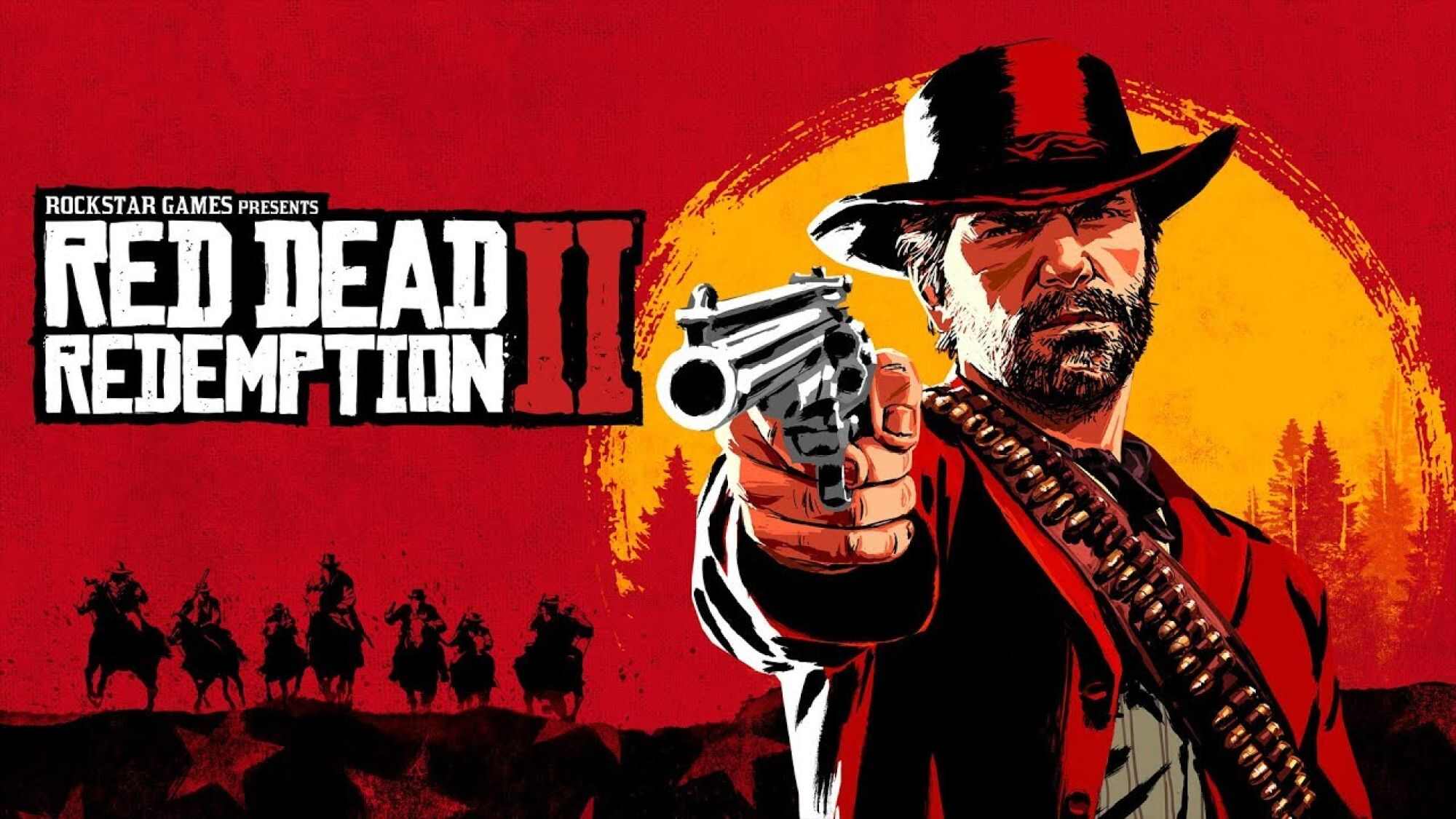
Seagull: Red Dead Redemption 2, developed by Rockstar Games, is more than just an open-world Western game. Initially, I approached it simply as entertainment, expecting gunfights, exploration and a cinematic story. However, it quickly became an unforgettable experience.
I guided Arthur Morgan, the main character, through his journey set in 1899. At the beginning of the game, he is part of a gang, engaging in various criminal activities. As the story progresses, Arthur begins to evolve into a better person, especially as he witnesses the gang’s decline. The ending, which I won’t spoil, profoundly reflects his quest for redemption and moral growth.
In that moment, I realised that Red Dead Redemption 2 was not just a game; it was a reflection of morality and change held up to me, the player. Every decision I made had significance. Each choice I faced prompted me to ask, “Am I a good person?” Arthur’s transformation, from a cold and heartless individual, influenced my actions during the game.
The choices I made – whether to help a stranger, spare an enemy, or ignore someone in need – were not just about Arthur’s honour. They were about me.
Arthur’s transformation and moral challenges helped me understand that the world is more complex than I previously believed. People are not defined solely by their past experiences, and progress isn’t always flawless. What truly matters is the willingness to change, reflect and act differently when confronted with reality and truth.
Arthur’s journey of redemption demonstrated that even in the face of betrayal, mistakes and hardship, there is always the possibility for change. The game served as a lesson in morality and encouraged players to strive for personal growth. I believe Rockstar Games is conveying that redemption doesn’t mean erasing past mistakes and harm; instead, it’s about living differently in the present.
Kiwi: As a child, I only felt nurtured and cared for when I was vulnerable – whether I was crying, had a fever or was being reprimanded at school. It created a feedback loop for me: I acted sad, received warmth in response, felt pleased and then acted even more miserable.
I wouldn’t just tell people I was sad; I made it obvious. I would let out sighs and say things like, “I am under too much pressure to sleep,” when they asked about my tired appearance, eagerly waiting for them to respond with that sweet, addictive look of pity. I was too naive, believing that if I showed the world how heavy my burden was, someone kind would always be there to help me carry it.
This illusion had been deceiving me for quite a long time, only shattering when I made new friends in secondary school. I was exceptional in mathematics – so exceptional that the gap between my grades and the class average was often embarrassing. It was during a Tuesday maths test that this mirage finally broke; I scored 97 per cent, placing me far ahead of my peers. However, true to my nature, I had to put on a show to evoke sympathy, whether I succeeded or failed. I slumped over, furrowed my brows and pursed my lips, trying my best to portray myself as the tragic hero in my own story.
“I feel so foolish! How did I get that wrong? What was I thinking?” I whispered into the emptiness, anticipating the usual response of, “No, you did well!” followed by compliments on my talent. Yet, all I received was silence. Frustrated, I said again, “Dang it! I am such an idiot!”
Silence. It was so quiet that I could hear a wasp buzzing by the window and leaving through the door. The result wasn’t exactly what I had hoped for, but my performance wasn’t over yet. I glanced over at my desk mate, Jacky, who was staring intently at his paper, clearly unhappy with his score. The signs were obvious, but I was too oblivious to notice.
“Hey Jacky, I really messed up, didn’t I?” He didn’t react at all. “Seriously? I got such an easy question wrong.” “Yeah, I know. You got the easy question wrong, just like you did on the last quiz and the assessment before that,” he replied. “Look, I’m your friend, but you can’t just unload all your grievances on me. Read the room.” His expression was blank, as if he had been watching a silly drama on repeat endlessly.
Things had definitely taken a turn; I was not expecting such a sharp response. Blood rushed through my veins, and I felt the urge to fight back. However, before the words spilled out, I noticed his exhausted expression. I realised I wasn’t being humble; I was masking my arrogance. All this time, I had been venting my “frustrations” at him, draining his energy to indulge in my drama because I couldn’t care for myself. I had been using him as my emotional hostage.
From that point on, I stopped seeking compliments. I continue to succeed, but I no longer put on a dramatic show. Instead, I quietly cheer for myself in my heart. I’ve learned to create my own warmth rather than relying on others to provide it. With a sense of humility, I am nurturing a strong sense of self.