
If you are interested in joining future Face Off debates, fill out this form to submit your application.
For: Leah Lei Lok-ching, 16, Cognitio College (Kowloon)

The ability to engage with global news is essential to educational competency. For Hong Kong students, exposure to global news stories can cultivate informed citizens with critical-thinking skills and a broadened world view that transcends local perspectives.
Research on news-reading behaviour among Hong Kong youth offers valuable insight and highlights the need to integrate global news reading into curricula. Data from the Journal of Communication and Education reveals that young people in Hong Kong are already frequent consumers of news through multiple channels, particularly smartphones and online platforms.
Mandating global news education will reinforce and expand a habit that schools have already successfully cultivated; it will consolidate a foundation.
While local reporting remains vital for civic engagement within Hong Kong, global news fosters awareness of transnational issues such as climate change, economic interdependence, pandemics and geopolitical tensions.

The educational value lies in contextualisation: students learn to interpret local events within broader global frameworks, recognising patterns, drawing parallels and identifying cause-and-effect relationships across borders. This aligns with the global citizenship goals outlined in many secondary school education policies, which prepare students to participate in an interconnected world.
From a language-learning perspective, global news has additional merit. Exposure to global English-language news not only improves vocabulary and comprehension but also acquaints students with diverse writing styles, expressions and cultural references, all of which are invaluable in international careers.
Critics might mention that local students should prioritise domestic issues over global concerns. But understanding Hong Kong’s position as an international financial hub is incomplete without having the awareness of global market shifts, trade disputes and foreign policy developments.
By comparing coverage of the same event across different international outlets, students learn to detect bias, question sources and build informed opinions. Schools can turn news-reading into an exercise in critical literacy, showing students how perspectives differ and why.
Against: Peter Chui Pui-ling, 16, Maryknoll Fathers’ School

For many students, especially those in Hong Kong, mandating daily reading of global news in school poses many challenges.
To begin with, requiring Hong Kong students to read global happenings will undermine their understanding of the local community. Pupils may find that the global context is detached from their everyday realities.
Nowadays, teenagers are more immersed in the vibrant world of local music, celebrities and cultural entertainment. Global issues involve complex diplomatic relations between nations, war and conflict, and economic crises.
These topics seem out of touch with students’ everyday lives. How can we expect them to absorb advanced concepts effectively if they do not see the relevance to their day-to-day experiences? Reading local news is enough for students to stay informed about the events happening around them.
Furthermore, students may become affected by the diverse perspectives and biases presented in the news.
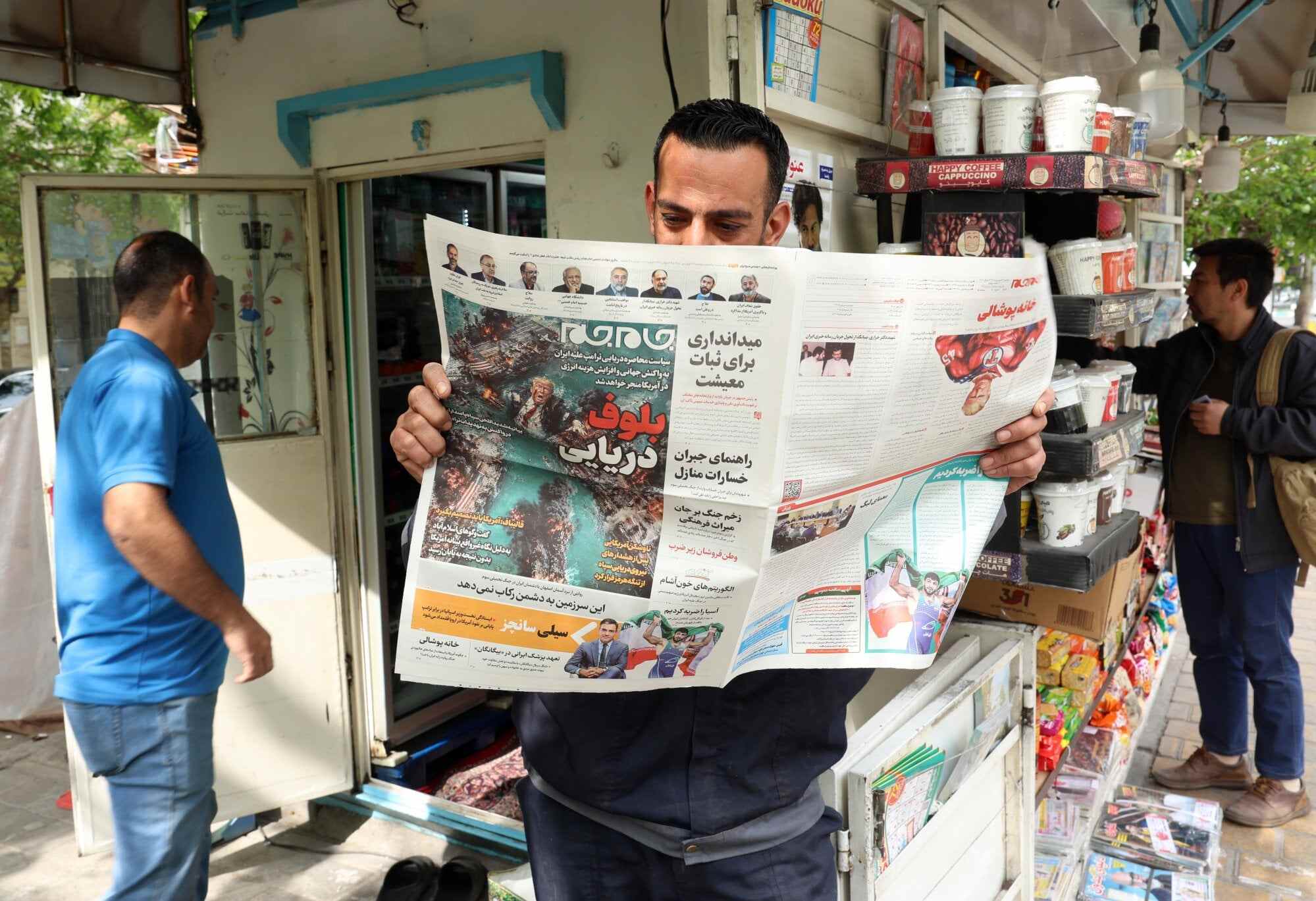
Much of global news is filled with bias, subjective opinions and limited information and context. Reporters have their own views and perspectives, too, which are reflected in their reporting. Even prejudice can be found among some international press outlets.
Students might struggle to discern credible sources from those pushing narratives based on political or corporate agendas. When global news is presented without adequate objectivity and context, it becomes a sharp tool for skewing perceptions and leading to misconceptions about international relations and cultures.
Some may claim that reading international news in school helps students gain a global perspective and build their sense of national identity. However, the reality is that reporters focus on the day’s most eye-catching headlines.
Reporters prioritise breaking news and alarming global events, which might lack a more comprehensive global narrative. Ultimately, a fragmented perspective cannot reflect the whole picture when it comes to international affairs.
Requiring students to read global news is not practical for schools to implement. It distracts students from local happenings and fosters misunderstandings shaped by biased narratives, thereby undermining their learning and education.