If you are interested in joining future Face Off debates, fill out this form to submit your application.
For: Averie Yip Yee-tsun, 15, Po Leung Kuk Choi Kai Yau School

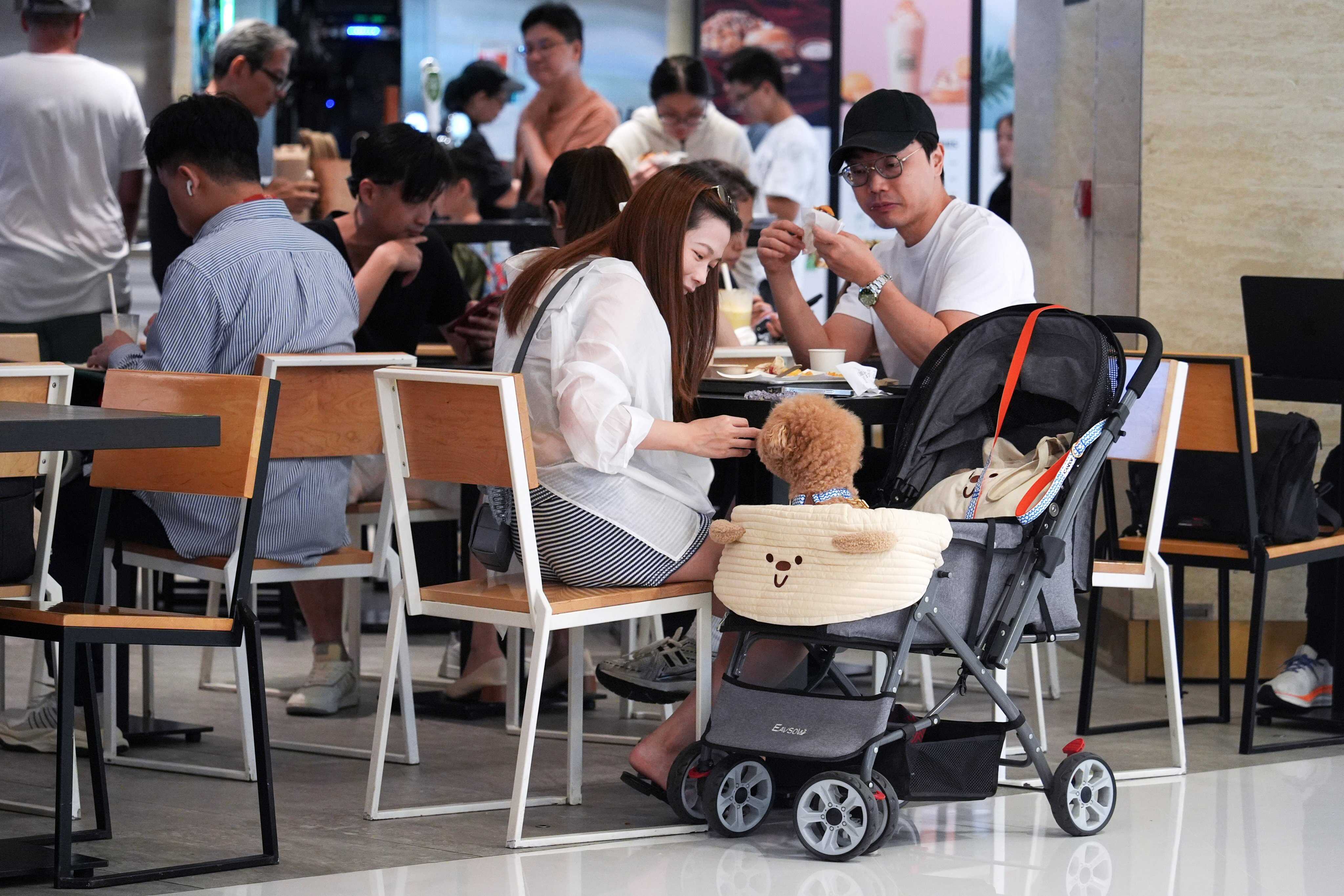
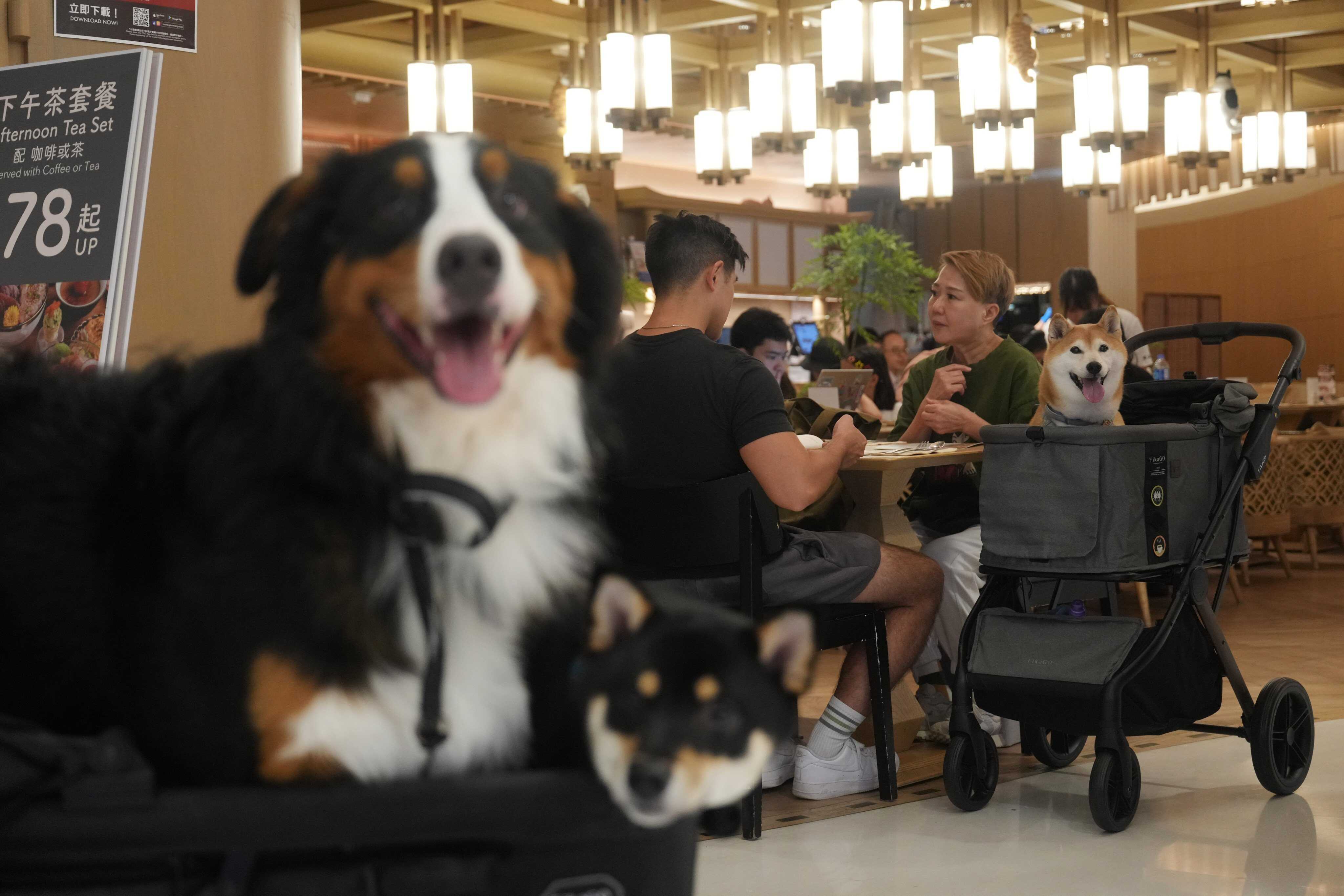
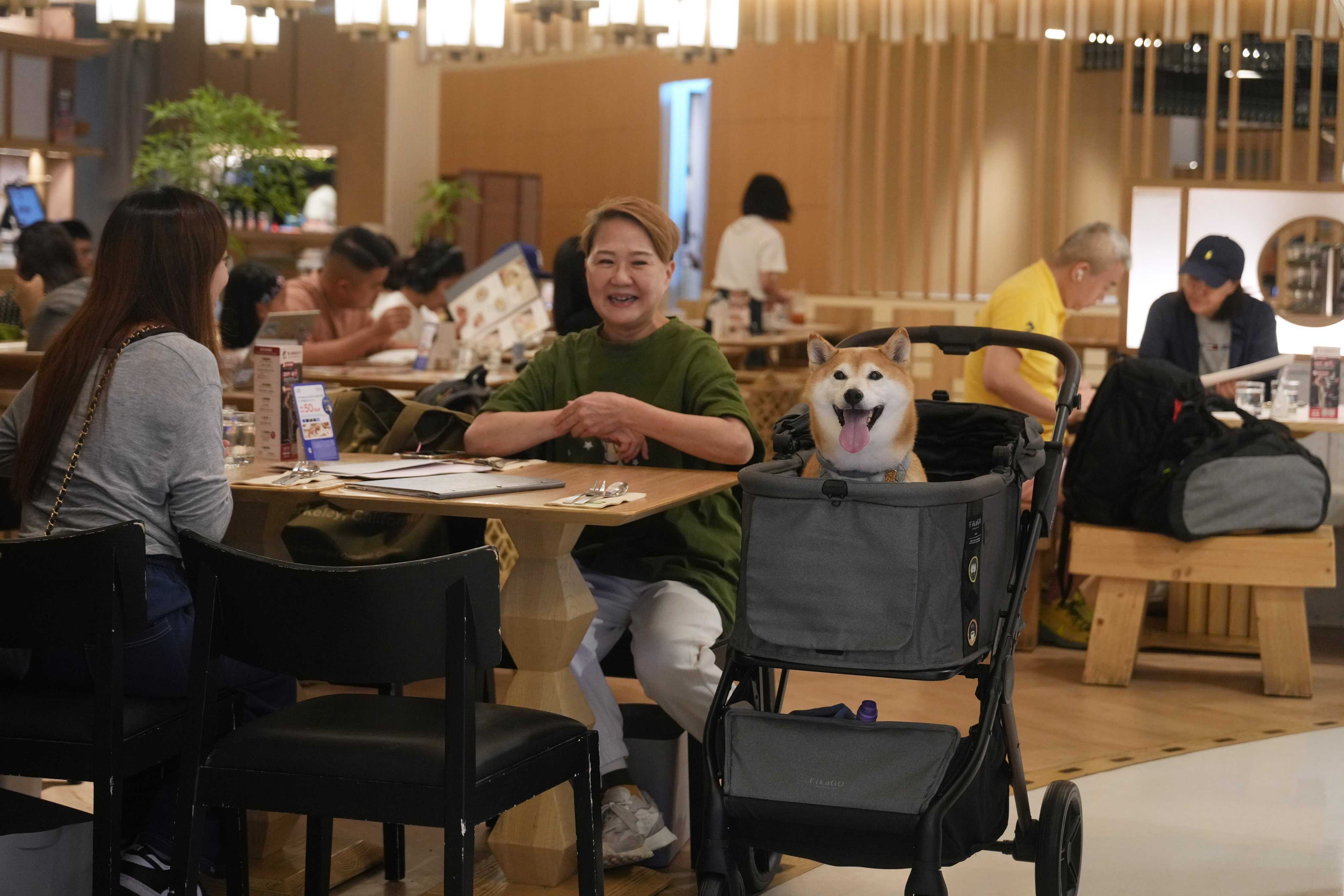
There’s something quite heartening about seeing a puppy resting contentedly at its owner’s feet or a kitten curled up in its owner’s lap. Perhaps it is seeing gentle human and animal companionship in a restless city that warms one’s heart.
Establishing designated pet-friendly sections in all restaurants would not only honour this bond but mark a step towards a more compassionate city.
The Hong Kong government has begun to recognise the growing public desire for such inclusivity. Secretary for Environment and Ecology Tse Chin-wan noted that officials are considering allowing “a maximum of two dogs per diner” in restaurants applying for new pet-friendly licences.
This reflects an important shift: a willingness to adapt public policy to the evolving needs and desires of modern households, many of which see these animals not as pets but as part of the family.
Creating pet-friendly sections would not mean forcing proximity between diners and animals. Instead, it would offer choice, allowing those who treasure their pets to responsibly share daily spaces, while others dine without discomfort.
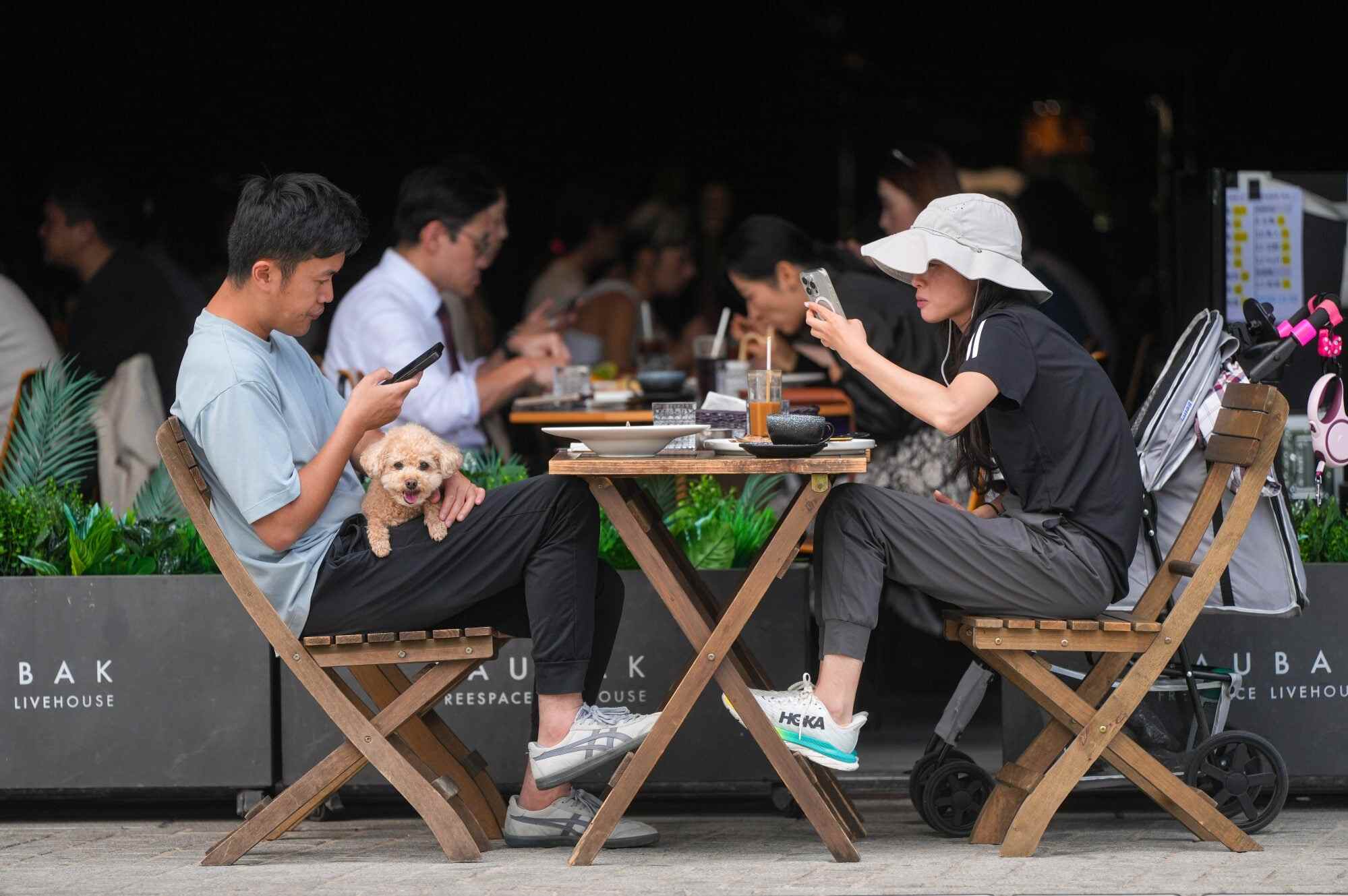
To maintain balance, there should be hygiene standards and a set, controlled number of pets. Arrangements should also be made to separate seatings.
Other major cities, such as Tokyo, have shown how such measures can coexist seamlessly with public health – and even invigorate local economies by attracting new clientele.
Critics might argue that smaller eateries will struggle to allocate space for pet-friendly sections, claiming that cramped layouts could lead to discomfort or safety risks. But this challenge does not make the policy flawed.
Instead, it merely calls for thoughtful progression.
Larger restaurants, with their flexibility in design and capacity, could serve as testing grounds for implementation, allowing them to develop practices in layout, hygiene maintenance and safety before the model expands further.
Once these frameworks prove effective, smaller establishments can adapt them on their own scale, perhaps by introducing outdoor or limited-seat pet zones. Change rooted in gradual adaptation is not a weakness of the policy, but its strength, as it allows inclusivity to evolve alongside practicality.
Against: Leanna Tan, 14, Po Leung Kuk Choi Kai Yau School

In February, Hong Kong Secretary for Environment and Ecology Tse Chin-wan announced proposals to amend the Food Business Regulation – which has barred dogs from eateries since 1994 – by introducing a voluntary licensing scheme.
Under this plan, 3 to 5 per cent of the city’s restaurants would receive permits with a limit of two dogs under adult control on leashes no longer than 1.5 metres. It would exclude high-risk outlets like hotpot and barbecue venues.
However, the government’s current move towards limited pet-friendly dining should not be twisted into a blanket requirement that every restaurant carve out space for dogs.
Forcing all restaurants to designate pet sections would ignore concerns the government itself has acknowledged.
To begin, the practical obstacles of such a shift are obvious in a city of cramped, high-turnover dining rooms. Hong Kong restaurants already face high rents.
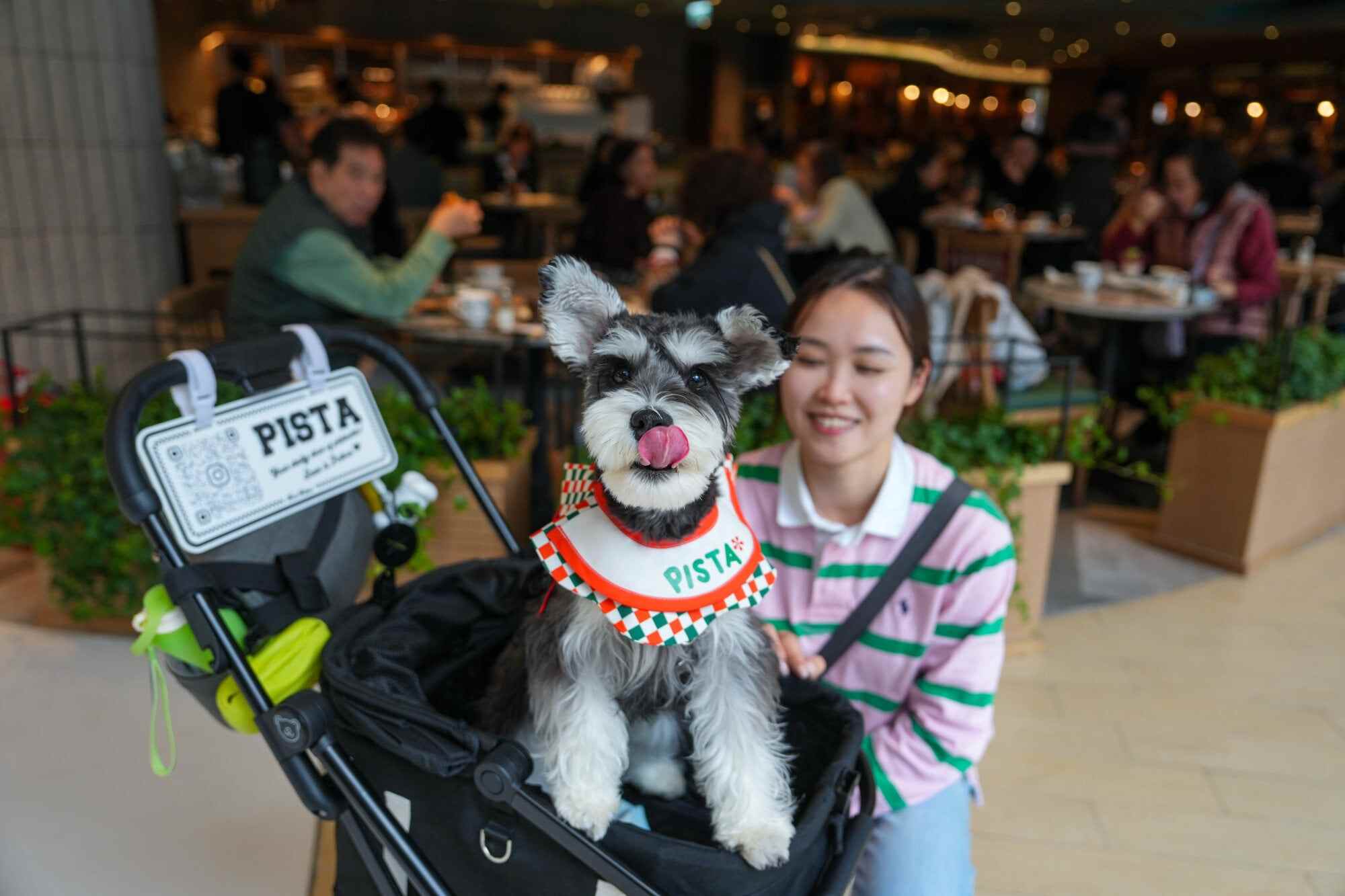
Forcing owners to allocate a fixed portion of their premises exclusively for pet owners would shrink usable capacity in smaller eateries as they simply lack the physical room to create such a zone without sacrificing revenue.
The government’s emerging pet-friendly policy itself acknowledges these spatial limits and opts for voluntary endorsement rather than compulsion precisely because a blanket rule would be unworkable.
Beyond space, a section where “people sit with their pets” implies a physical barrier between pet owners and everyone else. This segregation risks turning restaurants into two-tier venues with one side for those who choose to bring animals and the other for those who do not.
Diners who value a quiet, pet-free environment would find their choices narrowed, not expanded. Staff would shoulder extra burdens while owners take on higher cleaning and maintenance costs.

And even with separation, shared entrances, kitchens and restrooms mean the risk of noise or contamination cannot be fully eliminated, undermining the consistent food safety and comfort that customers should expect.
And while pet ownership has risen, many Hong Kong residents still prefer to leave animals at home when dining out. Restaurants thrive by responding to consumer demand. A voluntary approach is best for food establishments.