Have something to say? Send us a letter using this form.
Crafting with heart
Kelly Li Kai-hiu, SKH Leung Kwai Yee Secondary School
Broken Fingers Plus is a Hong Kong-based social enterprise that crafts high-quality leather goods, empowering artisans with disabilities.
Initially a typical business, Broken Fingers Plus has transformed into a successful social enterprise. Unlike conventional profit-driven companies, it emphasises storytelling and careful craftsmanship, with each product reflecting the heartfelt work of artisans with various disabilities.
The brand was founded by Yoma Ma, who began her journey after struggling to find the perfect gift for a friend. To express her sincerity, she decided to handcraft a leather bag.
This experience ignited her passion for leatherworking and inspired her dream of building a high-quality leather brand in Hong Kong.
Through a series of fortunate events, Ma began collaborating with local sheltered workshops that employ dedicated artisans with disabilities, including individuals with autism and physical challenges. She regards them as “masters of craftsmanship”, whose skills represent a valuable cultural heritage.
“At 19, I was diagnosed with multiple sclerosis, an autoimmune disease that affected my vision,” Ma recalled.
After her recovery, a visit to a sheltered workshop became a turning point for her when she met an artisan who was blind in one eye. This encounter inspired her to focus on social welfare initiatives.
Throughout the brand’s transformation, Ma paid close attention to every detail of every product. She values customer feedback and strives to improve designs while ensuring they remain simple enough for the artisans to create.
This approach allows them to express their creativity while keeping the story behind each piece intact. As the brand continues to grow, Ma emphasises the importance of “consistency”, “hero products” and a unique style to build recognition.
Each leather piece embodies the artisans’ spirit and hard work, making them symbols of the brand.

Priority for locals
Ashley Tang, Christian Alliance SC Chan Memorial College
I am writing to express my opinion regarding the article titled “Policy address 2025: Hong Kong to add more foreign students to semi-private schools”, published in the South China Morning Post on September 17.
While I acknowledge that increasing diversity and competitiveness can be beneficial, I worry about the impact on local students.
There is a risk that local students may face increased competition and, worse, experience limited resources and diminished quality of education.
I urge the government to implement measures that ensure the quality of education and support for local students amid these changes. The addition of diverse perspectives and experiences can enrich our educational environment and promote greater cultural exchange, which are essential in today’s globalised world.
However, I question whether this comes at too great a cost to local students.
I believe it is important for the government to focus on the needs of local students rather than prioritising foreign students.
Childhood obesity crisis
Constance Lee Hiu-chun, Po Leung Kuk Ho Yuk Ching (1984) College
Did you know that childhood obesity is a significant issue in Hong Kong? Around one in five primary and secondary school students were overweight in the 2022-23 academic year, according to Department of Health data.
Many children experience mental health problems, which can lead to stress eating in our fast-paced world. They face various pressures from school, friends, family conflicts and more. According to the World Health Organisation, these factors can contribute to anxiety and fear, prompting children to turn to food for comfort.
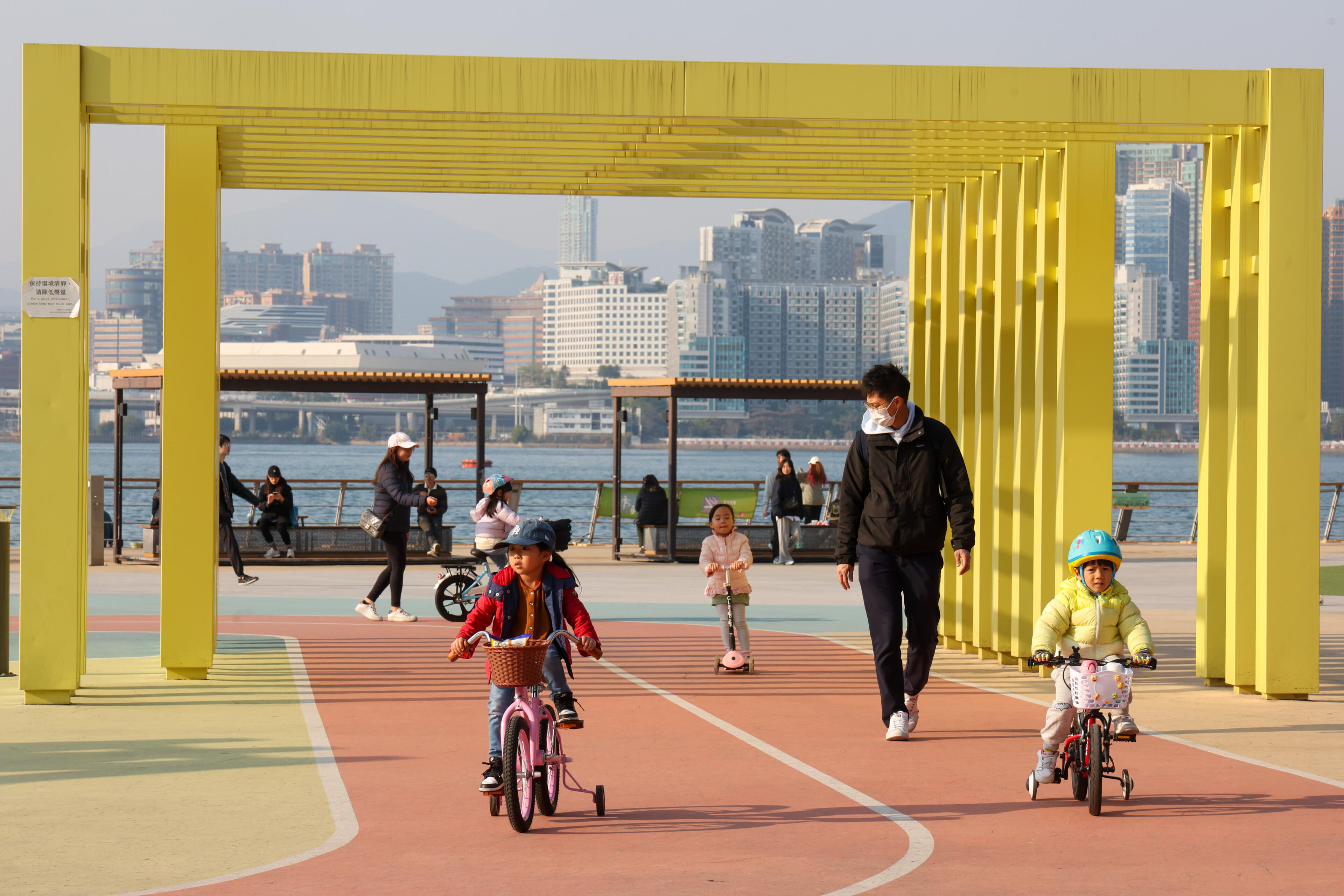
Children in Hong Kong often spend excessive time using electronic devices, which results in a lack of physical activity. Many spend hours on the sofa, watching TV and snacking. This sedentary lifestyle contributes to obesity.
To tackle the root causes of obesity, schools should promote healthy lifestyles and habits.
Increasing the number of physical education classes can encourage exercise and help children develop more nutritious habits. The government also needs to promote activities that encourage children to reduce screen time and engage in physical pursuits.