Have something to say? Send us a letter using this form.
An unfair ban for kids
Ella Tung Lok-ching, St Catharine’s School for Girls
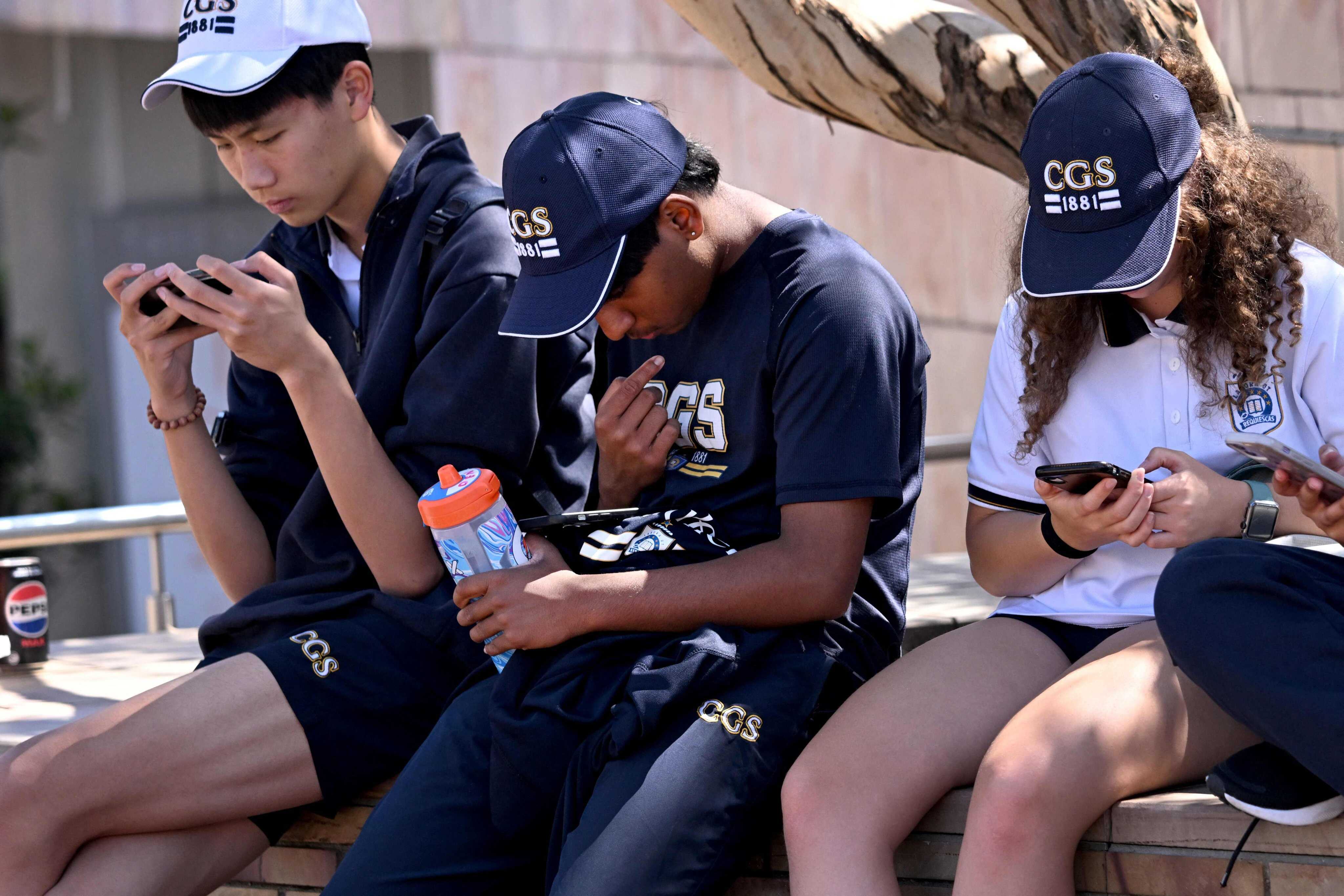
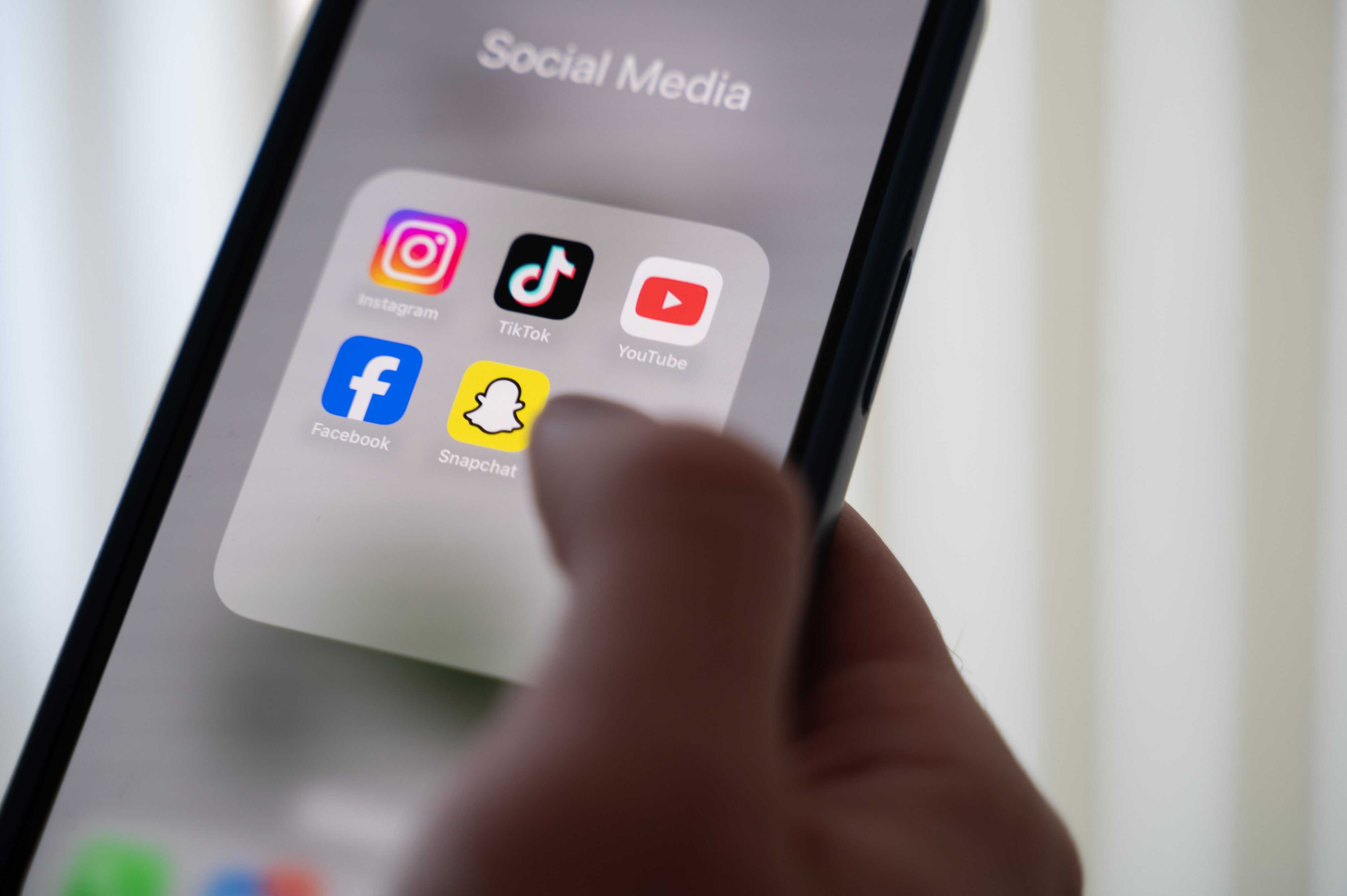
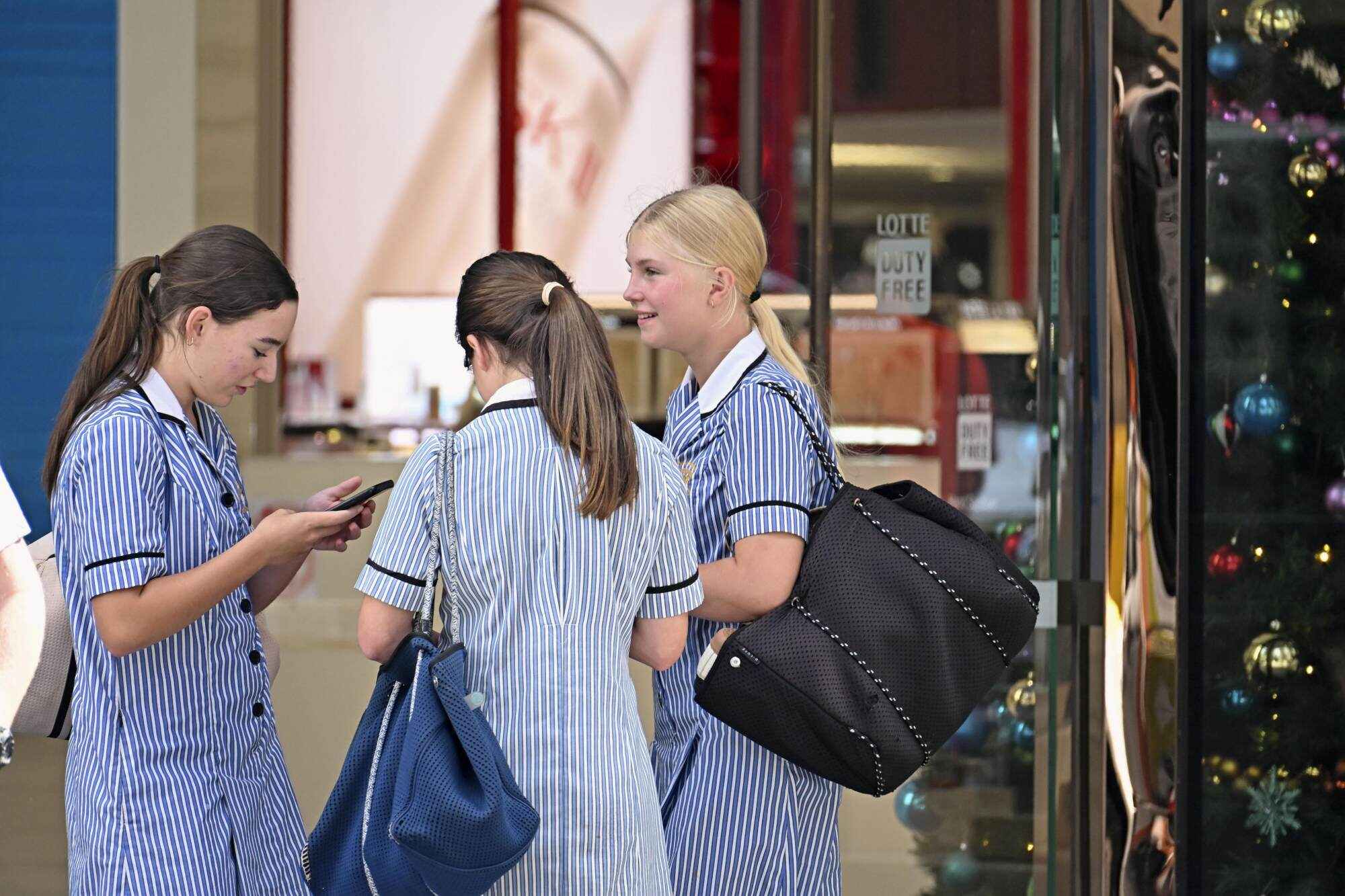
The Australian government has banned children under 16 from using social media, which includes platforms like TikTok, X, YouTube, Instagram and more.
The ban began on December 10, 2025. This made Australia the first country in the world to ban the use of social media for children under 16. The Australian government thinks this move will keep children from becoming addicted to social media, reduce their screen time and protect their mental health.
From a parent’s perspective, the ban might seem effective. It could reduce children’s use of electronic devices and improve their eyesight. Moreover, children will focus more on their studies rather than being glued to their phones, and their grades will be higher. They can also focus on more things in the real world.
Additionally, without social media, children might communicate more with their parents and bond with them. This could lead to stronger relationships.
You might think this ban is helpful, but there are negative impacts as well.
Children might feel overwhelmed when they lose access to social media. They will be disconnected and isolated from their peers, and this ban could be a barrier to sharing about their lives and frustrations.
In extreme cases, they may feel lonely since they are unable to connect with their friends and express themselves. This could lead to more emotional problems. Without social media to help them handle stress, they might cope by throwing tantrums or arguing with their parents.
Most importantly, children wouldn’t be able to connect with the wider community of people from all over the world. Without social media, they cannot learn about the outside world. This ban, which was supposed to protect children’s mental health, could turn out to be damaging their mental health. This is not the ideal outcome.
In my opinion, the ban is not necessary because social media can be useful in life. Parents might think we are doomscrolling on social media, but different platforms can actually have benefits.
Video-sharing platforms like YouTube can teach children about different topics, such as cooking. They can educate children about life skills as well as academic knowledge, such as how to solve equations. Other content-sharing platforms like TikTok and Instagram allow children to share their daily experiences and express themselves.
We just need to look at social media with a different perspective. As it turns out, social media can be both educational and beneficial to our mental health.
Alternatively, I suggest making restrictions that protect children without banning them from using social media. Parental controls and age verification are examples of how to do this.
What are your thoughts on this ban? Do you think it should be implemented in more countries around the world?
Dangers of overconsumption
Annie Liu, International Christian School
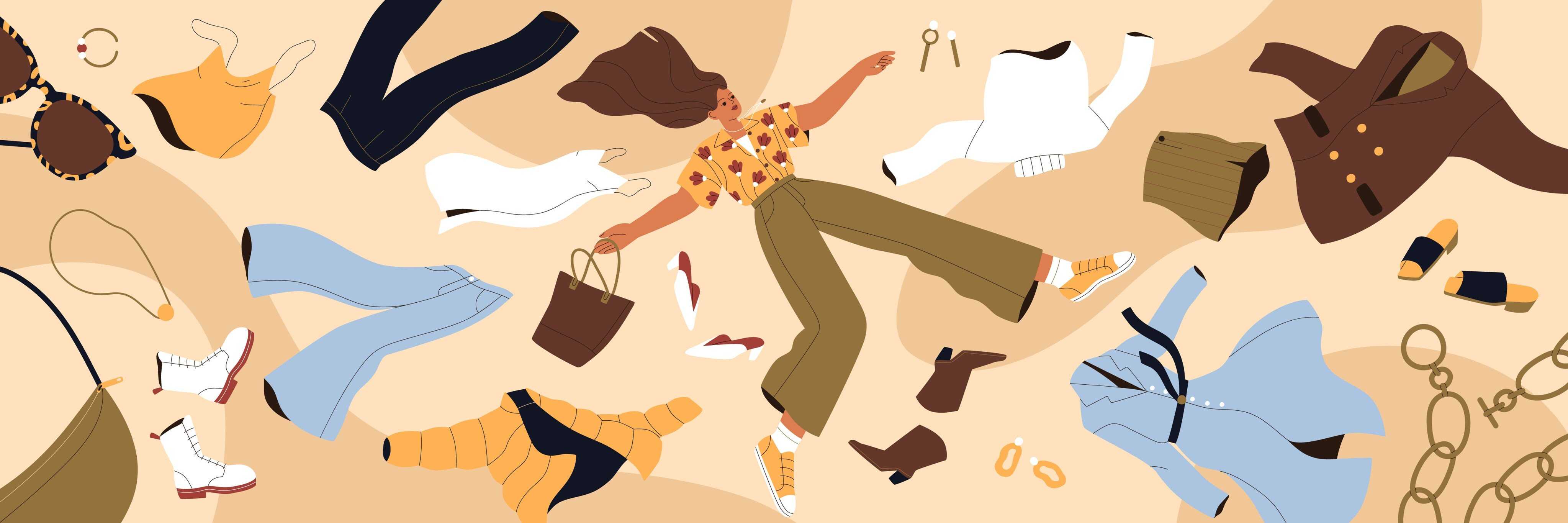
Shopping is often praised as a way to express your personality or invest in your hobbies. But in reality, excessive consumerism is detrimental to the environment and your emotional state.
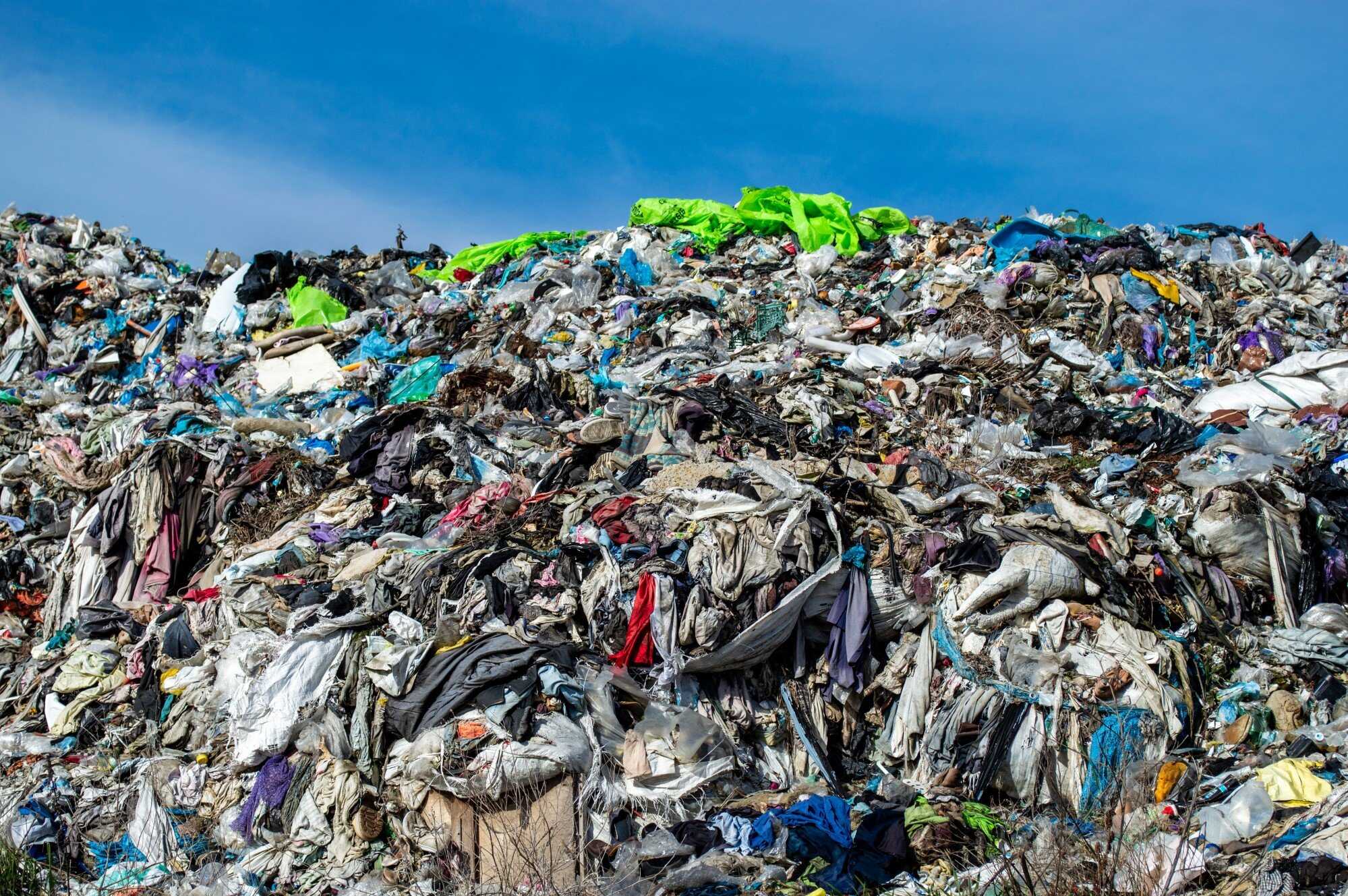
To take advantage of trends, companies must rapidly produce goods, often made of cheap materials that release harmful microplastics when they are discarded.
The large amounts of goods bought in the middle of a trend are not used for long and end up in landfills. And some of this waste eventually enters oceans or other natural areas, poisoning many species, including those eaten by humans.
Moreover, consumerism relies on emotional appeal to customers. Many influencers advertise products by persuading people they need them, engendering a perpetual desire for more.
This creates a sense of desolation in consumers, who try to fulfil their needs by shopping more. Overconsumption does not improve customers’ lives, and even less profit goes to the workers who create the products.
Most of the profit goes to the few executives at the top. It is good to raise awareness against overconsumption.
Plastic pollution problems
Doreen Lee, Kowloon Junior School
Humans are destroying ecosystems with single-use plastic. Every day, plastic gets dumped into the ocean and kills many animals. How can you save the ocean? You should stop using single-use plastic and instead use something that can be reused.
Scientific researchers have found plastic in the most far-off and remote parts of the world. Even the North Pole has been found to have tiny pieces of plastic. How much plastic do you think goes down the drain every day?
Secondly, plastic creates a terrible problem because it is not biodegradable or compostable. Plastic releases toxic chemicals and breaks down into tiny pieces called microplastics. Animals eat the microplastics before they end up in our stomachs. We should avoid snacks wrapped in plastic to save the ocean ecosystem.
In conclusion, we need to make a change and stop using single-use plastic. There are many ways we can start using reusable items. When we are done with them, we can keep reusing them. We can also pick up littered plastic and recycle it.
Now that we know plastic is a problem, why don’t we stop using it and protect our ecosystems?