
The true cost of cheap fashion
Luo Tong-li, Po Leung Kuk Tang Yuk Tien College
Have you ever considered the true cost of that cheap, trendy shirt you bought on a whim but never wore? Such is the world of fast fashion. Built on a business model that relies on cheap materials and labour, retailers can churn out 52 “micro-seasons” a year, one for every week.
This creates a cycle of consumption that encourages consumers to view clothing as disposable. Brands like Shein, H&M, and Zara are key players in this industry and have changed how we consume apparel, prioritising low prices over quality and durability.
The environmental cost is also staggering. According to earth.org, the fashion industry is responsible for an estimated 10 per cent of global carbon emissions – more than all international flights and maritime shipping combined. It also uses approximately 1.5 trillion litres of water annually, while dyeing processes cause 20 per cent of global industrial water pollution.
Furthermore, the push for synthetic fabrics like polyester means that half a million tonnes of plastic microfibres are released into the ocean each year from washed clothing, according to the UN Environment Programme. A shocking 85 per cent of all textiles end up in landfills or incinerators annually in the United States alone.
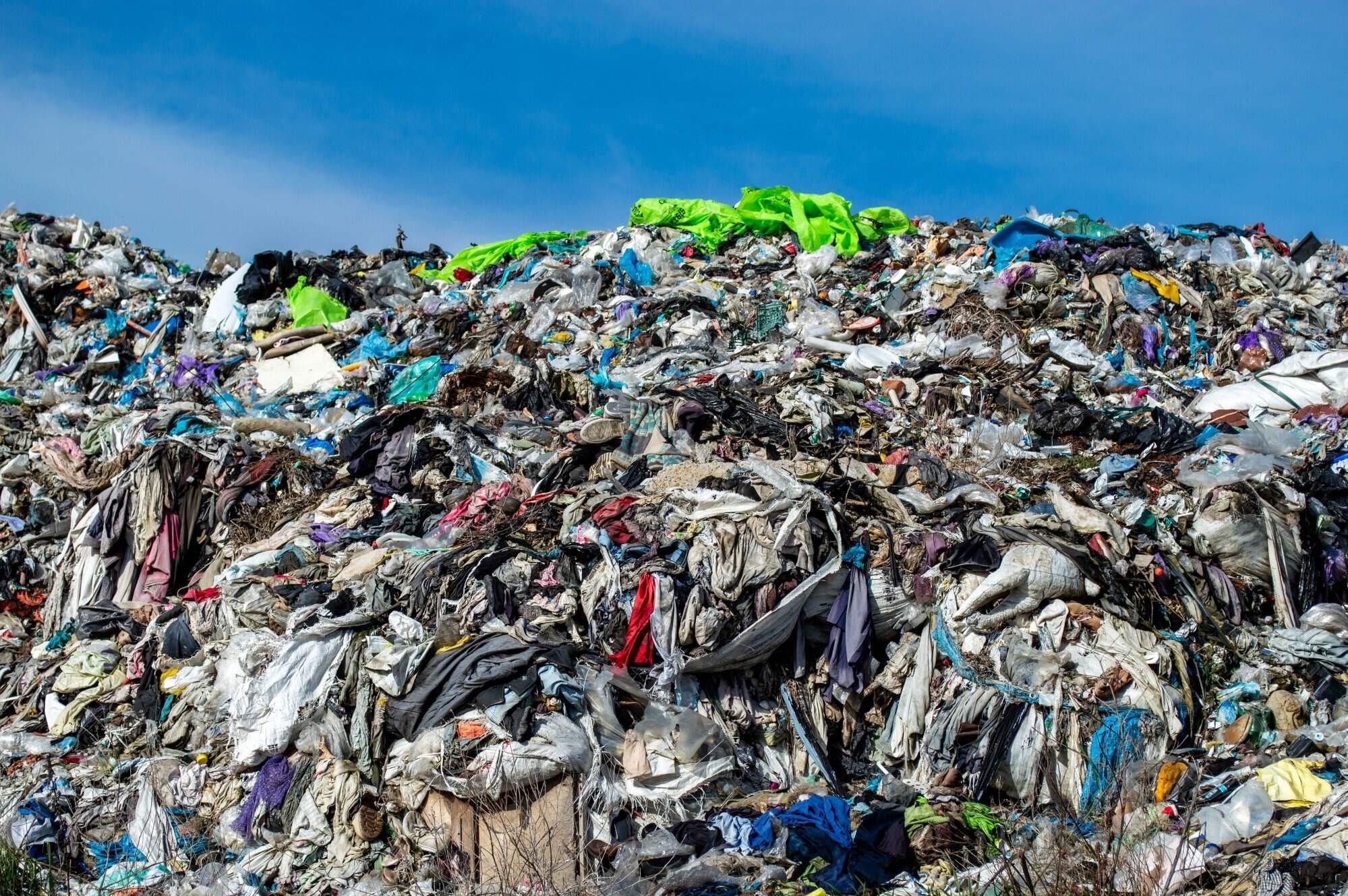
Upcycled fashion offers a powerful and creative solution to the waste crisis. Unlike recycling, upcycling transforms old garments into new products without industrial reprocessing.
This directly combats fast fashion by extending the lifespan of existing materials, diverting waste and reducing the demand for resources to produce new clothing. Upcycling is not just about crafting a unique piece; it is about actively participating in an economy that values creativity and longevity over mindless consumption.
The upcycling movement is accessible too: a simple internet search can provide endless beginner-friendly tutorials for repairs, alterations, and transformations. You can also support local thrift stores and learn basic sewing skills – even just hemming or replacing buttons can breathe new life into garments.
Each upcycled piece is a step towards a more sustainable future. Let us mend, remake, and reimagine our wardrobes together.
The downsides of ‘vibe coding’
Thomas Lam Sheung-chit, Po Leung Kuk No 1 WH Cheung College
I am writing in response to the article “From vibe coding to wetware, 4 terms to know if you want to keep up with AI”, dated September 19, 2025.
Among the four terms related to artificial intelligence (AI) mentioned in the article, the one that piqued my interest the most was “vibe coding”.
Having taught myself some basic coding skills, I agree that using AI allows my ideas to flow much more seamlessly onto the dashboard. It also promotes the acquisition of the critical thinking skills necessary in the programming sector, which demands high mental flexibility.
“Vibe coding” is undoubtedly a great way to learn the ropes of your computer’s mother tongue.
However, “vibe coding” falls short as it removes the fun from conquering the challenges of learning to program. It’s just like using training wheels on a bicycle – using them will let you get the hang of the bike’s balance and momentum, but keep them on for too long and you’ll miss out on the thrill of riding at full throttle.
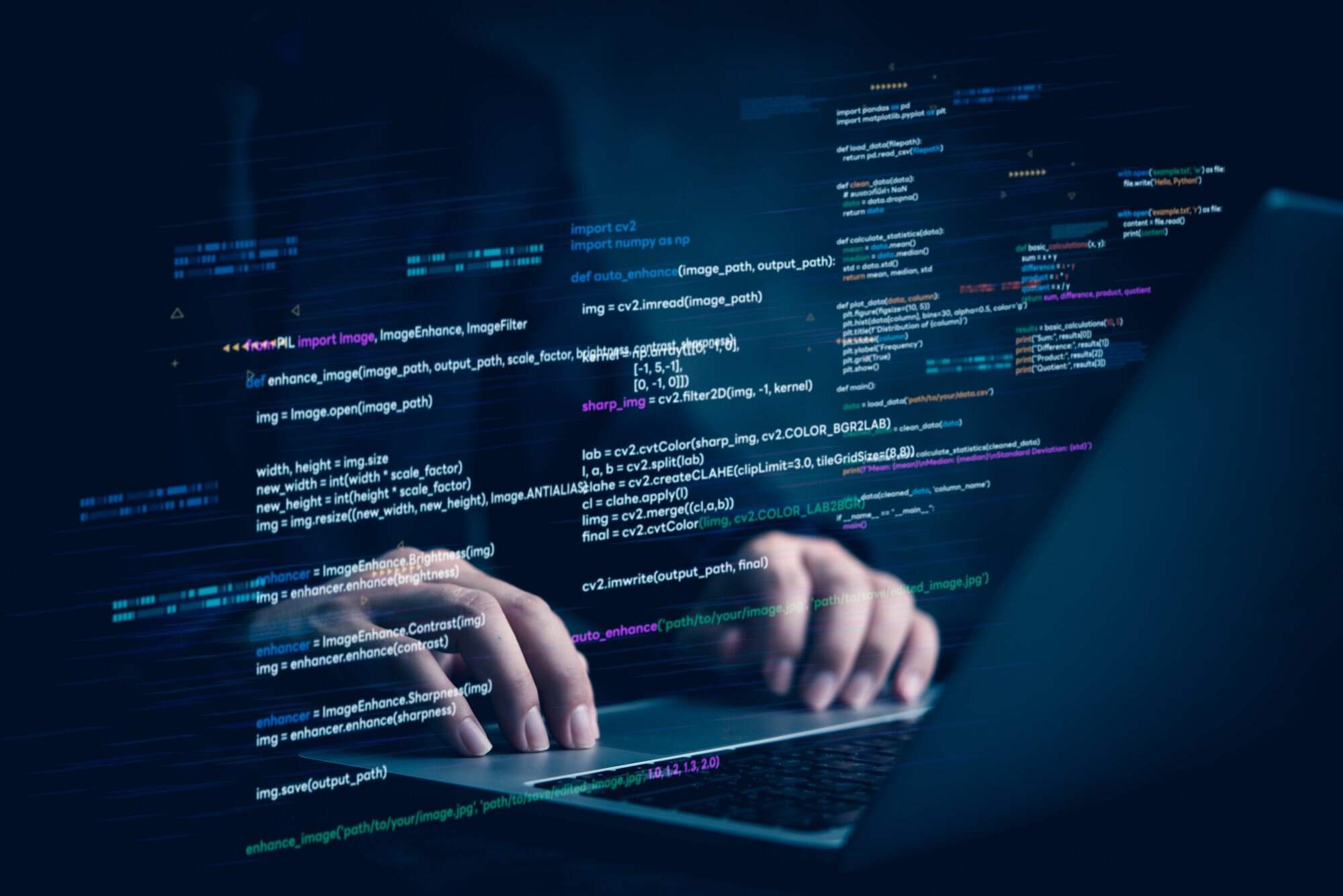
The catharsis of solving a challenging coding problem is simply unmatched, and I’m deeply concerned about how “vibe coding” strips these valuable moments away from aspiring coders. It also extinguishes one’s passion for self-learning, a crucial virtue in an increasingly digital world advancing at breakneck speed.
“Vibe coding” could be detrimental to how the younger generation perceives difficulty. With a vast repository of AI tools and databases on our hands, building a small, functional app is a walk in the park.
It’s easy to see why so many “vibe coders” overestimate their coding abilities when they put aside the AI tools. This has damaging repercussions in life, especially in fields where incompetence is not met with error messages, but with pay cuts.
In conclusion, “vibe coding” is certainly a decent method for transferring your imagination onto the digital screen. But if you want to go pro, just like any other skill, you’ll have to learn it the hard way.