Have something to say? Send us a letter using this form.
Healing power of art
Natalie Cheng, Chinese International School
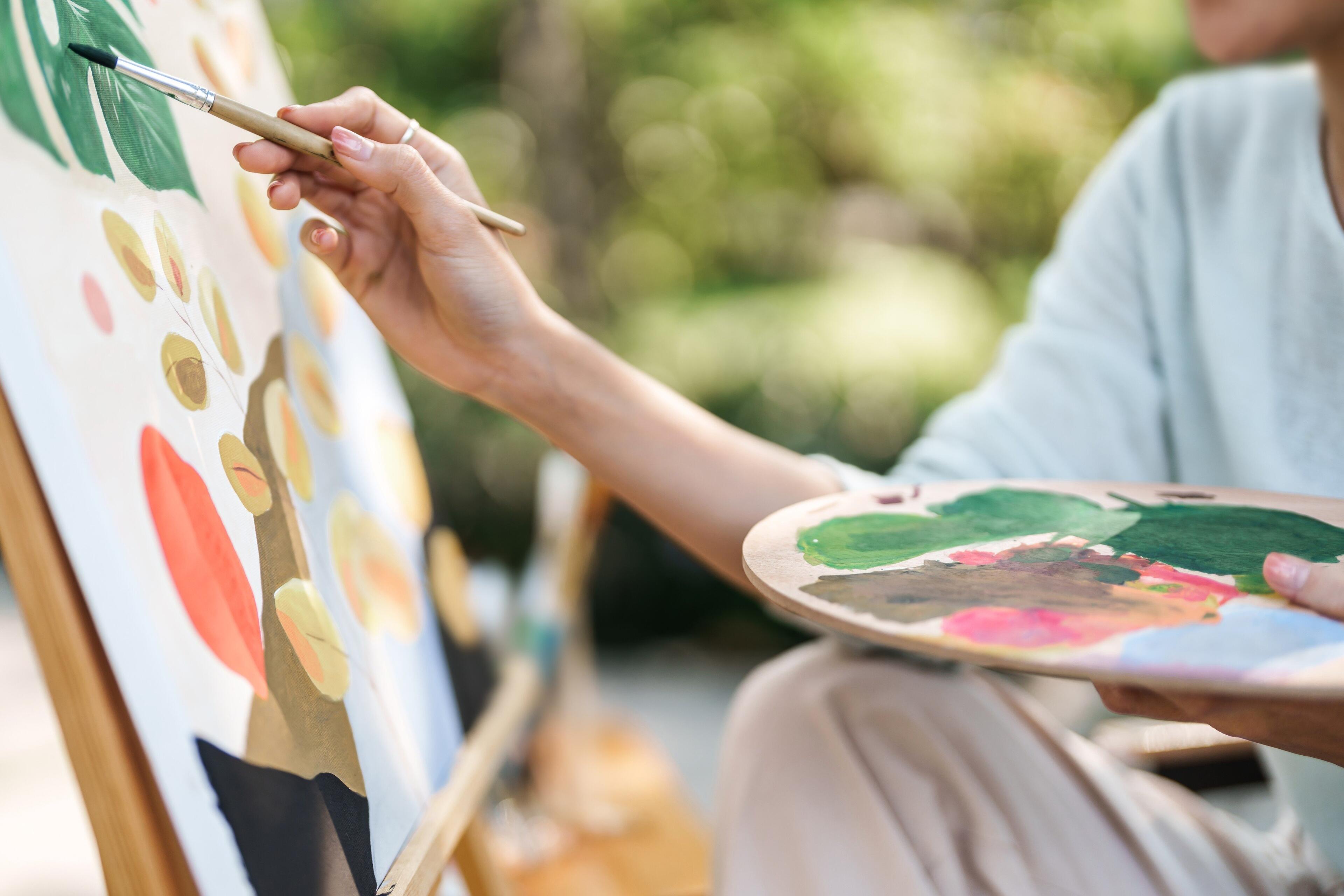
Art can be many things. It can be a form of creative expression, a meeting place or a meditation. Now, it is also considered a medicine, thanks to arts-on-prescription, a healthcare model gaining popularity across the world.
In arts-on-prescription models, community art classes are prescribed by doctors to treat a range of mental health and cognitive issues. Over the last twenty years, research has found strong links between arts-based activities and improved well-being.
Most countries’ healthcare systems have not caught up with these cutting-edge scientific findings. The World Health Organization has called on policymakers to “realise the potential of the arts for improving global health.” But what is arts-on-prescription, and where is its place within medicine?
Countries such as the United Kingdom, Canada and Sweden have led the way in adopting “social prescribing” over the last decade. This is a healthcare approach that refers patients to non-clinical services, such as community groups or exercise programmes, to enhance their overall well-being.
In 2017, the UK government produced the All-Party Parliamentary Group on Arts, Health and Wellbeing Inquiry Report. This comprehensive report reviewed the impact of the arts within social prescribing and has led to the increased adoption of arts interventions worldwide.
So, what do these interventions look like? Imagine visiting your doctor to seek help for depression and loneliness. Your doctor refers you to a local arts-on-prescription programme. Over the following weeks and months, you join free group art workshops and attend regular sessions in your local community, with your progress monitored.
Healthcare initiatives like these can be miraculous. A study by Arts and Minds, a leading arts and mental health charity in the UK, looked at a group that completed a 12-week community art programme. The study found that participants experienced a 71 per cent decrease in feelings of anxiety and a 73 per cent fall in depression.
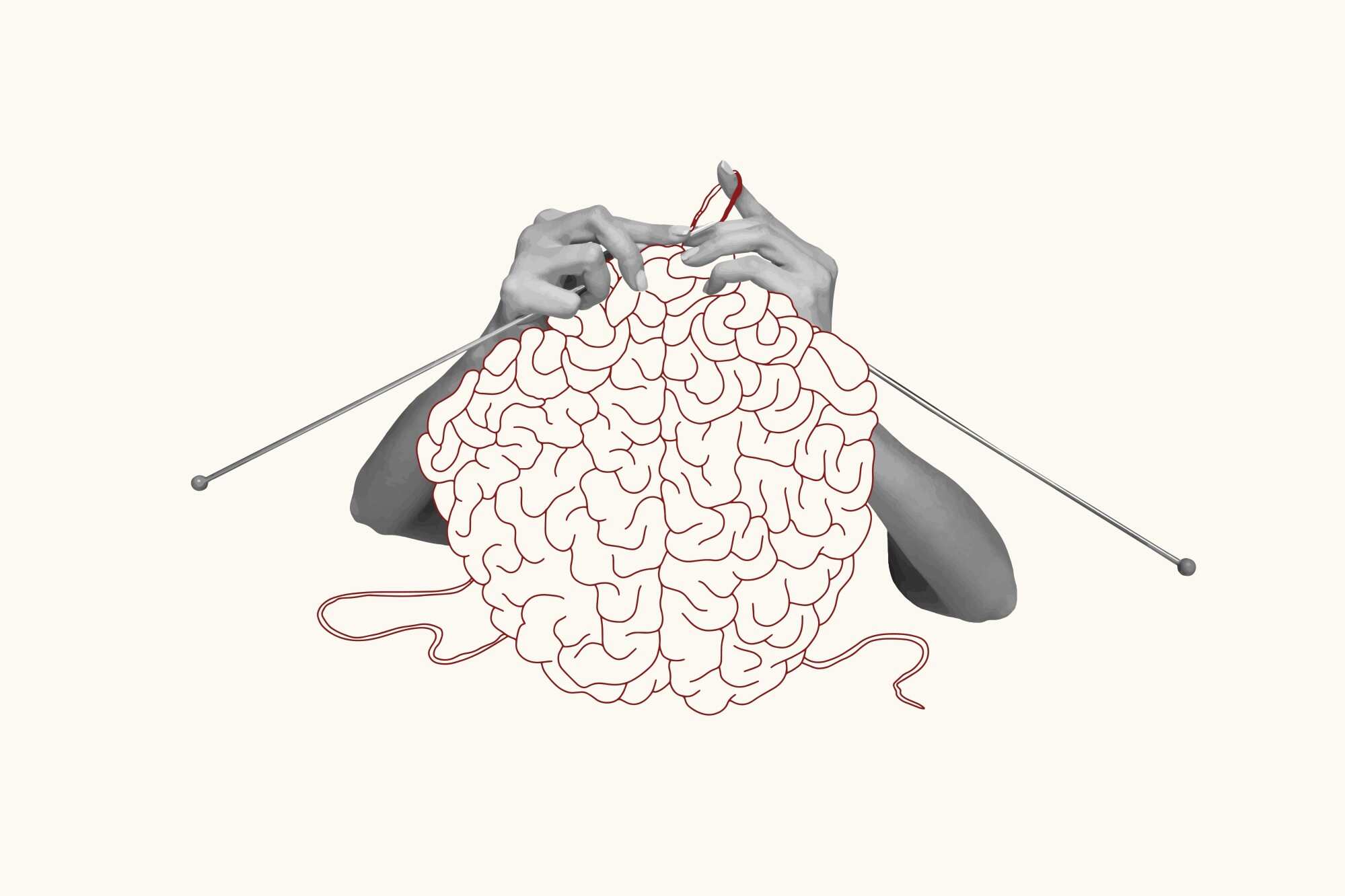
How does art heal the brain? Neuroscientists are still puzzling over the answer to this – but they have some ideas.
Unlike activities that utilise specific parts of the brain, creating art stimulates different areas and promotes mind-body connectedness. The fact that art uses such a wide area of the brain (unlike functions such as speech, which use only a small part) also makes it extremely resistant to brain damage, meaning it is a skill we retain as we age.
NGO-funded arts initiatives already exist in Hong Kong, but they tend to focus on short-term or one-off activities. In contrast, research has found that longer-term engagement provides a greater boost to mental health.
We should all encourage the widespread adoption of arts-on-prescription, as it is community-driven, cost-effective and efficient.
Lessons from history
Bella Chen Pui-lam, St Catharine’s School for Girls
I was scrolling through YouTube the other day when a video from a channel’s interview with an elderly man who was a survivor of the Auschwitz concentration camp came up.
It made me stop scrolling because he was young when he was there, and I had been thinking about it recently. The old man described Auschwitz as a horrible place built by the Nazis. It terrified me.
The part that freaked me out the most was a doctor there, Josef Mengele. I almost threw up when the video said that he tried changing his victims’ eye colours by injecting them with dye. It’s scary how people could imagine these ways to torture others and, even worse, make them come true.
Learning about this piece of history was a heavy experience. Auschwitz is the ultimate example of bullying innocent people. The victims are asking the world to learn from their horror. We must ensure that we never let such hatred grow around us again.
Typhoons and changes
Titus Hui Yan-to, Carmel Alison Lam Foundation Secondary School
As Super Typhoon Ragasa made landfall on September 24, the streets of Hong Kong transformed into chaos and unpredictability.
The once-bright sky turned dark, casting a shadow over the city. Familiar sounds, such as the hum of traffic and chatter, were replaced by the howling winds echoing through the buildings. Trash swirled through the air like confetti in a tornado while the cold wind blew fiercely and rain poured down in the sewers.
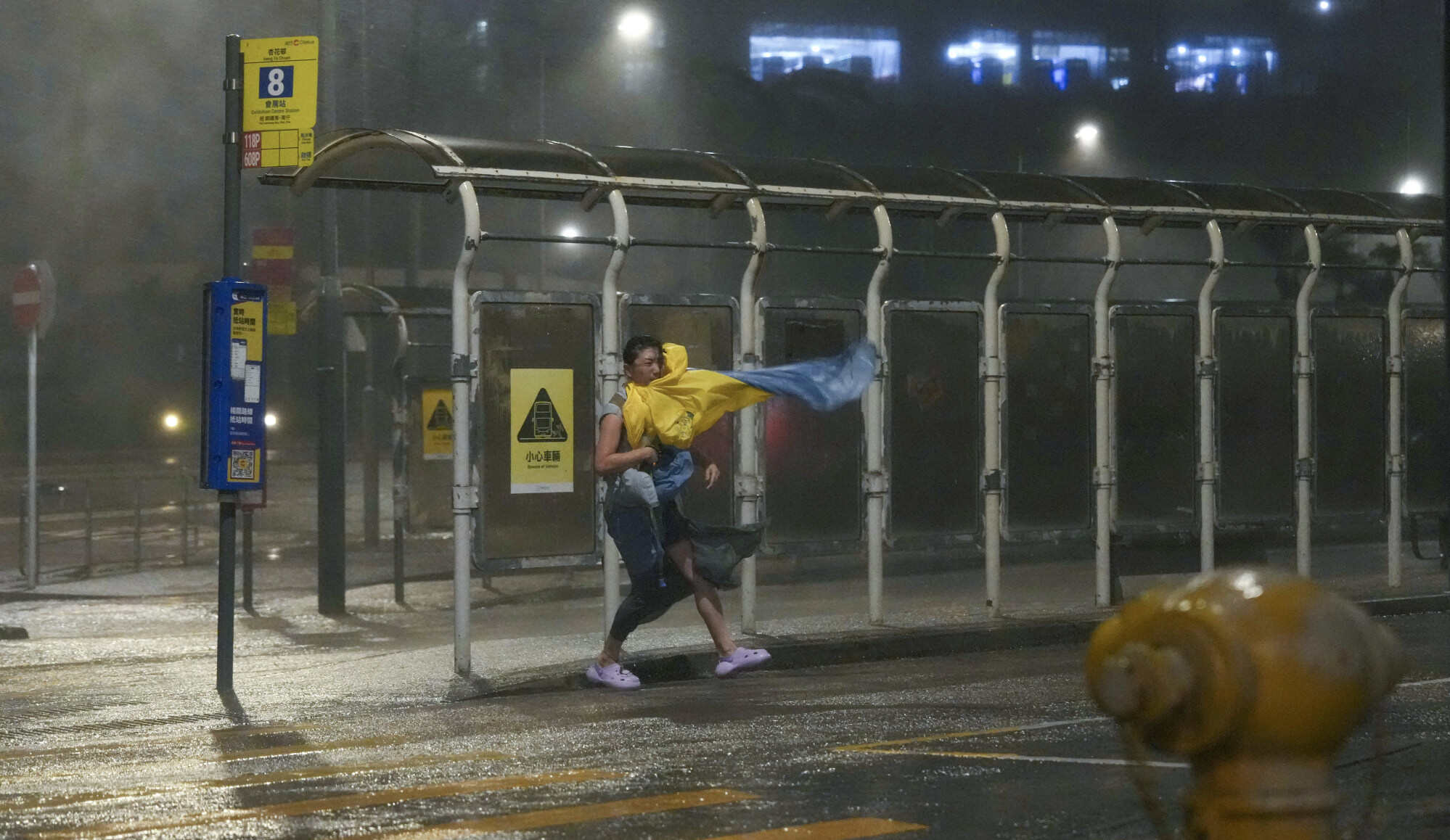
In the wake of the typhoon, our school faced the difficult decision to cancel our yearly swimming gala. Although disappointing, this cancellation provided a tough lesson in adaptability.
Through this experience, I realised that life is much like a storm: it is not always smooth or fair. Unexpected events can knock us off track, but it is during these turbulent moments that we learn to grow.
Super Typhoon Ragasa taught us much about life’s unpredictability and the importance of embracing change.
We must also thank the firefighters, cleaners and the community as they helped us clean up the filthy mess on the streets and kept us safe.