Have something to say? Send us a letter using this form.
Improving student mental health
Yuki Tsang, King Ling College
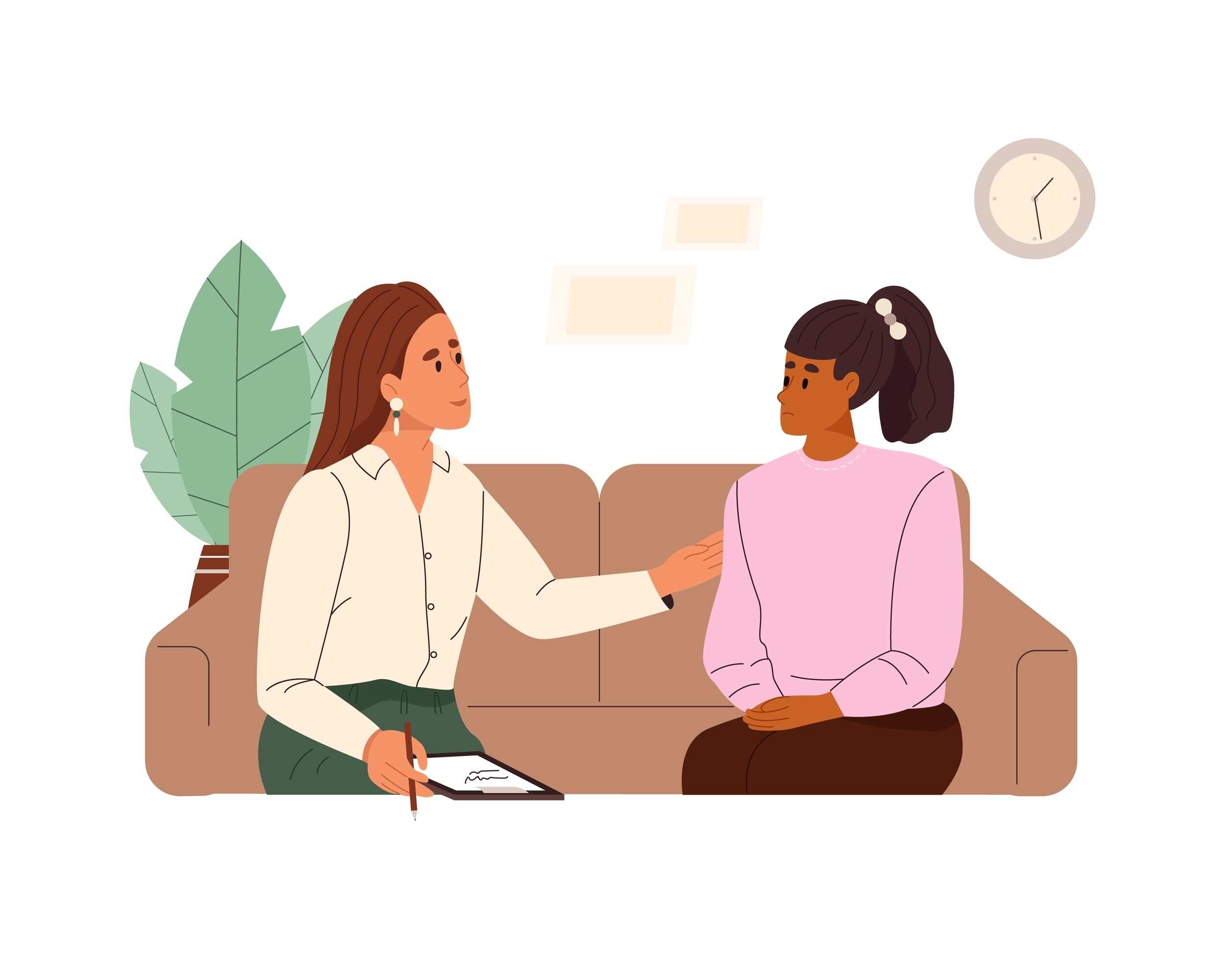
As a Hong Kong student, I worry a lot about our mental health. In August, the South China Morning Post reported on a 2024 Chinese University study that found that 49.1 per cent of students in Hong Kong have moderate to severe depression.
The report also noted that many students feel stressed about exams, homework and social media. I feel it too. For instance, last week I forgot to finish a maths worksheet and felt anxious all night.
In the United Kingdom, schools have classes to teach students how to manage their feelings. In Japan, teens join clubs to share their worries with friends; my cousin told me those clubs really help. If they work there, then why not here?
Hong Kong has good programmes, like the Jockey Club Parallel Minds Project. It helps teens talk about mental health, but not every school has it.
We can do more to help students. Schools could offer fun art or sports activities to help us relax. Teachers and parents could also put less pressure on us. Sometimes they ask too much without noticing how tired we are.
I hope we learn from other schools and make use of existing programmes.
Regulate AI art
Agnes Cheng Yee-on, St Paul’s Secondary School
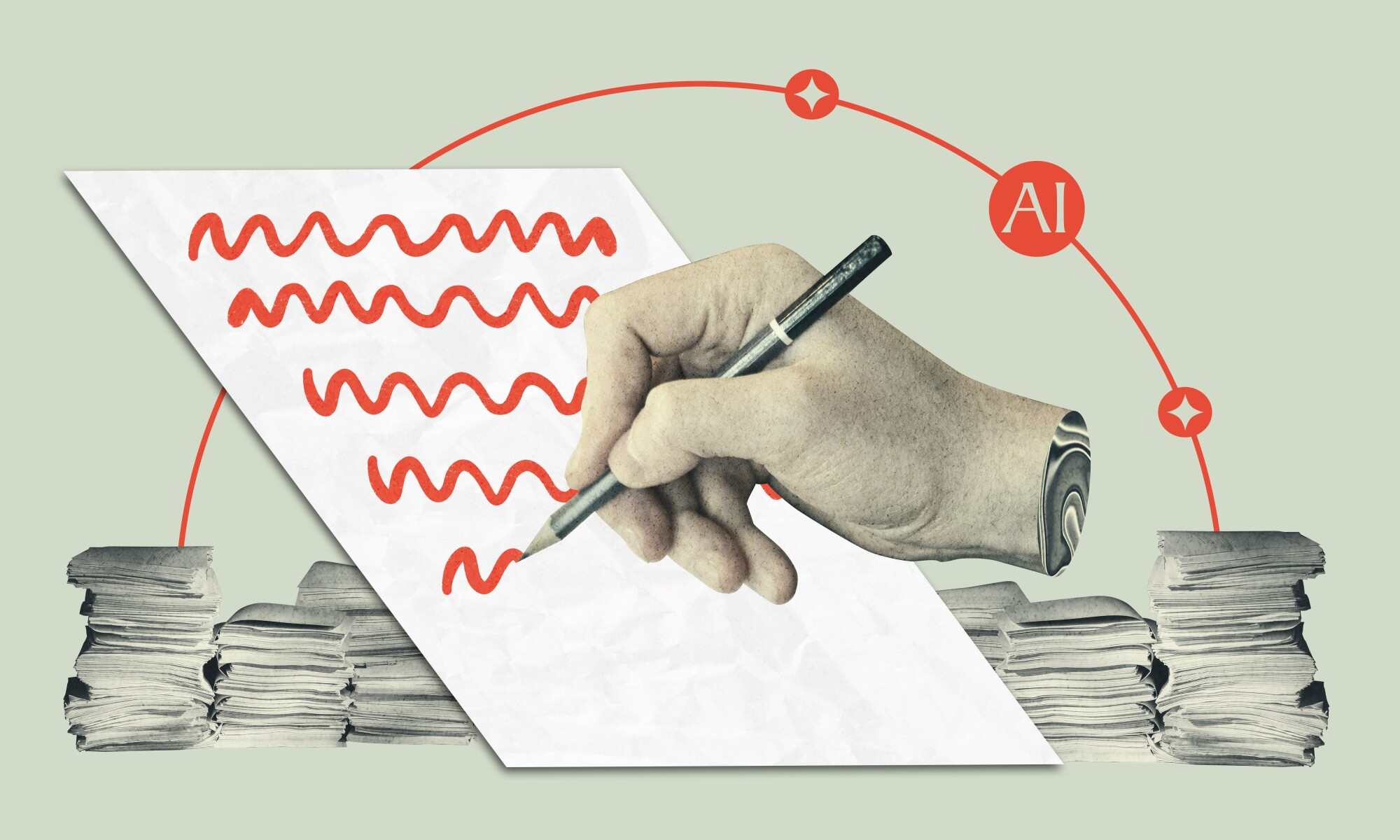
I am writing in response to the article “AI revolutionises digital art: how technology reshapes creativity”, published in Young Post on March 18, 2025. As a student who uses both traditional and digital mediums, I am concerned that artificial intelligence (AI) is changing the art world without safeguards for human creators.
One of the most troubling issues is how AI art is programmed to steal artists’ work. These systems study millions of images without permission. This practice violates intellectual property rights and enables AI to replicate unique artistic styles, profiting from stolen creativity.
AI art also lacks real creativity and human emotion. The rise of AI-generated art threatens to devalue human creativity. Unlike algorithms, human artists infuse their work with cultural context, emotional depth and intentional meaning – qualities that AI cannot replicate.
We should implement legal protections that mandate AI companies to obtain licences for training data and a policy that requires AI images to be clearly labelled to prevent deception. In short, while AI offers valuable tools for artists, it must not come at the expense of human creativity.
Wild animals are not pets
Venus Wong, Pope Paul VI College
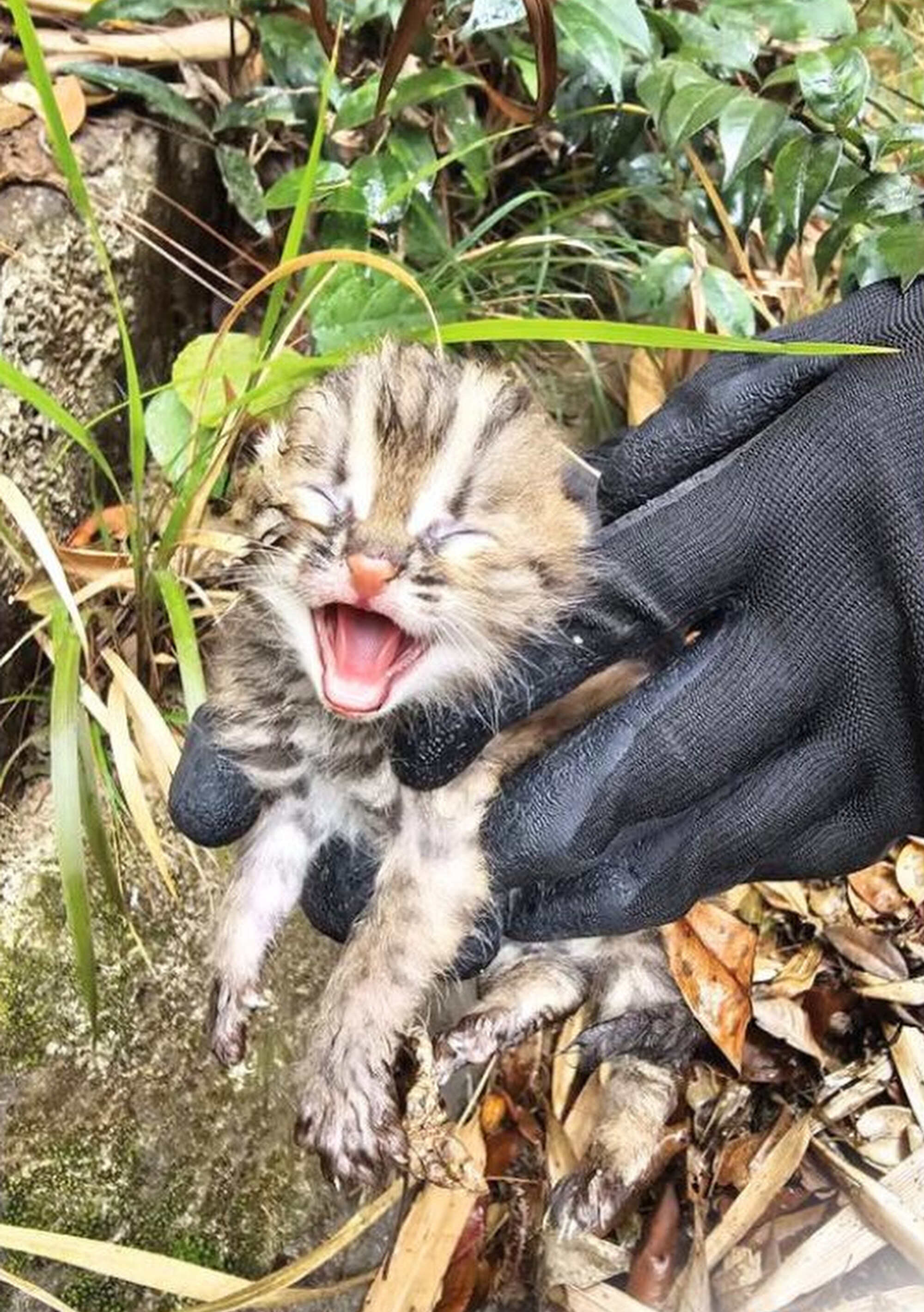
I am writing to address the alarming trend of Hongkongers acquiring wild animals as pets. The popularity of charming pet videos on social media has captivated many, enticing them to adopt these creatures based on their endearing appearance and behaviour.
However, this trend is profoundly irresponsible and poses significant threats to both animal welfare and biodiversity in the city.
Wild animals require expansive habitats and the freedom to roam. Hong Kong flats are notoriously small. Such constricted living conditions are inadequate for wild animals and could cause them severe stress and health issues.
If locals keep wild animals in these environments, the consequences could lead to suffering and even death. Many are drawn to wild animals purely for their cuteness.
This superficial attraction reveals a troubling lack of understanding regarding their essential needs. Such ignorance can contribute to their endangerment, as many owners remain oblivious to the nutritional and environmental requirements necessary for their care.
These actions reflect a disturbing unawareness that pet ownership demands significant commitment.
Learning to help others
Connie Ho Tsz-ching, CCC Fong Yun Wah Secondary School
I recently took part in a volunteer opportunity organised by Amity Foundation in Hong Kong. It was a completely new experience.
During my visit, I met two elderly individuals who had been living in the corner of a tunnel for two to three months. I was shocked to hear them say they preferred living there to sleeping in the park. Although the park seemed spacious, it lacked shelter and was less protective than the tunnel entrance, which offered some cover from the wind and rain.
Their living situation was heart-wrenching: plagued by mosquitoes and foul odours, they had nowhere to go during heavy rain and could only curl up in the tunnel to avoid the downpour.
The elderly man loved to read in his spare time, maintaining a thirst for knowledge despite his hardships. Meanwhile, the elderly woman enjoyed chatting with young people, which allowed me to feel the simple warmth of human connection.
This experience was profoundly meaningful. I not only learned how to care for citizens from different communities but also realised that many people still need help.