





Have something to say? Send us a letter using this form.
Screen new pet owners
Lam Cheuk-yin, Pui Kiu College
As more people decide to get pets, we need to ensure they are ready for this responsibility. I believe checking the background of anyone who intends to buy a pet can help prevent animal abuse and neglect.
Every year, too many animals suffer because they end up with owners who cannot care for them properly. Some owners may not realise how much time, money and effort it takes to look after a pet.
By conducting background checks, we can determine if a person has any experience with pets and if they understand what it means to own one.
These checks can also help keep pets away from people who have a history of abusing animals. A simple screening process could ask about past pet ownership and living conditions. This way, pets can be placed in homes where they will be loved and cared for.
Additionally, we should educate new owners on proper pet care, for example, by scheduling information sessions or distributing resources. This would create a community of responsible pet owners who understand how to provide a safe and happy home for their animals.
In conclusion, we must properly screen potential new pet owners to help protect animals from harm.
A wonderful board game
Oliver Tang, The Independent Schools Foundation Academy
My journey with chess began when my parents enrolled me in a class at the age of nine. The wonderful board game relies on strategy rather than physical capability.
What captivated me was the creativity involved; the unpredictability of chess made it a fascinating mental exercise.
Another fantastic aspect of chess is the people you play. I once played someone on the streets of New York!
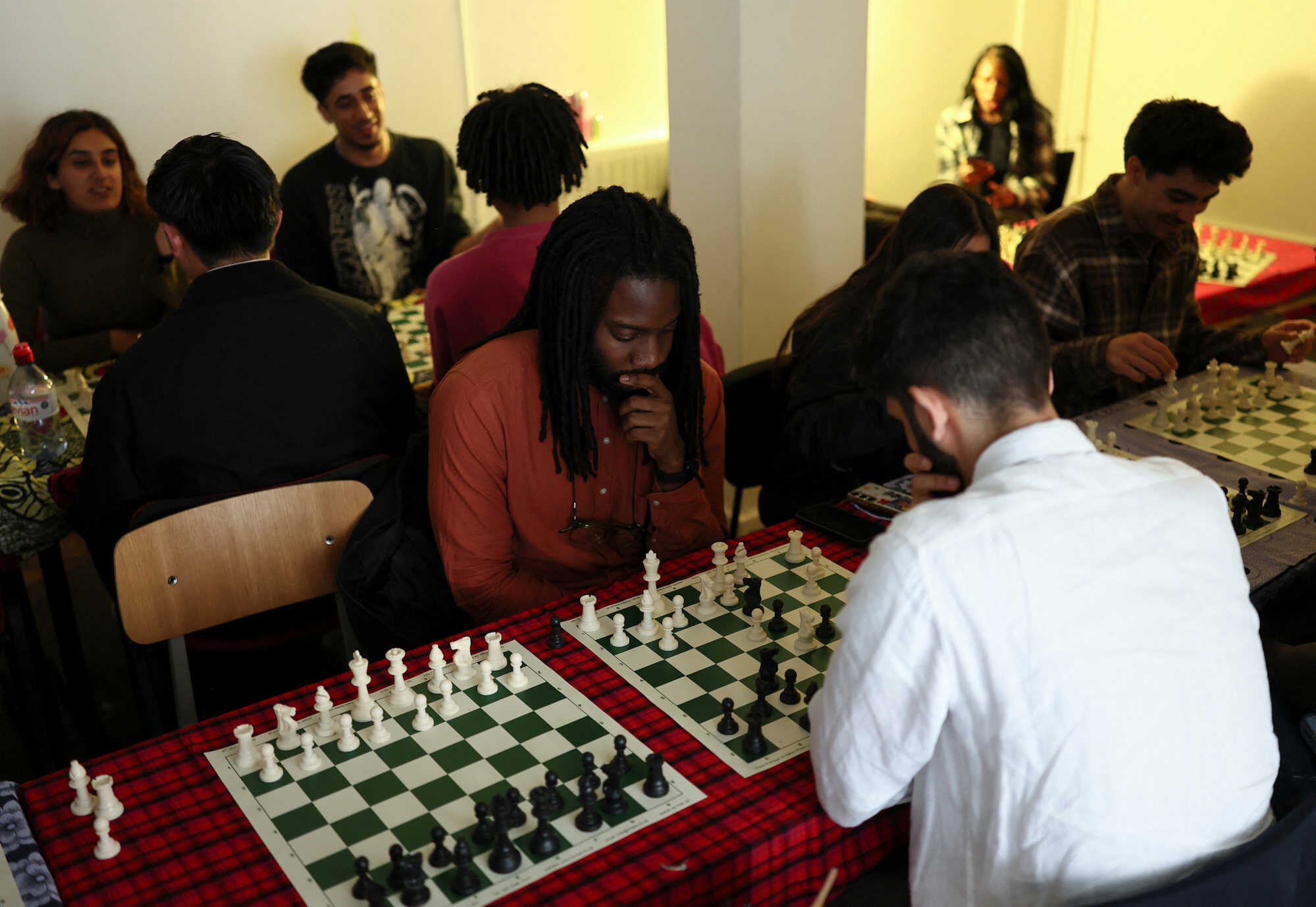
A loss in chess is often the result of not anticipating an opponent’s strategy. It is exhilarating to outplay someone by setting up a complex puzzle they cannot solve. But it is the unforeseen moves of a better opponent that drive me to hone my skills.
Every chess competition serves as a learning opportunity. After each match, I analyse my games using a chess engine. Three months ago, I entered The ISF Chess Academy competition. My school team won, but I dropped from third to 15th place after one loss.
Still, in my last match against a friend who was 500 rating points above me, I felt motivated to learn from him. Facing stronger players head-on allows for the most improvement.
Nemo Zhou is a woman grandmaster on a chess mission
Beyond plastic straws
Nicolas Yu Hong-yui, Pui Kiu College
The use of plastic straws has long been criticised for its contribution to pollution, especially in oceans where they pose a significant threat to marine life. Sea turtles, birds and other animals often mistake plastic for food, leading to fatal consequences.
Transitioning to paper straws is a step in the right direction, as they are biodegradable and less harmful to wildlife. But the discussion should not end there. It’s crucial that we also focus on instilling environmental responsibility from an early age.
Encouraging the use of reusable straws, whether made of metal, silicone or bamboo, promotes sustainability and reduces reliance on single-use items.
While these straws are an improvement on plastic, they still have environmental costs, including deforestation and water usage. Therefore, it is vital to raise awareness of all aspects of our consumption.
We must commit to fostering lifelong healthy habits and a deeper understanding of our impact on the planet. By promoting sustainable practices and mindful consumption, we can safeguard animal welfare and ensure a healthier future for all.
Your Voice: Plastic versus paper straws, lifelong healthy habits and animal welfare (letters)
A web of expectations
Zheng Hoi-sum, Pope Paul VI College
The mental health crisis in Hong Kong is multifaceted, driven by factors such as academic stress and family dynamics.
The city’s rigorous school curriculum has a heavy workload that includes homework, projects and extracurricular activities. Balancing all these demands is overwhelming, and the focus on academics leaves students with little time for leisure.
Many parents have specific career paths in mind for their children. Young people then feel obliged to pursue professions that align with their parents’ desires instead of their own passions. Thus, young people are often caught in a web of expectations that leads to feelings of inadequacy and despair.

It is crucial to prioritise mental health education and resources in schools and communities.
We must foster an environment where young people feel safe expressing themselves and seeking help. Initiatives should be integrated into school curricula, and teachers and parents should receive mandatory training.
Schools should organise workshops on stress management, resilience and mental health awareness. They should also educate parents about the pressures their children face.
