




Have something to say? Send us a letter using this form.
Let our hair down
Cheryl Chan Cheuk-wing, Pui Kiu College
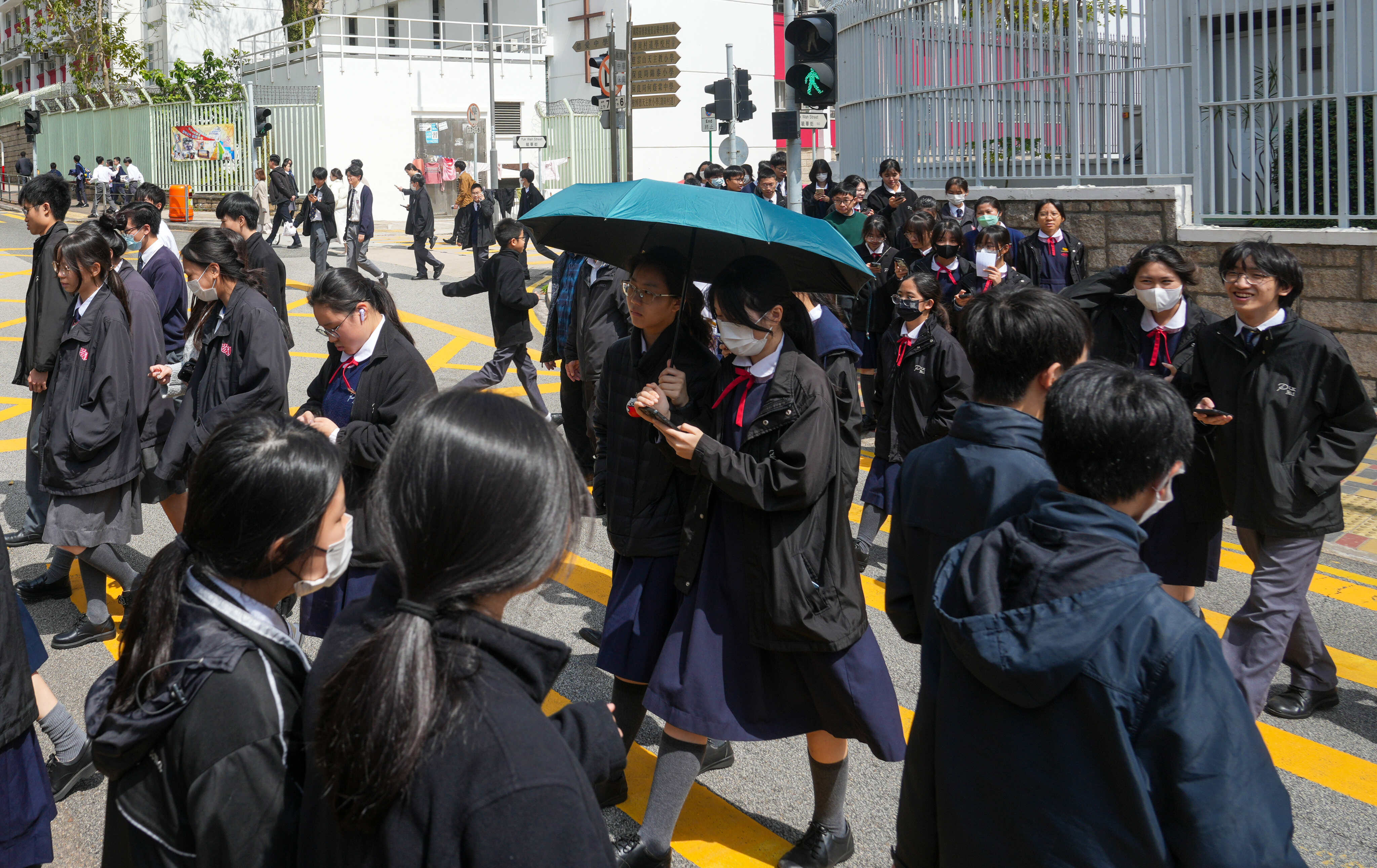
Girls should not be required to tie up their hair at school.
In some schools, tied-up hair represents tidiness, discipline and good manners. It also creates a unified image of students. Tying your hair up also keeps you safe. It prevents longer hair from burning in science experiments, getting caught in doors or falling into food. It is ideal when you are playing sports.
However, forcing all girls to tie up their hair discourages individuality and gives the impression that they must be conservative and fully obedient.
Giving students the freedom to decide their hairstyle can help them express themselves and appreciate each others’ differences, creating an inclusive and diverse campus. Some may argue that students will spend too much time on their appearance. But a modern society must promote equality and diversity.
Schools should provide students with the opportunity to make their own choices and develop as a person. A student’s responsibility should be to learn and maintain good conduct. Allowing them to choose their own hairstyles will benefit a school and its student body.
Face Off: Should all students, regardless of gender, have the same uniform?
The benefits of reading
Lam Yu-shuen, Tak Nga Secondary School
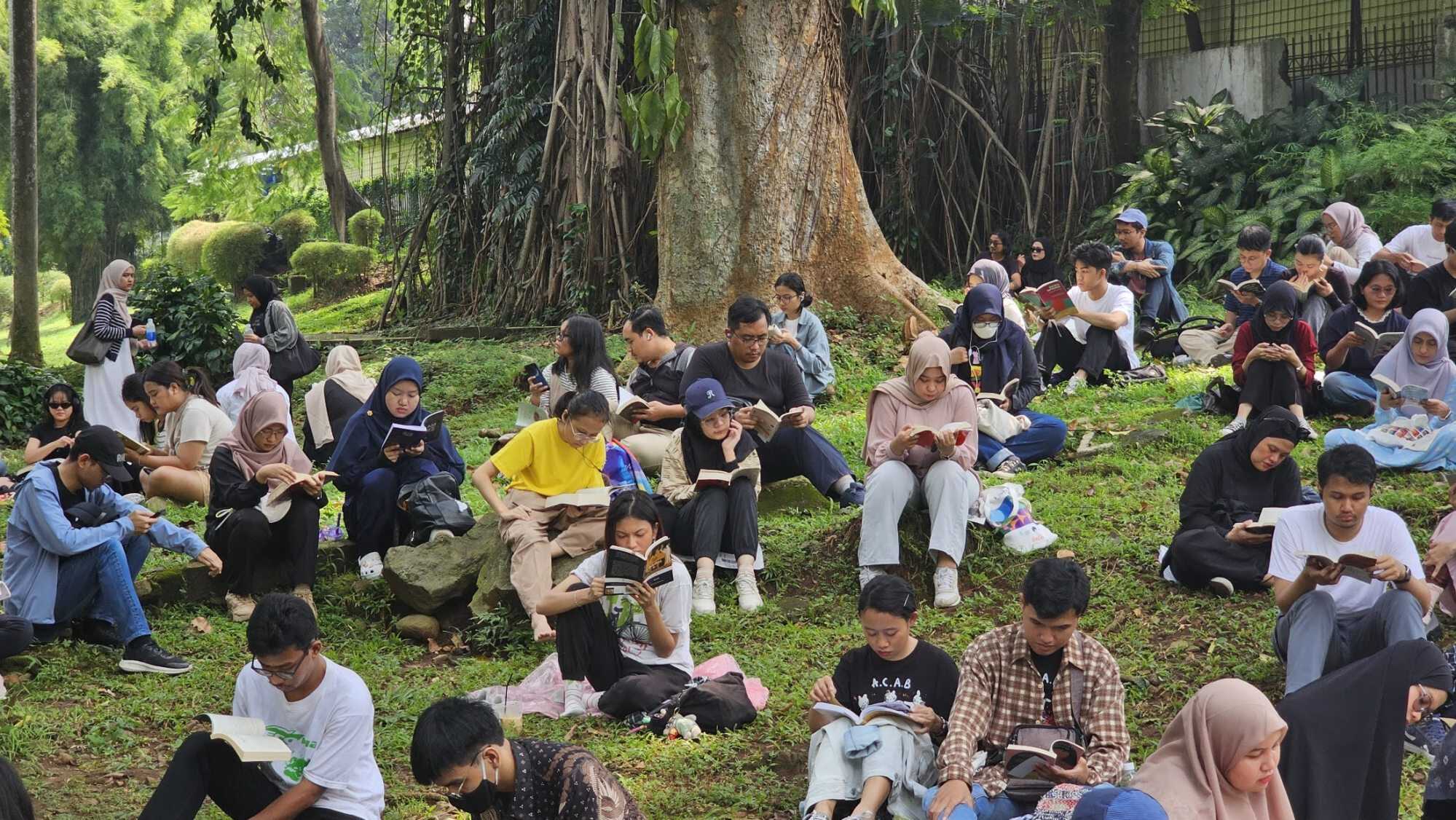
In a world saturated with digital distractions, the simple act of reading often gets overlooked. But fostering a reading habit, especially from a young age, offers lasting benefits that extend beyond entertainment.
Reading is more than decoding words; it is a gateway to knowledge, empathy and personal growth.
Reading expands our understanding of the world. Through books, we can travel to different countries, explore historical periods and delve into complex scientific concepts.
Regular readers develop a deeper understanding of language, enabling them to express themselves more effectively in both written and spoken forms.
Reading also promotes empathy and emotional intelligence. Immersing ourselves in the lives and experiences of fictional characters teaches us to understand and appreciate different viewpoints.
The habit also offers a powerful antidote to stress and anxiety. Engaging with a good book can transport us to another world, providing a welcome escape from the pressures of daily life. The act of reading slows down our heart rate, relaxes our muscles and promotes a sense of calm.
Save student lives
Wyatt Leung, Pui Kiu College
I am deeply saddened to learn that more and more students in Hong Kong are taking their own lives.
As students, we face a lot of pressure from school, parents, exams and, sometimes, ourselves. Many students are afraid of failure or disappointing others. Some feel very lonely but don’t know who to talk to. I think that is why some students sadly choose to end their lives. It breaks my heart to think that they felt there was no way out.
Schools, parents and society must work together to save lives.
Schools should prioritise students’ mental health. Teachers and social workers should regularly check in with students and provide them with a safe space to talk.
Parents need to listen to their children with love and understanding.
I also hope more students will support one another. A kind word or friendly message can make a big difference. We all need to remember that it’s OK to not be OK, and it’s brave to ask for help.
If you have suicidal thoughts or know someone who is experiencing them, help is available. In Hong Kong, you can dial 18111 for the government-run Mental Health Support Hotline. You can also call +852 2896 0000 for The Samaritans or +852 2382 0000 for Suicide Prevention Services. In the US, call or text 988 or chat at 988lifeline.org for the 988 Suicide & Crisis Lifeline. For a list of other nations’ helplines, see this page.
Hong Kong enhances support for at-risk students with new suicide prevention measures
Overreliance on AI
Eason To Long-yui, Valtorta College
Recently, I watched a YouTube video featuring an image of an old radio. The presenter in the video asked viewers to identify the radio’s brand. My first instinct was to use Google’s reverse image search. However, the presenter explained that it was not necessary; the brand name was clearly visible on the appliance.
I was stunned. This experience highlighted how excessive reliance on artificial intelligence (AI) can erode our observational skills.
Overreliance on AI also creates other problems. For example, if a person spends too much time online talking to and becoming fixated on chatbots instead of engaging with real people face-to-face, they will miss out on social experiences.
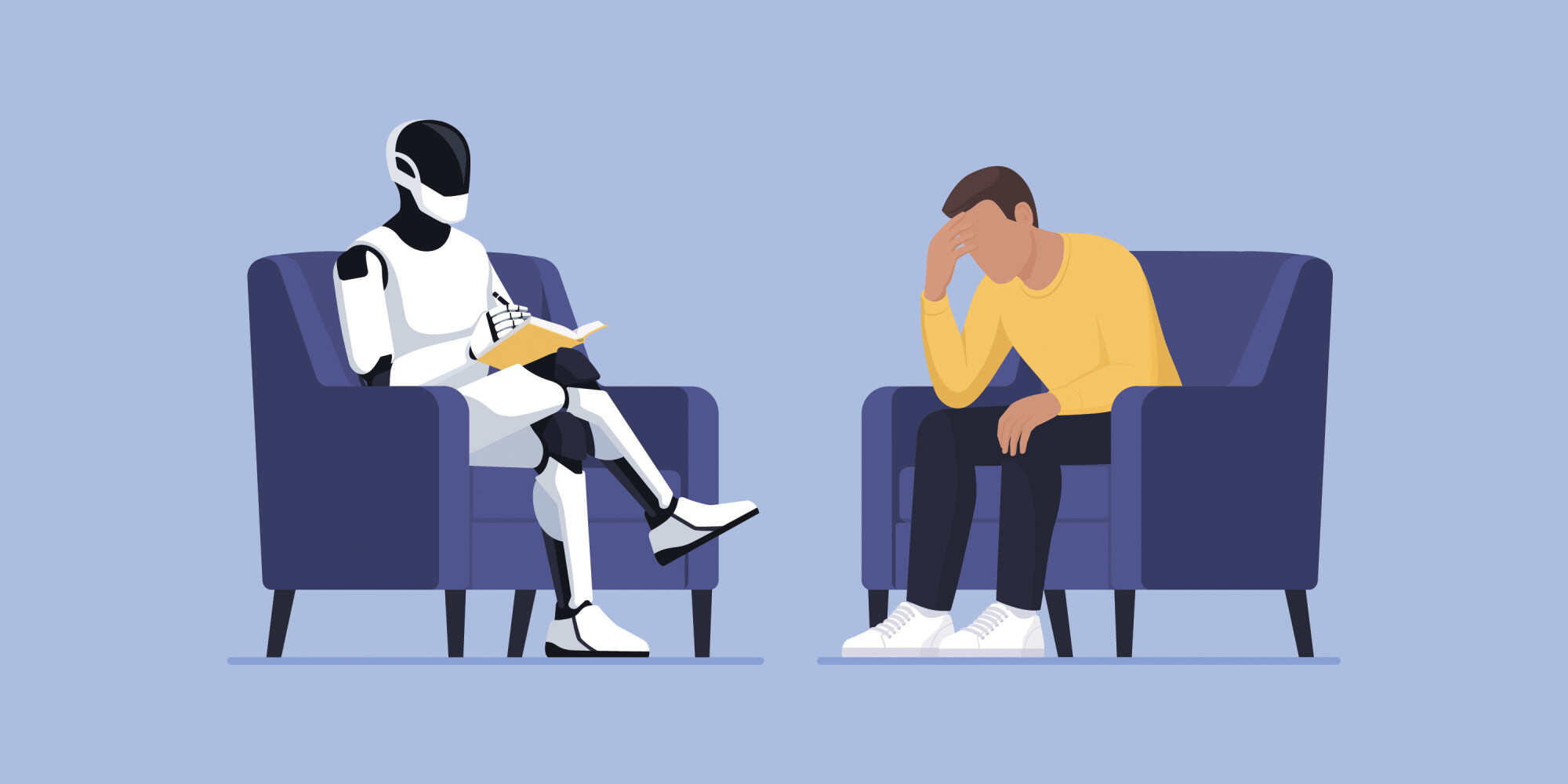
Chatbots mimic human conversational styles but do not genuinely possess emotions. As a result, people who rely on AI may struggle to adapt to real-world environments when they need to speak face-to-face.
Relying on AI to generate ideas could diminish our creativity. As we bypass the process of thinking independently, we may find it increasingly difficult to come up with new ideas. As a result, we may struggle to think outside the box to solve problems.
