Have something to say? Send us a letter using this form.
Combating food waste
Isabelle Faith Wei, Canadian International School of Hong Kong
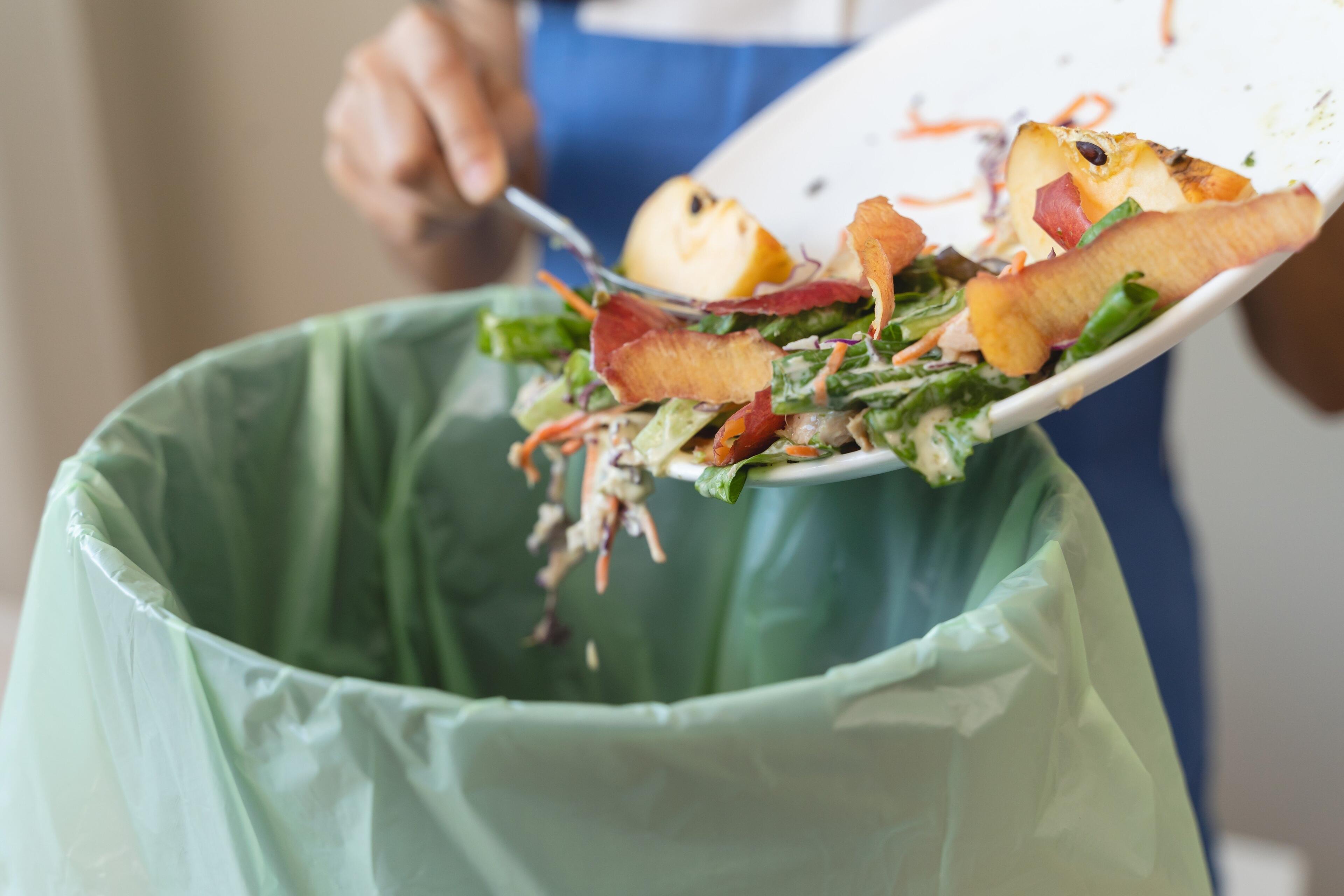
It’s midnight, and you’re at McDonald’s. To your left, a family has left behind a half-finished burger and a few scattered fries. Three seats to your right, a man quietly picks up their leftovers. He’s not a staff member but a refugee without a place to stay. Those salvaged scraps are his dinner, and the restaurant has become his temporary home.
This stark contrast between abundance and poverty is a common sight in Hong Kong, particularly in the food industry. As a part-time waitress, I’ve witnessed first-hand just how much edible food is routinely discarded. On my first closing shift, I was instructed to throw away over 10 gimbap rolls and 20 rice bowls – more than 5kg of good, surplus food.
Unfortunately, this is not an isolated incident. According to the Environmental Protection Department, about 3,300 tonnes of food are landfilled daily, which constitutes the largest component (30 per cent) of municipal solid waste and totals over 1 million tonnes of wasted food each year.
With a recycling rate of just 4 per cent, this waste contributes to greenhouse gas emissions and puts additional pressure on landfill space, which is projected to reach full capacity by 2026. Meanwhile, over 1.5 million people in the city experience food insecurity, indicating that hunger is not just a problem of scarcity but also one of logistics and compassion.
To address the dual challenges of waste and hunger, initiatives like Breadline, a food rescue platform operated by the NGO HKFoodWorks, are making a difference. Their partnership highlights how collaboration can help tackle the city’s contradictory crises of food waste and hunger.
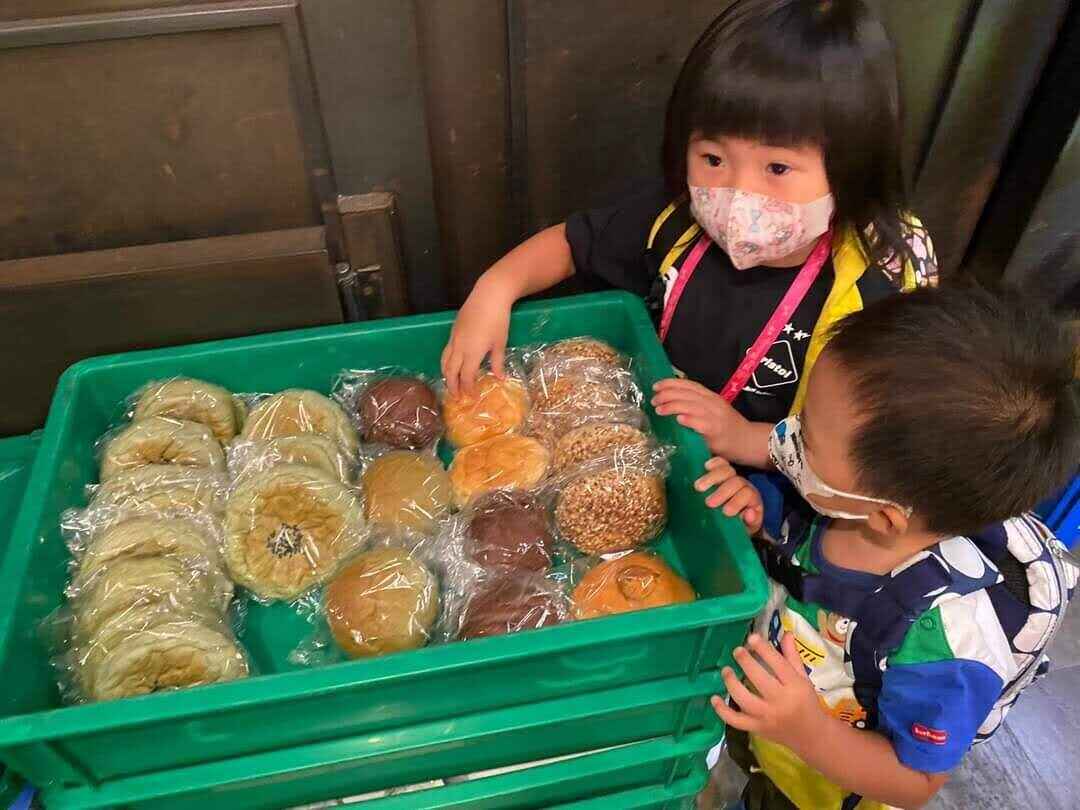
Launched in 2020, Breadline is one of Hong Kong’s largest public food-recovery digital platforms. This web application connects volunteers with a network of 171 bakeries across the city to collect surplus bread.
This addresses one of the most wasted food streams, as 85 per cent of retailers said they had excess bread, as reported by Oxfam in 2014.

As of last year, Breadline has saved over 500,000 loaves of bread. This food rescue not only reduces landfill waste but also redirects excess food to those in need, with collected bread delivered to drop-off locations and distributed through various charity partners.
Founded by Naveen Sadhwani and his daughters, Hanuman Charity organises monthly care home visits and hosts daily walks to deliver freshly cooked meals to the city’s homeless, elderly, refugees and low-income families. Around 1.39 million people live in poverty, and over two-fifths of low-income residents often go hungry. The issue is not a food shortage but rather the inefficiencies in getting surplus food to those who need it.
Many restaurants and retailers find it easier to discard unsold food than to navigate the costs or legal risks of donating it. The lack of a Good Samaritan food donation law is frequently cited as a deterrent for businesses, as they worry about liability concerns. While enacting such legislation could help encourage food donations, waiting for policy reform should not prevent immediate action.
Craze for consumerism
Carmen Yuen Tsz-yiu, St Catharine’s School for Girls
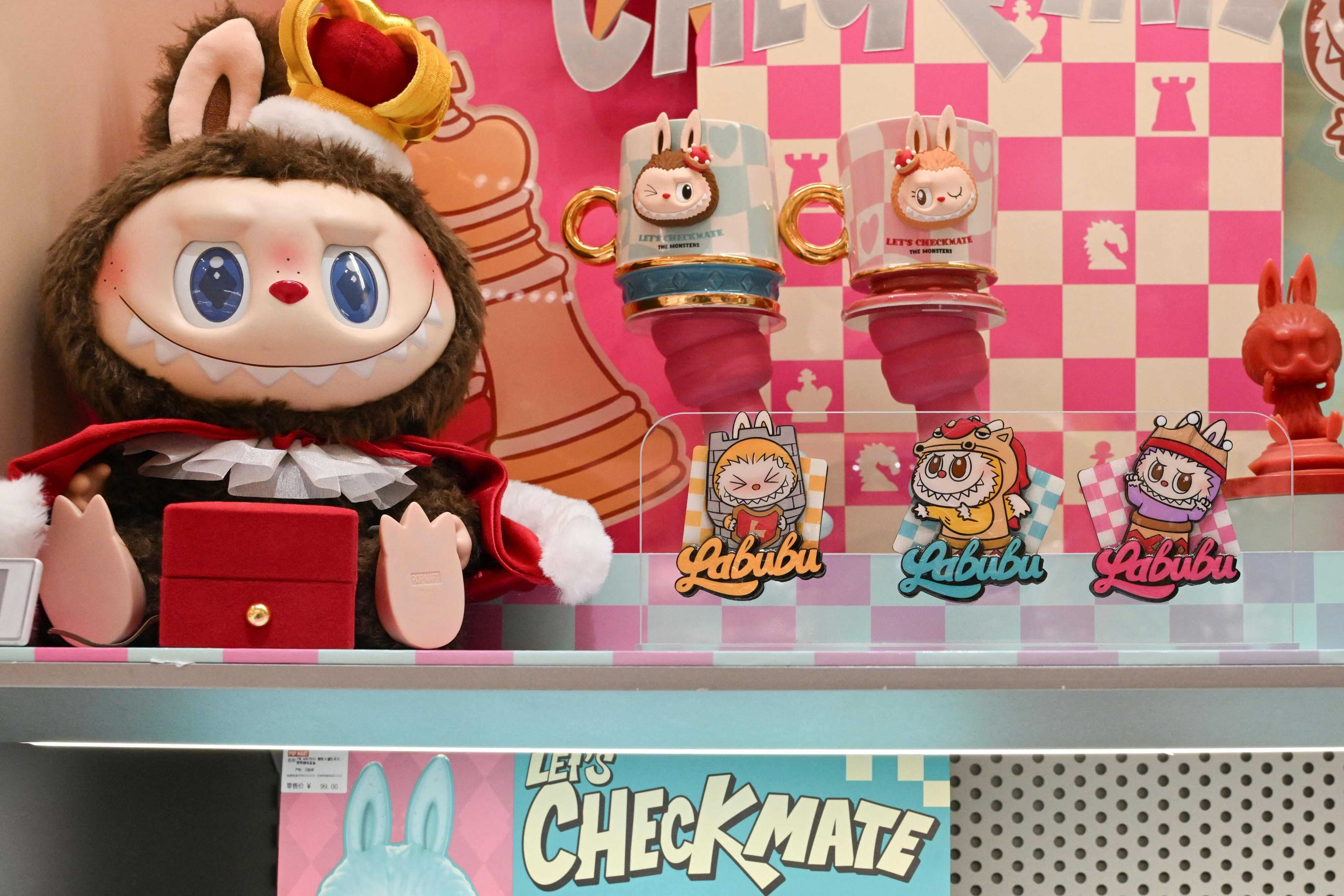
Recently, a doll called Labubu has gone viral and is being sold for a significant amount of money.
Many social media influencers promote these dolls, creating videos that often receive thousands of views from people around the world. Viewers who watch these videos may feel compelled to purchase these overly hyped and expensive products simply because their favourite content creators are talking about them.
The blind box packaging creates psychological traps that can lead to addiction and a desire for social validation. People strive to keep up with the trend, spending their hard-earned money on limited edition dolls in an effort to enhance their social status. Individuals fear being rejected by society if they don’t participate in the trend.
However, in reality, it’s likely that those around you wouldn’t even notice a Labubu on your backpack unless you bring it up.
These dolls are mass-produced and come in multilayer packaging, which contributes to microplastic pollution. Before long, many of them will end up in landfills. It’s perfectly fine to buy dolls occasionally, but do not to overdo it.

Work week revolution ahead
Rachel Poon, King Ling College
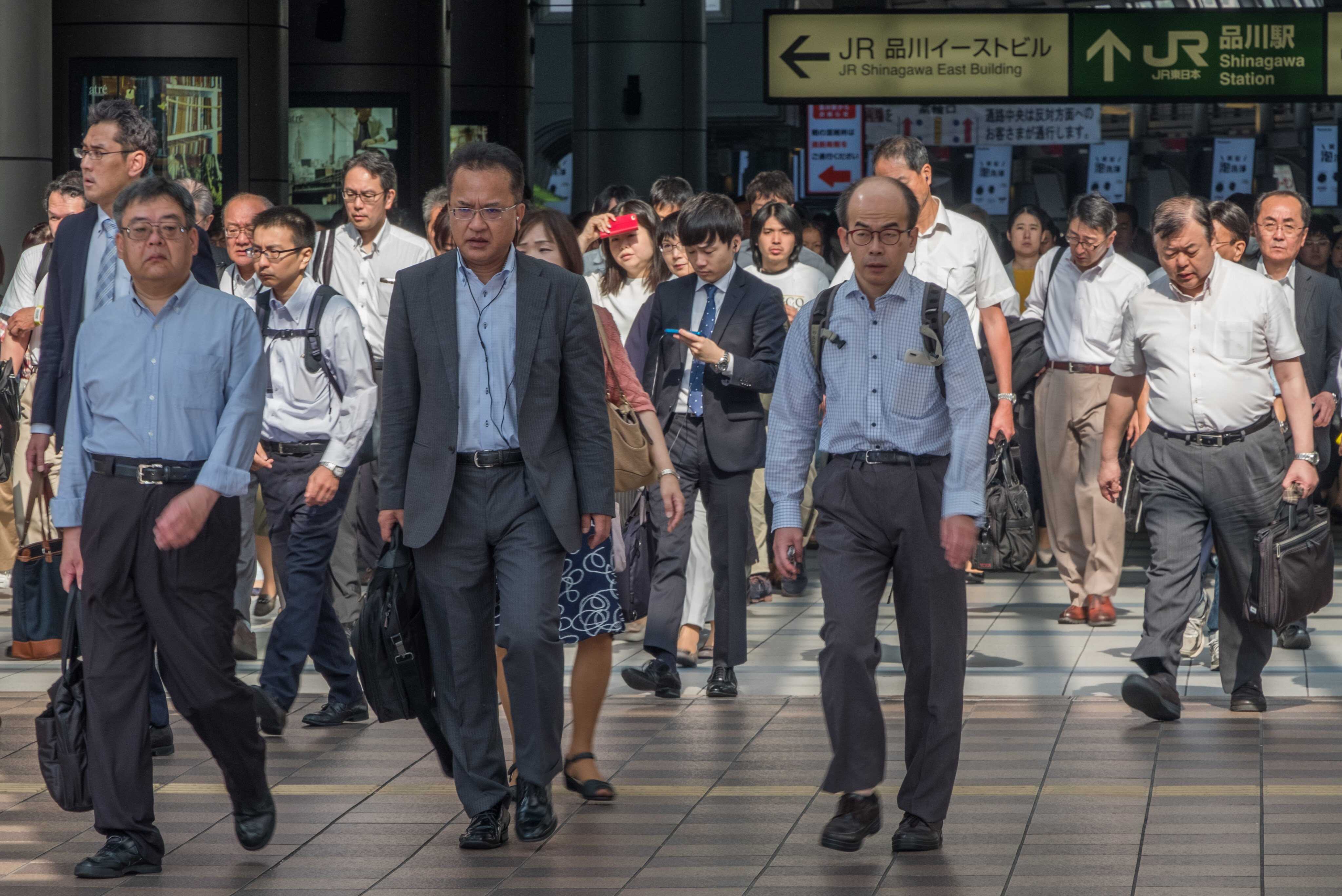
Many countries, including Britain, Japan and Iceland, are experimenting with a new approach to work: the four-day work week.
So far, the outcomes have been promising. Workers report feeling happier and less stressed, as they have more time for family, hobbies and adequate rest. Companies have also found that their employees become more productive. Furthermore, businesses save money on utilities and maintenance costs by keeping their offices closed for an extra day each week.
This innovative approach could greatly benefit busy cities like Hong Kong. Many workers in this city endure long hours at their jobs and often feel exhausted. A shorter work week would help them achieve a better work-life balance.
Parents would have more quality time to spend with their children, and individuals could dedicate more time to exercise and personal interests.
I strongly believe that Hong Kong should seriously consider adopting the four-day work week. This change could make the city more modern and progressive. Moreover, it could help reduce traffic congestion and benefit the environment.