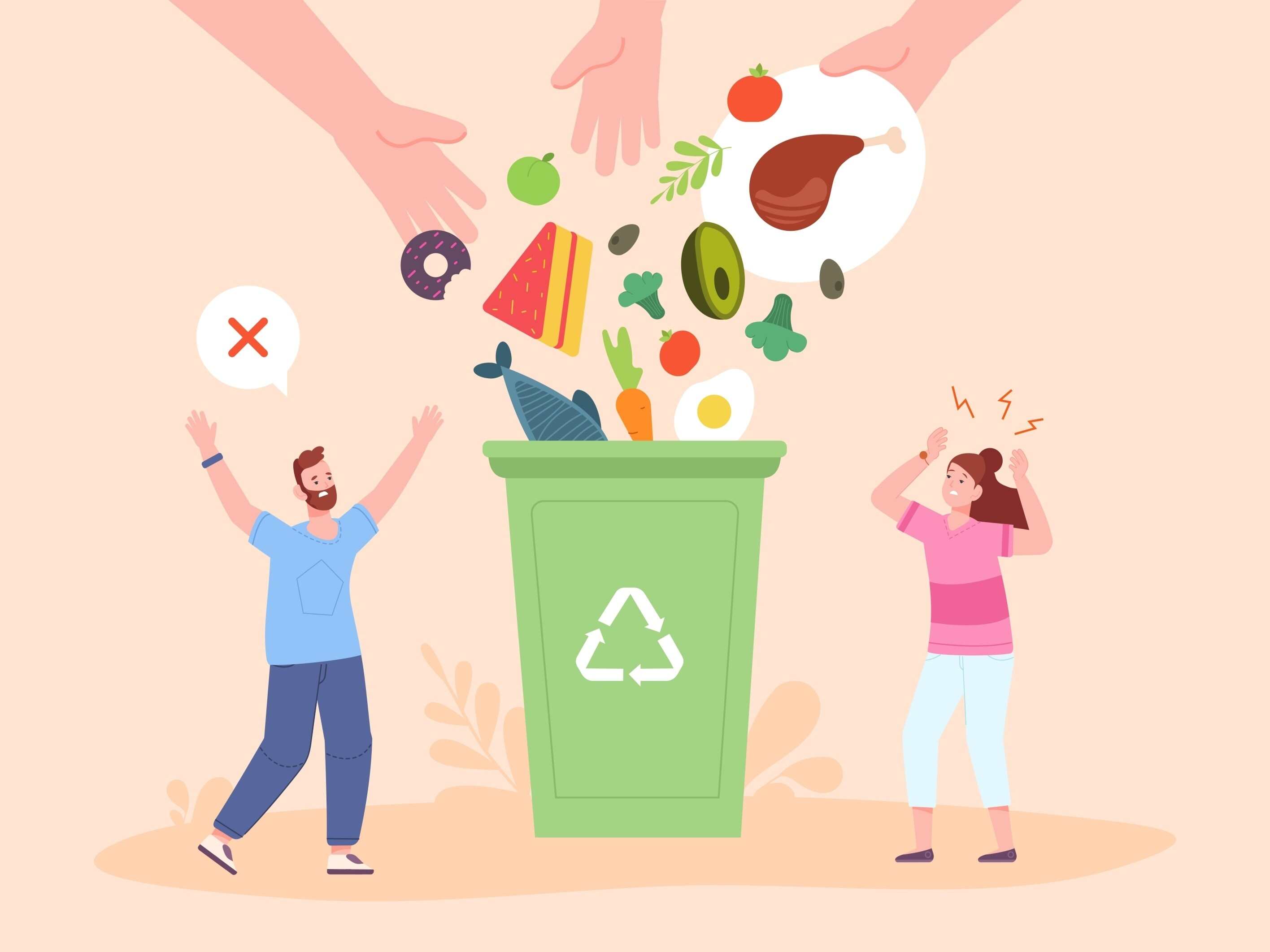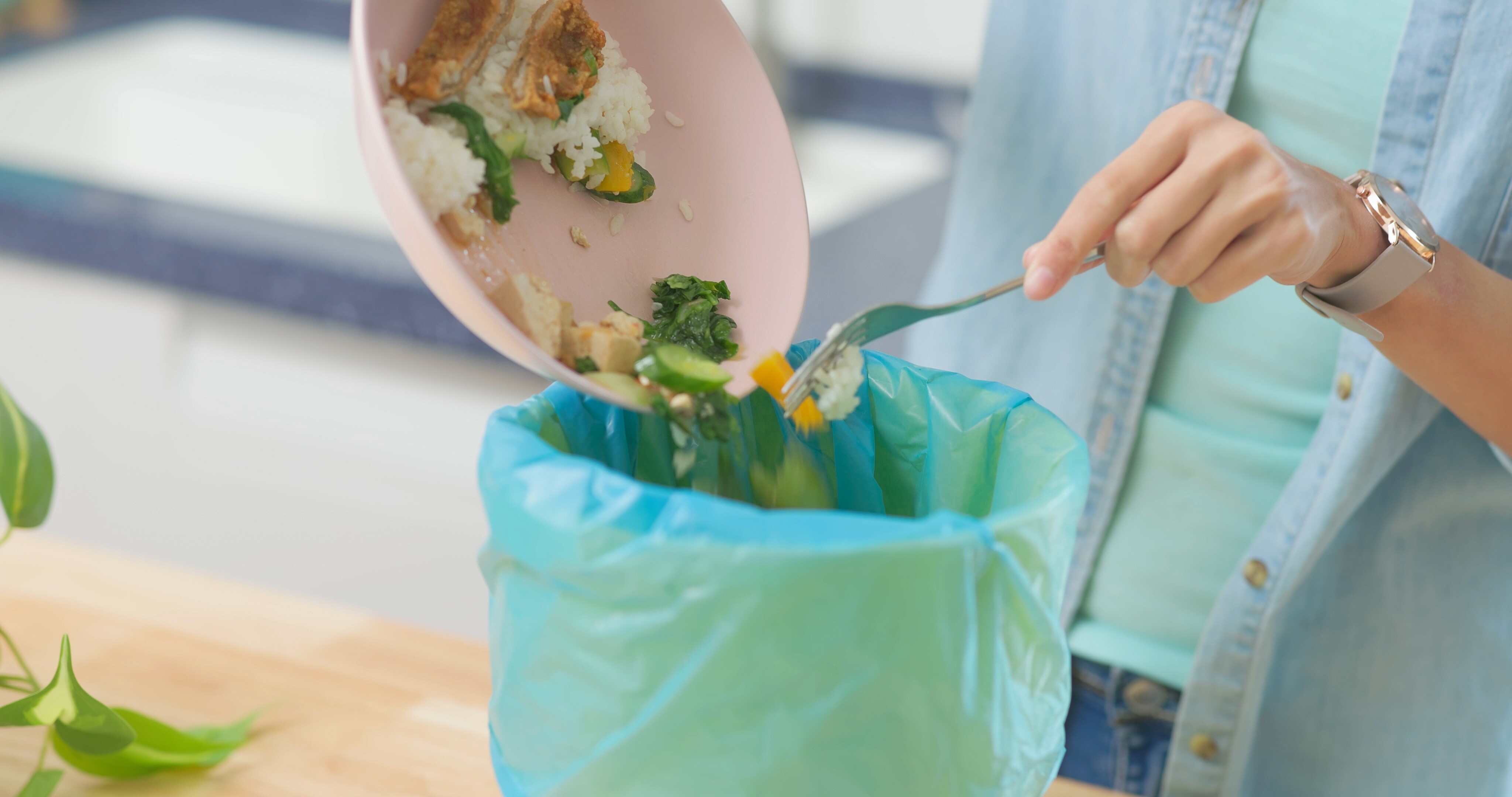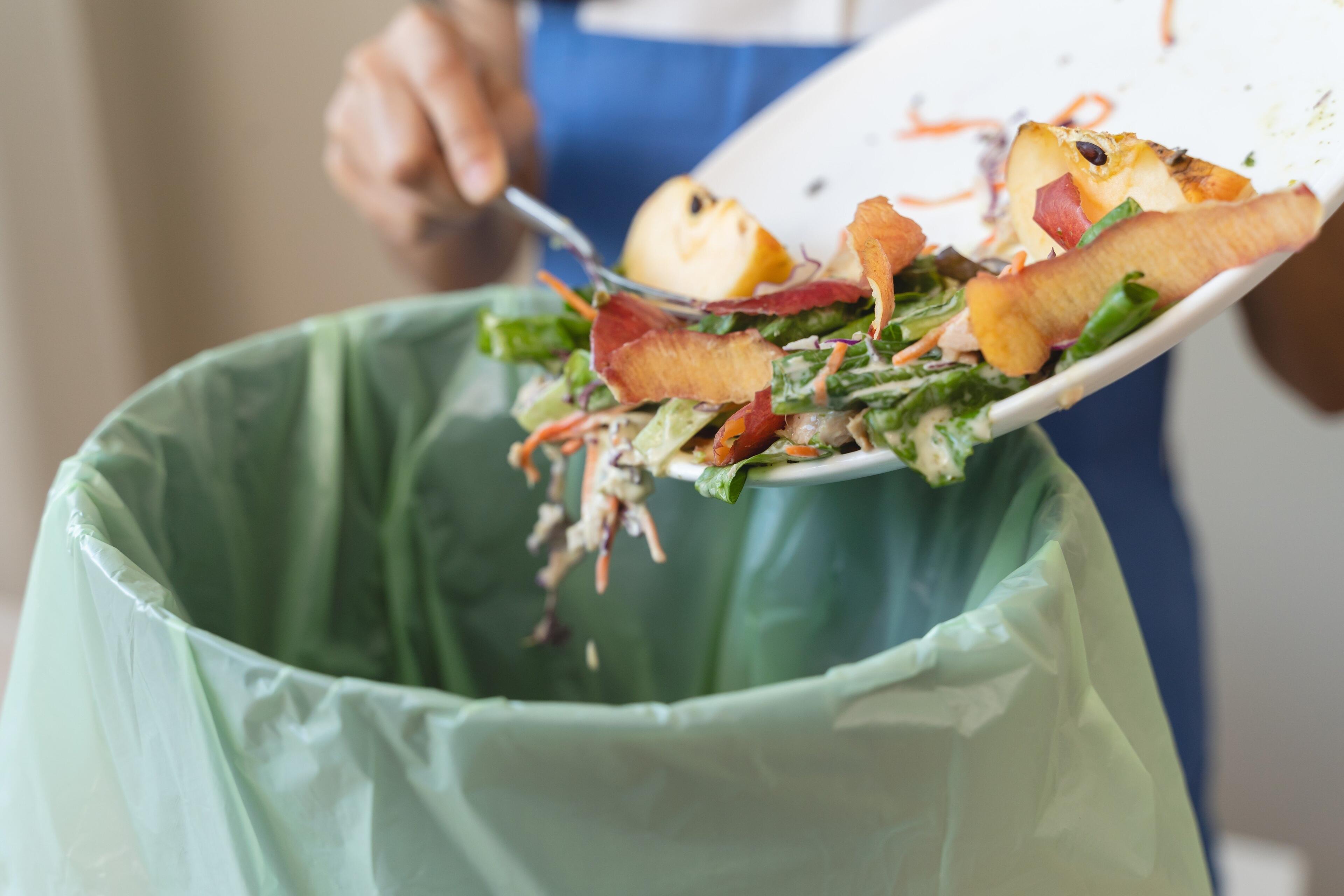
Hong Kong has a food waste problem: 3,600 tonnes of food are discarded every day in the city – which is equivalent to about 13 million bowls of rice – and as much as 40 per cent of landfills are filled with food. Tackling food waste is a challenge, and one that Chomp Hong Kong intends to confront head-on.
Chomp was founded by Carla Martinesi, who was inspired to create the app after identifying issues in the food and beverage industry while working in restaurants. The award-winning app helps restaurants reduce their unsold food surplus by listing it online at a discount.
When it comes to food waste, “Hong Kong is faced with a crisis which is out of sight, out of mind. If things are not in your full view, you have no idea where these things are going,” Martinesi said.

The issue of food waste might seem too big and intimidating for young people to face, but Martinesi said that fighting the problem requires everyone in Hong Kong to work together – and kids play a major role in this battle.
“The world’s current worst problems will be solved by kids in the future, the ones who are really questioning why things are done a certain way,” she said.
Everyone can take steps to reduce food waste, whether it’s saving leftover scraps for tomorrow’s dinner, turning discarded vegetables into tasty soups, or simply asking the people around you for more information about what you’re eating. Martinesi and the team at Chomp offered up a few ways that students could do their part in the fight against food waste.
Eat local
Aim to eat locally sourced products at least once per week. For example, instead of eating produce that was imported all the way from Europe, ask your parents to try to find fruits and vegetables that were grown in Hong Kong or mainland China. You could even do the research for them to point them in the right direction.
Look at food labels to find products that are from Hong Kong or China instead of the US or Europe.
You can also attend farmers’ markets across the city. These might be held in more rural areas or at times that don’t fit your family’s schedule, so you could also find online platforms that deliver fresh produce to your door.
Food grown locally generally has a lower carbon footprint because it doesn’t need to be transported as far.
“Hong Kong has great yellow chicken; you could eat that instead of French hens, for example,” Martinesi said. “There are a lot of really great farms in Hong Kong … that is a way to not only support local but also to eat better.”
How to use leftovers
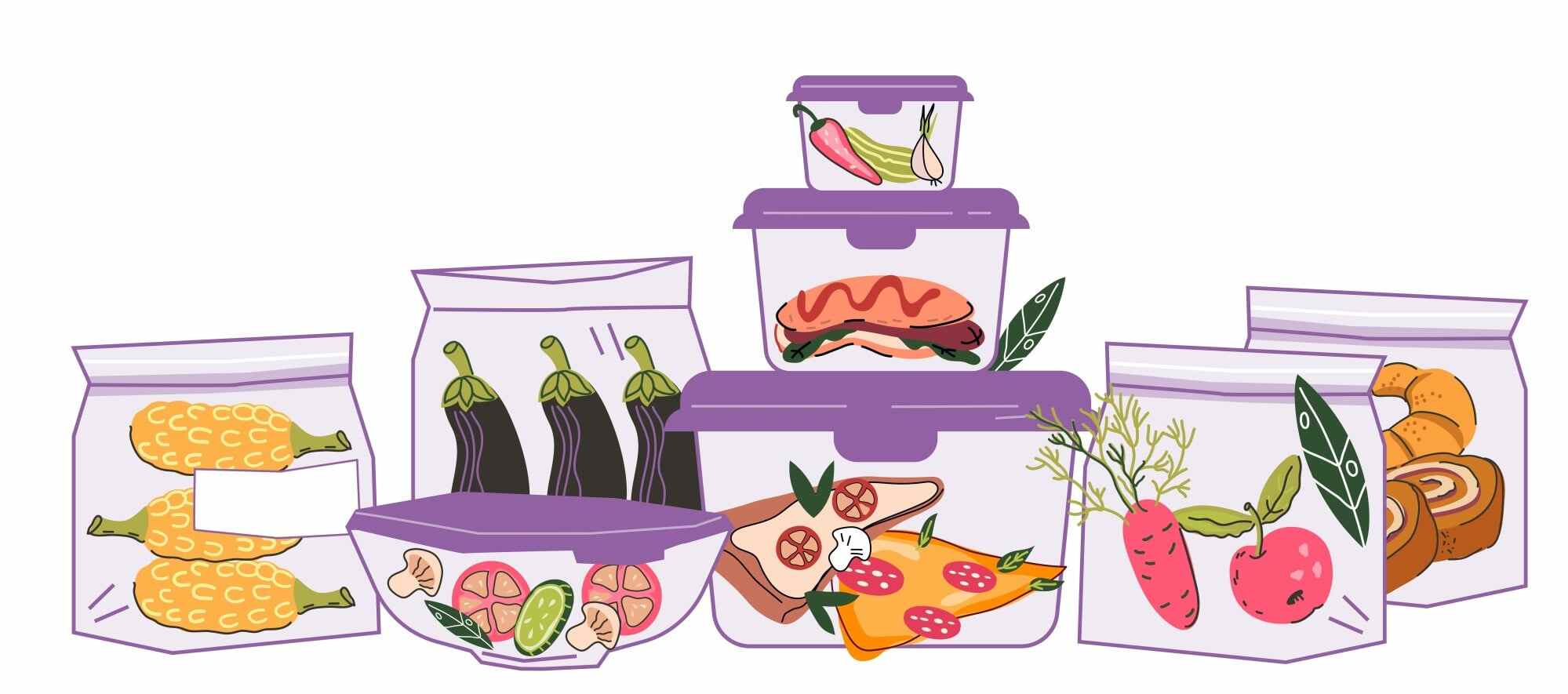
Ingredients can go a long way. If you help your parents with the cooking, ask questions about what else the ingredients can be used for. Leftover vegetables from one dinner can be used to make soup the next day, while extra cheese can be turned into a sauce. A big bag of pasta can last all week.
Recently, Chomp collaborated with the University of Hong Kong and Green Hospitality on a cookbook as part of the initiative “Food Waste to Good Taste”, which teaches people how to reduce food waste by showcasing the potential of overlooked food scraps.
One simple recipe involves taking leftover spaghetti noodles and combining them with mixed vegetables and soy sauce in a yummy, fresh stir-fry – turning old ingredients into something delicious while preventing waste in the process.
Shopping tips
By planning your meals in advance, you can significantly reduce the amount of waste you create. Make sure to always go grocery shopping with a list, Martinesi said, “otherwise, eventually you come home and realise that all the stuff you bought doesn’t go together. So, going there intentionally with a list helps you cut down on waste.”
Ask questions
Even asking questions can raise awareness of the problem and encourage others to think about their habits. Whether you are talking to your parents about grocery shopping or asking restaurants whether their produce is local, you can make positive changes.
“Ask questions like, ‘Where did this ingredient come from? Did you make the bread in-house? Did you import it?’ These are ways that you can make a more sustainable choice.”