Have something to say? Send us a letter using this form.
Australia’s misguided law
Bella Chen Pui-lam, St Catharine’s School for Girls
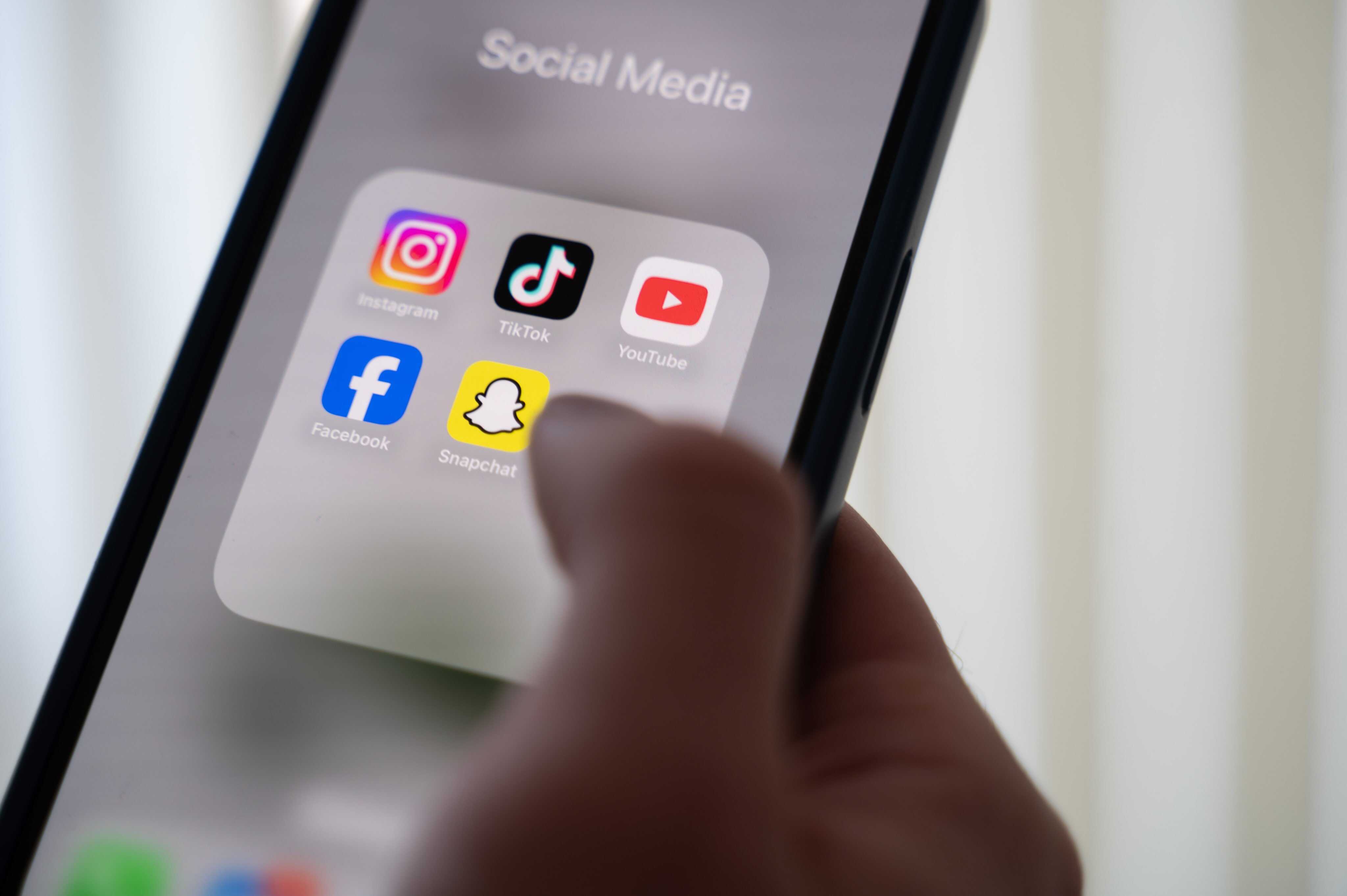
I understand the anxiety adults harbour regarding social media and its impact on young people. The proposed policy in Australia to ban all children under 16 from social media is a severe overreach that ultimately creates more danger than it resolves. It is not a solution; it is an admission of failure in education and parenting.
Firstly, the proposed ban operates on a dangerously simplistic view of adolescence.
Digital literacy is cultivated through guided practice. It does not suddenly materialise upon reaching an appropriate age. The ban denies younger teens the opportunity to develop these competencies.
A ban will not erase curiosity. It will simply drive online activity underground, pushing younger users to create anonymous accounts and hide from the very adults who could offer guidance. It replaces potential supervision with guaranteed secrecy.
Critics rightly point to issues like cyberbullying, data privacy and child predators online. However, addressing these complex problems requires refined solutions. A wholesale ban is a policy of avoidance. It absolves policymakers and corporations of the work of making the digital world safer.
Need for seat belt education
Fiona Lam Yu-shuen, Tak Nga Secondary School
While Hong Kong is often praised for its efficient public transport system and well-regulated roads, one area in urgent need of reform is our seat belt policy. The current rules fall short of effectively protecting passengers – especially those in the back seat and on public transport.
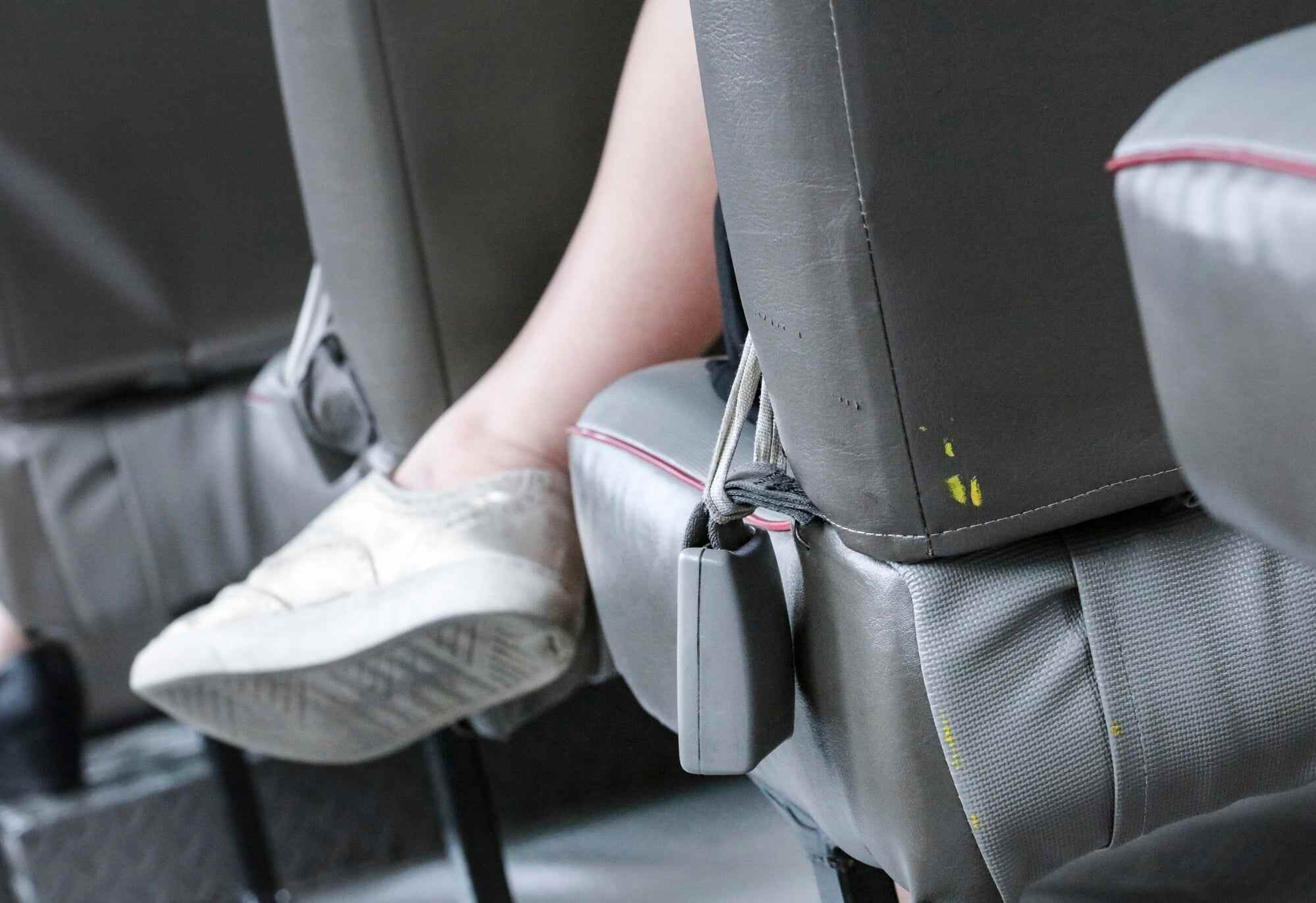
At present, wearing seat belts is mandatory for drivers and front-seat passengers, and for back-seat passengers only in vehicles equipped with seat belts.
This loophole is significant: many older taxis and minibuses still lack rear restraints, effectively exempting tens of thousands of passengers.
In the event of a sudden brake or collision, unbelted passengers can become projectiles, endangering themselves and others.
Public awareness is another weak point. Unlike campaigns on drink-driving or speeding, seat belt education seldom reaches passengers, who often view rear seat belts as optional.
The government should tighten regulations to require functional seat belts in all licensed vehicles.
Authorities could also conduct regular inspections and impose fines on those who fail to comply. We cannot afford to ignore a policy gap that costs lives.
Benefits of photography
Qbie Chan Tsz-kiu, Carmel Alison Lam Foundation Secondary School
I am writing in response to the article “Hong Kong’s 7-year-old photographer building connections with her camera,” published on March 1, 2026.
I believe that photography is one of the best ways to help kids learn.
One major benefit is that it lets children discover a different perspective of the world.
Hong Kong is a fast-paced and stressful city. Most of us focus heavily on work and earning money, and future generations may be influenced to feel the same.
Photography helps children learn how to slow down and notice the details of their surroundings. It can also be developed into an interest that relieves stress. When kids slow down and look more carefully at the world, they discover the beauty and joy around them.
Secondly, learning photography helps kids build an understanding of science, tech, engineering, art and maths, which are indispensable in the 21st century.
Photography is a great way for kids to engage with these concepts, since it combines art and technology. All in all, learning photography is a crucial skill for future generations of Hongkongers.
Learning from video games
Dora Tong Bao-qi, St Francis’ Canossian College
Life as a student in Hong Kong can feel like one long test. The constant pressure from quizzes and exams is real. To all my fellow students, I’ve found the perfect weekend stress reliever: video games. And they are more than just fun – they have some unexpected benefits.
Gaming is a great way to make friends, especially if you’re shy. You can connect with people without the awkwardness. Winning often means teaming up with others, teaching you how to cooperate with a team. More importantly, it boosts communication skills. Planning a strategy with your team requires clear, quick talking. My online friends are from Shenzhen, so I even get to practise my Putonghua.
Gaming isn’t just an escape. It’s a social, strategic and multilingual workout that makes us better team players.
Just remember that balance is key. If you don’t do your schoolwork, your parents will be madder than the hardest game boss, and then no more gaming for you! So study first, play after and keep school and gaming balanced.