Have something to say? Send us a letter using this form.
Smart bans for addiction
Karina Wong, HKFYG Lee Shau Kee College
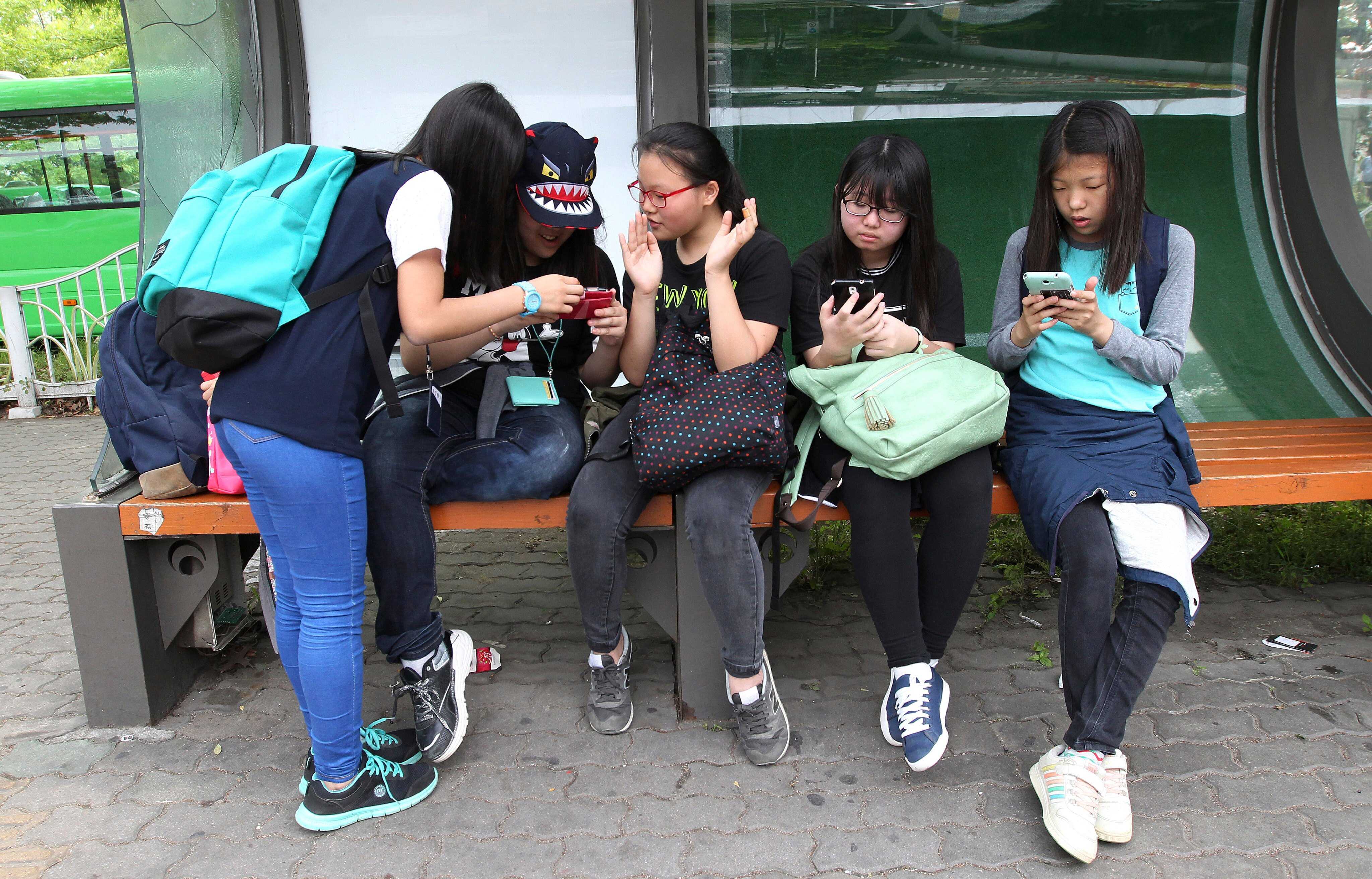
The term “phone addiction” has spread as a topic in many conversations. Some people check their devices hundreds of times every day. Although regulatory measures have been introduced, the vast majority of global citizens remain unaware of the severity of this problem.
With the rapid proliferation of smartphones in the early 2010s, the rise of social media apps also contributed greatly to addictive behaviours. This represented a fundamental change in how humans interacted with the world, moving from physical presence to digital immersion.
Unlike outdoor play, which was common for children in the past, data from the Gen Z Screen Time Report 2026 indicates that people aged 15 to 27 in the US spent around one-third of a year on their phones. Such behaviour is attributed to dopamine-driven instant gratification from social media apps, games and other platforms, creating feedback loops that lead to addiction and decreased focus.
In the broader context, this has also affected teens, increasing their anxiety and depression, as well as leading to a decline in academic performance. Many adolescents are also losing sleep due to late-night phone use. In the long run, sleep deprivation is linked to brain damage. This elevates the issue to a public health emergency that demands intervention.
It is crucial to adopt a mix of regulatory and educational strategies. Therefore, a multipronged approach is required. This can be achieved through public awareness campaigns and school guidelines that restrict device use during classes.
Last October, the Japanese city of Toyoake set a limit of two hours per day for smartphone use outside work or study. While the law does not have penalties, it reflects a growing recognition that legal guidance is necessary.
South Korea passed legislation last August to ban student mobile phone usage during school hours. The law aims to combat severe digital addiction among youth. While supporters emphasise improved academic focus, critics argue it infringes on human rights. However, this perspective overlooks that the “choice” to use these apps is made within an environment engineered to be addictive. Therefore, legislation is about rebalancing human will with technology.
Last December, Australia implemented a nationwide ban on social media for children under 16. It has also been more than two years since smartphones were banned in Australian schools. A year after the ban began, a survey by New South Wales found that 95 per cent of school principals still supported the ban. According to a study from South Australia last March, 70 per cent of teachers said students were more focused and engaged in lessons.
These examples should act as a catalyst for similar policies around the globe. Legislation can help us navigate innovation without sacrificing well-being. By acknowledging the impact of phone addiction, we ensure technology guides us towards a better future.
A balanced approach
Angela Lau Tsz-ching, Lung Kong WFSL Lau Wong Fat Secondary School
I am writing in response to Australia’s ban on children under 16 using social media. This policy has sparked intense debate.
Supporters argue it protects young people, as social media is rife with cyberbullying, misinformation and harmful content that threaten teens’ physical and mental health. Excessive use also reduces real-world activity and impairs face-to-face communication.
The ban allows teens to focus on their studies and hobbies, supporting their overall growth. However, opponents stress social media’s benefits: it helps teens maintain friendships and broadens their horizons. A full ban risks leaving them behind in developing vital digital skills.
Through this debate, I have learned about the importance of critical thinking and balanced arguments. I can now analyse social media objectively, rather than seeing the platforms as purely good or bad.
In my view, the ban is well-intentioned but insufficient. Instead of a total ban, schools and parents should teach digital literacy and safe online habits. With guidance, teens can enjoy social media’s benefits while avoiding harm.
Ready for an electric future
Angel Tsang Hoi-cheng, Tak Nga Secondary School
Recently, I watched a video that discussed whether Hong Kong is ready for an electric vehicle (EV) boom. The video pointed out the high cost of charging EVs outdoors and the lack of high-speed chargers. I would also like to suggest some solutions to tackle these difficulties.
When the government extends leases for petrol stations, it can require them to install at least one charging station. This is a good way to increase the number of chargers in the city. This will be much more convenient for EV drivers and reduce their worry about running out of power.
Apart from building more chargers, the government should also encourage people to buy electric cars.
It can do this by promoting the environmental benefits of electric cars, such as cleaner air. It could also offer some financial support, like giving discounts on parking fees for electric vehicles. These steps would make owning electric cars a more attractive choice for drivers.
Promoting electric vehicles in Hong Kong is a smart move. It is good for the environment and can also help Hong Kong grow into a modern and smart city.