On a crisp morning just north of Seoul, Ryu Da-yeon hands her smartphone to her teacher – a ritual so familiar that she barely notices it.
Next spring, this routine will become law as South Korea seeks to combat the rising tide of digital distraction in its schools. The nationwide ban on smartphone use in primary and middle schools aims to address growing concerns about technology’s impact on young minds.
For many South Korean students, the new law formalises what has long been customary. “In elementary and middle school, we gave our phones to the teacher first thing in the morning,” said Ryu, a second-year high school student in Paju. “So I don’t see what’s different. It feels like we’ve already been doing this.”
While many schools have relied on internal guidelines to limit screen time since at least 2023, the new measure standardises those rules nationwide, giving them legal force. Exceptions are permitted for emergencies or educational activities specified in the legislation.
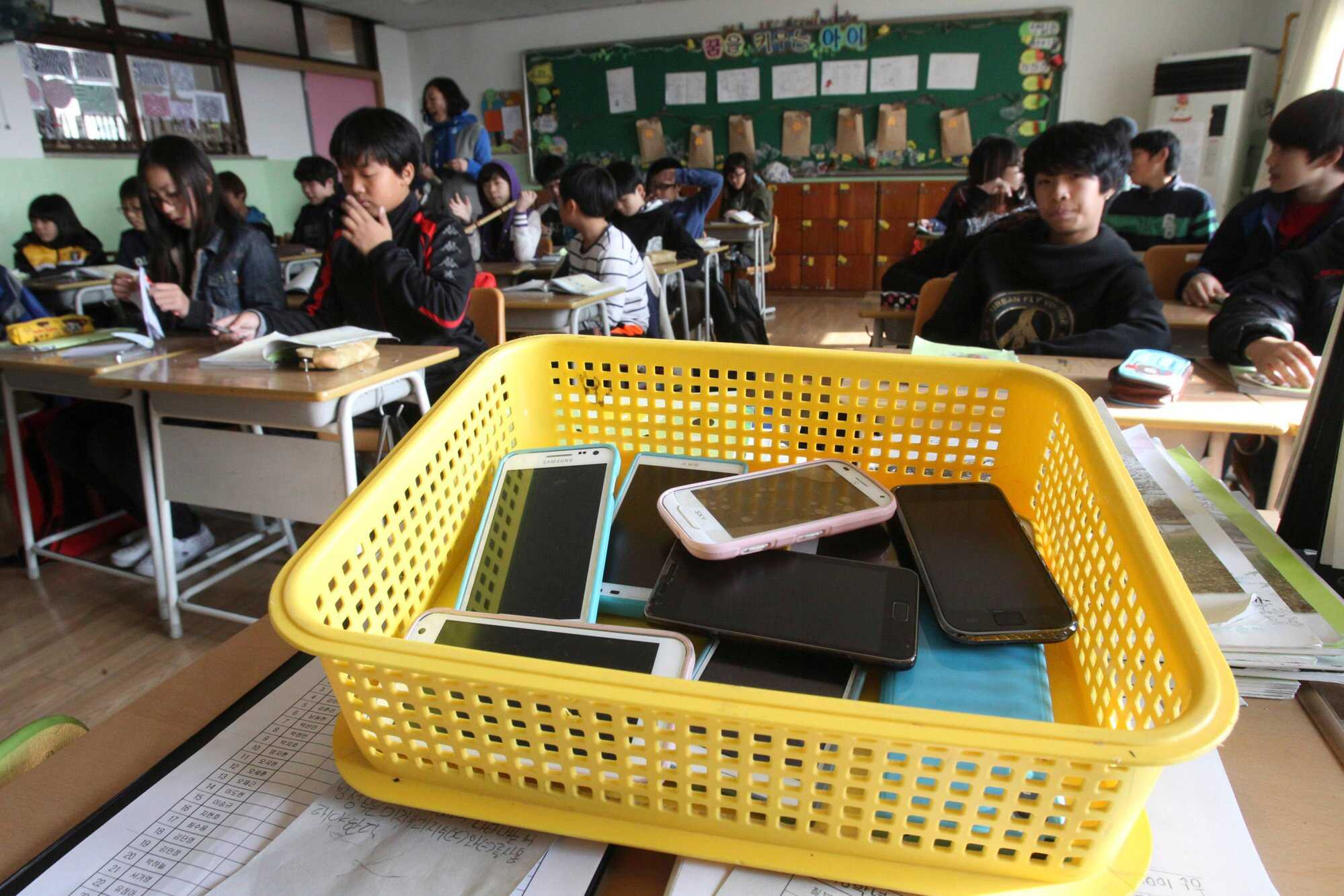
Although the law itself does not specify penalties, it grants principals and teachers the authority to confiscate or prohibit phones on school grounds.
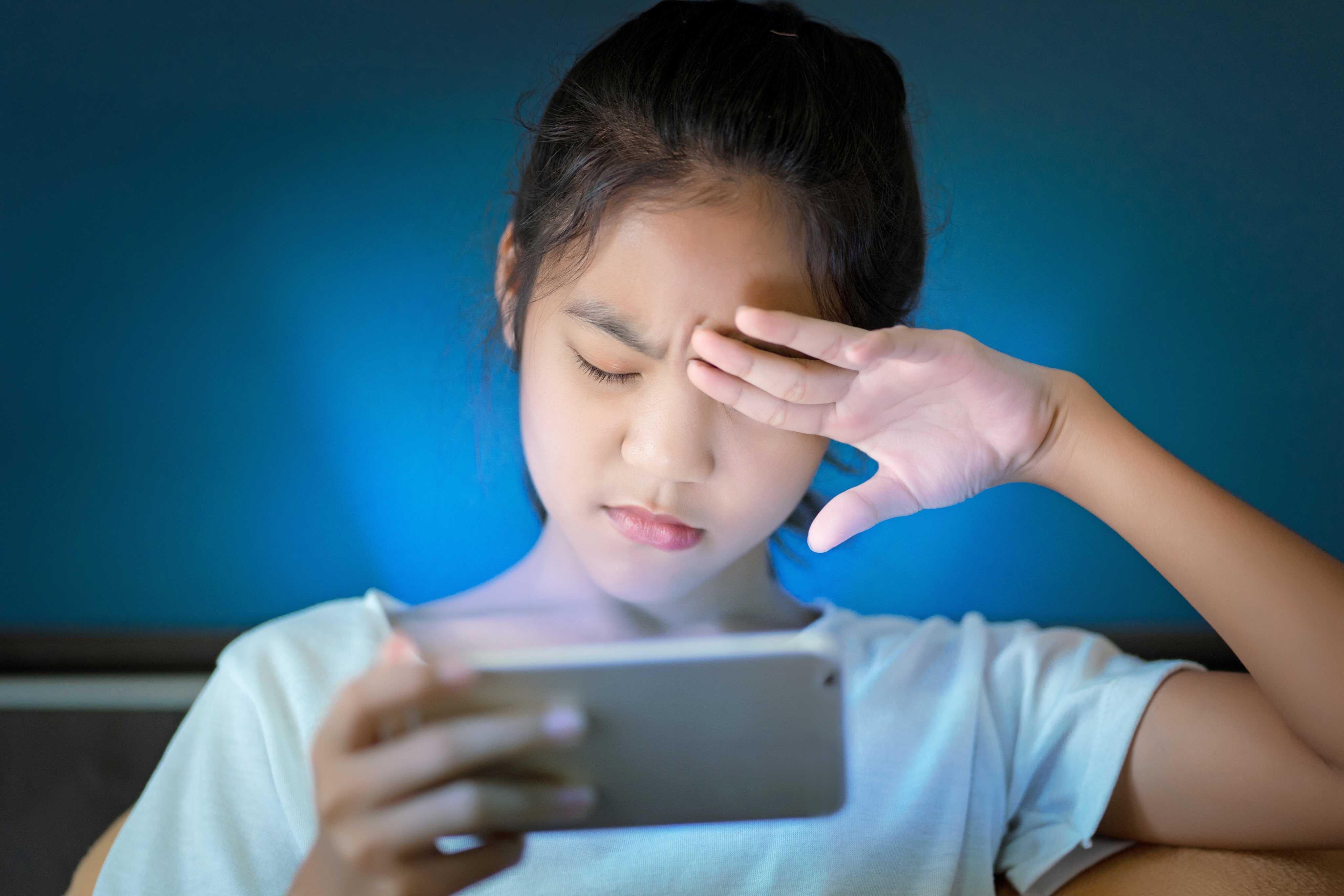
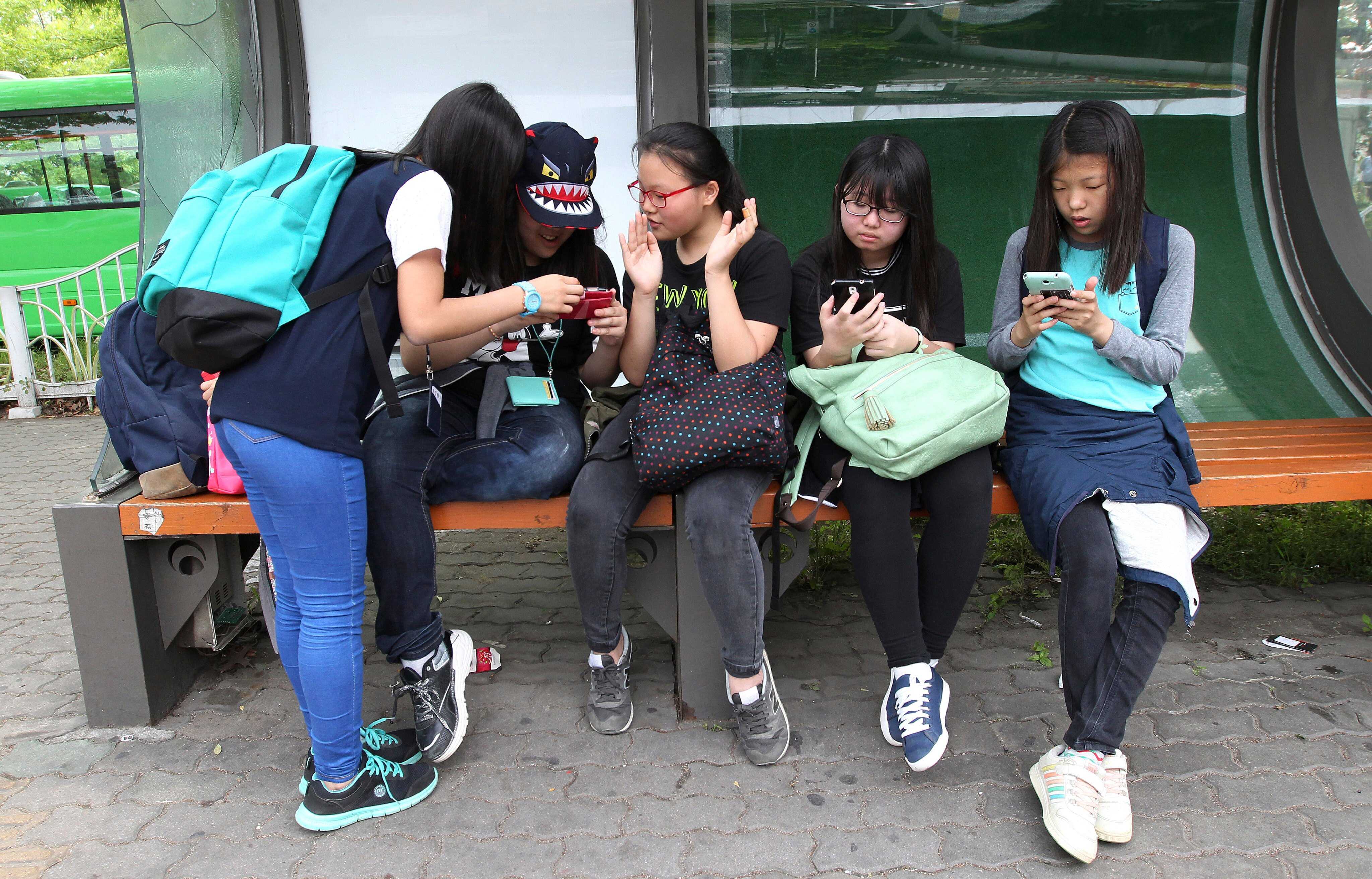
Many students find the allure of their smartphone screens challenging to resist. “Once you start watching videos or scrolling, it’s really hard to stop,” Ryu said.
Not everyone is convinced that the law is the right solution. Student advocacy groups have criticised the legislation as overreach, arguing that it “directly infringes upon students’ basic constitutional rights, such as freedom of communication and the rights to privacy and happiness”.
Kang Young-mi, director of the National Association of Parents for Cham-Education, said that the law’s passage was rushed and did not consider students’ views.
“South Korean schools have a culture of blindly following what the teacher tells you to do. Schools aren’t teaching students how to resolve conflicts among themselves and, instead, try to solve everything through legal action,” Kang said. “As a result, problems with school bullying, digital violence and sexual violence are becoming more severe.”
Kang further linked smartphone overuse to the relentless academic pressure South Korean students face, driven to late-night study sessions, cram schools and test-prep routines by the high-stakes Suneung university entrance exam.
“One of the main reasons students overuse phones is that they barely have time to do anything else,” she said. “If they had more time outside of studying, they’d probably spend more of it interacting with friends face to face.”