Have something to say? Send us a letter using this form.
Chaos theory and our place in the universe
Hilary Au Yan-hei, St Paul’s Secondary School
I am writing in response to the video “A simple guide to chaos theory” by BBC World Service. This video prompted me to think about how a minor incident in one place can have substantial consequences in another part of the world. I would like to share my humble opinions on the topic.
This video introduces chaos theory through a hypothetical story: the clock on a tower in Bern, Switzerland, is delayed by two minutes, leading to the sudden death of Albert Einstein and, in turn, the disappearance of computers and television due to the loss of his theories in physics.
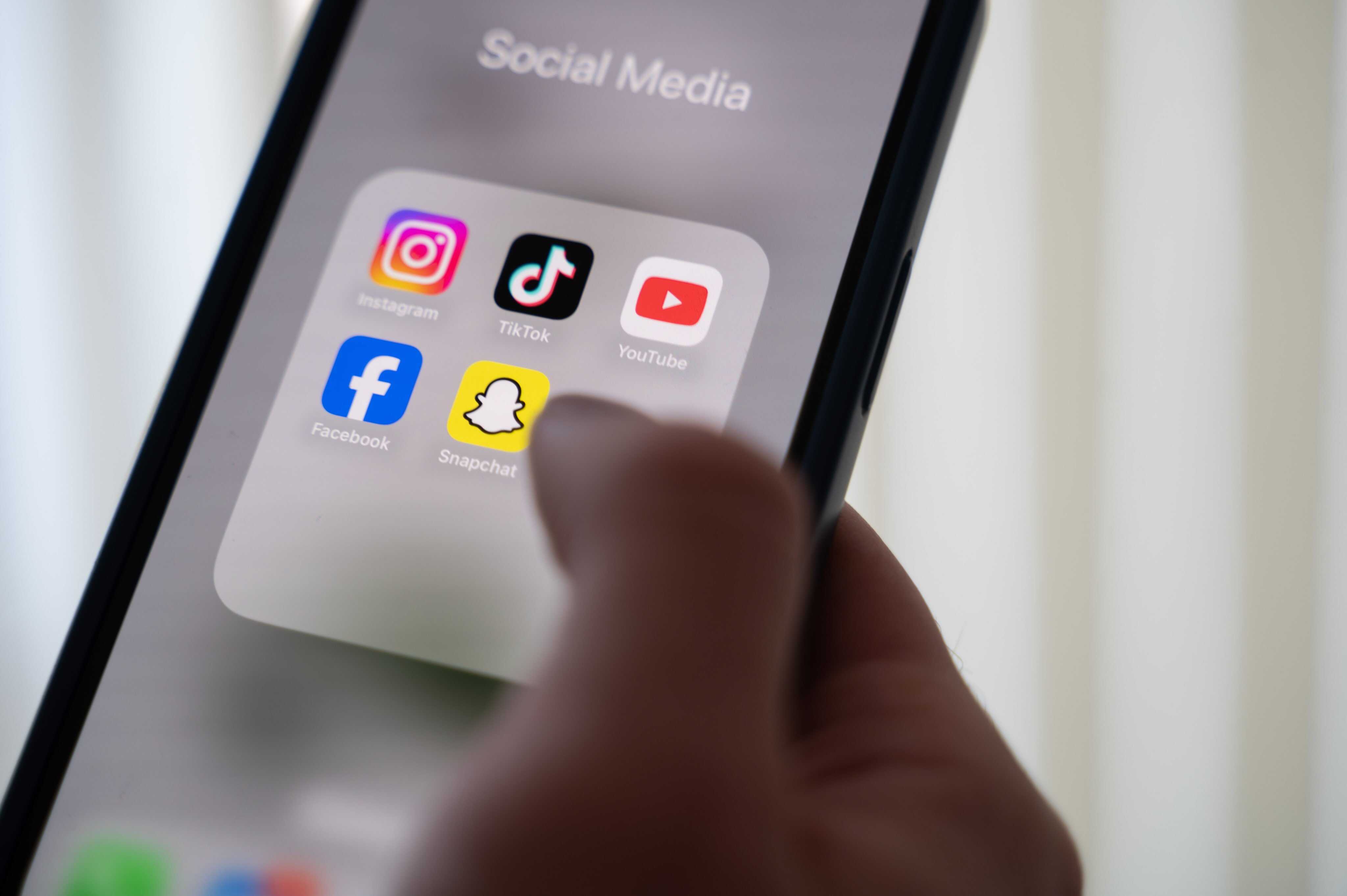
This is the butterfly effect, a manifestation of the chaos theory. It made me wonder about the implications on our everyday life as well as the universe. For example, a single negative comment on social media can trigger excessive trolling, offensive or provocative online posts aimed at upsetting someone or eliciting an angry response.

More importantly, this theory introduces uncertainty and reveals the limits of human knowledge. It reminds us that, despite our insignificance in the universe, we can still have a huge initial impact. We shouldn’t speak of predictions; we should focus on possibilities.
We will never know what will happen in the future, but by focusing on what is happening in the present, we create possibilities. Rather than being anxious and worried about what might happen, we should always remind ourselves that it is not certain to happen.
Therefore, we don’t need to feel nervous about the future. To conclude, chaos theory is very sophisticated and complex; we could never learn the full picture of it. However, it gives us a sense of how the universe works and the limitations of human knowledge. Personally, I think it is a worthwhile and interesting topic to discuss.
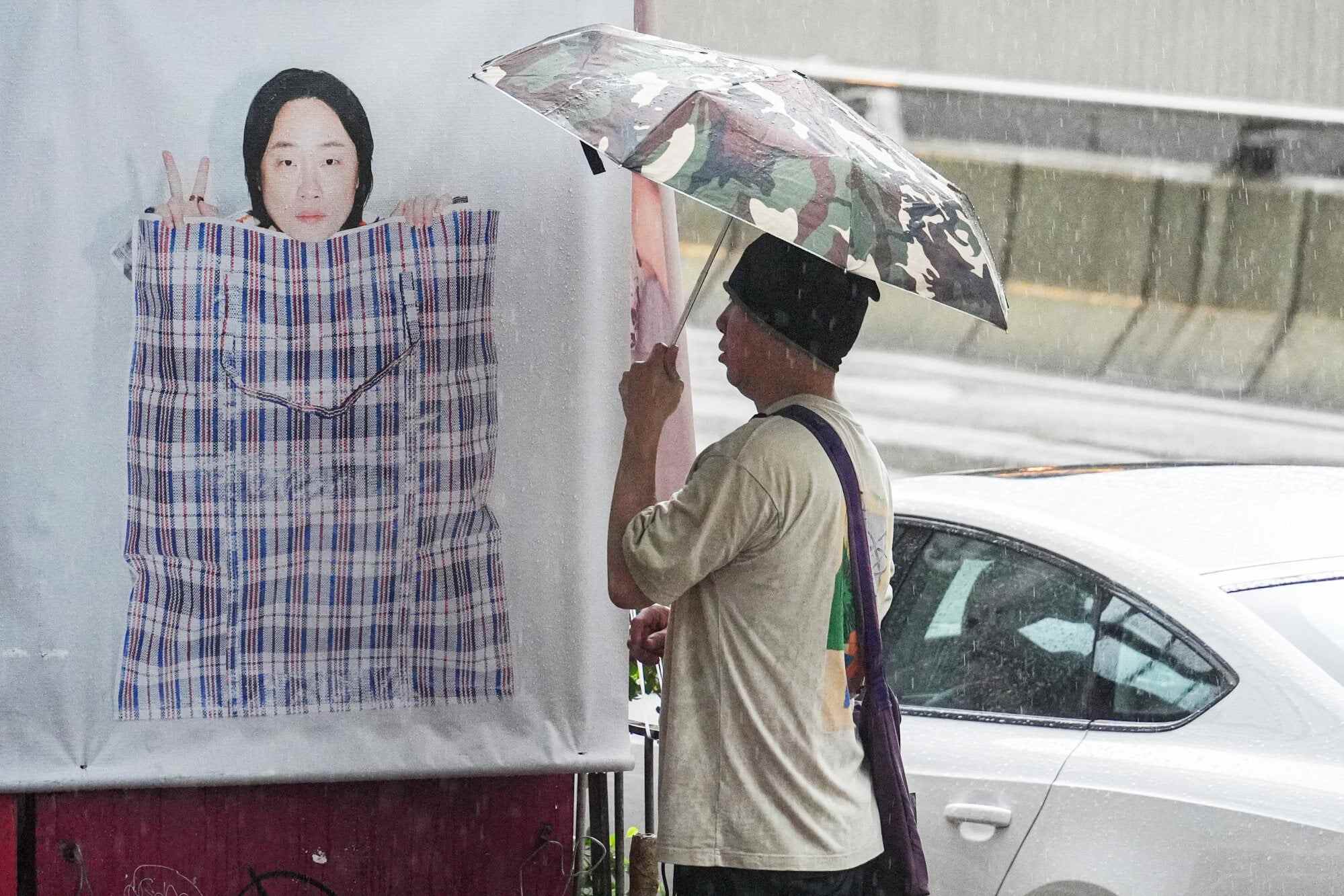
Jimmy O. Yang, the game changer
Peter Chui Pui-ling, Maryknoll Fathers’ School
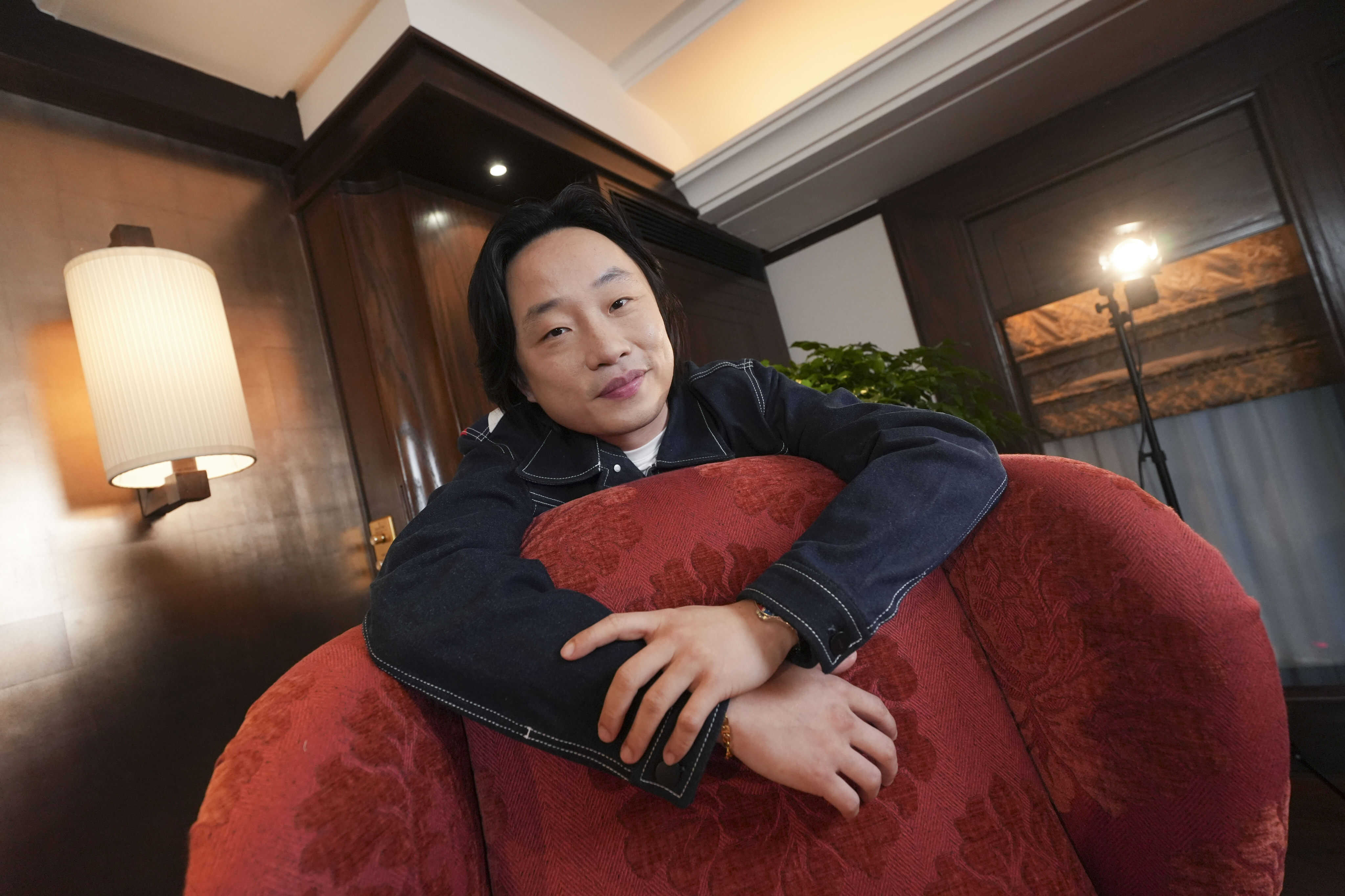
As one of the guests at an event with Jimmy O. Yang, co-hosted by the Asia Society Hong Kong Centre, I am deeply grateful to have heard about a life that is full of twists and turns, darkness and light. It felt just like a roller-coaster ride out of the million miles high in the sky.
Through his sharing, Jimmy turned his poignant experiences into laughter that resonated with everyone in the hall, from his decision to step down from the robust financial industry to his bold attempt to pursue his dreams in an unknown empire – Hollywood.
As one of the few Asian-Americans in Hollywood, how did Jimmy hold on and carve out his own niche without his parents’ approval? Actually, the secret recipe is simple – a passion for his job and perseverance, he revealed in the talk.
The beginning was tough, though. To be funny on stage, he actively listened to local radio podcasts to further sharpen his sense of humour, practised his speeches alone in an empty room every day, and reworked his scripts a million times to perfect them.
He stood alone on this less-travelled path. Soon, his hard work paid off. Audiences began recognising his name, face and distinctive style of humour. Venues swapped from tiny little rooms to packed theatres, roaring with laughter at his precisely-crafted jokes and falling into gentle silence during his touching, thoughtful bits.
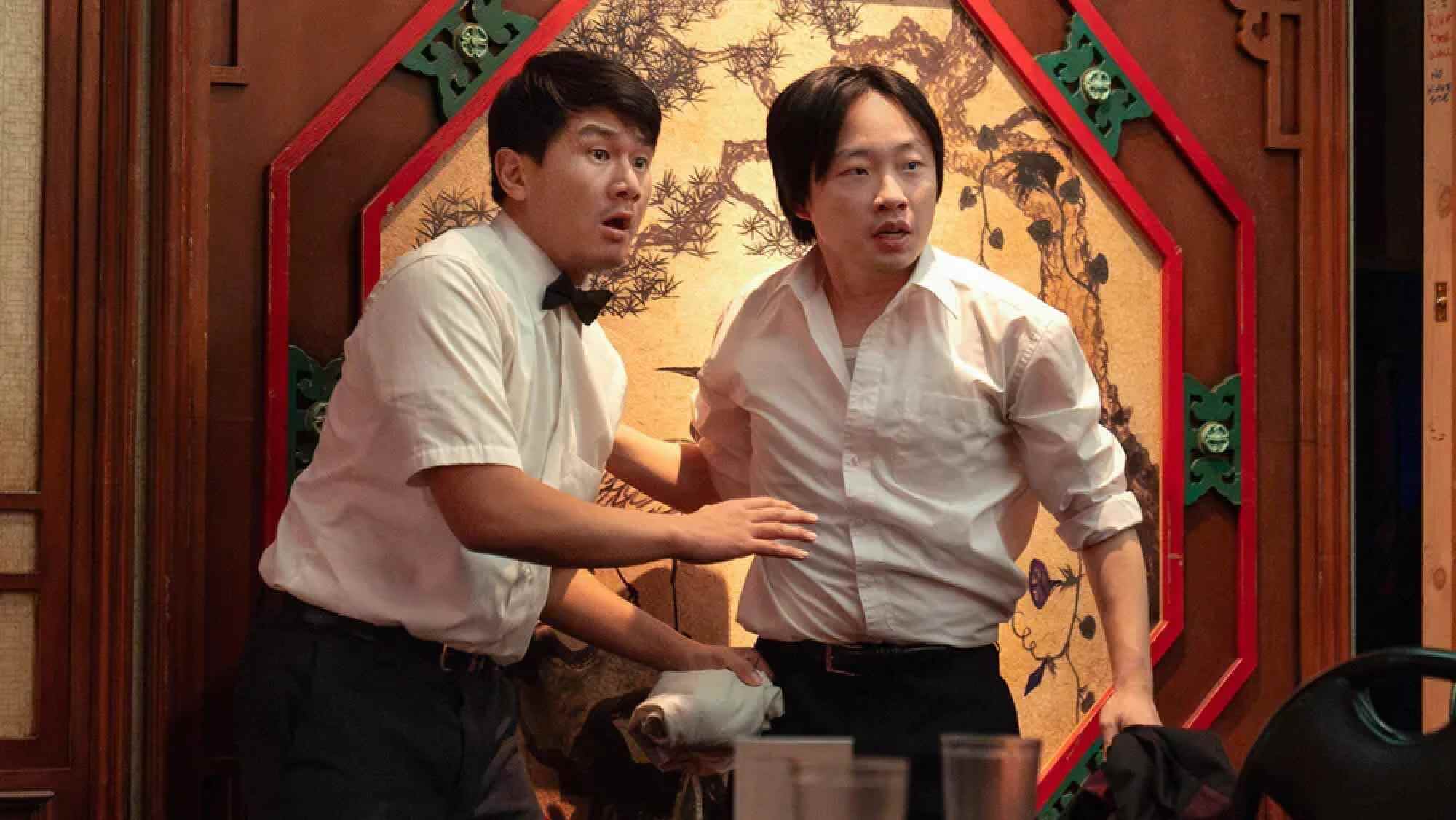
Daring to diverge isn’t just a fairy tale. But Jimmy O. Yang was successful, and his name will have a long-standing place in his fans’ hearts. His success is commendable; now, his unique story isn’t left untold.
What makes him a true game-changer is that he was the player who took initiative, stepping forward, even when unsteady, to turn his potential into a big achievement.
Jimmy O. Yang’s success is about having a clear direction and unwavering determination to act. He turned the pressure and self-doubt into strength, fuelling every Hong Kong student’s creativity and professionalism.
Jimmy didn’t merely choose a different path; he made concrete efforts to redefine what success means, no matter how harsh the reality. With this in mind, he, undoubtedly, is the best candidate for this “game changer” award.
Our true value does not lie in a perfectly predefined spreadsheet, but rather in our own drawings. As long as we have a determined heart and steadfast conviction in pursuing our dreams, you and I can both be game changers in the future.
For every Hong Kong student staring at a colour-coded schedule and wondering if there is more to life, Jimmy O. Yang’s extraordinary experience is indeed a springboard for all of us – inspiring and encouraging us to dream big.
Social media bans are a start – not a solution
Rachel Wong, St Paul’s Secondary School
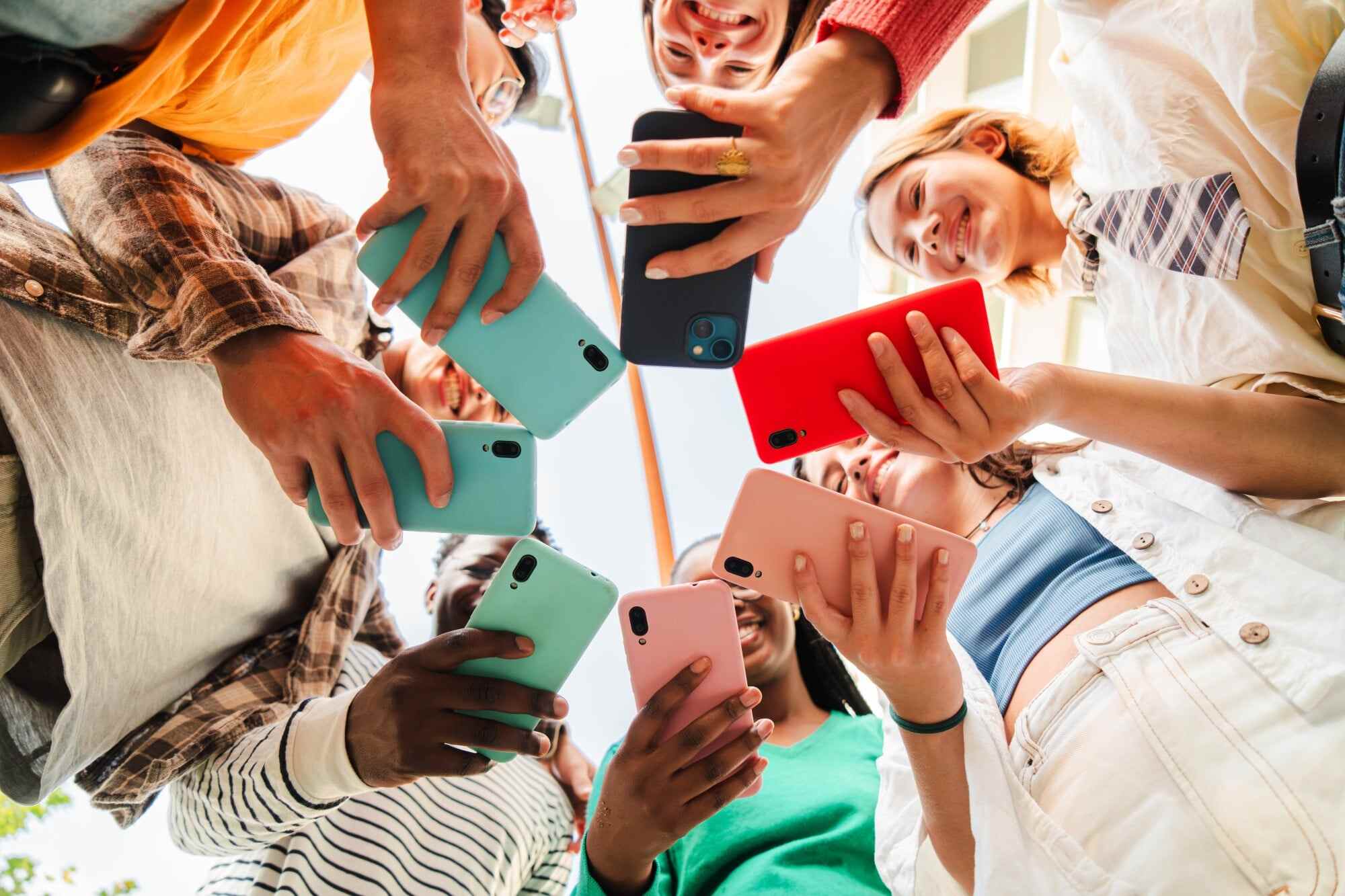
I am writing to express my reflections on Australia’s recent decision to ban social media for children under 16 – a policy that has ignited widespread international debate.
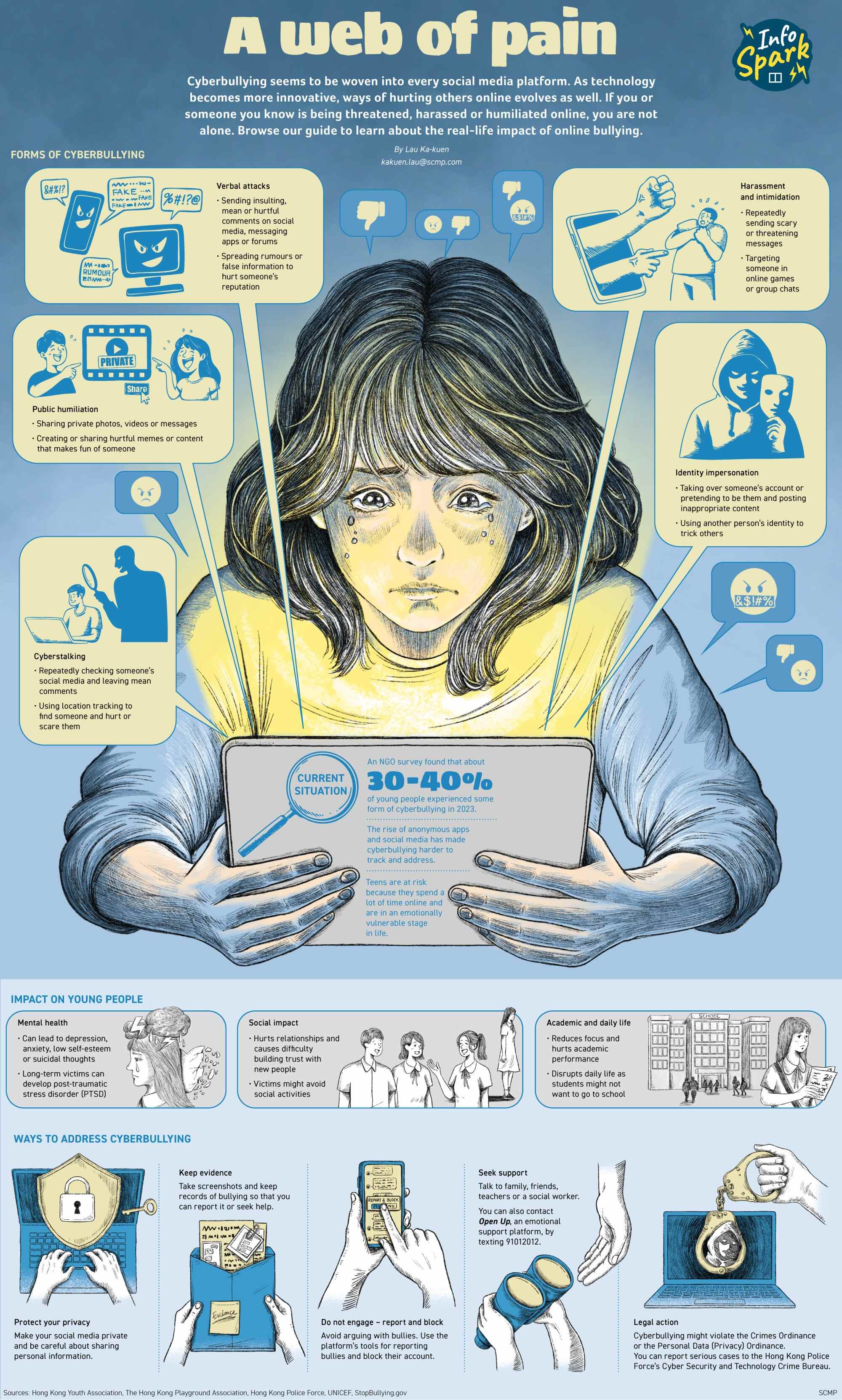
At first glance, this ban appears to be a promising solution for teenagers weary of cyberbullying and anxious about the addictive nature of social media algorithms and exposure to inappropriate content.
Nevertheless, I remain sceptical that such a ban alone will effectively safeguard young users. To begin with, many teenagers easily circumvent age-verification systems by using their parents’ photos or falsifying birth dates.
Additionally, the increasing use of virtual private networks (VPNs) allows users to mask their location, effectively bypassing regional restrictions. This technological workaround renders the ban less effective than its proponents might hope.
Moreover, restricting access to mainstream platforms like TikTok and Instagram merely drives teenagers towards lesser-known apps such as Discord, Lemon8 and Yope, where harmful content often proliferates unchecked.
It seems that when one “digital door” closes, another “window” opens, and these alternative platforms frequently lack the robust moderation policies of their larger counterparts.
Instead of erecting a digital iron curtain, it would be more constructive to compel social media companies to proactively remove harmful content and embed safety features into their platforms’ core design.
This approach would create a safer environment not just for teenagers, but for all users.
Beyond technological solutions, I strongly advocate for integrating comprehensive digital literacy education into school curricula. Such education equips teenagers with the critical skills to discern harmful content, safeguard their personal data, and effectively combat cyberbullying.
As a teenager in Hong Kong, I have seen first-hand how digital literacy empowers young people to navigate online challenges confidently and responsibly. Investing in education is a sustainable, long-term strategy that is more effective than legal prohibitions alone.

Social media has become an inseparable part of modern adolescence. Observing Australia’s bold experiment from afar, I believe there are valuable lessons to be learned from both its achievements and shortcomings.
Protecting teenagers online is not about constructing higher fences; it is about making the digital landscape safer for everyone – through thoughtful redesign of algorithms to minimise harmful content and through empowering education that fosters digital resilience among youth.