Have something to say? Send us a letter using this form.
Rules versus reality
Akiko Shek Hau-ching, Pope Paul VI College

I am not writing with numbers and facts; I am telling a story. Imagine a city called Glass-Case. Its leaders were well-meaning adults who watched the children play in the gardens and grew worried when they saw scraped knees, falls from trees and fights among friends. So they made new rules.
First, they prohibited climbing trees. “Children do not yet understand gravity,” they said, so they wrapped the trees in smooth metal to prevent anyone from climbing them. However, the children, having no trees to climb, started scaling empty buildings instead. No one was watching them there, and it turned out to be much more dangerous.
Next, the leaders noticed the children tripping on garden paths. To address this, they removed all the stairs and replaced them with gentle ramps. “Smooth paths prevent injuries,” they said. Yet the children soon grew bored and began racing down the ramps on old carts, crashing into bushes and each other.
Then, when a child poked herself with a charcoal stick, the leaders announced, “Art tools are dangerous. We will wait until children are 16 before teaching them.” Nevertheless, the children still wanted to draw. They scratched pictures in the dirt and secretly shared their drawings, hiding their art from the adults who could have taught them how to draw safely.
Finally, they banned running. With this rule in place, the children stood still in the gardens, and the leaders were happy. However, the children had forgotten how to recognise what was safe. They had never learned to climb, so they didn’t know which branches could hold them. They had never fallen, so they didn’t know how to land safely without getting hurt. Moreover, they had never drawn openly, which meant no one had taught them how to use tools carefully.
Years later, when they were finally allowed to run, they did so without caution, rushing into roads and hazards they had never been taught to avoid. The leaders blamed the children for being careless, but the truth was that they had never been given the chance to learn.
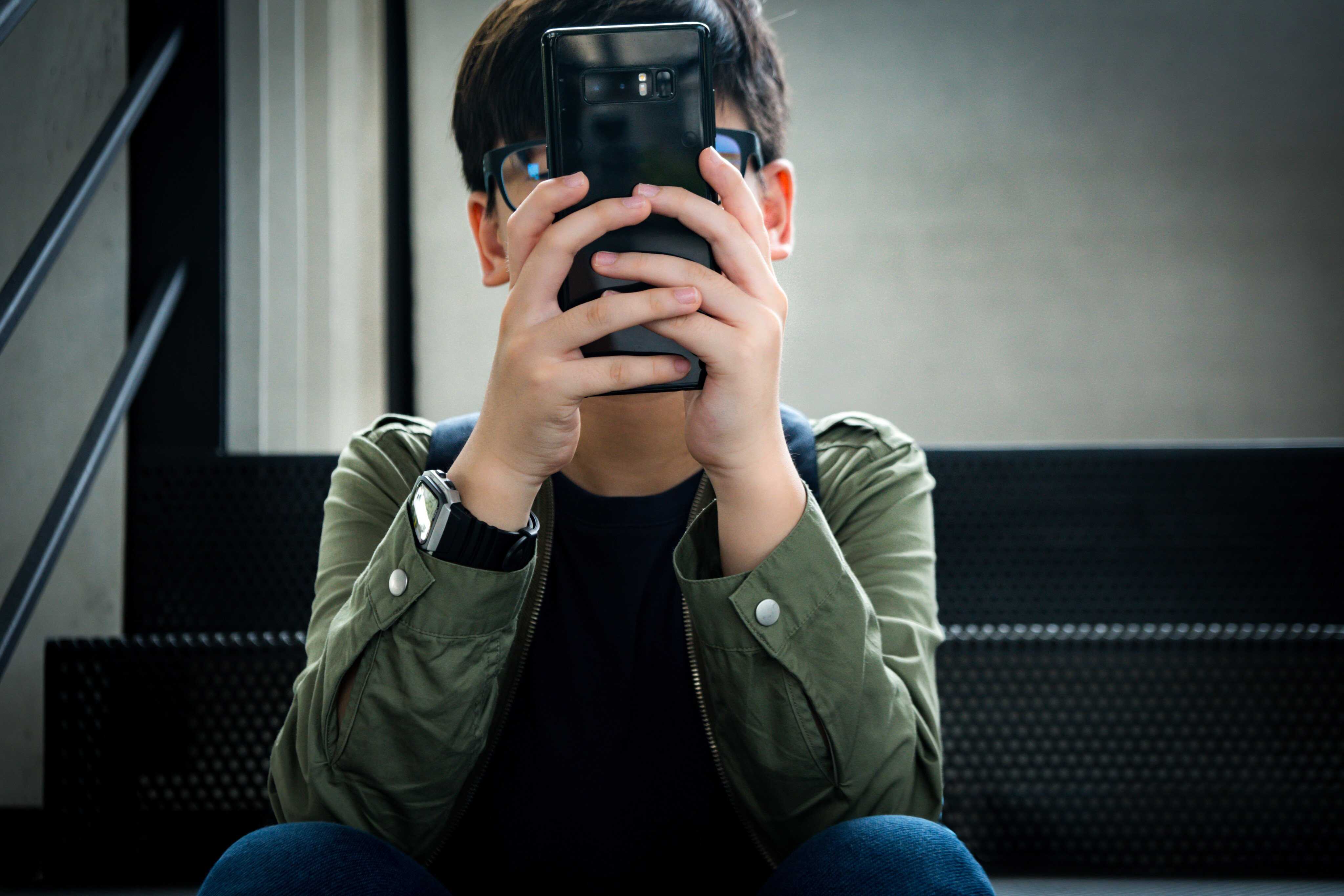
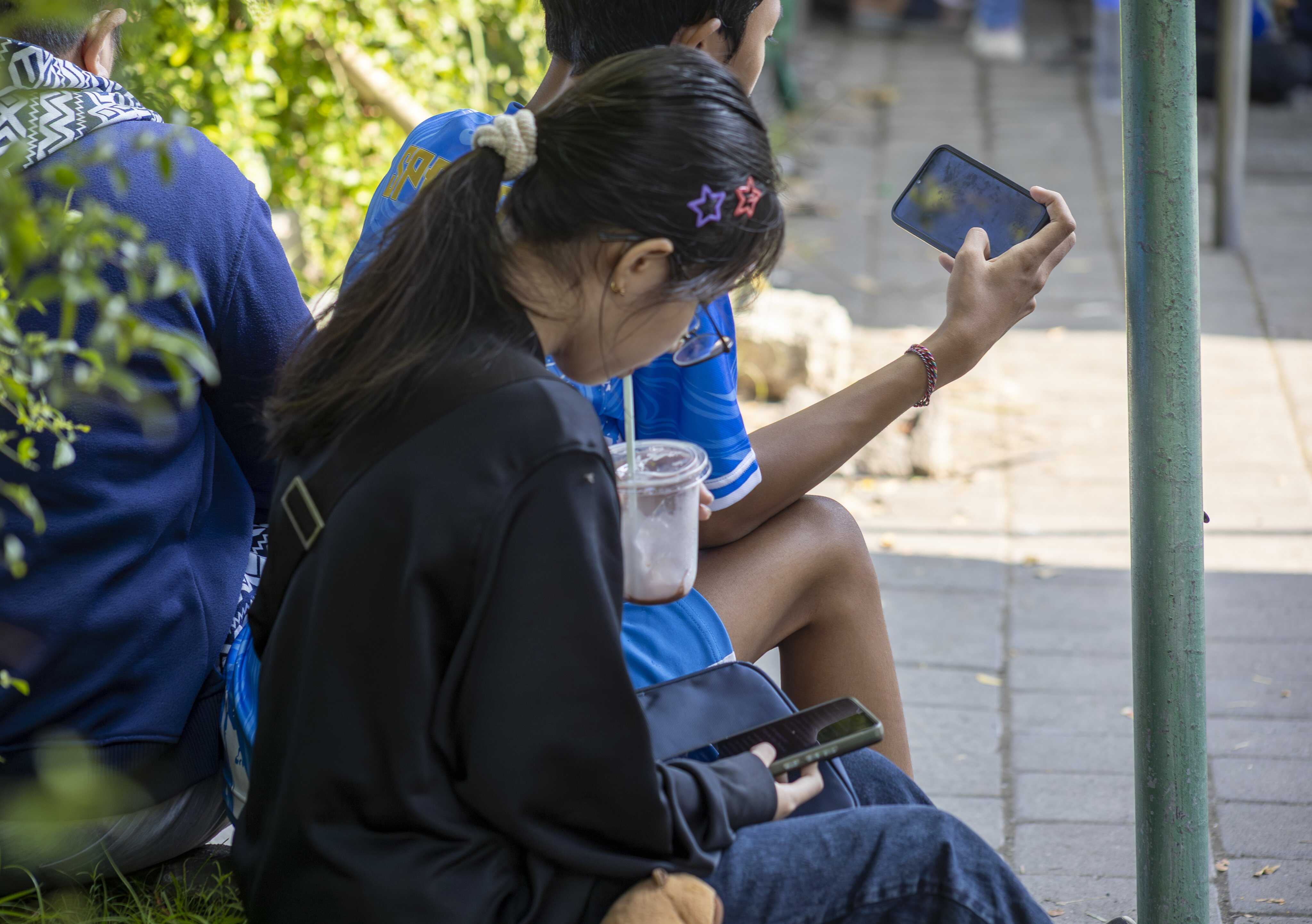
This story reminds me of what is happening today. Australia wants to ban social media for children under 16, which is akin to wrapping the trees in metal. A child who has never learned to use the internet with adult guidance will not magically know how to navigate it safely when they turn 16. Instead, they will likely go online in secret, where no one can help them. Similarly, this principle applies to seat belt rules and declaring video games as a waste of time. Young people learn through experience, not by being confined and kept away from the world.
The leaders of Glass-Case meant well because they wanted to keep children safe. However, the goal is not just to raise children safely; it is to nurture them to grow into adults capable of handling the world. Let us not make the same mistake.
Shop smarter, not more
Ella Tung Lok-ching, St Catharine’s School for Girls

With just a simple click, we can browse online shops and have our desired groceries delivered right to our doorsteps instantly, all without leaving the house. While online shopping may seem convenient and accessible, it also comes with several troublesome issues and environmental impacts.
One major concern when shopping online is the risk of fraud. Products advertised online may look more appealing than they actually are. Some businesses sell counterfeit items that imitate luxury brands, tricking consumers into purchasing cheaper alternatives. Sellers may even replace brand-new electronics with realistic knock-offs and reseal the packaging to maximise profits.
When you buy these products online, you cannot guarantee their authenticity until they arrive at your doorstep. To avoid purchasing counterfeit goods, it is wise to check ratings and comments from other consumers to ensure a better shopping experience.
In addition to concerns about fraud, online shopping raises security issues. Some websites may harbour hackers looking to steal your account or financial information, and you cannot always be assured of their safety.
We also need to be cautious of how these websites may collect our data discreetly. Many fraudulent websites and apps mimic legitimate ones but make slight adjustments to their uniform resource locator (URL).
Online shopping also negatively impacts the environment. Once we place our online orders, the products are shipped and delivered to our doorsteps, typically wrapped in excessive bubble wrap and cardboard boxes. This leads to a waste of resources.
Shopping apps often offer price comparisons, discounts and promotional campaigns, including free delivery, which many customers appreciate.
These techniques are designed to encourage sales and prompt customers to make purchases. As more deals become available, people tend to shop impulsively, buying unnecessary items to feel as though they’ve saved money.
This behaviour ultimately results in overconsumption, and unwanted products often end up in landfills, contributing to increasing waste.
I believe that there are significant disadvantages to online shopping that physical stores can overcome.
For instance, when purchasing clothing, it is best to shop in person so you can feel the fabric and try on the items to ensure they fit properly – something that is not possible online.
Moreover, fragile items may not be suitable for online purchase due to the risk of rough handling during delivery.
Finally, the experience of shopping online isn’t as enjoyable as shopping in a physical store. Browsing malls with friends adds a magical touch and nostalgic feel that online shopping lacks. In summary, I prefer to shop in person rather than online. What about you?